Nov . 24, 2025 14:21 Back to list
The Cultural Significance of the Abaya Muslim Dress
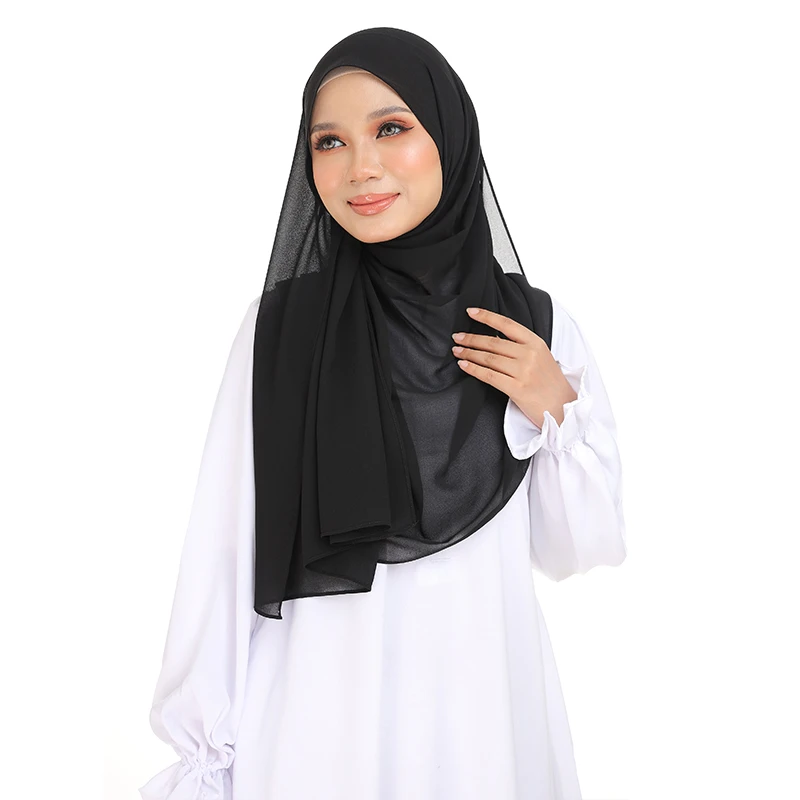
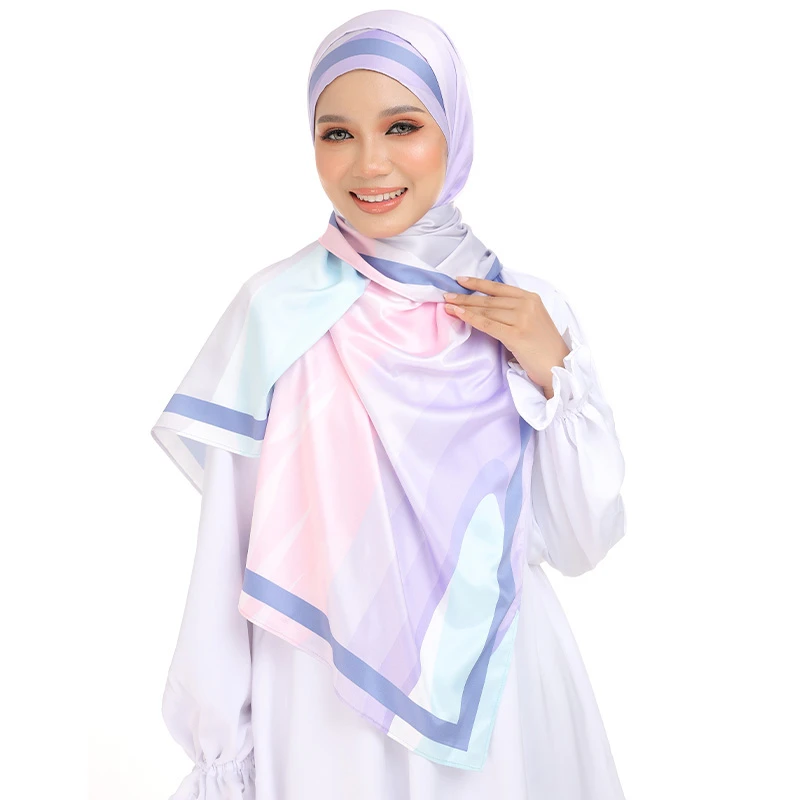
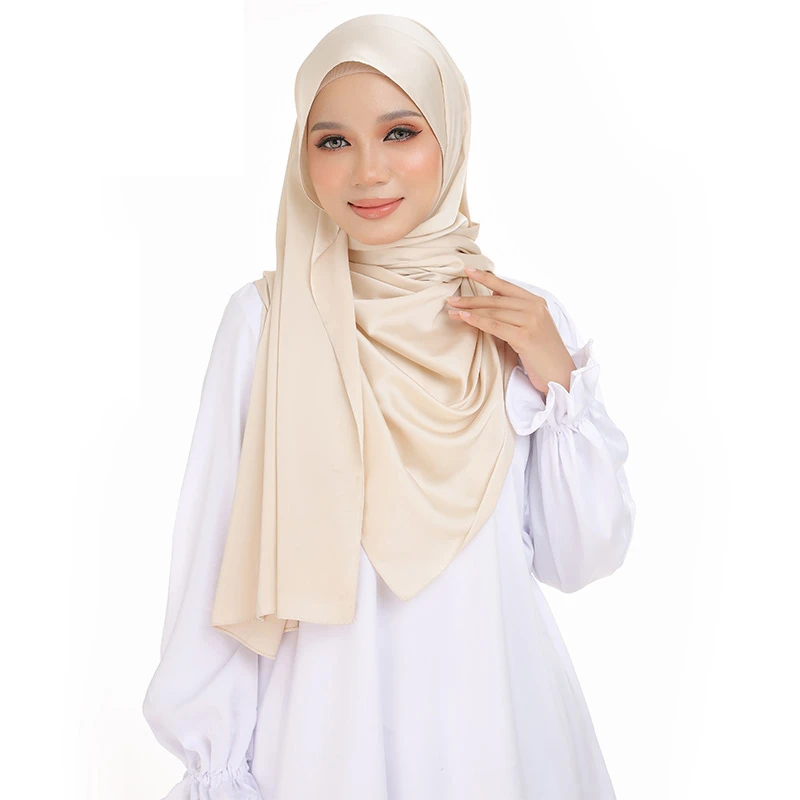
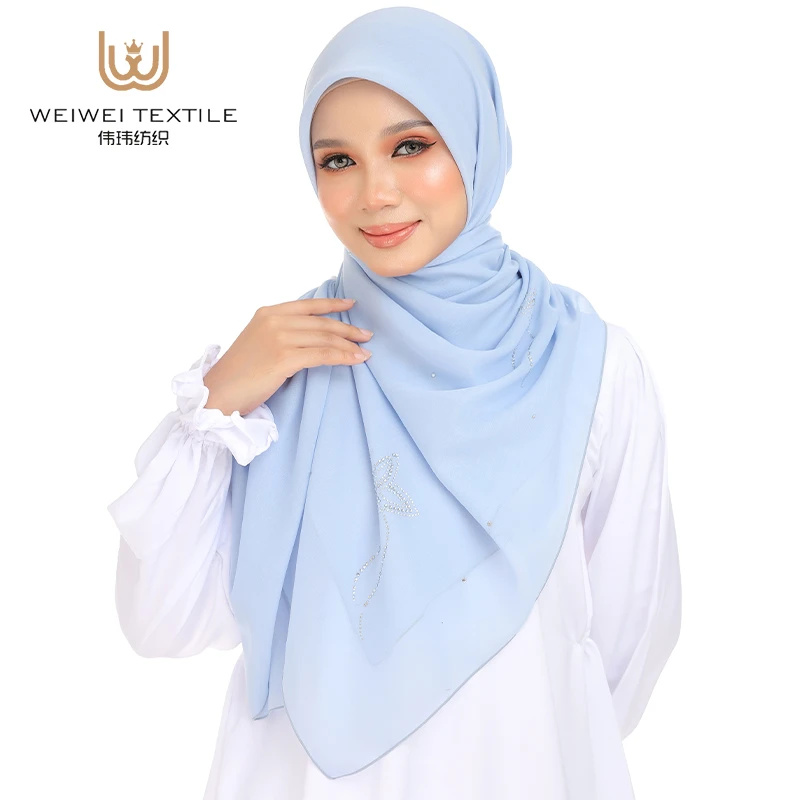
The abaya muslim—a long, flowing outer garment worn by Muslim women across the Middle East—isn’t just a piece of clothing; it’s a symbol of faith, modesty, and cultural identity. Paired with the hijab, it forms a sacred ensemble where the hijab abaya combination honors Islamic teachings while reflecting regional traditions. For Middle Eastern women, the abaya dress with hijab is a daily essential, blending spiritual devotion with personal style—whether adorned with subtle embroidery for Gulf traditions or crafted in lightweight fabrics for North African climates. Xinji Weiwei Textile, a Shijiazhuang-based manufacturer founded in 2004, specializes in complementing this sacred ensemble: with 10,000 square meters of production space, 500 skilled employees, and a daily capacity of 50,000 pieces, the company creates high-quality hijabs (in voile, chiffon, satin) that pair seamlessly with abaya muslim designs. For wholesalers serving Middle Eastern markets, partnering with Xinji Weiwei means accessing hijabs that respect the cultural and spiritual role of the abaya dress with hijab—backed by flexible production (small custom orders to large bulk runs) and strict quality control.
Spiritual Roots of Abaya Muslim and Hijab Abaya
- Faithful Modesty in Abaya Muslim : The abaya muslim is rooted in Islamic teachings of modesty (haya), which call for women to cover their bodies with dignity. Its loose, full-length design ensures complete coverage, allowing women to move freely while upholding their spiritual beliefs. When paired with a hijab as hijab abaya, the ensemble becomes a visible expression of devotion—signaling a commitment to faith without compromising personal identity. Xinji Weiwei’s hijabs, crafted from breathable fabrics like voile and chiffon, are designed to complement abaya muslim styles: their soft drape ensures the hijab stays in place, while neutral or coordinating colors align with the understated elegance of traditional abayas. A wholesaler supplying Saudi Arabia noted that Xinji Weiwei’s hijabs were a top match for local abaya muslim designs, as their quality mirrored the sacred role of the ensemble. Wholesalers can emphasize this, as hijab abaya harmony is key to meeting the spiritual needs of Middle Eastern women.
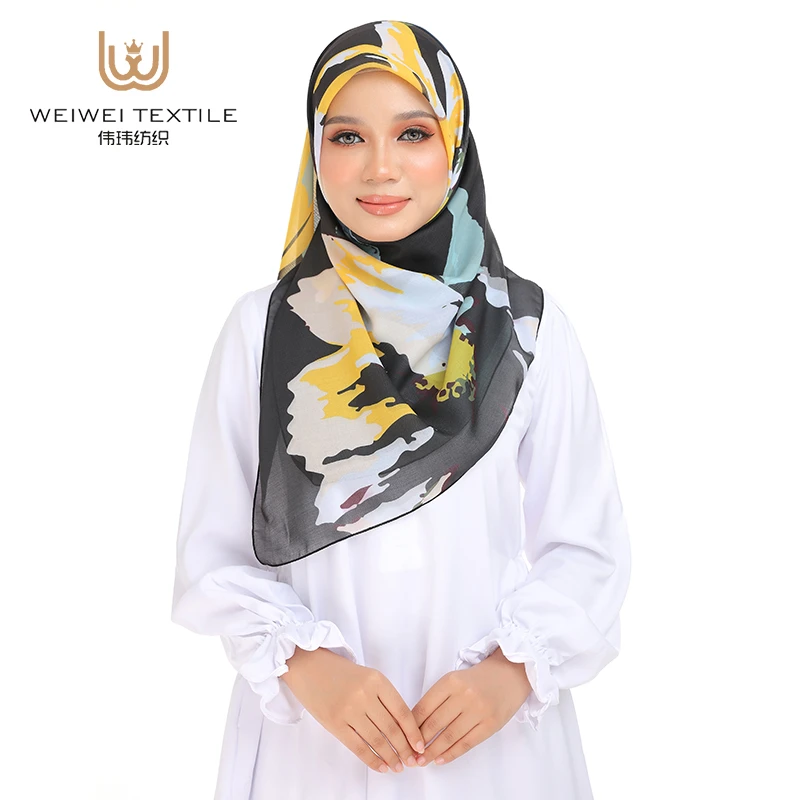
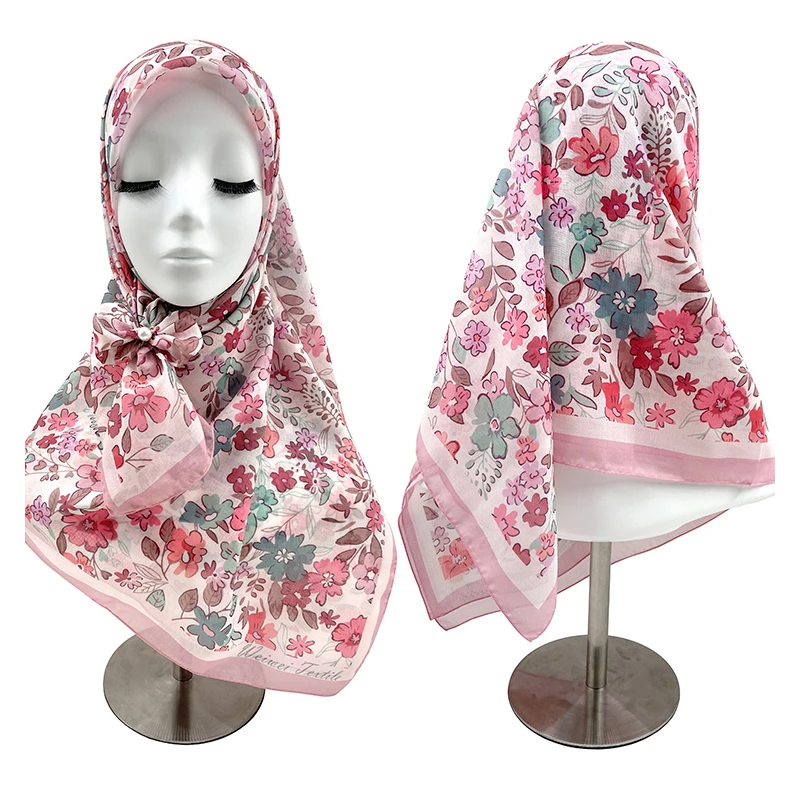
- Cultural Identity in Abaya Dress with Hijab: While the abaya muslim shares spiritual roots across the Middle East, its design varies by region—turning the abaya dress with hijab into a cultural marker. In the UAE and Qatar, abayas often feature intricate gold embroidery or beading, paired with satin hijabs for a luxurious look; in Oman, abayas are crafted in muted earth tones, matched with lightweight voile hijabs suited to desert climates; in Morocco, abayas blend with Berber-inspired patterns, paired with printed chiffon hijabs. Xinji Weiwei’s diverse hijab collection (from plain satin to embroidered voile) caters to these regional nuances, ensuring the abaya dress with hijab feels authentic to local traditions. A wholesaler serving Morocco reported that Xinji Weiwei’s printed chiffon hijabs paired perfectly with Berber-style abayas, with customers praising the “cultural coherence” of the ensemble. Wholesalers can highlight this, as regional adaptability makes abaya dress with hijab more resonant with local buyers.
Types of Abaya Muslim and Complementary Hijabs
|
Abaya Muslim Type |
Regional Cultural Traits |
Ideal Complementary Hijab (Xinji Weiwei) |
Key Features of Hijab Abaya Pairing |
Wholesaler Benefits |
|
Gulf Embroidered Abaya |
UAE/Qatar; Rich fabrics (satin, crepe); Gold/silver embroidery; Floor-length, loose fit |
Satin hijab (matching embroidery tones); soft drape for elegance |
Hijab abaya ensemble exudes luxury; suitable for weddings/Eid |
High demand for festive occasions; premium pricing potential |
|
Omani Desert Abaya |
Oman; Lightweight cotton/linen; Muted colors (beige, olive); Minimalist design |
Voile hijab (breathable, lightweight); neutral tones |
Abaya muslim stays cool in 40°C heat; hijab resists slipping |
Staple item (daily wear); high repeat orders |
|
Moroccan Berber Abaya |
Morocco; Bold patterns (geometric, floral); Cotton blend; Mid-calf length for mobility |
Chiffon hijab (printed with matching Berber motifs); lightweight |
Abaya dress with hijab reflects Amazigh culture; easy to style |
Appeals to cultural enthusiasts; unique design differentiates inventory |
|
Turkish Modest Abaya |
Turkey; Slimmer fit (still modest); Pastel colors (blush, mint); Soft rayon fabric |
Chiffon hijab (pastel solids); flexible drape for versatile styling |
Hijab abaya balances modesty and modernity; suits urban lifestyles |
Caters to younger buyers; trendy yet traditional |
Xinji Weiwei’s Strengths for Abaya Muslim Hijab Supply
- Customization for Regional Abaya Dress with Hijab: Xinji Weiwei understands that abaya dress with hijab styles vary by region—and offers custom hijab designs to match. Whether a wholesaler needs satin hijabs with gold embroidery for Gulf abayas or printed chiffon hijabs for Moroccan styles, the company’s in-house printing/weaving workshops can replicate regional motifs. Small custom orders (500 pieces) let wholesalers test niche markets, while large bulk runs (10,000+ pieces) meet peak demand for Eid/Ramadan. A wholesaler serving the UAE requested custom satin hijabs to pair with embroidered abayas—Xinji Weiwei delivered within 2 weeks, with perfect color matching. Wholesalers can leverage this, as customization makes their hijab abaya inventory stand out.
- Quality Control Aligned with Cultural Respect: Every hijab for abaya muslim use undergoes checks to ensure it meets cultural expectations: no flimsy fabrics that compromise modesty, no garish colors that clash with traditional abayas, and no loose stitching that undermines durability. Xinji Weiwei’s team includes staff familiar with Middle Eastern traditions, ensuring hijabs respect the sacred role of the hijab abaya A wholesaler in Saudi Arabia noted that Xinji Weiwei’s hijabs never had “cultural missteps” (e.g., overly sheer fabric), unlike generic suppliers. Wholesalers can trust this, as cultural respect protects their reputation in local markets.
Abaya Muslim FAQS
Can Xinji Weiwei Supply Hijabs to Match Specific Abaya Muslim Styles?
Yes—Xinji Weiwei offers custom hijabs tailored to abaya muslim styles, whether you need satin hijabs for Gulf embroidered abayas, voile hijabs for Omani desert abayas, or printed chiffon hijabs for Moroccan Berber abayas. The company’s in-house design team can match fabric, color, and even small motifs to ensure the hijab abaya pair feels cohesive. A wholesaler serving Qatar requested hijabs with subtle gold threading to match local abayas—Xinji Weiwei delivered samples within 5 days, with exact alignment. Wholesalers can rest assured that custom options will complement their abaya muslim inventory perfectly.
Are Xinji Weiwei’s Hijabs Suitable for Daily Abaya Dress with Hijab Wear?
Absolutely—Xinji Weiwei’s hijabs are designed specifically for daily abaya dress with hijab use. Fabrics like voile (breathable) and chiffon (lightweight) keep women comfortable in hot Middle Eastern climates, while secure stitching ensures hijabs stay in place without constant adjusting. A wholesaler in Bahrain reported that 90% of customers used Xinji Weiwei’s hijabs daily with their abaya muslim, citing “all-day comfort” and “no slipping.” These hijabs are built to handle the demands of daily wear, making them a reliable choice for wholesalers.
Does Xinji Weiwei Accept Small Orders for Hijab Abaya Pairs?
Yes—Xinji Weiwei accepts small custom orders (starting at 500 pieces) for hijabs to pair with abaya muslim, making it easy for wholesalers to test new regional markets or cater to boutique clients. For example, a wholesaler wanted to trial 800 voile hijabs for Omani abayas—Xinji Weiwei fulfilled the order in 1 week, with the same quality as large bulk runs. The company also offers flexible payment terms for small orders, supporting wholesalers’ inventory needs without heavy upfront costs.
How Do Xinji Weiwei’s Hijabs Complement Different Abaya Muslim Fabrics?
Xinji Weiwei’s hijabs are curated to pair with common abaya muslim fabrics: satin hijabs match the luxury of Gulf abayas (satin/crepe), voile hijabs balance the lightweight feel of Omani cotton abayas, and chiffon hijabs complement the soft rayon of Turkish abayas. The company’s fabric team tests pairings for texture and drape, ensuring the hijab abaya ensemble feels intentional. A wholesaler in Turkey noted that Xinji Weiwei’s chiffon hijabs “flowed perfectly” with rayon abayas, creating a cohesive look that customers loved.
Are Xinji Weiwei’s Hijabs Durable Enough for Frequent Abaya Muslim Use?
Yes—Xinji Weiwei’s hijabs are built for durability, with colorfastness (no fading), strong stitching (no fraying), and fabric strength (resists tearing) that lasts through months of daily abaya muslim wear. The company’s quality control system includes 3-layer checks (fabric, stitching, finish) to ensure longevity. A wholesaler in Saudi Arabia reported that customers returned to repurchase Xinji Weiwei’s hijabs after 6+ months, as they “still looked new” even with daily use. For wholesalers, durable hijabs mean fewer returns and happier clients.
-
Xinji Weiwei Textile Factory to Exhibit at the 139th Canton Fair
NewsApr.15,2026
-
Abaya Robe: Tradition, Elegance, and Daily Cultural Expression
NewsApr.15,2026
-
Satin Scarves and Hijabs: A Reflection of Tradition, Elegance, and Daily Practice
NewsApr.15,2026
-
Chiffon Scarf Hijab: A Blend of Tradition, Style, and Everyday Practice
NewsApr.15,2026
-
Exploring Hijab Fashion in Malaysia: Tradition, Style, and Daily Cultural Practice
NewsApr.15,2026
-
The Cultural Significance and Style of Voile Scarves and Shawls in Daily Muslim Wear
NewsApr.15,2026