Oct . 19, 2026 09:59 Back to list
Satin Silk Scarves and Shawls for Muslim Women: Elegant Head Coverings for Everyday Wear
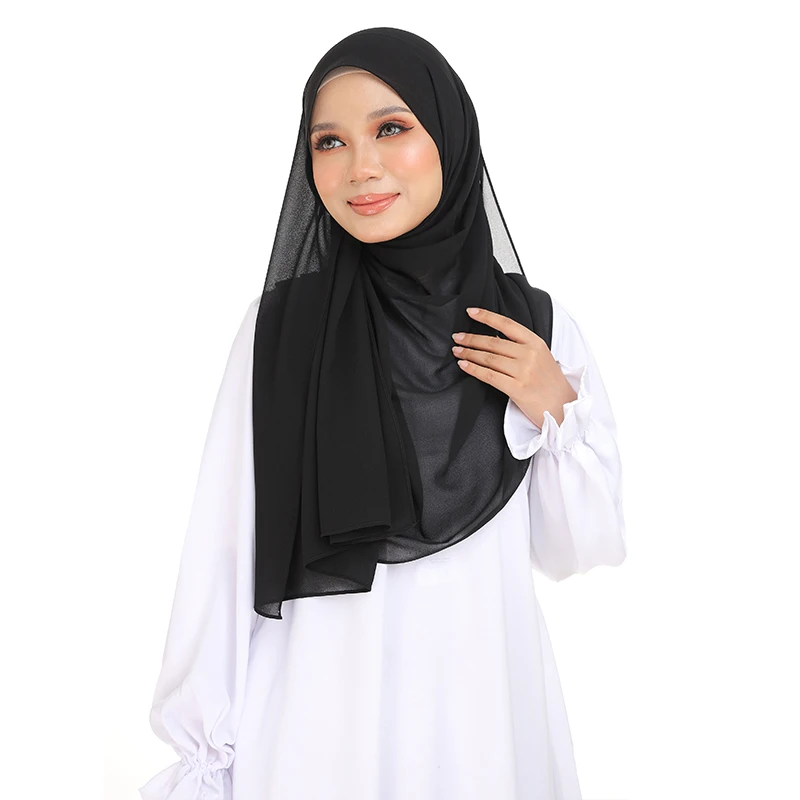
Satin silk scarves and shawls are popular accessories for Muslim women who wear hijab as part of their religious beliefs, cultural traditions, and everyday lifestyle. Combining a smooth texture, graceful drape, and versatile designs, these scarves offer an elegant way to cover the hair while complementing modest clothing. Whether worn for daily activities, work, shopping, family gatherings, or religious occasions, a carefully selected headscarf can provide a sophisticated appearance while reflecting individual style and cultural identity.
For many Muslim women, wearing a headscarf is more than a fashion choice. It can represent faith, modesty, personal identity, and a connection to cultural traditions. Choosing the right scarf involves considering fabric quality, size, color, opacity, and comfort. Satin and silk scarves are appreciated for their smooth surfaces and flowing appearance, making them suitable for creating elegant folds around the head and shoulders. Depending on the material and construction, they can be styled in different ways to complement a variety of modest outfits.
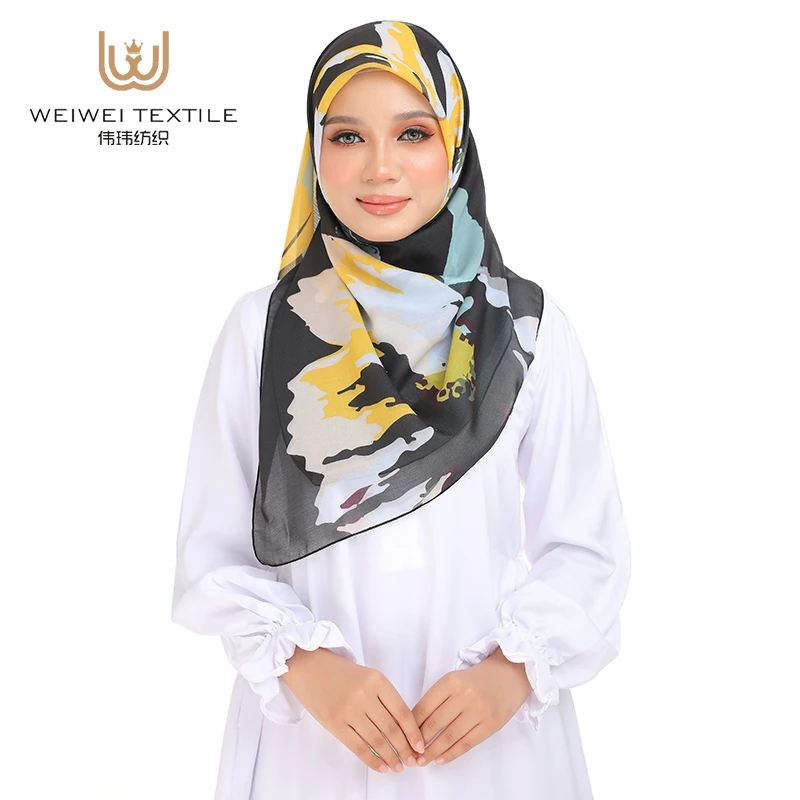
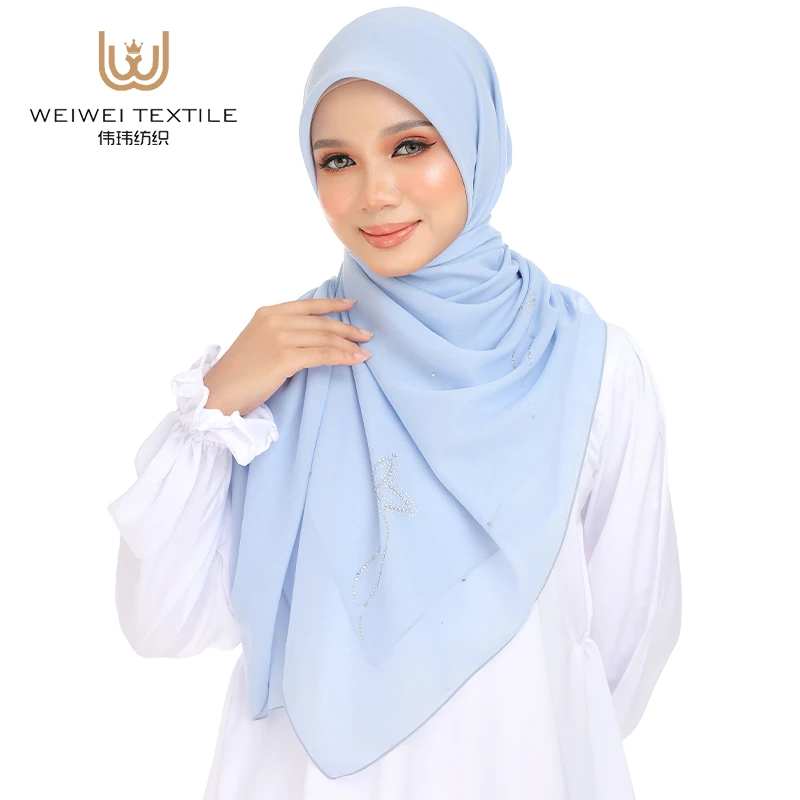
Today's market offers a wide range of options, from classic solid colors to colorful patterns and decorative prints. A scarf satin silk design can provide a polished finishing touch to everyday clothing, while a multicolor silk scarf introduces variety into a hijab collection. For women who enjoy distinctive colors, an orange satin head scarf or a satin scarf red design can create a more noticeable accent. With the right size and wrapping technique, these scarves can combine traditional head covering with contemporary modest fashion.

Why Choose Satin Silk Scarves for Everyday Hijab Styling?
Comfort, versatility, and appearance are important considerations when choosing a daily hijab. Satin and silk scarves are often selected for their smooth texture and elegant draping qualities. Silk is a natural fiber, while satin refers to a weave that creates a smooth, lustrous surface. Satin scarves may be made from silk, polyester, or other fibers, so buyers should check the material composition before purchasing.
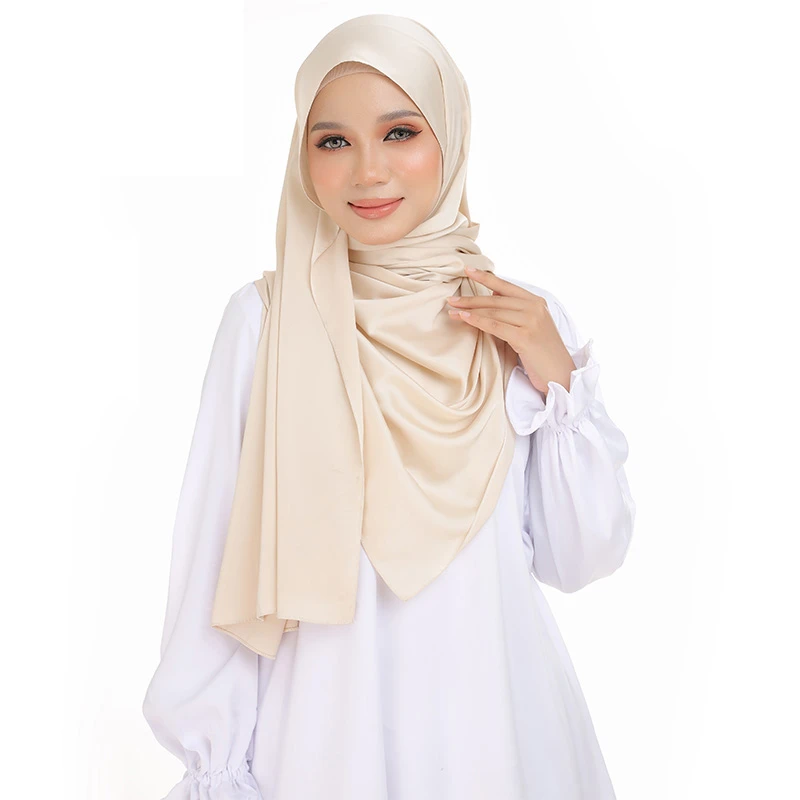
A scarf satin silk style can create a refined appearance without requiring complicated accessories. Its smooth surface allows the fabric to form soft folds around the face and shoulders, making it suitable for both simple and more elaborate wrapping styles. Depending on the scarf's dimensions, women can arrange it closely around the head or allow additional fabric to fall gracefully over the shoulders. Since some satin fabrics can be slippery, an underscarf or suitable hijab magnets may help keep the scarf secure throughout the day.
For women who prefer traditional head coverings with a contemporary appearance, a shawl silk satin design offers additional styling flexibility. A shawl generally provides more fabric for draping across the shoulders or arranging around the head and neck, although the exact coverage depends on its size. This makes it suitable for women who enjoy experimenting with different hijab styles while maintaining their preferred level of modesty.
Fabric weight and opacity should also be considered. Lightweight satin and silk fabrics may feel comfortable for extended wear, but some designs can be slightly transparent. Women who require fuller coverage may prefer a denser fabric, an underscarf, or an additional layer. Selecting a scarf with suitable dimensions can make everyday styling easier and help ensure that the head covering meets individual religious and personal preferences.
Another advantage of satin and silk scarves is their versatility across different occasions. A simple solid-color scarf can complement everyday abayas, tunics, long dresses, and modest office clothing. Patterned scarves can add visual interest to plain outfits, while more elaborate designs may suit celebrations and formal gatherings. By choosing several colors and styles, Muslim women can create a practical scarf collection that coordinates with different pieces in their wardrobes.
For retailers, importers, and wholesalers serving the modest fashion market, satin and silk headscarves offer a versatile product category. Providing different sizes, fabric compositions, colors, and patterns allows businesses to meet the preferences of customers with different styling needs.
Colorful and Printed Satin Silk Scarves for Muslim Women
Color and pattern are important elements of hijab styling. Some women prefer understated neutral colors for everyday wear, while others choose bright shades and decorative prints to express their personal style. Satin and silk scarves offer numerous possibilities for coordinating head coverings with modest clothing.
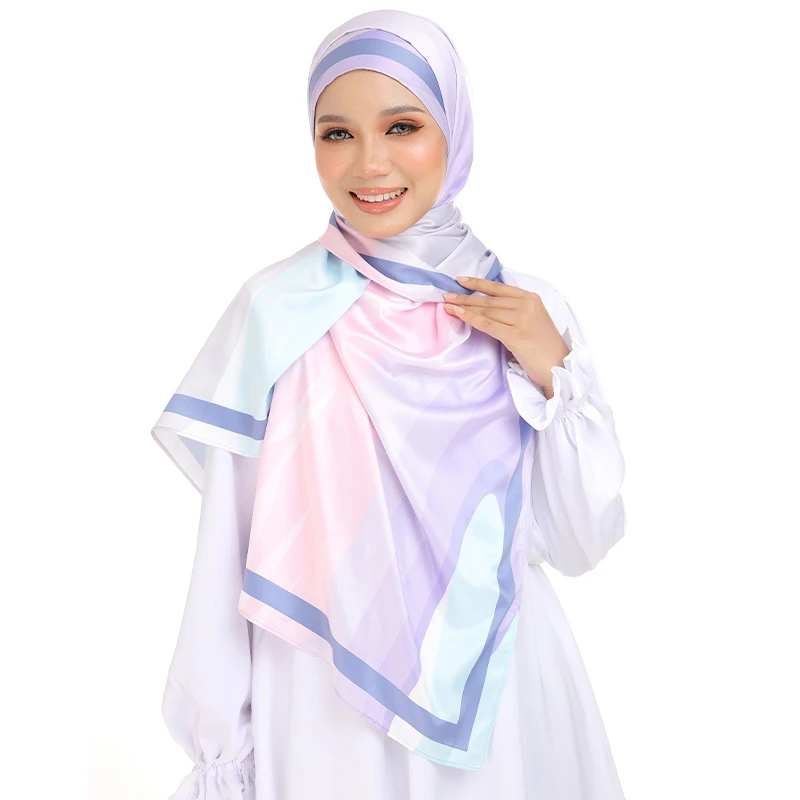
A multicolor silk scarf is an attractive option for women who want more variety in their wardrobes. Combining several colors in one design makes it easier to coordinate the scarf with different outfits, particularly when the pattern includes shades already found in the wearer's clothing. Multicolor scarves can complement plain abayas, long dresses, and coordinated modest sets, adding visual interest without requiring additional accessories.
For women who enjoy warm, vibrant shades, an orange satin head scarf can create a distinctive appearance. Orange can be paired with cream, beige, brown, black, or other complementary colors to create different outfit combinations. Softer orange shades may suit everyday styling, while deeper or brighter tones can provide a striking accent for social gatherings and special occasions. When selecting an orange scarf, buyers should consider the fabric's opacity and how its color appears under natural and indoor lighting.
A satin scarf red design offers another expressive option. Red can bring a rich, confident touch to modest outfits and can be coordinated with black, white, cream, navy, or other complementary colors. Depending on the shade, a red satin scarf can create either a classic appearance or a bold statement. It may be worn for family celebrations, festive gatherings, or everyday occasions when the wearer wants to introduce more color into her wardrobe.
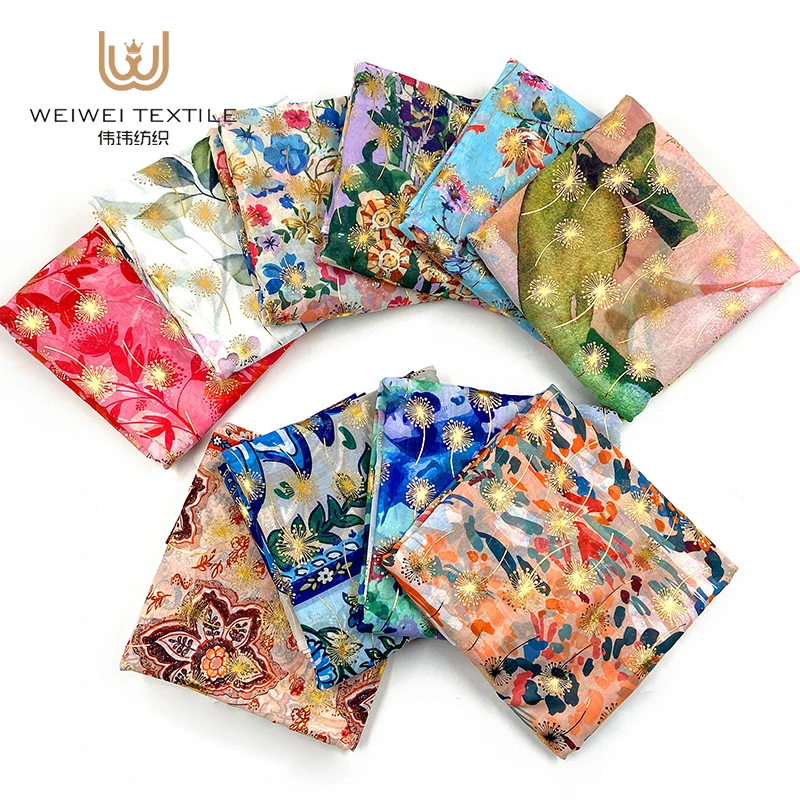
Printed designs are also popular because they combine decorative patterns with the smooth appearance of satin. A paisley satin scarf features a distinctive ornamental pattern that can add a traditional and artistic touch to hijab styling. Paisley motifs often incorporate curved shapes and intricate details, creating visual depth without relying on a single solid color. Such scarves can complement plain abayas and simple dresses, allowing the pattern to become the main feature of an outfit.
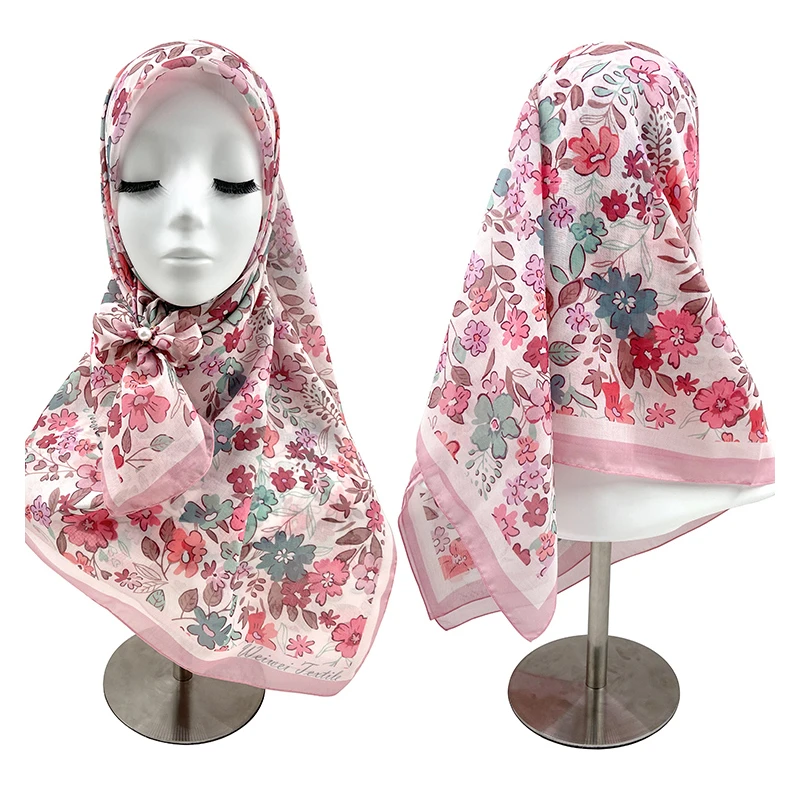
A printed satin silk shawl provides additional possibilities for women who prefer decorative accessories with generous draping fabric. Floral motifs, geometric designs, paisley patterns, and abstract prints can all create different appearances. Depending on the shawl's size, it may be wrapped around the head, arranged over the shoulders, or incorporated into a coordinated modest outfit. Women who wear it as a hijab should select a design that offers adequate coverage for their individual needs.
For a softer and more delicate look, a pink satin hair scarf can introduce a gentle touch of color. Pink works well with white, cream, beige, grey, and many pastel shades. Although the term hair scarf can refer to accessories used only to tie or decorate the hair, larger versions can also be selected for hijab styling when their dimensions provide sufficient coverage. Muslim women seeking a full head covering should check the product measurements rather than relying on the product name alone.
A rectangle satin scarf is another versatile option for daily headwear. Its elongated shape allows different wrapping techniques and provides flexibility for arranging fabric around the head and shoulders. Depending on its width and length, a rectangular scarf may be easier to style for women who prefer a flowing, layered appearance. Offering rectangular scarves in solid colors and printed designs gives customers more freedom to choose products that suit their personal preferences.
How to Choose and Care for Quality Satin Silk Headscarves
Selecting a suitable satin or silk headscarf involves more than choosing an attractive color. Buyers should evaluate material composition, size, opacity, stitching, and care requirements to ensure that the scarf meets their needs for everyday wear.
First, check the fabric specifications. Genuine silk satin is made from silk fibers using a satin weave, while polyester satin is produced from synthetic fibers. Both can have a smooth, lustrous surface, but they may differ in texture, breathability, durability, and maintenance. Clear product descriptions help customers understand the differences and select an option that suits their preferences and budget.
Second, consider the scarf's dimensions and coverage. A large shawl or rectangular scarf may provide more material for wrapping and draping than a small square accessory. Women who wear hijab should select a size that allows them to cover their hair and neck according to their personal religious practices. Lighter colors and thin fabrics may be more transparent, so an underscarf or an additional layer may be necessary.
Third, examine the finishing details. Neatly finished edges, consistent colors, and well-defined printed patterns contribute to the overall quality of the product. For patterned designs such as a paisley scarf, buyers may also want to check the clarity of the print and whether the pattern is consistent across the fabric. Reliable construction is particularly important for scarves intended for frequent use.
Proper care helps preserve the appearance of satin and silk scarves. Always follow the manufacturer's washing instructions, as silk and polyester fabrics may require different treatments. Delicate silk products may need handwashing or professional cleaning, while some polyester satin scarves can be machine-washed on a gentle cycle if the care label allows it. Avoid harsh detergents, rough handling, and excessive heat, which can damage delicate fibers or affect the fabric's finish.
When ironing is permitted, use a suitable low temperature and test an inconspicuous area first. Store scarves in a clean, dry place, either folded neatly or hung carefully to reduce creases. Keeping different colors and patterns organized can also make it easier to coordinate scarves with everyday clothing.
For wholesalers and modest fashion retailers, a well-planned collection should combine classic designs with colorful and printed options. Products such as a multicolor silk scarf, an orange satin head scarf, a paisley satin scarf, and a printed satin silk shawl can appeal to different customer preferences. Consistent sizing, accurate material descriptions, clear product photography, and reliable finishing help buyers make informed purchasing decisions.
In conclusion, satin and silk scarves offer Muslim women versatile options for everyday hijab styling while reflecting faith, modesty, cultural traditions, and personal taste. From the elegant drape of a shawl silk satin design to the distinctive appearance of a satin scarf red, each style offers different ways to coordinate a head covering with modest clothing. A pink satin hair scarf may suit softer styling preferences, while a rectangle satin scarf offers flexibility for different wrapping techniques. With suitable fabric quality, appropriate coverage, and proper care, satin and silk headscarves can become practical and elegant additions to a Muslim woman's wardrobe.
-
Weiwei Textile Factory's 25th Anniversary!🔥
NewsAug.05,2027
-
Xinji Weiwei Textile Factory to Exhibit at the 139th Canton Fair
NewsApr.15,2026
-
Xinji Weiwei Textile Factory Showcases Sudanese Toub and Muslim Scarves at the 140th Canton Fair
NewsNov.02,2026
-
Arabic Men’ scarf Red Yashmagh Shemagh: Checks for Wholesale Buyers
NewsNov.02,2026
-
Ethnic Beautiful Drill Plain Square Scarf For Women vs. Square Hijab Plain Dyed Chiffon Scarf
NewsOct.31,2026
-
Malaysian Hijab Styles: Elegant and Comfortable Headscarves for Muslim Women
NewsOct.19,2026