Dec . 02, 2025 04:55 Back to list
Red Bandana Scarf: History, Uses & Advantages in Global Context
Unlocking the Versatility of the Red Bandana Scarf: Style Meets Practicality
There’s something timeless about the red bandana scarf. For centuries, this classic piece of cloth has danced between utilitarian necessity and bold fashion statement, wielding a quiet power worldwide. You might wonder, why does it still matter today across industries and cultures? Well, beyond just looking good, the red bandana scarf offers surprising benefits — from protection and identity to humanitarian utility — making it a globally relevant accessory.
The Global Relevance of the Red Bandana Scarf
Oddly enough, the simple red bandana scarf features in countless spheres — from agriculture workers shielding their faces from dust in Central Asia, to festival goers in Europe embracing retro style, or even emergency responders needing quick makeshift first aid.
According to the International Organization for Standardization (ISO), textiles that blend durability, breathability, and ease of cleaning are critical in meeting safety and sustainability targets worldwide. The red bandana scarf ticks many of these boxes, making it especially effective in harsh environmental settings.
Yet, a key challenge remains: balancing affordability and durability without sacrificing comfort, especially in regions prone to harsh climates or emergencies.
What Is a Red Bandana Scarf?
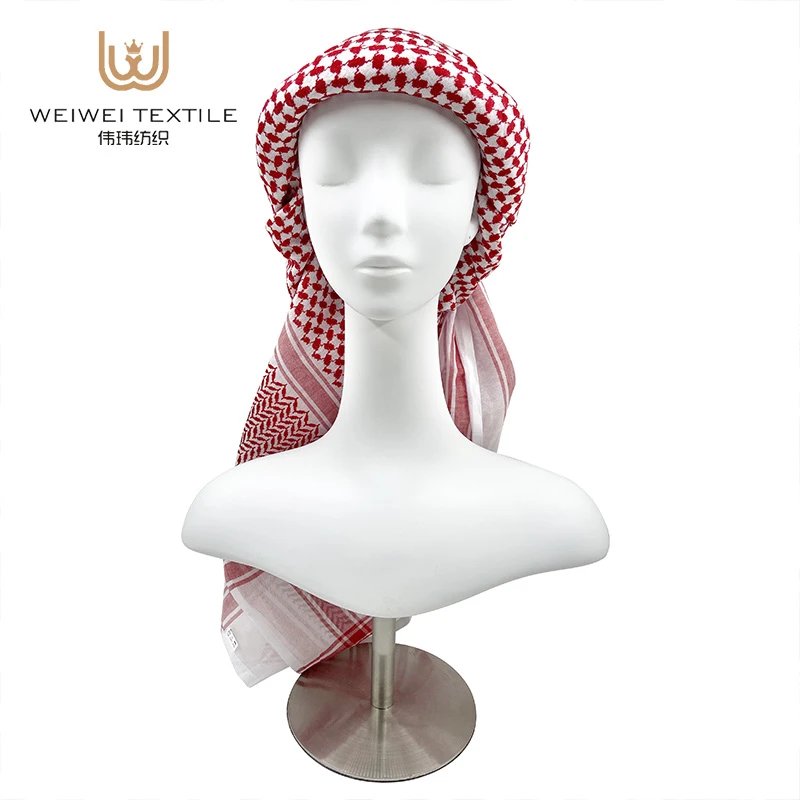
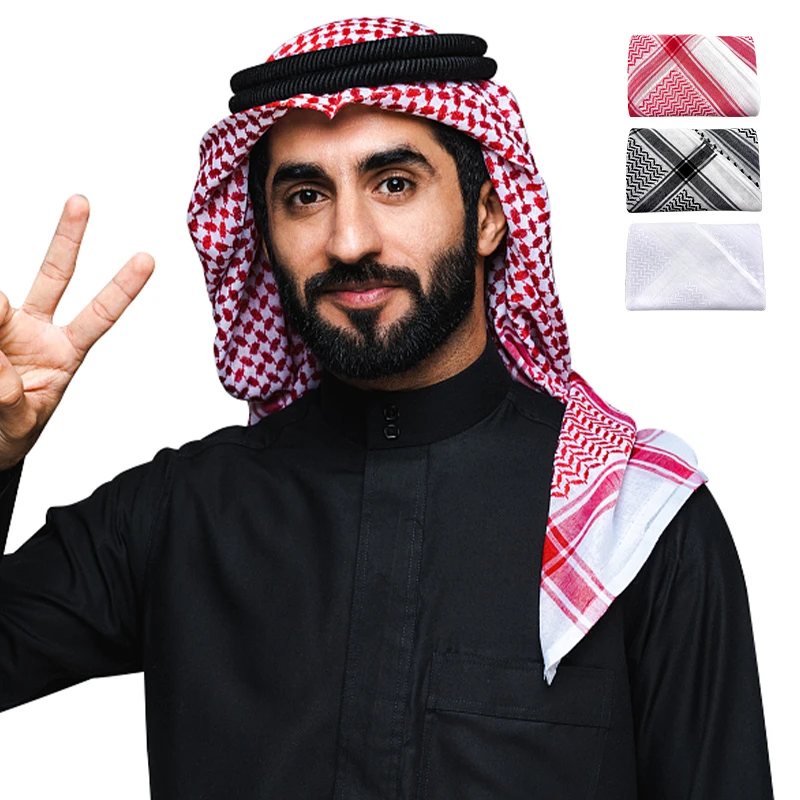
Simply put, the red bandana scarf is a versatile, square piece of fabric — usually cotton or a cotton blend — dyed vibrant red with white paisley or geometric patterns. Its lightweight nature allows it to serve many purposes: as a head covering, face mask, neckerchief, or even a tool for signaling.
In modern humanitarian and industrial applications, it’s appreciated for its multipurpose utility — a form of immediate personal protective equipment (PPE) that’s affordable, reusable, and easily transportable.
Core Components That Define Its Utility
1. Material Durability
Most red bandana scarves use 100% cotton, prized for breathability and softness. Some newer blends with polyester add wrinkle resistance and quick drying, ideal for outdoor workers or disaster relief teams.
2. Size and Shape
The classic 22"x22" square is big enough for multiple uses, whether tied around the head or fashioned as a face cover.
3. Design & Visibility
The bold red color serves dual purposes: fashion and visibility—critical when workers or volunteers need to be spotted quickly in emergency zones.
4. Cost Efficiency
Thanks to simple manufacturing processes, red bandana scarves are extremely affordable, allowing mass distribution without heavy financial burden.
5. Environmental Impact
Natural fibers and ease of washing make these scarves sustainable compared to single-use PPE alternatives.
Global Applications: Who Uses Red Bandana Scarves and How?
- Post-disaster Relief: NGOs hand out red bandana scarves as makeshift masks or bandages during emergencies.
- Industrial Zones: Construction workers use them to block dust and debris.
- Fashion & Identity: Subcultures across continents adopt them to express allegiance or style.
- Outdoor Enthusiasts: Hikers and campers wear red bandanas for sun protection and first aid uses.
For example, in remote mining communities in South America, the red bandana scarf is a staple for respiratory and sun protection — minimizing occupational hazards.
Mini Takeaway:
The red bandana scarf is a deceptively simple tool bridging practical safety and cultural expression — found in both urban streets and rural fields worldwide.
Advantages and Long-Term Value of Red Bandana Scarves
When you think about the long-term benefits, the red bandana scarf delivers across multiple dimensions:
- Cost Savings: Durable and reusable, it reduces the need for disposable masks or filters.
- Sustainability: Often made from organic or blended fibers that are easy to clean and maintain.
- Social Impact: Affordable for NGOs and governments to distribute at scale.
- Safety & Dignity: Provides personal protection without the stigma sometimes associated with medical PPE.
- Innovation: Modern designs sometimes incorporate antimicrobial treatments or natural dyes.
Product Specification Snapshot
| Feature | Specification |
|---|---|
| Material | 100% Cotton or Cotton-Polyester Blend |
| Dimensions | 22 inches x 22 inches (56 cm x 56 cm) |
| Weight | 40-45 grams |
| Color Pattern | Red base with white paisley or geometric design |
| Care | Machine washable; tumble dry low |
Vendor Comparison: Choosing the Right Red Bandana Scarf Supplier
| Vendor | Material Quality | Price per Unit | Customization | Lead Time |
|---|---|---|---|---|
| RedScarf Co. | High (100% Organic Cotton) | $1.50 | Logo printing available | 2 Weeks |
| Bandana World | Medium (Cotton-Poly Blend) | $1.10 | Custom colors | 1 Week |
| EcoScarves Ltd. | High (Recycled Cotton) | $1.75 | Eco-friendly packaging | 3 Weeks |
Emerging Trends and Innovations
In recent years, manufacturers have introduced antimicrobial fabrics and natural plant-based dyes, which aligns well with the global push for sustainability espoused by the United Nations Sustainable Development Goals.
Digital printing technology also makes it increasingly cost-effective to mass-produce customized designs, encouraging both NGOs and brands to use red bandana scarves as campaign tools or identifiers.
Common Challenges and How to Address Them
Despite their benefits, red bandana scarves occasionally face criticism for limited protective efficacy against fine particulate matter compared to purpose-built PPE masks. To counter this, many organizations recommend layering scarves with filter inserts or integrating them with other protective gear.
Another challenge is quality inconsistency due to varied suppliers. Experts advise rigorous supplier vetting and specifying material certifications when procuring at scale.
Frequently Asked Questions About Red Bandana Scarves
- Q: Can red bandana scarves be considered effective PPE in industrial sites?
A: While not designed to replace certified masks, red bandana scarves provide useful barrier protection from dust and sun in many low-risk environments. Combining them with additional PPE is recommended for hazardous sites. - Q: How do I care for my red bandana scarf to maintain durability?
A: Most red bandana scarves are machine washable with mild detergent. Avoid bleach to preserve vibrant colors. Tumble dry on low heat or air dry for best longevity. - Q: Are red bandana scarves eco-friendly?
A: Many are made from natural fibers like cotton, which biodegrade easily. Some vendors now offer organic or recycled cotton options, reducing environmental impact further. - Q: Can I customize a red bandana scarf for my organization?
A: Absolutely! Many suppliers offer customization, including logo printing and alternative colorways. This helps build brand identity or unify teams during events. - Q: Is the red color significant?
A: Traditionally, red symbolizes strength and visibility, which is why it has persisted as a popular bandana color worldwide.
Conclusion: The Enduring Value of the Red Bandana Scarf
In real terms, the humble red bandana scarf continues to weave through generations, industries, and cultures. Its blend of affordability, durability, and utility makes it invaluable — whether you wear it for fashion, safety, or solidarity.
As demands on materials grow tougher, this classic accessory evolves alongside. For anyone seeking a practical, versatile, and iconic textile, the red bandana scarf is more than just a scarf — it’s a statement, a tool, and sometimes a lifeline.
Explore our offerings and see how you can embrace this tradition at wwscarf.com.
It’s interesting to reflect on how something so simple holds so much meaning globally. I suppose sometimes the smallest things carry the greatest stories.
References
-
Xinji Weiwei Textile Factory to Exhibit at the 139th Canton Fair
NewsApr.15,2026
-
Abaya Robe: Tradition, Elegance, and Daily Cultural Expression
NewsApr.15,2026
-
Satin Scarves and Hijabs: A Reflection of Tradition, Elegance, and Daily Practice
NewsApr.15,2026
-
Chiffon Scarf Hijab: A Blend of Tradition, Style, and Everyday Practice
NewsApr.15,2026
-
Exploring Hijab Fashion in Malaysia: Tradition, Style, and Daily Cultural Practice
NewsApr.15,2026
-
The Cultural Significance and Style of Voile Scarves and Shawls in Daily Muslim Wear
NewsApr.15,2026