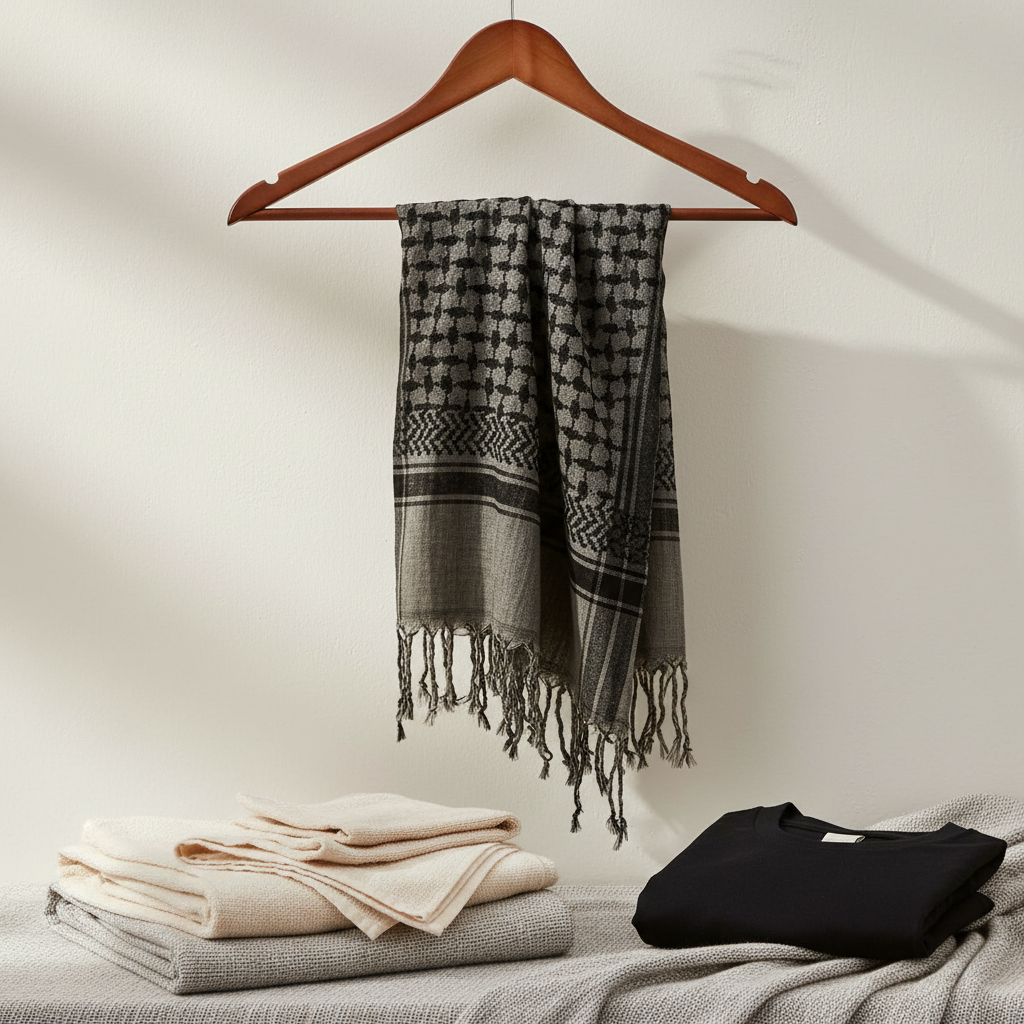
Custom scarf printing is the specialized process of applying unique designs, logos, and cultural patterns onto various textile fabrics through advanced printing techniques. This service allows individuals and businesses to transform a simple accessory into a personalized statement of identity, faith, or branding, utilizing a range of materials from breathable cotton voile to luxurious silk satin.
For many, particularly in Islamic and various African or Asian cultures, the scarf is more than just a fashion choice; it is a symbol of religious adherence and tradition. The challenge for modern procurement lies in finding a balance between authentic cultural requirements, high-quality fabric feel, and the precision of digital printing to ensure designs remain vivid and durable across different climates.
This guide explores the technical aspects of custom scarf printing, comparing different fabric options and printing methods. Whether you are a brand owner seeking OEM services or a cultural organization requiring bulk customized hijabs, this analysis will provide the necessary criteria for selecting the right materials and printing partners to achieve professional results.

1Fundamentals of Custom Scarf Printing

At its core, custom scarf printing involves the fusion of textile science and graphic design. By utilizing digital printing technology, complex patterns can be rendered with high precision on fabrics like chiffon or voile. This process is essential for creating products that meet specific regional tastes, such as those found in the Middle East, Africa, and Southeast Asia, where modesty and style must coexist.
The technical success of a printed scarf depends on the ink's penetration into the fibers. For breathable fabrics like cotton voile, the ink must bond securely without stiffening the material, ensuring that the wearer maintains comfort during all seasons.
Moreover, the dimensions play a critical role in usability. A standard 110cm x 110cm square cut is widely adopted for hijabs, providing sufficient coverage while remaining easy to drape and fold into various traditional styles.
2Fabric Selection and Material Performance
Selecting the right substrate is the most critical decision in custom scarf printing. Each fabric reacts differently to dyes and affects the final drape of the garment. Chiffon is prized for its sheer, airy quality, while cotton voile offers a more structured yet breathable experience, ideal for warm climates.
Silk satin is typically reserved for formal occasions due to its high sheen and smooth texture. However, it requires more careful printing settings to avoid bleeding, as the tight weave of satin can resist certain ink types compared to the open weave of voile.
For daily wear, a blend of polyester chiffon is often recommended for its resistance to wrinkles and ease of maintenance, making it a practical choice for bulk wholesale orders intended for global export.
3Cultural Application and Regional Styling
Custom scarf printing must account for the diverse ethnic regions it serves. In the Middle East and Africa, the hijab is not only a religious requirement but a canvas for cultural expression. Digital printing allows for the integration of region-specific motifs, from geometric Islamic patterns to bold African-inspired prints.
Different regions prefer different draping styles, which in turn influence the print placement. A square scarf folded into a triangle requires the design to be balanced diagonally to ensure that the patterns are visible regardless of how the scarf is wrapped around the head or neck.
By providing OEM support, manufacturers can help clients create "collection-based" designs that align with specific seasonal festivals or ethnic celebrations, enhancing the personal and emotional value of the accessory.
4Digital Printing vs. Traditional Methods
The shift toward digital printing in the textile industry has revolutionized custom scarf printing. Unlike screen printing, which requires a separate screen for every color, digital printing functions like an inkjet printer for fabric, allowing for high-definition photographic images and complex gradients.
This transition significantly reduces the Minimum Order Quantity (MOQ), enabling smaller brands to enter the market with unique designs without the burden of massive inventory. The turnaround time is also drastically shortened, facilitating a "fast-fashion" approach to cultural wear.
custom scarf printing Performance Metrics
While traditional methods may still hold an advantage in extremely large-scale monochromatic runs, the versatility and precision of digital techniques make them the superior choice for the highly customizable nature of modern hijabs and fashion scarves.
5Procurement and OEM Customization Workflow
For businesses seeking a reliable supply chain, the OEM process for custom scarf printing typically begins with a design consultation. This involves selecting the fabric—such as chiffon, satin, or voile—and defining the printing specifications to ensure color consistency across the entire batch.
A professional production line, such as those found in specialized textile hubs like Xinji, integrates weaving, printing, and finished processing. This vertical integration ensures that quality control is maintained from the raw yarn to the final stitched edge of the scarf.
Final steps include rigorous quality inspection and specialized packaging. For international exports, ensuring the fabric meets the modesty and quality standards of the target region (e.g., Middle Eastern or African markets) is paramount for market acceptance.
6Design Trends in Modern Hijab Printing
Current trends in custom scarf printing are moving toward a blend of minimalist aesthetics and bold artistic expressions. Abstract art and geometric shapes are gaining popularity among younger consumers in urban centers across Asia and Africa, moving away from traditional floral motifs.
Another growing trend is the "hybrid design," where a single scarf features a contrasting print on the reverse side or a specialized border print. This adds versatility to the garment, allowing the wearer to change the look of their hijab by simply flipping the fabric.
Digital tools now allow for "on-demand" design, where customers can upload their own patterns, leading to a rise in highly personalized, one-of-a-kind pieces that reflect individual heritage and personality.
7Comparison of Popular Scarf Types
Choosing the right scarf type requires an understanding of the trade-offs between luxury, durability, and breathability. The following table provides a decision-making framework for procurement teams and designers based on common custom scarf printing options.
Each material offers a distinct value proposition. While silk is unmatched in elegance for formal wear, cotton voile is the undisputed leader for daily comfort in hot climates, and synthetic chiffon provides the best balance of cost and visual appeal.
| Material Type | Primary Benefit | Best Use Case | Printing Suitability |
|---|---|---|---|
| Cotton Voile | Breathable & Light | Daily Hijab / Hot Weather | High (Matte Finish) |
| Pure Silk | Luxurious Sheen | Formal / Wedding Events | Medium (Requires Care) |
| Chiffon | Elegant Drape | Fashion / Evening Wear | Very High (Vivid) |
| Satin | Smooth Texture | Premium Accessories | High (Glossy) |
| Polyester Blend | Durable & Cheap | Mass Wholesale / Promo | Very High (Fast) |
| Synthetic Voile | Wrinkle Resistant | Travel / Active Wear | High (Consistent) |
Ultimately, the selection should be guided by the end-user's environment and the intended occasion. For a diverse global market, offering a range of these materials through a single OEM partner ensures comprehensive coverage of customer needs.
Frequently Asked Questions
Conclusion
Custom scarf printing is a powerful tool for blending cultural heritage with modern fashion. By carefully selecting the right fabric—whether the breathability of voile, the elegance of chiffon, or the luxury of silk—and utilizing high-precision digital printing, brands can create products that truly resonate with their target audience. The key to success lies in balancing design flexibility with material performance and regional appropriateness.
For those looking to implement a custom scarf line or procure high-quality hijabs for global markets, focusing on a vertically integrated supplier ensures consistency and quality. Detailed product information and customization options can be explored at www.wwscarf.com to find a solution that fits your specific branding and cultural needs.