Dec . 03, 2025 16:26 Back to list
Printed Chiffon Hijab – Elegant, Sustainable & Modern Textile Fashion
Printed Chiffon Hijab: A Blend of Tradition and Modern Textile Innovation
At first glance, the printed chiffon hijab might seem like just another fashion accessory. But, oddly enough, it's a fascinating subject laden with cultural, industrial, and economic significance that spans the globe. From fashion runways in Milan to marketplaces in Jakarta, this lightweight scarf threads together tradition, artistry, and modern textile technology in a way that truly matters. Understanding the nuances of printed chiffon hijabs offers more than just style points—it reveals insights into sustainable fashion, global trade, and textile innovation.
Global Context: Why Printed Chiffon Hijabs Matter
The global modest fashion market, valued at an estimated $277 billion in 2023 according to industry surveys, is booming. Within this, chiffon hijabs—especially those with prints—are gaining prominence due to their delicate texture and versatility. The UN has also acknowledged modest apparel as a cultural expression that fosters inclusion and diversity worldwide. Yet, challenges persist: sustainably sourcing materials and addressing waste in fast fashion loom large.
Printed chiffon hijabs address some of these challenges by merging lightweight, breathable fabric with vibrant, lasting prints, thereby offering both comfort and style—a combination that resonates with young consumers eager for ethical yet fashionable choices.
What is a Printed Chiffon Hijab?
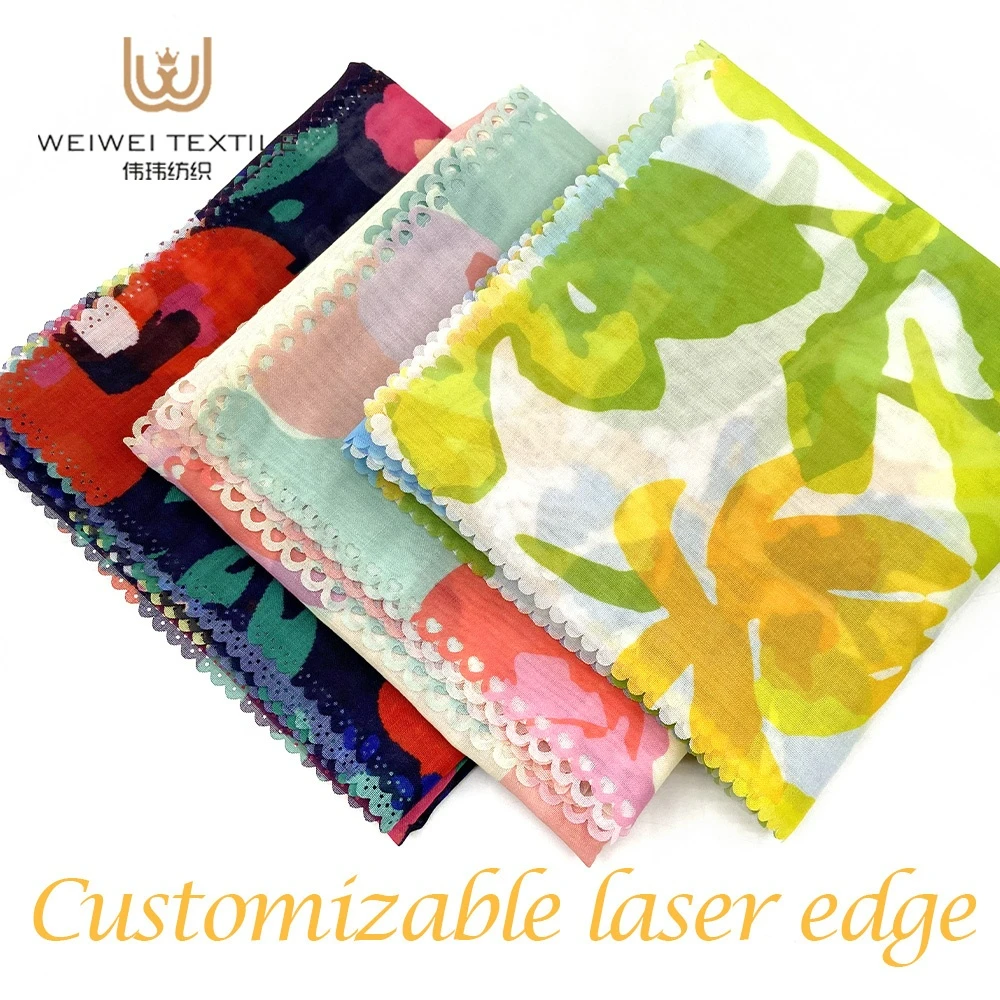
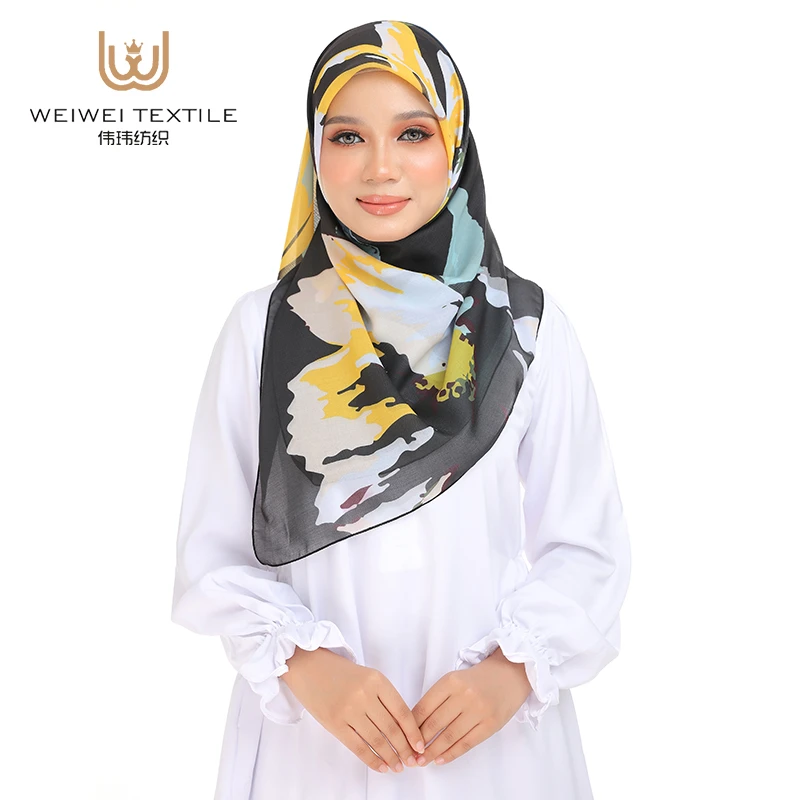
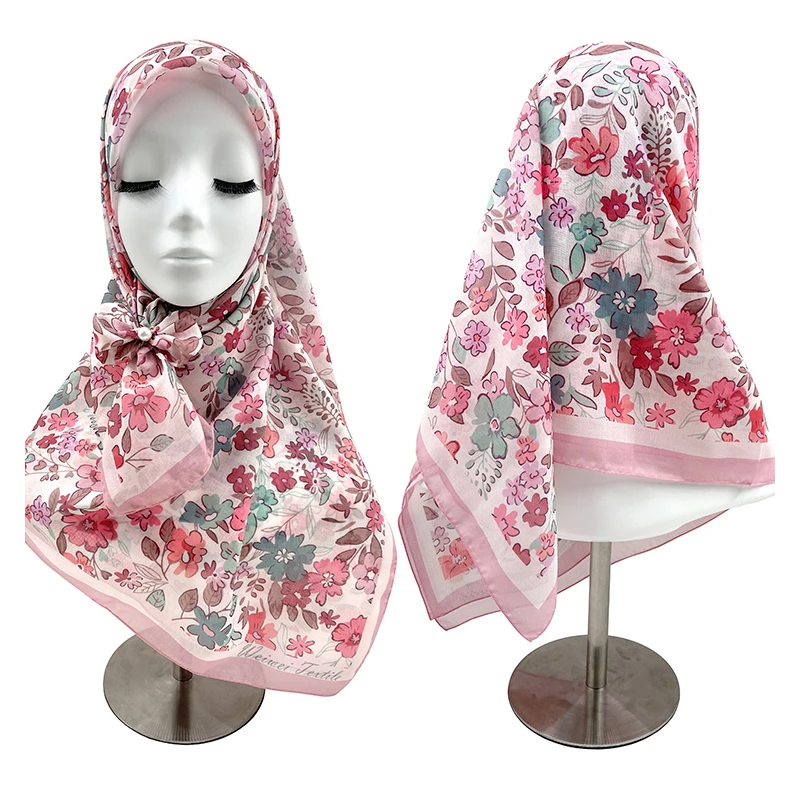
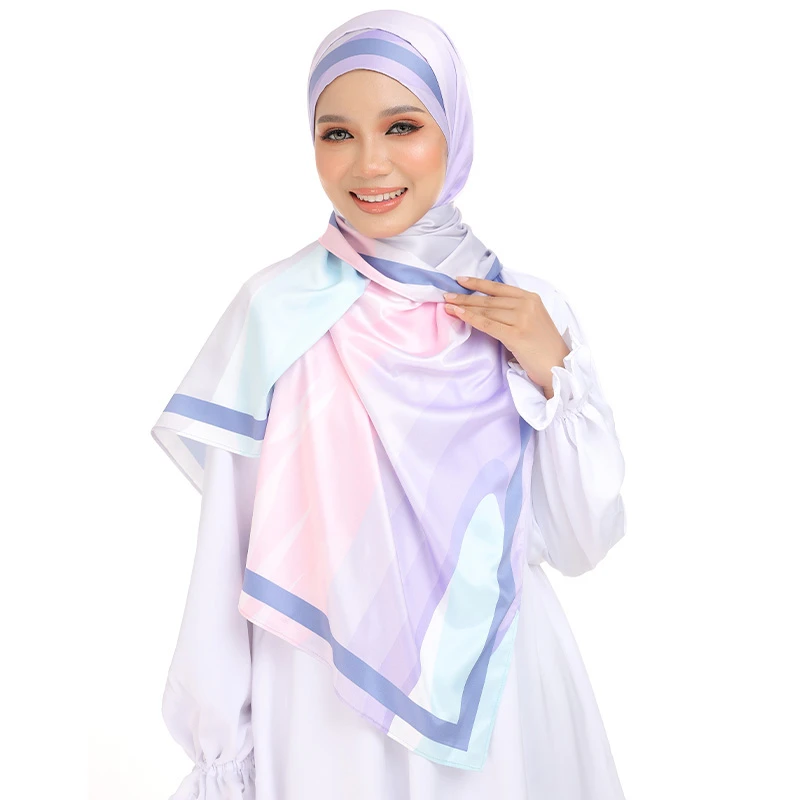
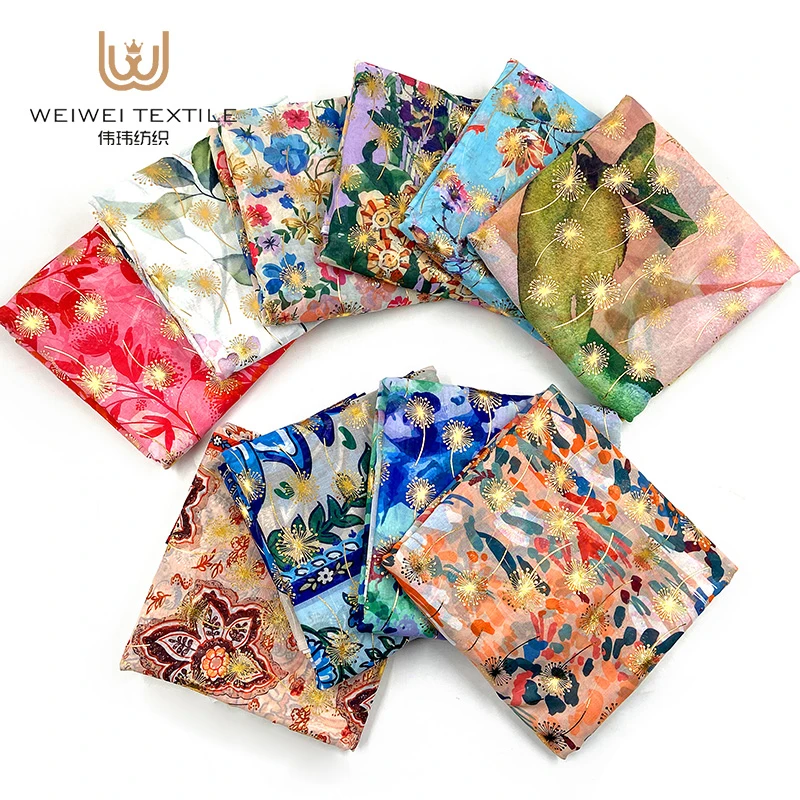
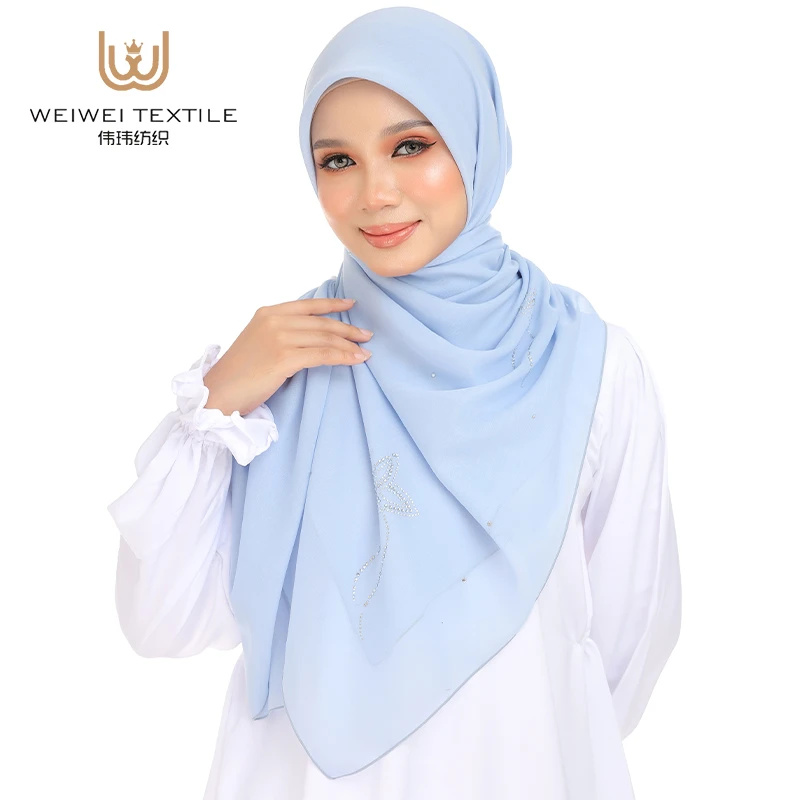
Simply put, a printed chiffon hijab is a scarf made from chiffon fabric — a sheer, lightweight, woven fabric with a slightly rough texture — adorned with printed patterns or motifs. Distinguished from plain hijabs by its variety of colorful designs, this piece serves as a cultural symbol and a fashion statement. Modern textile technology has allowed printing methods to evolve from traditional block printing to digitally printed, eco-friendly dyes that enhance durability and vibrancy.
Core Components of Printed Chiffon Hijabs
1. Fabric Composition
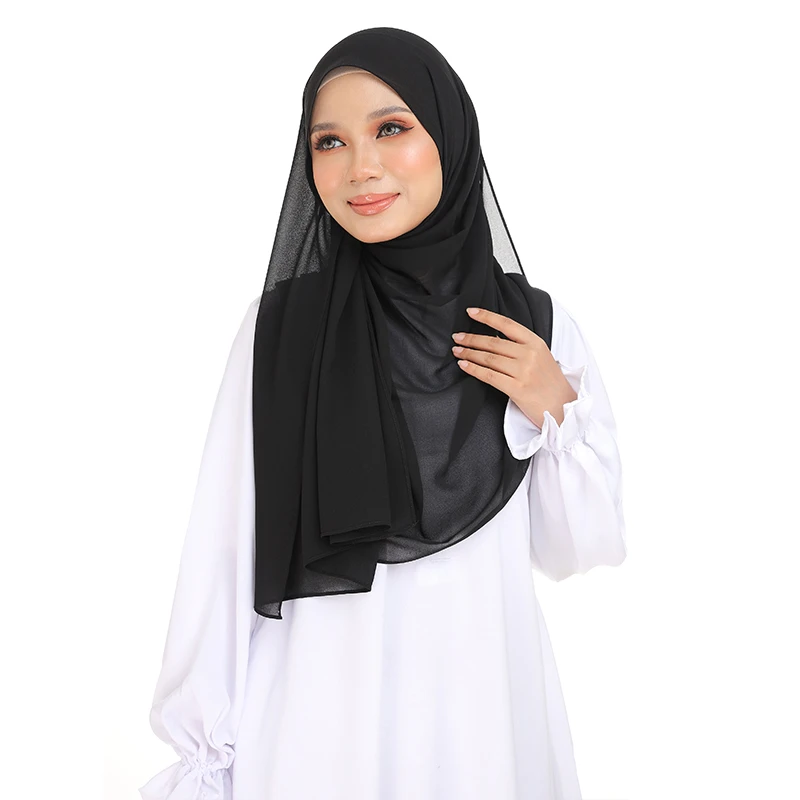
Typically made from polyester chiffon or silk chiffon, the choice of material influences drape, breathability, and care. Polyester chiffon is more affordable and easier to maintain, while silk chiffon offers a luxury feel and natural sheen but demands delicate handling.
2. Printing Techniques
Methods range from digital printing, which enables intricate multicolor patterns with precision, to screen printing, favored for bulk orders and durability. Eco-conscious brands are pushing for water-based and low-impact inks to minimize environmental footprint.
3. Durability and Care
Chiffon’s delicate weave means mishandling can cause snags or frays. However, proper printing and fabric finishing techniques improve resilience, making them suitable for everyday wear without sacrificing softness.
4. Design Diversity
From floral motifs reflecting nature to geometric or abstract patterns embodying modern art, design variety plays a crucial role in appealing to diverse markets and personal styles.
5. Size and Versatility
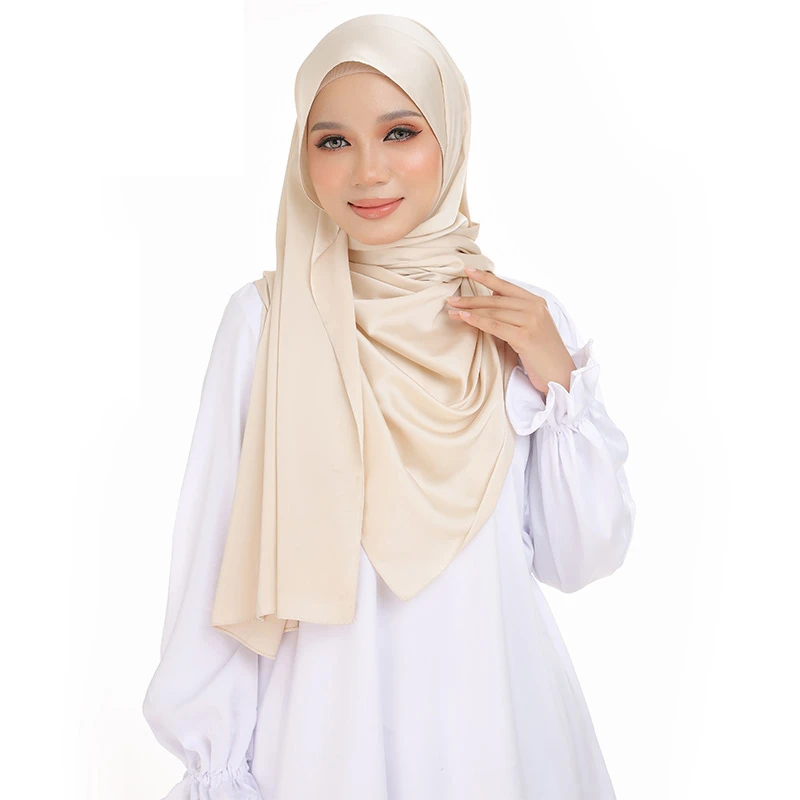
Dimensions usually range around 70x180 cm, giving versatility in styling—from casual to formal looks. The lightweight nature also makes it ideal for warmer climates, enhancing its global appeal.
Product Specifications at a Glance
| Feature | Details |
|---|---|
| Material | Polyester Chiffon / Silk Chiffon |
| Weight | 25-35 gsm (grams per square meter) |
| Dimensions | Approximately 70 x 180 cm |
| Printing Method | Digital / Screen printing with eco-friendly dyes |
| Care | Hand wash recommended; gentle detergent |
Global Applications & Practical Uses
Printed chiffon hijabs are far from just a fashion statement in the Middle East or Southeast Asia—they're pivotal in industries like textiles exporting, tourism, and cultural exchange. For instance, in the Gulf countries, these hijabs are not only everyday wear but also key export products that sustain local economies by providing jobs in design, printing, and production.
In humanitarian settings, lightweight scarves like printed chiffon can also serve practical needs—offering sun protection for women in harsh outdoor environments or soft coverings during transitional housing scenarios. Somewhere between tradition and innovation, the hijab adapts beautifully to global conditions.
Comparing Top Vendors
| Vendor | Print Quality | Price Range (USD) | Sustainability Initiatives |
|---|---|---|---|
| Silky Prints Co. | High-resolution digital prints | 20–30 | Uses low-impact dyes and recycled packaging |
| ChiffonCraft Ltd. | Vibrant screen-printed designs | 15–25 | Part of fair-wage work programs |
| Heritage Colors | Traditional motifs with digital precision | 25–40 | Supports artisan cooperatives |
Why Choose Printed Chiffon Hijabs? Advantages & Lasting Value
One of the real draws of printed chiffon hijabs is their combination of comfort, style, and cultural respect. The breathability of chiffon coupled with eye-catching prints means wearers can enjoy all-day ease without compromising their expression.
There's a sustainability angle too—opting for high-quality scarves that last reduces fast fashion waste notoriously rampant in the textile world. Plus, many manufacturers adopt eco-friendly dyeing methods as noted above (one extra bonus for the environment-conscious shopper).
Emotionally, these hijabs empower individuals to wear their identity proudly—whether for religious observance or personal preference—while feeling both dignified and trendy.
Looking Ahead: Trends and Innovations in Printed Chiffon Hijabs
We're seeing exciting advancements like UV-resistant inks and wrinkle-free finishes that make chiffon hijabs not only beautiful but more durable under varied conditions. Digital textile printing, supported by AI-driven design tools, enables rapid prototyping of new patterns, bringing fresh styles to market faster.
Also, sustainability remains front and center. Brands experiment with biodegradable polyester blends and waterless printing technologies, aiming to make the entire lifecycle of a printed chiffon hijab greener. It’s encouraging to see tradition combining with technology in this way.
Challenges & Expert Solutions
That said, there are hurdles—like chiffon’s inherent fragility and the sometimes high maintenance it demands. Casual wearers may find delicate fabrics daunting. The solution often lies in consumer education about care, alongside manufacturers improving fabric blends to balance softness and toughness.
Furthermore, cost sometimes limits accessibility for lower-income consumers, but ongoing innovations promise more affordable quality options in coming years.
FAQ: Printed Chiffon Hijab Essentials
- Q: How do I care for my printed chiffon hijab to maintain its print?
A: Hand wash gently in cold water with mild detergent, avoid wringing, and hang dry away from direct sunlight to preserve print vibrancy and fabric integrity. - Q: Are printed chiffon hijabs suitable for all weather conditions?
A: Chiffon’s lightweight and breathable nature makes it ideal for warm climates. However, in cold or windy weather, layering may be necessary for comfort. - Q: Can I find eco-friendly printed chiffon hijabs easily?
A: Yes, an increasing number of vendors now offer scarves printed with water-based, low-impact dyes and sustainable polyester or silk blends. Look for certifications or vendor transparency. - Q: What are the colorfastness expectations for printed chiffon hijabs?
A: High-quality digital and screen-printed scarves usually hold colors well if cared for properly. Beware cheaper options that may fade quickly after washing.
Wrapping It Up
Whether you're a textile enthusiast, a cultural fashion follower, or someone seeking sustainable style, the printed chiffon hijab is a remarkable example of how heritage and innovation weave together. Its enduring appeal lies not just in looks but also in meaning and responsible production. Looking for your perfect scarf? Why not start your journey with a beautiful printed chiffon hijab—blend tradition with style seamlessly.
Sometimes the smallest fabric can tell the biggest story.
References
-
Xinji Weiwei Textile Factory to Exhibit at the 139th Canton Fair
NewsApr.15,2026
-
Abaya Robe: Tradition, Elegance, and Daily Cultural Expression
NewsApr.15,2026
-
Satin Scarves and Hijabs: A Reflection of Tradition, Elegance, and Daily Practice
NewsApr.15,2026
-
Chiffon Scarf Hijab: A Blend of Tradition, Style, and Everyday Practice
NewsApr.15,2026
-
Exploring Hijab Fashion in Malaysia: Tradition, Style, and Daily Cultural Practice
NewsApr.15,2026
-
The Cultural Significance and Style of Voile Scarves and Shawls in Daily Muslim Wear
NewsApr.15,2026