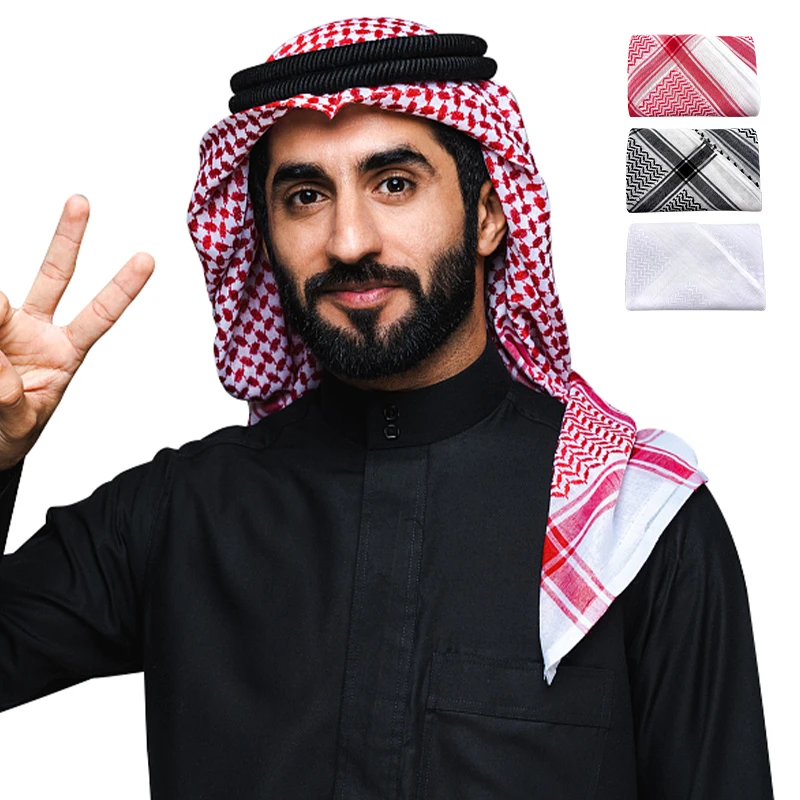
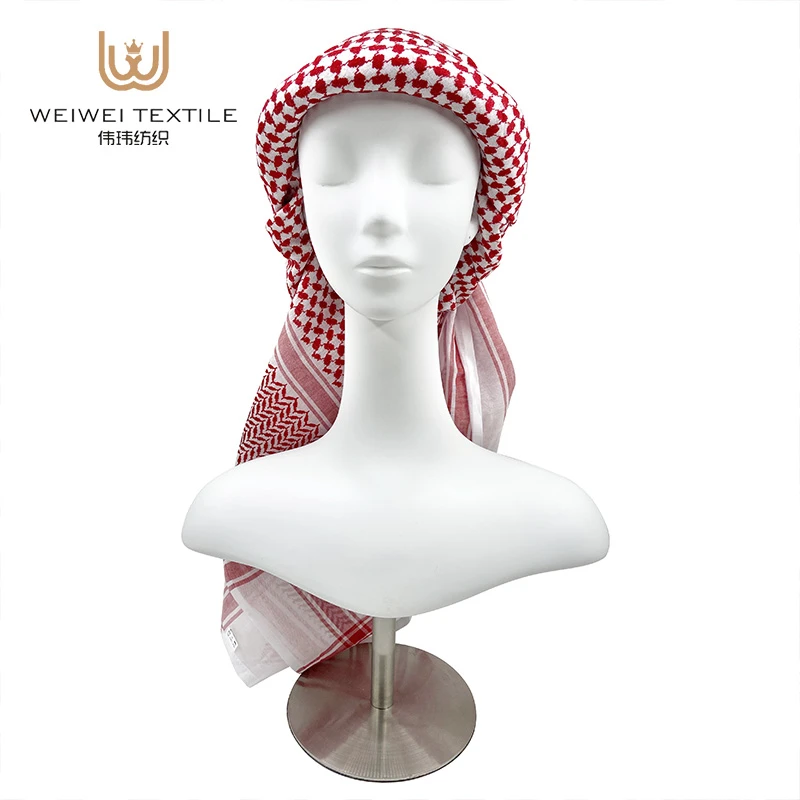
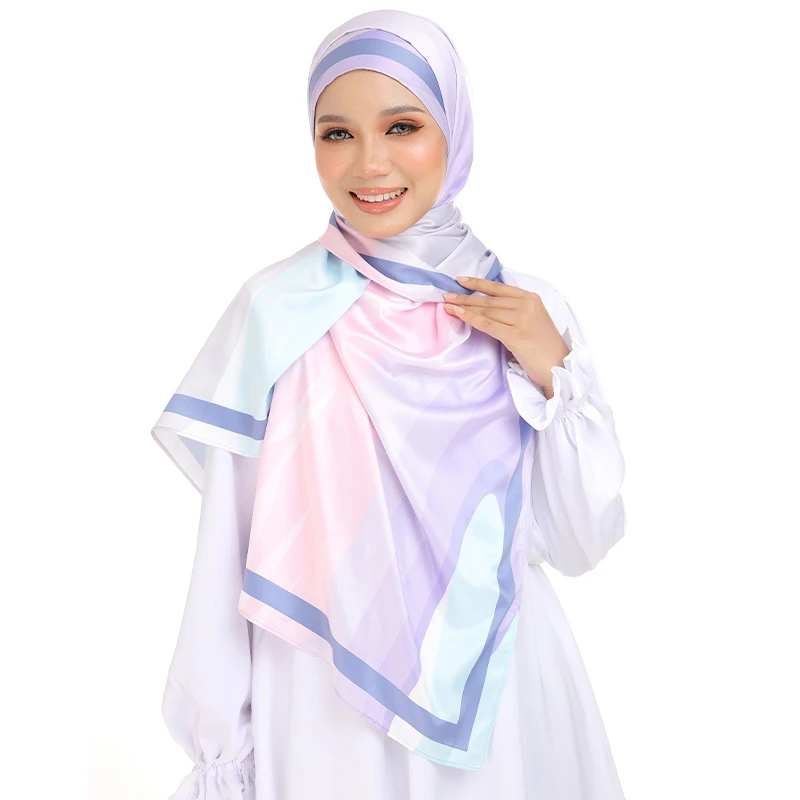
Your Trusted 24 Hours Service Provider!

Premium Abaya Scarf Supply Chain Solutions for Oceania - Australia

Connecting Australian fashion boutiques and wholesalers with high-capacity textile manufacturing for high-quality hijab and modest wear accessories.

Integrated Textile Production for Global Modest Fashion

We bridge the gap between intricate design and mass production, providing the Australian market with scalable manufacturing for voile, chiffon, and satin scarves tailored to local preferences.

Modest Wear Market Dynamics in Oceania - Australia

Analyzing the demand for high-quality textile accessories in the diverse Australian retail landscape.

The Australian market exhibits a sophisticated demand for modest fashion, driven by a multicultural population and a growing preference for breathable, high-quality fabrics. Retailers in major hubs like Sydney and Melbourne are increasingly seeking suppliers who can offer both affordable silk scarves and specialized cultural headwear that meets contemporary aesthetic standards.

Geographically, the vast distribution network across Australia requires a supply chain that is reliable and capable of handling various order sizes. The shift toward e-commerce has empowered smaller boutique owners to source directly from specialized factories, emphasizing the need for manufacturers who accept small customized orders alongside mass production to maintain lean inventories.

A primary challenge for local procurement is finding the balance between textile durability and luxury feel. Many businesses struggle with inconsistent fabric weights or dyes that do not hold up to the harsh Australian UV environment, creating a significant opportunity for manufacturers with rigorous quality control systems and diverse material portfolios.
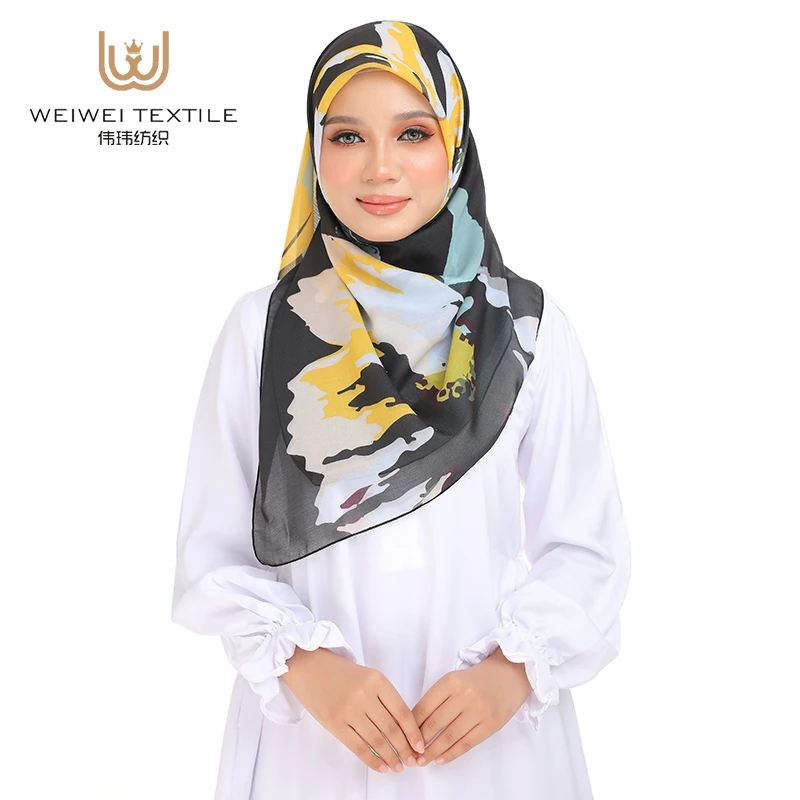
Evolution of the Global Scarf Manufacturing Industry

From traditional weaving to high-tech integrated production lines.

Industry Development Stages

Early Market Development
The industry focused on basic weaving and manual printing, serving localized markets with standard fabric weights and limited color palettes.

Industrial Scaling Phase
The introduction of complete production lines—integrating weaving, printing, and finishing—allowed for higher volume outputs and the standardization of materials like chiffon and voile.

Customization and Integration Era
Current manufacturing now integrates R&D with sales, allowing factories to provide highly customized solutions and rapid prototyping for global trends in modest fashion.

Future Strategic Trends

1. Fabric Innovation

Development of hybrid textiles that combine the luxury of silk with enhanced breathability and moisture-wicking properties for diverse climates.

2. Digital Design Integration

Implementation of AI-driven pattern design to reduce sample lead times and align more closely with real-time consumer trend data.

3. Sustainable Dyeing Processes

Transitioning toward eco-friendly printing and dyeing techniques to meet the increasing environmental consciousness of the global consumer base.

How global manufacturing advancements are optimizing the procurement process in Oceania.

Production Efficiency
Daily capacities of up to 50,000 pieces enable rapid replenishment for Australian wholesalers during peak seasonal demands.
Precision Customization
Using advanced R&D to create specific fabric blends for african head wraps and tailored hijab styles.
Flexible Order Models
Supporting both small-batch custom orders for boutiques and mass production for larger distributors in Oceania.
Material Sustainability
Focusing on high-durability fibers that reduce waste and increase the product lifecycle for the end-user.

Future Market Outlook

Over the next 3-5 years, the Australian modest fashion sector is expected to pivot toward "slow fashion," where quality and material provenance outweigh sheer volume. This shift will increase the value of manufacturers who can prove a rigorous quality control system and offer highly specialized fabric finishes.

Consequently, the ability to integrate design, R&D, and production under one roof will be the deciding factor for Australian importers looking to reduce lead times and ensure consistent product quality across different batches.

Diverse Application Scenarios in the Australian Market

How our textile solutions meet specific consumer and commercial needs across Oceania.

Boutique Modest Fashion Labels

Independent designers in Sydney requiring small-batch, highly customized abaya scarf collections to test new prints before scaling to mass production.

Cultural Community Suppliers

Wholesalers providing authentic african scarf options and head wraps for diverse cultural communities across Melbourne and Perth.

High-End Luxury Retailers

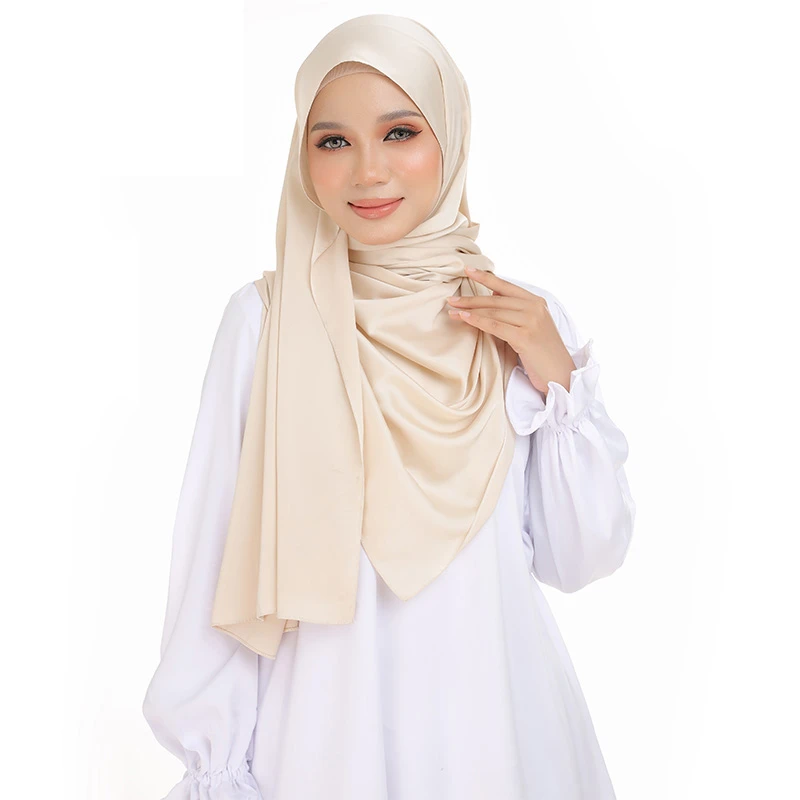
Premium stores seeking a consistent supply of high-grade satin and silk blends for luxury hijabs, emphasizing flawless finish and precise color matching.

E-commerce Dropshipping Hubs

Online platforms requiring a reliable manufacturing partner capable of high-volume output for african head scarf styles with rapid turnaround times.

Seasonal Event Organizers

Event planners sourcing large quantities of affordable, themed scarves for cultural festivals and religious gatherings across the Oceania region.

Our Journey in Textile Excellence

From a dedicated facility to a comprehensive manufacturing leader integrating design, R&D, and sales.

2004

Foundation and Establishment

Xinji Weiwei textile was established in Shijiazhuang city, Hebei province, laying the groundwork for professional textile production.

Current Era

Industry Leadership and Scale

Now operating a 10,000 square meter facility with 500 elite employees and a daily production capacity of 50,000 pieces, specializing in Sudanese Toub and diverse hijab materials.

Comprehensive Modest Wear Textile Portfolio

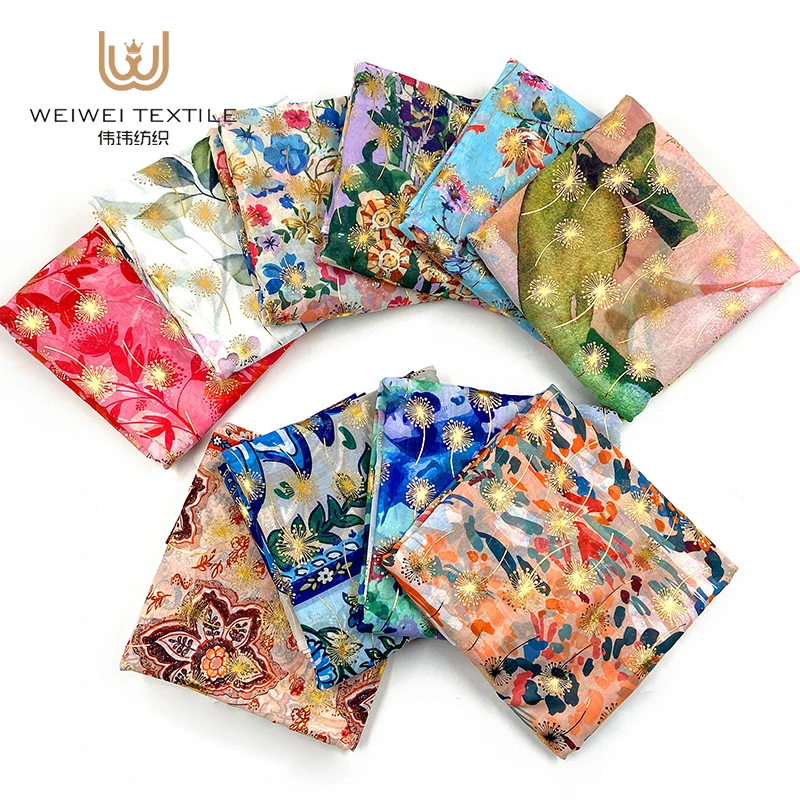
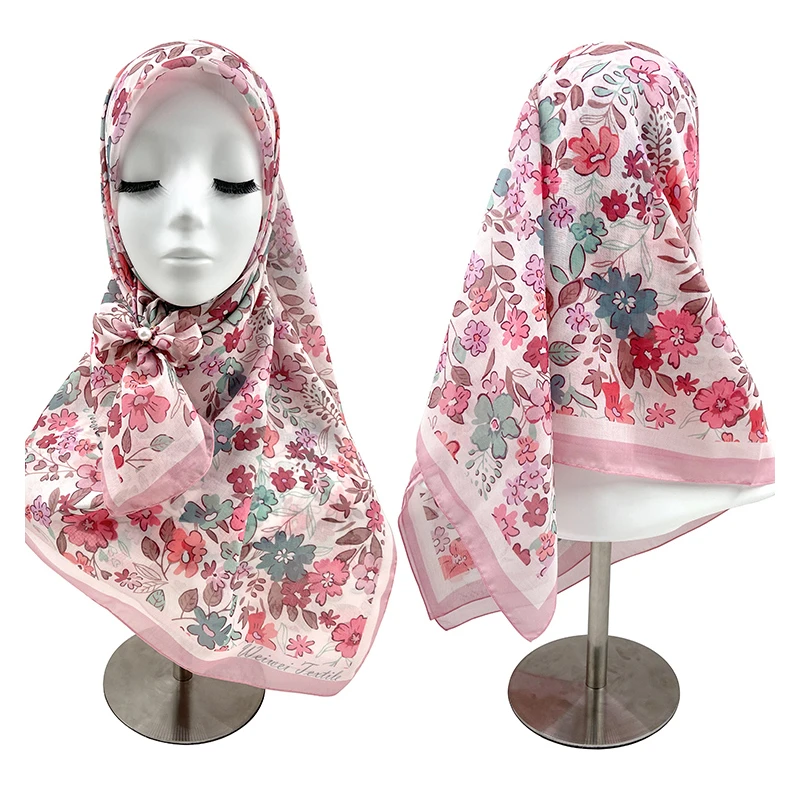
A full range of fabric solutions including voile, chiffon, and satin to meet every requirement of the Oceania market.

Frequently Asked Questions for Australian Importers

Clarifying procurement, customization, and quality standards for our Oceania partners.

What types of fabrics are available for customized hijab orders?

We provide a wide array of materials including voile, chiffon, and satin. Our production lines are designed to handle various weights and textures to meet specific regional fashion requirements.

How does the factory handle small customized orders for boutiques?

We maintain a flexible production system that accepts small customized orders, allowing boutique owners to prototype designs before moving to large-scale mass production.

Why choose a manufacturer with integrated design and production?

Integration reduces communication errors and shortens lead times. By managing weaving, printing, and processing in-house, we ensure stricter quality control and faster delivery.

Can you produce specific styles like the Sudanese Toub for the Oceania market?

Yes, Sudanese Toub and muslim scarves are our main products. We have specialized workshops dedicated to these traditional garments to ensure cultural authenticity and quality.

What is the daily production capacity for mass orders?

Our facility has a daily production capacity of 50,000 pieces, supported by 500 elite employees, making us capable of fulfilling large wholesale contracts efficiently.

How is quality control managed for international shipments?

We utilize a perfect quality control system across all stages, from the weaving workshop to the final processing workshop, ensuring every piece meets the required specifications before shipping.

Scale Your Textile Business in Australia

Connect with our expert team to discuss your customized manufacturing needs for the Oceania region today.

Request a Quote

If you are interested in our products, you can choose to leave your information here, and we will be in touch with you shortly.