
Slovakian Market Analysis
The Modest Wear Landscape in Central Europe
Understanding the dynamics of the hijab and scarf textile trade in Slovakia.
Slovakia represents a growing hub for modest fashion in Central Europe, driven by a diverse demographic and an increasing demand for high-quality textile accessories. The market is characterized by a preference for materials that offer both breathability and a luxurious feel, such as chiffon and satin. Currently, the local supply chain relies heavily on imports from specialized manufacturers who can balance affordability with the high quality standards expected by European consumers.
Recent trends indicate a shift toward "affordable luxury," where customers seek affordable silk scarves that maintain the drape and luster of premium silk. Additionally, there is a rising interest in culturally diverse styles, including Sudanese Toubs and African-inspired prints, as the fashion scene becomes more globalized. This is driving a demand for manufacturers who can handle complex printing and specialized weaving processes in-house.
The primary constraint for Slovakian distributors is the volatility of lead times and the difficulty of finding partners capable of small-batch customization. However, the opportunity lies in establishing direct relationships with vertically integrated factories. By reducing intermediaries, businesses can improve their margins while ensuring that the final product meets the specific aesthetic and technical requirements of the European modest wear market.
Industry Journey
Evolution of Global Hijab Manufacturing
From basic textile weaving to integrated fashion solutions.
Early 2000s
Basic Production
Manufacturing focused on raw textile weaving with limited printing capabilities, resulting in plain fabrics and standard colors.
2010-2018
Vertical Integration
Factories began integrating printing and finishing workshops, allowing for more complex patterns and varied fabric types like voile and satin.
Current Phase
Customization Era
The shift toward highly customized, small-batch production and the integration of R&D to meet specific regional fashion needs.
The Rise of Specialized Fabrics
The industry has moved beyond simple cotton to specialized blends of chiffon and satin that provide the necessary opacity for modest wear while remaining lightweight for the European climate.
Digital Printing Adoption
Modern textile plants have adopted advanced printing techniques that allow for high-definition patterns, which is essential for the intricate designs found in Sudanese Toubs.
Sustainable Sourcing Logic
There is an increasing move toward reducing waste by optimizing the cutting and sewing process in the finished product processing workshop.
Future Outlook
Emerging Trends in Modest Textiles
How technology and consumer behavior are shaping the next generation of scarves.
Smart-Dyeing Technology
Transitioning to precise, automated dyeing systems to ensure absolute color consistency across different fabric bases, eliminating batch variation.
Hybrid Fabric Blends
Combining the luxury of silk with the durability of synthetic fibers to create scarves that are both affordable and high-performing.
On-Demand Customization
The move toward "Micro-Collections" where factories provide rapid prototyping to allow brands to react to social media trends in real-time.
Eco-Friendly Finishing
Adopting low-impact dyes and water-saving processing methods to meet the tightening environmental regulations within the European Union.
The convergence of cultural heritage and modern textile technology is redefining the modest wear sector. For the Slovakian market, the ability to source products that are culturally authentic yet manufactured with precision is a key competitive advantage. The integration of R&D within the factory allows for the creation of fabrics that solve the "breathability vs. opacity" trade-off, which is a primary concern for hijab wearers.
Furthermore, the logistics of the "fast-fashion" cycle are being applied to the modest wear industry. This means a shift from biannual large shipments to more frequent, smaller, and more varied deliveries. Manufacturers who can maintain quality while offering this agility will dominate the supply chain for European wholesalers.
Practical Applications
Modest Wear Supply Scenarios in Slovakia
How our production capabilities solve real-world business needs.
01
Boutique Importer Seeking Exclusive Designs
A small fashion boutique in Bratislava wants to launch a limited edition line of abaya scarf with unique patterns. By leveraging our "small order customized" service, they can produce 500 units of a bespoke design without the overhead of a massive factory minimum, ensuring a high-margin, exclusive offering for their local clients.
02
Wholesale Distributor for African-Style Wraps
A regional distributor supplying multiple stores across Slovakia needs a steady flow of african head wraps. Our integrated weaving and printing workshops ensure that every shipment of 10,000 pieces maintains identical color saturation and fabric weight, preventing customer complaints and returns at the retail level.
03
Corporate Gifting of Silk Accessories
A Slovakian corporate entity requires high-quality, affordable silk scarves for an international event. We provide a streamlined "design-to-delivery" process, utilizing our finishing workshop to ensure a premium look that reflects professional standards while staying within a specific budget.
04
Seasonal Modest Fashion Launch
An e-commerce brand targeting the European market needs to launch a summer collection of breathable voile hijabs. By coordinating our weaving and printing lines, we compress the production cycle, allowing the brand to hit the market window precisely when demand peaks in the Slovakian summer.
05
Specialized Sudanese Toub Sourcing
A specialist importer focuses on the Sudanese market within Slovakia. They require specific fabric weights and traditional patterns. Our R&D team analyzes the technical requirements and executes the production in our specialized processing workshop, ensuring cultural authenticity and technical precision.
Case Evidence
Representative Deployment Contexts
Illustrative scenarios of how our manufacturing scale supports textile businesses.
Implementing a vertically integrated supply chain for modest wear has allowed us to reduce lead times significantly. The ability to handle weaving, printing, and finishing in one factory ensures that the material quality remains constant, which is critical for maintaining high-end retail standards in Central Europe.
For businesses requiring specific cultural textiles like the Sudanese Toub, having a partner with an in-house R&D team is invaluable. The precision in pattern translation and the capacity for mass production without sacrificing detail allows for a seamless transition from design to market.
The flexibility to accept small customized orders alongside large mass production runs is a game-changer for boutique owners. It allows for a lean inventory model where new styles can be tested in small batches before committing to a full-scale production run.
Our Legacy
Xinji Weiwei Textile History
Two decades of excellence in textile manufacturing and innovation.
2004
Factory Establishment
Xinji Weiwei Textile was founded in Shijiazhuang city, Hebei province, establishing the foundation for professional textile production with a focus on quality and scalability.
Growth Phase
Infrastructure Expansion
The factory expanded to cover 10,000 square meters, incorporating dedicated weaving, printing, and finished product processing workshops to achieve full vertical integration.
Modern Era
Global Market Leadership
Becoming a TOP manufacturer integrating design, R&D, and sales, with a daily capacity of 50,000 pieces and a workforce of 500 elite employees serving global clients.
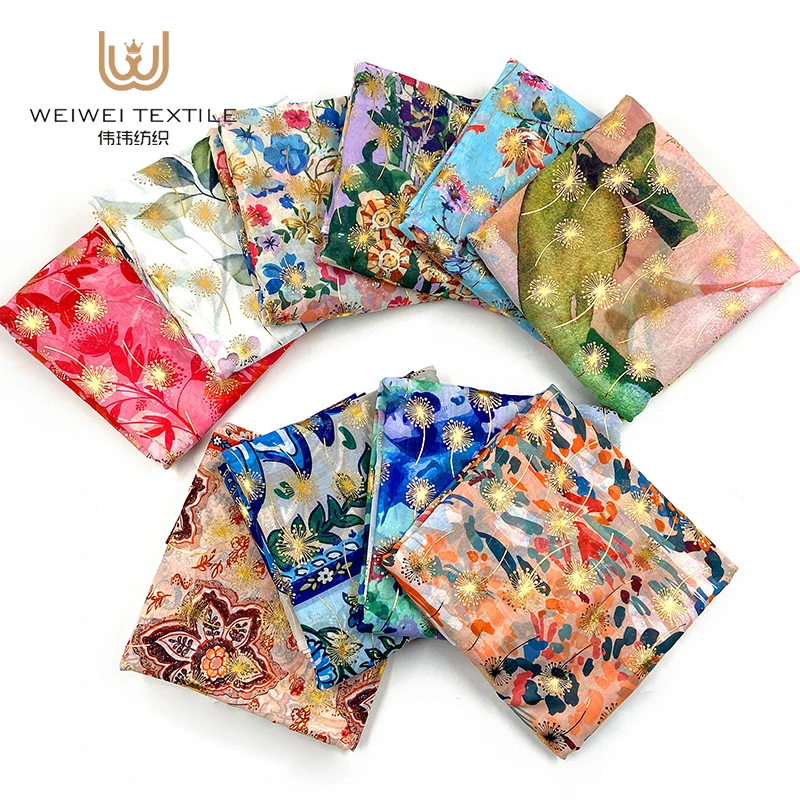
Sudanese Women Toub With Gold Stamping
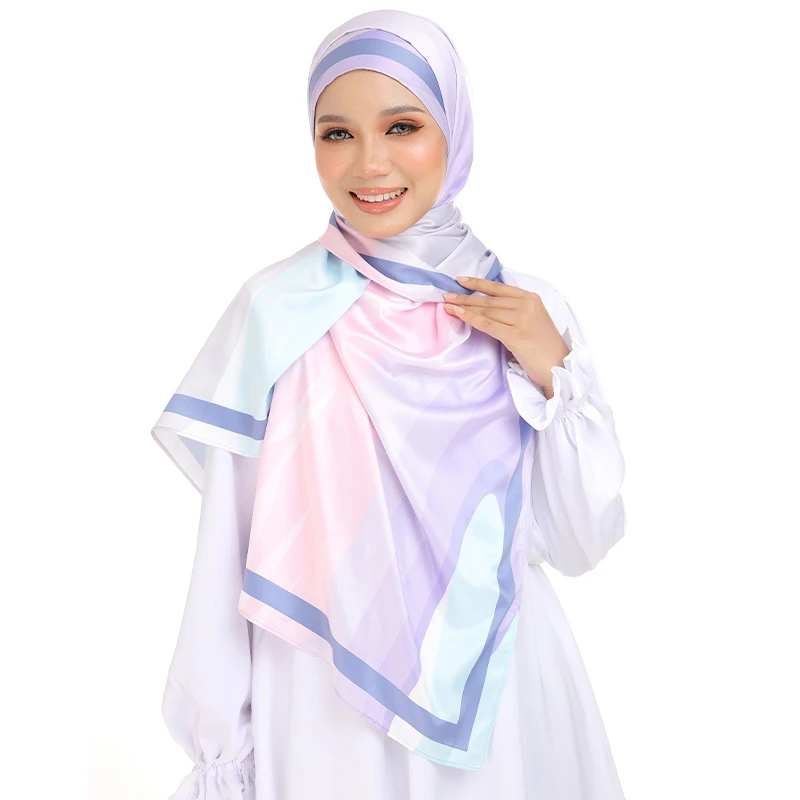
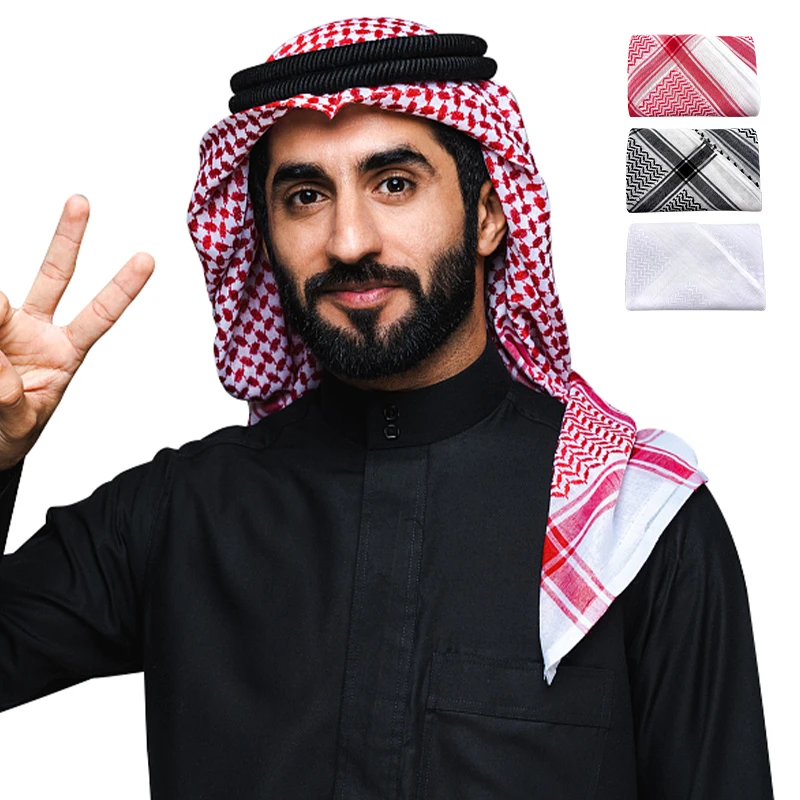
Satin Silk Headscarf With Unique Designs
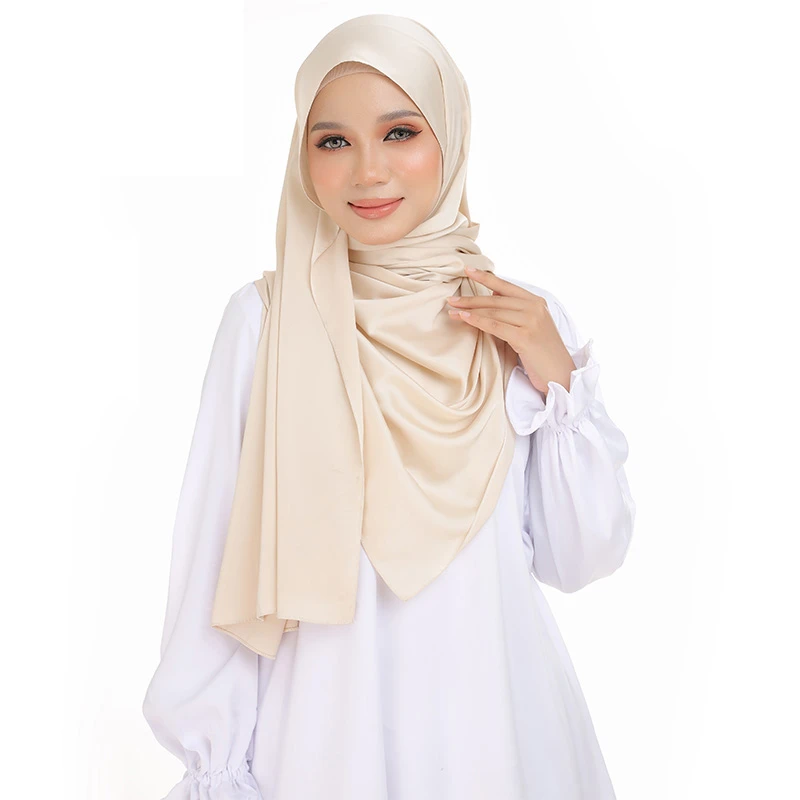
115×115cm Luxury Fashionable Satin Square Scarf
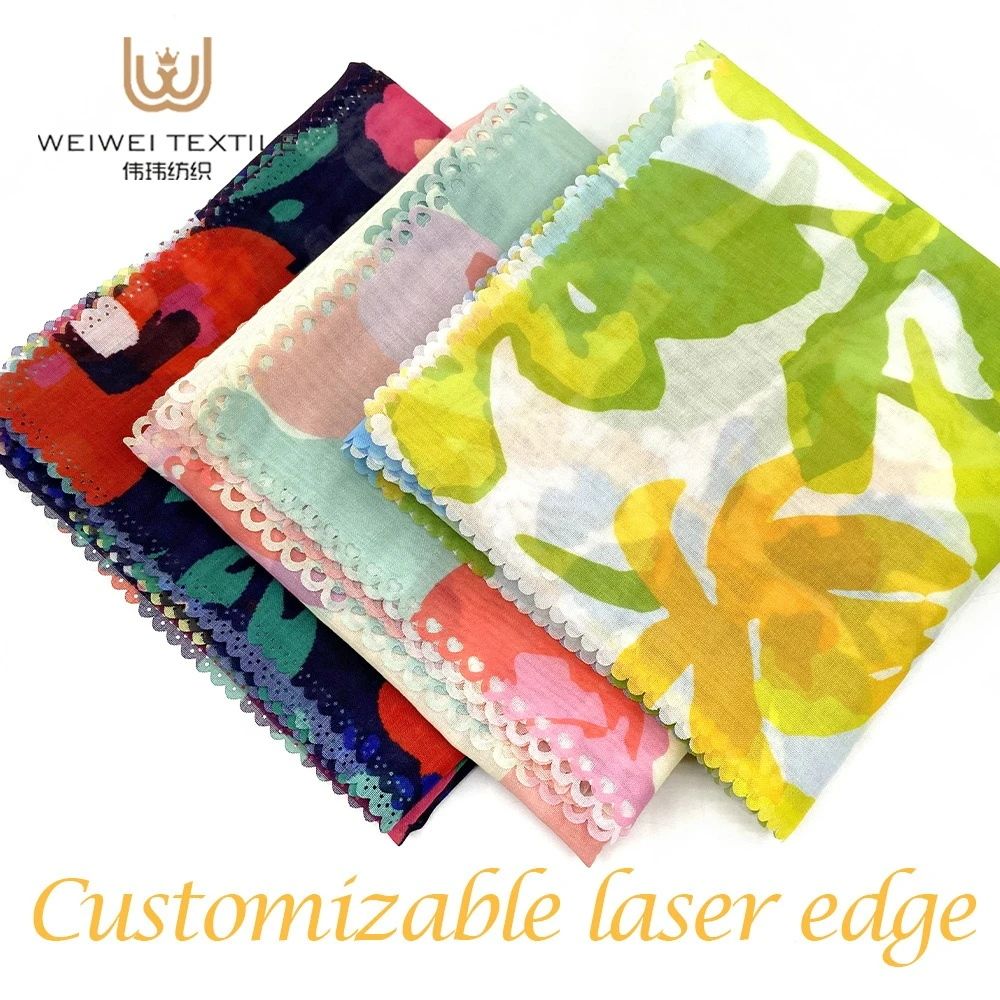
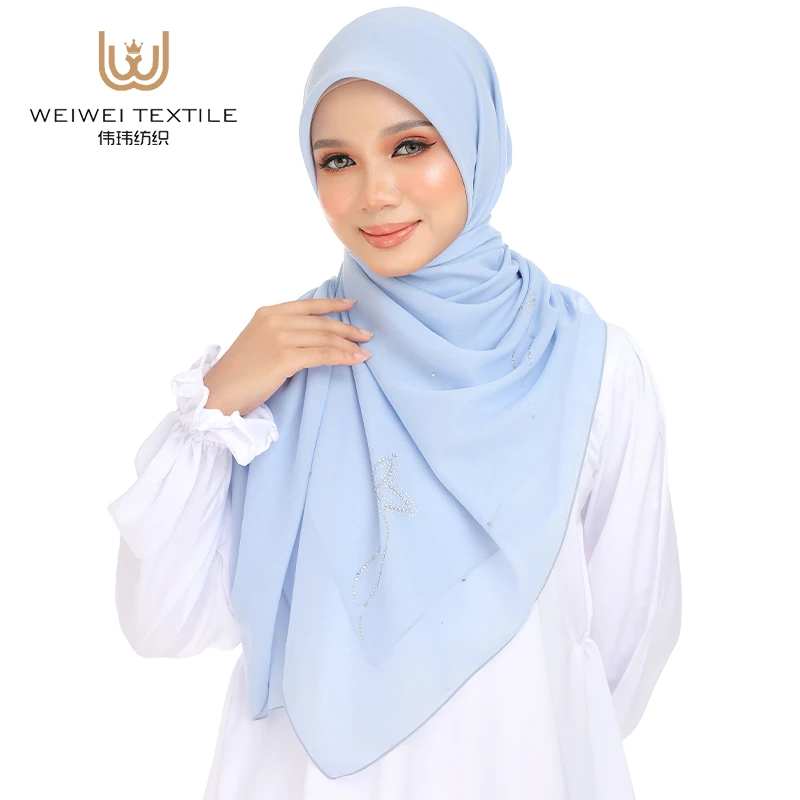
Waterproof Cotton Voile Muslim Printed Headscarf Hijab
Knowledge Base
Frequently Asked Questions
Clear answers to your textile sourcing and manufacturing inquiries.
What types of hijab fabrics does Xinji Weiwei Textile specialize in?
We specialize in a wide range of high-quality fabrics including voile, chiffon, and satin. Our production capabilities allow us to adjust the weight and opacity of these fabrics to meet the specific needs of different markets, such as the modesty requirements in Slovakia and other European regions. We ensure that every fabric undergoes strict quality control in our weaving and finishing workshops before being shipped.
Do you support small batch customization for new fashion lines?
Yes, our factory is designed to be flexible. We accept small customized orders, which is ideal for boutiques and startup brands looking to test new designs or colors before moving to mass production. This approach reduces the financial risk for our clients while allowing them to maintain a unique and exclusive product range. Once a design is proven successful, we can quickly scale up to our full daily capacity of 50,000 pieces.
How do you ensure color consistency across large orders of African scarves?
Color consistency is achieved through our vertical integration. Because we own the printing workshop and the weaving process, we can standardize the dye formulas and apply them uniformly across the entire production run. We use professional color-matching systems and conduct regular checks throughout the printing process to ensure that there is no variance between the first and the last piece of a large order.
What is the typical lead time for an integrated production order?
Lead times vary based on the complexity of the design and the order volume. However, because we possess complete production lines—including weaving, printing, and finishing—we eliminate the delays associated with outsourcing. Typical production cycles are significantly shorter than fragmented supply chains. We provide a detailed timeline upon order confirmation, ensuring that European clients can plan their seasonal launches with precision.
Can you produce specialized items like the Sudanese Toub?
Yes, Sudanese Toubs are one of our main product focuses. Our factory has the specialized equipment and expertise required to produce these large, culturally specific garments. We combine traditional design requirements with modern manufacturing efficiency, ensuring that the fabric drape, print quality, and finishing meet the high expectations of the Sudanese community and specialized importers.
How should I start the inquiry process for a customized hijab order?
The process begins with a detailed inquiry where you provide your fabric preferences (e.g., voile, satin), design patterns, and estimated quantity. Our R&D team will then evaluate the technical requirements and provide a proposal. Once the specifications are agreed upon, we can proceed with sampling and then move to mass production. We recommend visiting our contact page to leave your detailed information for a prompt response.
Global Partnership
Ready to Elevate Your Modest Wear Collection in Slovakia?
Whether you are a boutique owner seeking exclusive designs or a large-scale wholesaler needing consistent mass production, Xinji Weiwei Textile provides the infrastructure to scale your business. Our vertically integrated factory ensures that quality and customization are never compromised. Contact us today to discuss your specific fabric requirements and get a professional consultation for your next collection.
Discuss Your Requirements