Your Trusted 24 Hours Service Provider!

Premium Abaya Scarf Manufacturing for the Cameroon Market

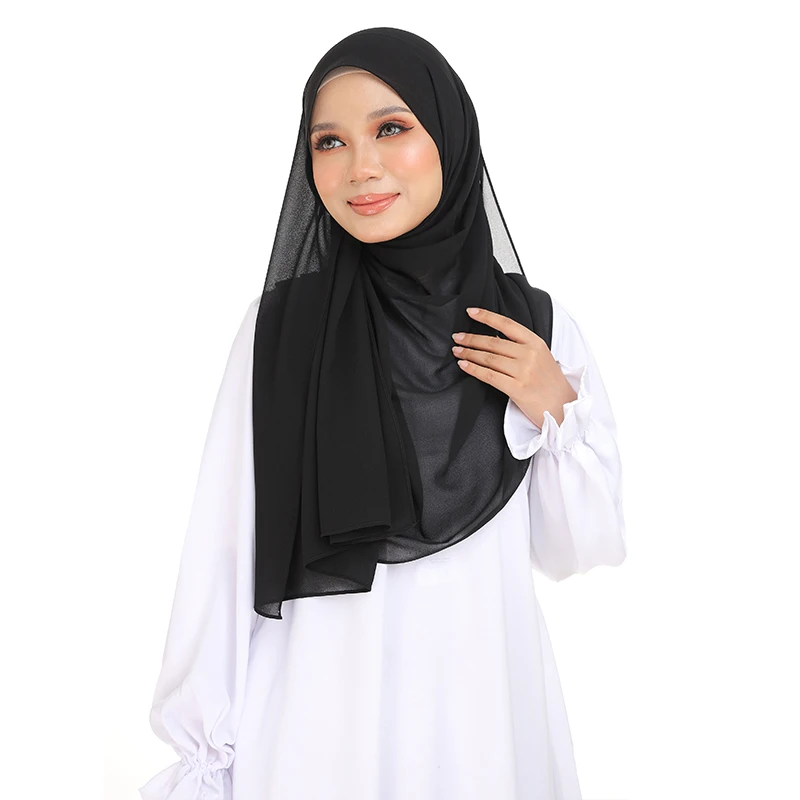
High-capacity textile production providing durable and elegant hijab solutions, integrating advanced printing and weaving for African fashion wholesalers.

Scalable Textile Solutions for Diverse Hijab Requirements

We provide garment wholesalers in Cameroon with a complete supply chain from weaving to finished processing, specializing in high-demand fabrics.

Analyzing the Textile Procurement Landscape in Cameroon

Understanding the specific material demands and supply chain challenges within the Central African textile sector.

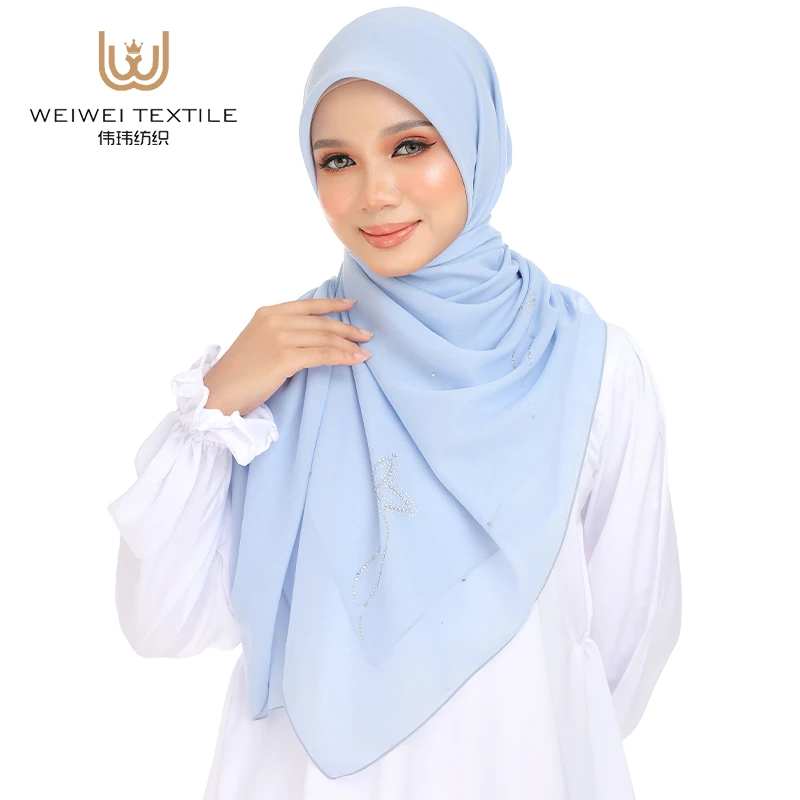
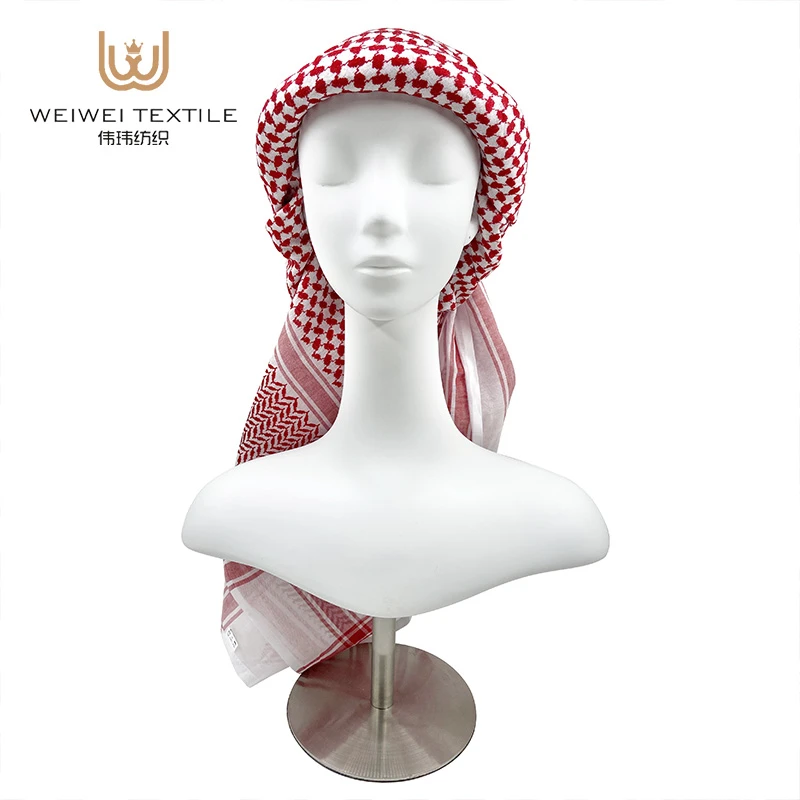
The Cameroonian market shows a strong preference for lightweight yet opaque fabrics that can withstand humid tropical climates. There is a consistent demand for a variety of african head wrap styles that blend traditional cultural aesthetics with modern modesty requirements, driving the need for diverse material options like chiffon and voile.

Local procurement often relies on imports, leading to challenges in lead times and quality consistency. Business owners in urban centers like Douala and Yaoundé seek reliable manufacturers who can provide bulk quantities of affordable silk scarves without compromising the tactile quality expected by high-end retail customers.

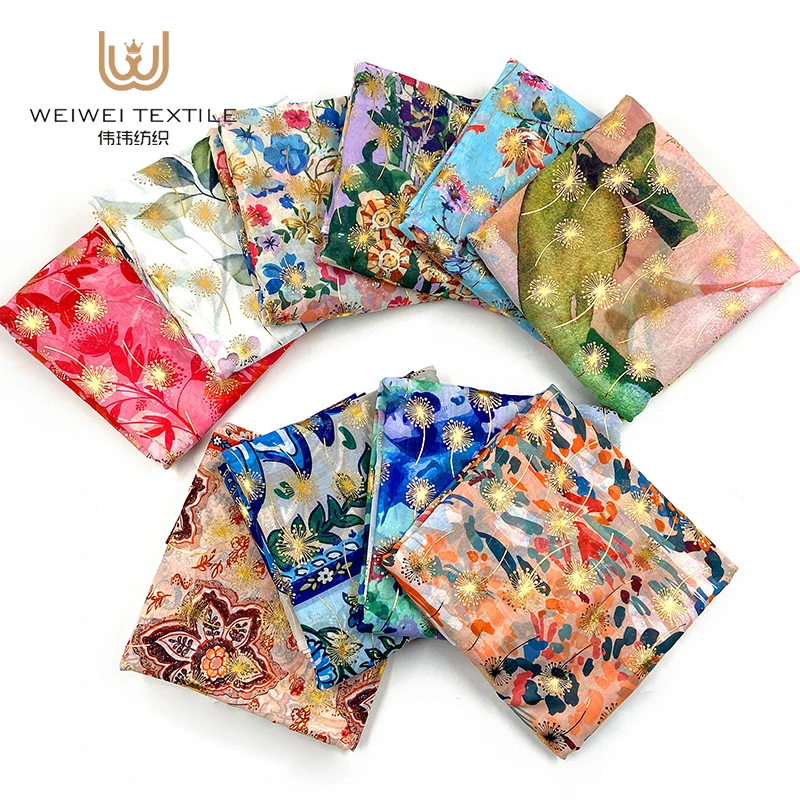
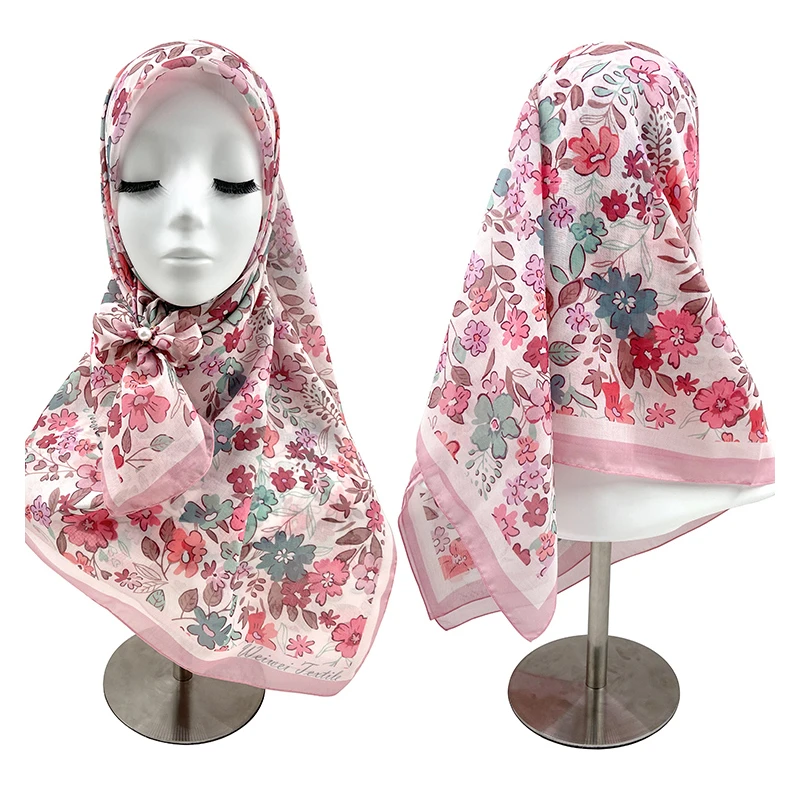
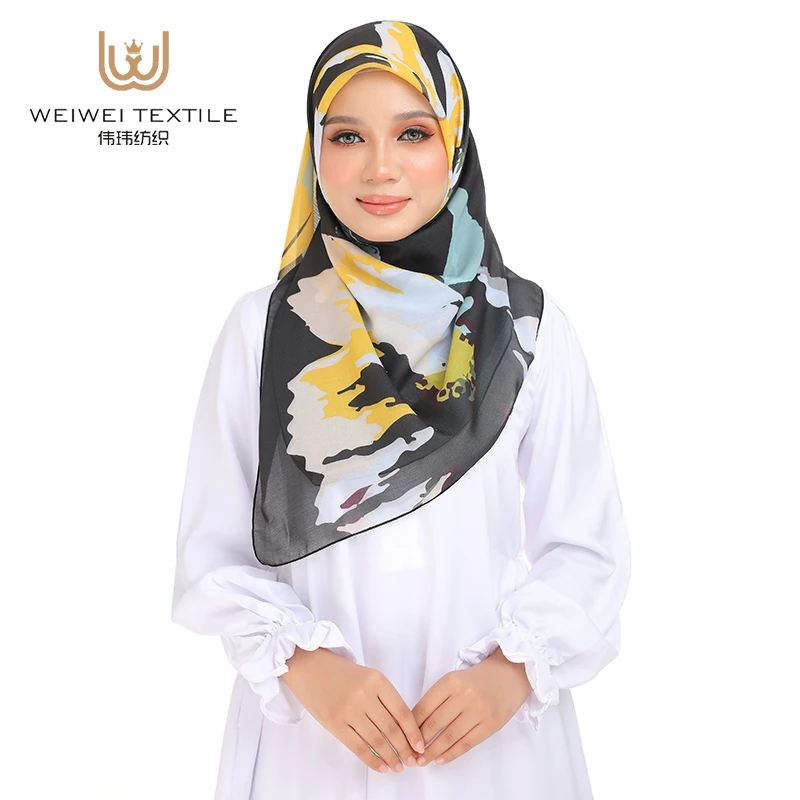
A primary pain point for regional distributors is the lack of highly customized print services. Many suppliers offer generic patterns, creating a significant opportunity for manufacturers who can provide bespoke designs for the african scarf market, allowing local brands to differentiate their product lines.
Evolution of Modest Wear Production Standards

Tracing the shift from basic textile weaving to integrated, high-capacity digital printing and finishing.

Industrial Development Milestones

2004 — FOUNDATION AND INFRASTRUCTURE
Establishment of the facility in Shijiazhuang, focusing on building a 10,000 square meter foundation to support integrated weaving and printing workshops.

EXPANSION — CAPACITY SCALE-UP
Development of a full production line capable of producing 50,000 pieces daily, expanding core product lines to include voile, chiffon, and satin hijabs.

CURRENT — CUSTOMIZATION INTEGRATION
Transition toward a design-led manufacturing model that supports both small-batch customization and mass production to meet global customer needs.

Future Growth Indicators

1. Material Innovation

Increased adoption of breathable, eco-friendly synthetic blends that mimic silk properties while reducing costs for the budget-conscious consumer.

2. Digital Design Integration

Rapid shift toward AI-assisted pattern design to create culturally relevant prints for the african head scarf sector.

3. Logistics Optimization

Implementation of more efficient shipping corridors to reduce the time between production in Hebei and delivery to Central African ports.

Strategic Forecast for Global Modest Textiles

Analyzing the intersection of production efficiency and regional consumer behavior.

⚡
Automated Finishing
Advanced processing workshops reducing manual error in edge-stitching and hem finishing.
🤖
Demand-Driven Design
Utilizing deep customer insights to create highly customized hijab solutions for specific regions.
💳
Flexible Order Volumes
Hybrid production models accepting both small custom orders and mass production runs.
🌱
Resource Efficiency
Optimization of weaving and printing processes to reduce fabric waste and chemical usage.

The Path Toward Production Excellence

Over the next few years, the opportunity for textile growth in Cameroon will depend on the ability to source versatile fabrics that balance luxury with affordability. The trend indicates a shift toward "premium-mass" products, where high-quality finishes are applied to affordable materials.

While challenges in regional logistics persist, manufacturers with integrated production lines can mitigate risks by offering one-stop solutions from design to shipment, ensuring that the abaya scarf reaches the market with consistent quality.

Commercial Applications in the Cameroon Region

Practical deployment of textile products across various business and cultural environments.

01

Wholesale Distribution in Douala Markets

Bulk importers require high-volume, consistent shipments of voile and chiffon. The solution involves mass production runs that ensure uniform color and texture for large-scale retail distribution.

02

Boutique Customization for Luxury Retail

High-end boutiques in Yaoundé seek unique patterns. By utilizing small-order customization, manufacturers can provide exclusive designs that cater to the luxury modest wear segment.

03

Corporate Uniforms for Modest Institutions

Educational or religious institutions require standardized head coverings. The solution is the production of durable, single-color satin or voile scarves in bulk with precise specifications.

04

Event-Based Textile Procurement

Wedding and festival organizers need coordinated colors and textures. Providing a rapid response for specific fabric blends ensures a cohesive look for large ceremonial gatherings.

05

Cultural Fusion Fashion Lines

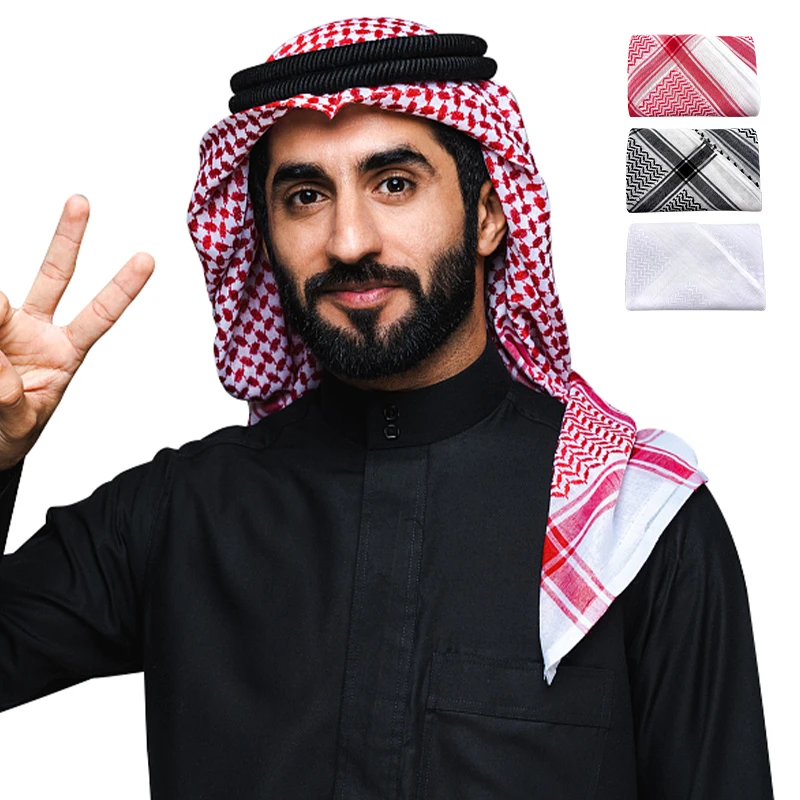
Local designers merging Sudanese Toub influences with Cameroonian styles. Integrated weaving and printing workshops allow for the creation of hybrid fabrics that meet these specific aesthetic needs.

Our Manufacturing Journey

From a specialized workshop to a top-tier integrated textile manufacturer.

2004 — FOUNDATION

Xinji Weiwei textile was built in Shijiazhuang city, Hebei province, establishing its roots in the textile industry.

FACILITY EXPANSION

Development of a comprehensive 10,000 square meter factory including weaving, printing, and processing workshops.

PRODUCTION SCALE-UP

Achieved a daily production capacity of 50,000 pieces supported by a team of 500 elite employees.

PRODUCT DIVERSIFICATION

Expanded core offerings to encompass all kinds of hijab including voile, chiffon, and satin, as well as Sudanese Toub.

GLOBAL EXHIBITION

Demonstrated industry leadership through continuous participation in the Canton Fair (132nd through 135th editions).

Cameroon Procurement FAQ

Common questions regarding textile sourcing and manufacturing specifications.

How is the pricing structured for bulk abaya scarf orders to Cameroon?

Pricing is based on material selection (voile, chiffon, or satin) and order volume. We offer tiered pricing to ensure affordability for wholesalers while maintaining strict quality control.

What is the lead time for customized shipments to Central Africa?

Lead times vary by order size; however, our integrated weaving and printing workshops allow for streamlined production, reducing the gap between design approval and shipment.

Do you provide support for custom print designs for African head wraps?

Yes, we integrate design, R&D, and production. We can work with customer-provided designs or provide guidance to create patterns suitable for the local market.

Which fabrics are most recommended for the humid climate in Cameroon?

We recommend voile and lightweight chiffon for their breathability and quick-drying properties, making them ideal for high-temperature tropical environments.

What quality control measures are in place for mass production?

Our factory operates a perfect quality control system across all workshops, ensuring that every piece meets the specified standards before leaving our Shijiazhuang facility.

Are your production processes sustainable for long-term partnership?

We focus on operational efficiency and resource optimization in our 10,000 square meter facility to provide a stable and scalable supply chain for our international partners.

Request a Professional Textile Quotation

Contact our team today to receive detailed product information and customized solution assessments for your business in Africa - Cameroon.

Inquire Now

If you are interested in our products, you can choose to leave your information here, and we will be in touch with you shortly.