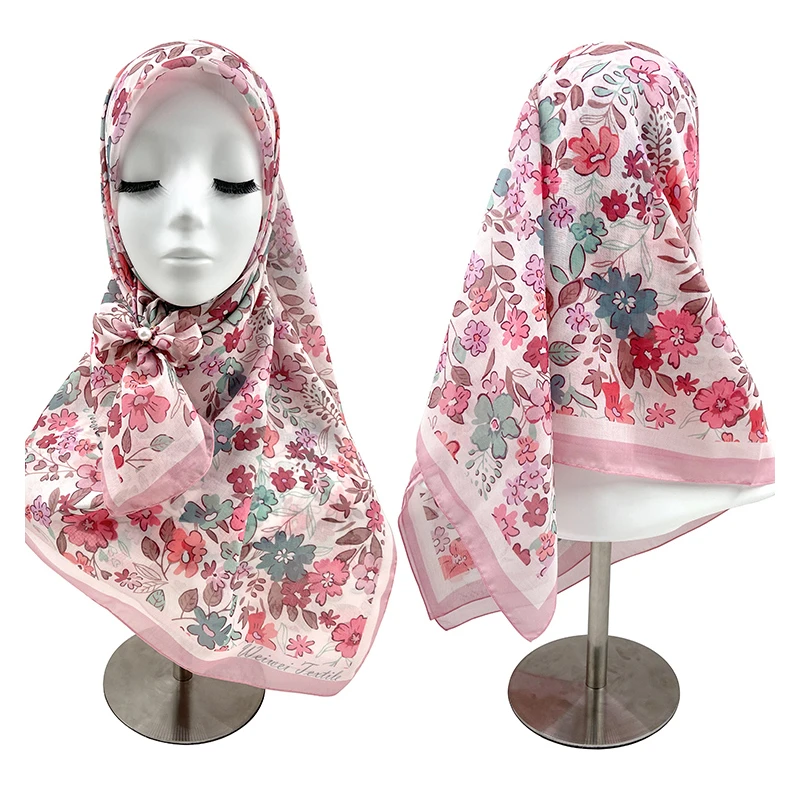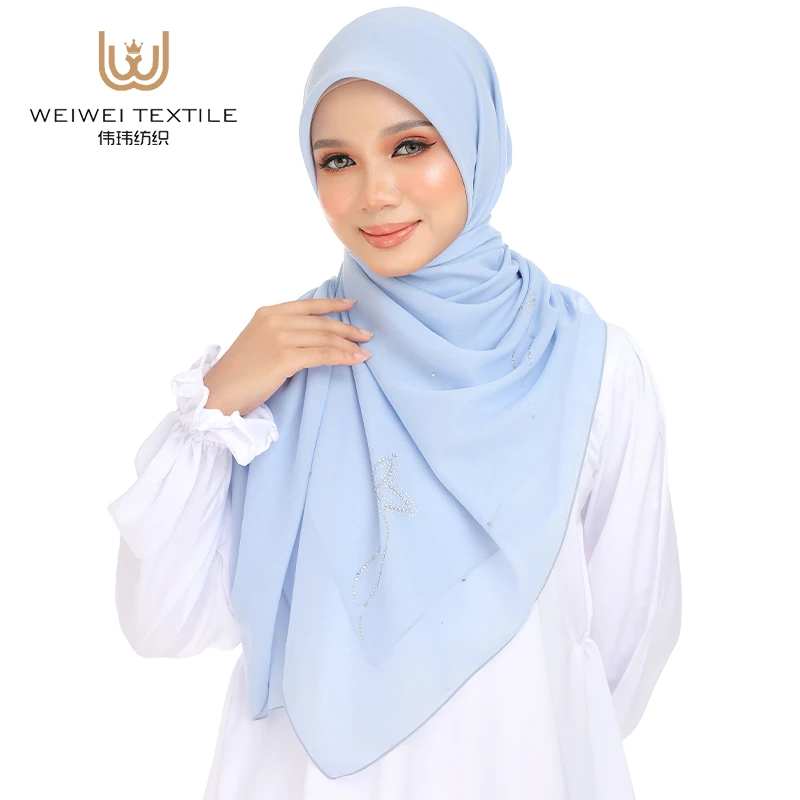
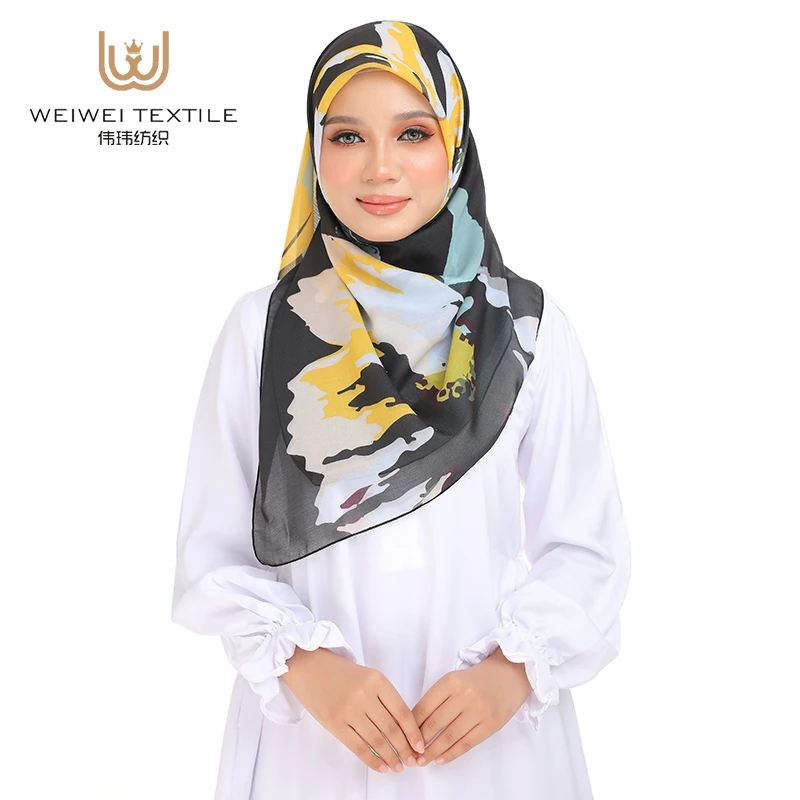
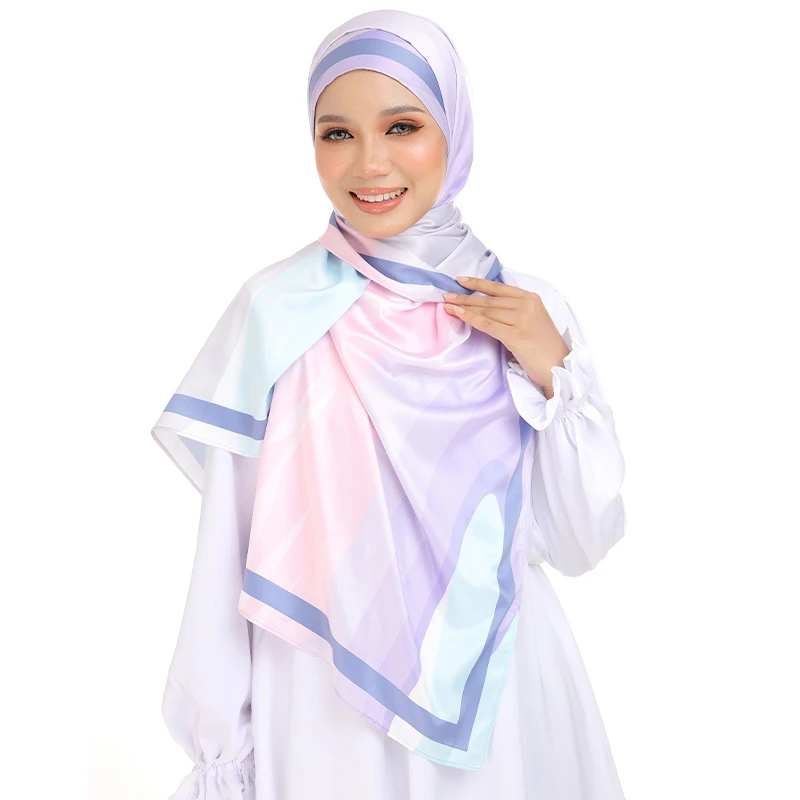
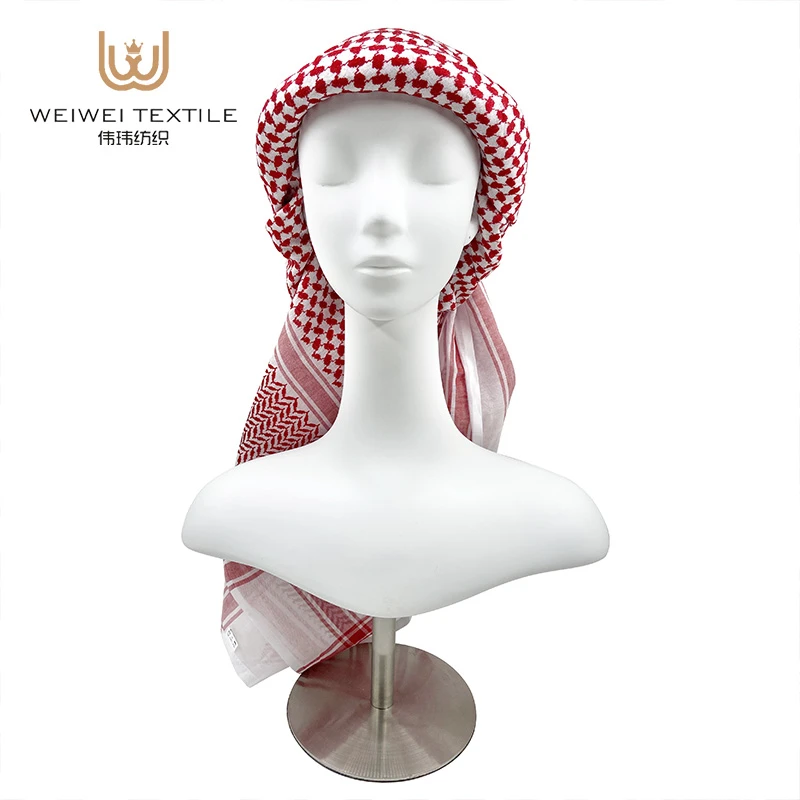
Algeria's textile market is characterized by a strong demand for modest fashion that balances religious adherence with contemporary style. The regional climate requires fabrics that offer both coverage and breathability, making the abaya scarf a fundamental accessory for millions of women. Because of the diverse urban and rural demographics, there is a constant need for varied fabric weights and textures that can withstand different seasonal temperatures across the North African landscape.
From a procurement perspective, Algerian wholesalers and retailers are increasingly seeking affordable silk scarves that provide a high-end look without prohibitive costs. The market is shifting toward highly customized designs that incorporate local aesthetic preferences, such as specific floral patterns or muted tones. This trend places significant pressure on manufacturers to offer flexible minimum order quantities and rapid prototyping to keep pace with fast-changing retail cycles.
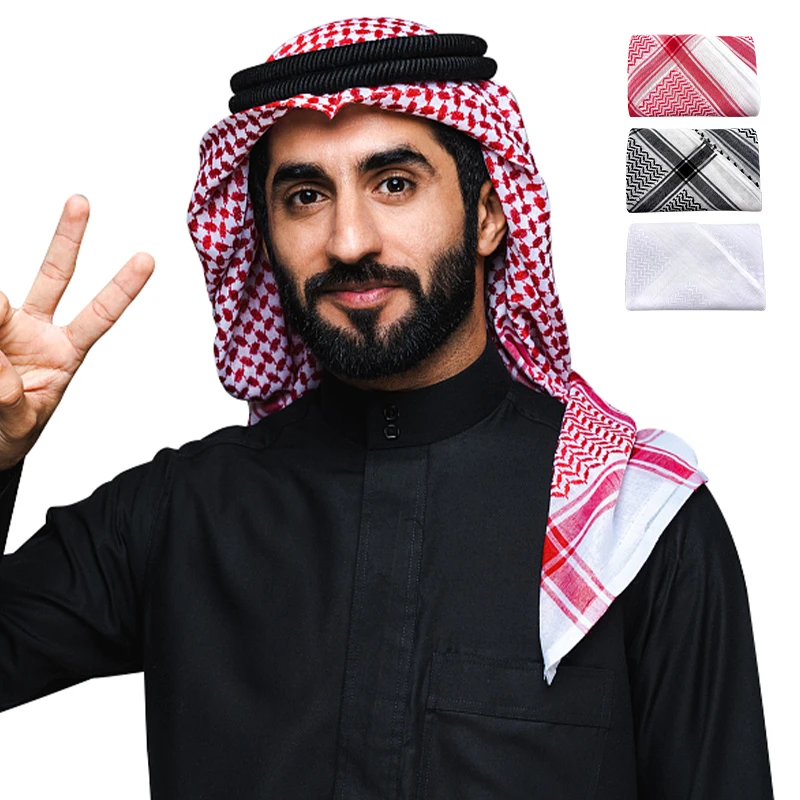
The industrial environment in Algeria is evolving towards more integrated supply chains. For enterprises focusing on the textile sector, the ability to source comprehensive production lines—including weaving, printing, and finishing—is critical. By optimizing the production of the african scarf, manufacturers can ensure consistency in color fastness and fabric durability, which are primary concerns for the end-consumer in the Maghreb region.