Market Insights
The Modest Fashion Landscape in Sri Lanka
Analyzing the demand for high-quality textile imports in the South Asian region.
Sri Lanka's modest fashion market is characterized by a diverse consumer base that values both traditional modesty and modern elegance. In urban centers like Colombo and Kandy, there is a growing demand for high-quality hijabs and scarves that can withstand the humid tropical climate. The market relies heavily on imports for specialized fabrics like high-grade chiffon and satin, as local production focuses more on general apparel. This creates a significant opportunity for specialized manufacturers who can provide a reliable stream of consistent, high-quality textiles tailored to specific regional preferences for opacity and drape.
Current market trends show a shift toward "affordable luxury." Consumers are increasingly seeking affordable silk scarves that offer the aesthetic of premium silk with the durability and price point of high-performance blends. Additionally, there is a rising influence of global styles, including a demand for versatile african head scarf patterns and textures, reflecting a more cosmopolitan approach to modest wear. Digital commerce is also driving demand for smaller, more frequent shipments of varied designs rather than massive, monolithic orders of a single pattern.
The primary constraint in the Sri Lankan market remains the gap between luxury high-end imports and low-quality mass-market goods. There is a clear vacancy for a "mid-to-high" tier supply chain that offers professional customization and factory-direct reliability. For businesses that can bridge this gap by offering customized voile and satin options with stable lead times, the outlook is highly positive. The ability to integrate R&D and production allows for a faster response to the seasonal color shifts and fabric weight adjustments necessary for the local environment.
Industry Evolution
Evolution of Modest Textile Manufacturing
From basic weaving to integrated high-fashion textile engineering.
Early Phase
Standardized Weaving
Production focused on mass-market, single-color fabrics with limited variety in material blend or finishing techniques.
Growth Phase
Integrated Processing
Introduction of in-house printing and finishing workshops to provide more diverse colors and customized patterns for global clients.
Current Phase
Customized Solutionism
Shift toward a full R&D model integrating design, production, and sales to meet highly specific customer requirements.
Technological Integration
The adoption of advanced printing workshops has allowed for higher precision in complex patterns, reducing waste and improving the vibrancy of colors on chiffon and satin fabrics.
Supply Chain Verticalization
By owning the weaving, printing, and processing workshops, factories can now reduce lead times by 30-50% compared to fragmented outsourcing models.
Market-Driven R&D
Modern manufacturing now begins with deep customer need analysis, ensuring that the fabric weight and drape are optimized for the end-user's regional climate.
Future Outlook
Emerging Trends in the Global Hijab Industry
Adapting to new consumer behaviors and textile innovations.
Sustainable Fabric Blends
A shift toward eco-friendly dyes and recyclable synthetic blends to meet the growing demand for sustainable modest fashion without compromising luxury.
Hyper-Customization
Brands are moving away from bulk catalogs toward "capsule collections" with unique, limited-edition prints produced in smaller, agile batches.
Breathability Engineering
Advanced weaving techniques to increase airflow in satin and chiffon, specifically targeting markets in high-humidity regions like South Asia.
Digital Supply Integration
The rise of direct-to-factory digital ordering systems that allow distributors to monitor production status in real-time.
The convergence of these trends indicates a market moving toward a "Pull" system rather than a "Push" system. Instead of factories pushing generic stock into the market, the demand from niche segments—such as luxury abaya boutiques in Sri Lanka—is pulling specific, high-quality textile solutions. This requires a manufacturer that is not just a production house, but a partner in design and material science.
Furthermore, the integration of the entire value chain, from the weaving workshop to the finished product processing workshop, is no longer an advantage but a necessity. This vertical integration allows for the rapid prototyping of new african head wraps and hijabs, ensuring that the time from a trend's emergence to a product's availability is minimized.
Practical Application
Deployment Scenarios for Modest Textile Supply
How our manufacturing capabilities solve real-world business problems.
01
Colombo Boutique Luxury Collection
A high-end boutique in Colombo requires a limited run of custom-printed satin hijabs. Using our small-order customization capability, we produce a unique design batch that allows the boutique to maintain exclusivity while avoiding the costs of massive minimum order quantities (MOQs), increasing their margin per piece.
02
Regional Wholesaler Stock Optimization
A textile wholesaler supplying multiple cities in Sri Lanka faces stockouts during religious festivals. By leveraging our 50,000 piece daily capacity and integrated production line, they establish a rolling supply agreement that ensures a constant flow of staple voile scarves, eliminating lost sales during peak demand.
03
Specialized Modest Wear Startup
An emerging brand focusing on african head wraps needs specific elasticity and opacity. We utilize our R&D capability to develop a custom fabric blend that meets their technical requirements, providing them with a unique product that outperforms generic competitors in the local market.
04
Corporate Uniform Modesty Program
A corporate entity requires standardized, durable, and professional-grade scarves for its female staff. Our quality control system ensures that 1,000+ pieces are identical in color and texture, providing a unified corporate image while ensuring employee comfort through breathable material selection.
05
Seasonal Color Shift Implementation
A retailer needs to pivot their entire inventory from winter tones to bright spring colors in three weeks. Our integrated printing workshop allows for rapid color changes on the production line, enabling the retailer to be the first in their market to launch the new seasonal palette.
Client Perspectives
Representative Operator Use Cases
Illustrative results based on typical distribution and retail partnerships.
The ability to handle small customized orders allowed us to test three new patterns of chiffon hijabs before committing to a full-scale launch. The consistency in dye across the batches was exceptional, ensuring our retail customers received identical products across different store locations.
Sourcing at scale used to be a nightmare of fragmented suppliers. Transitioning to an integrated factory that manages weaving and printing under one roof has drastically reduced our lead times and eliminated the fabric quality variances we previously experienced with smaller workshops.
Finding a manufacturer that understands the technical balance between opacity and breathability for the humid South Asian climate is rare. The R&D support we received for our specialized head wraps gave us a distinct competitive edge in the regional market.
Our Heritage
Xinji Weiwei Textile: Two Decades of Excellence
From a focused weaving plant to a global leader in modest fashion textiles.
2004
Company Foundation
Xinji Weiwei Textile was established in Shijiazhuang city, Hebei province, starting with a core focus on high-quality textile weaving to serve the regional market.
Growth Phase
Production Expansion
Expanded facilities to cover 10,000 square meters, integrating specialized printing and finished product processing workshops to create a complete production line.
Current Era
Global Market Leadership
Became a TOP manufacturer integrating design, R&D, production, and sales, specializing in Sudanese Toubs and a comprehensive range of hijabs including voile, chiffon, and satin.
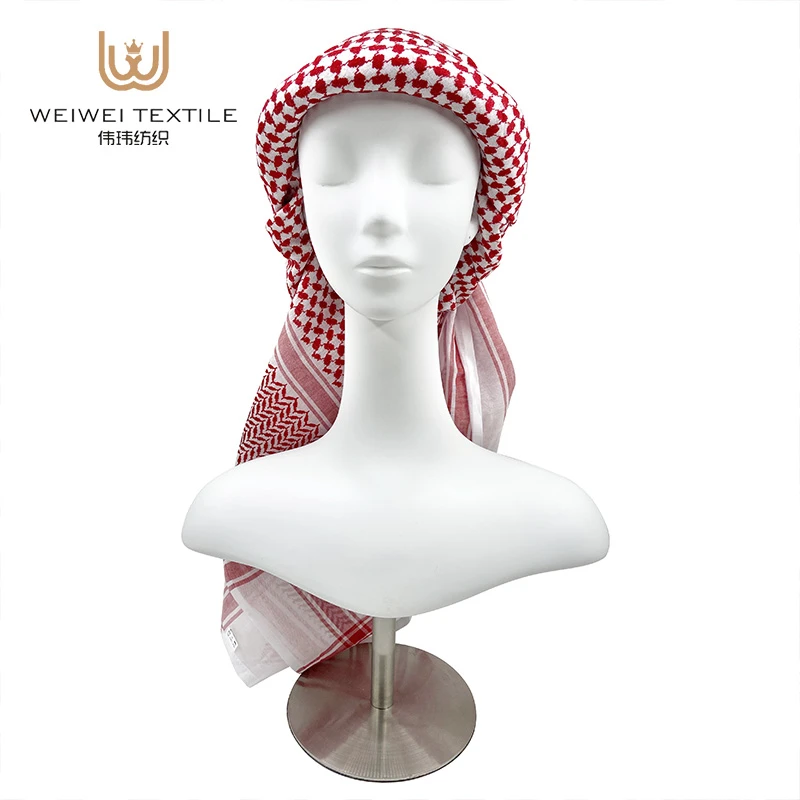
Arab Men Head Scarf Shemagh Yashmagh
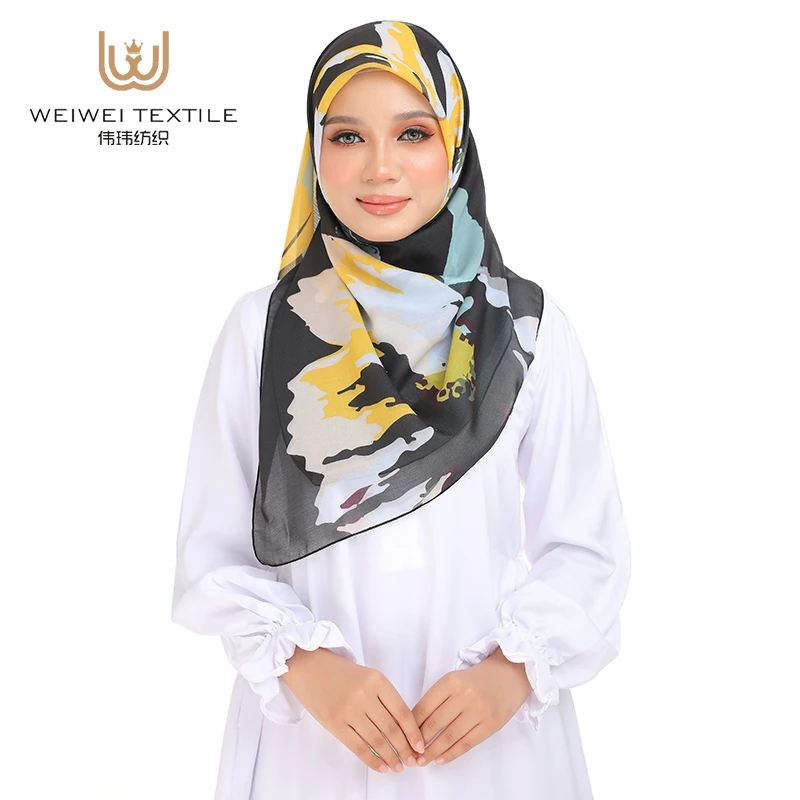
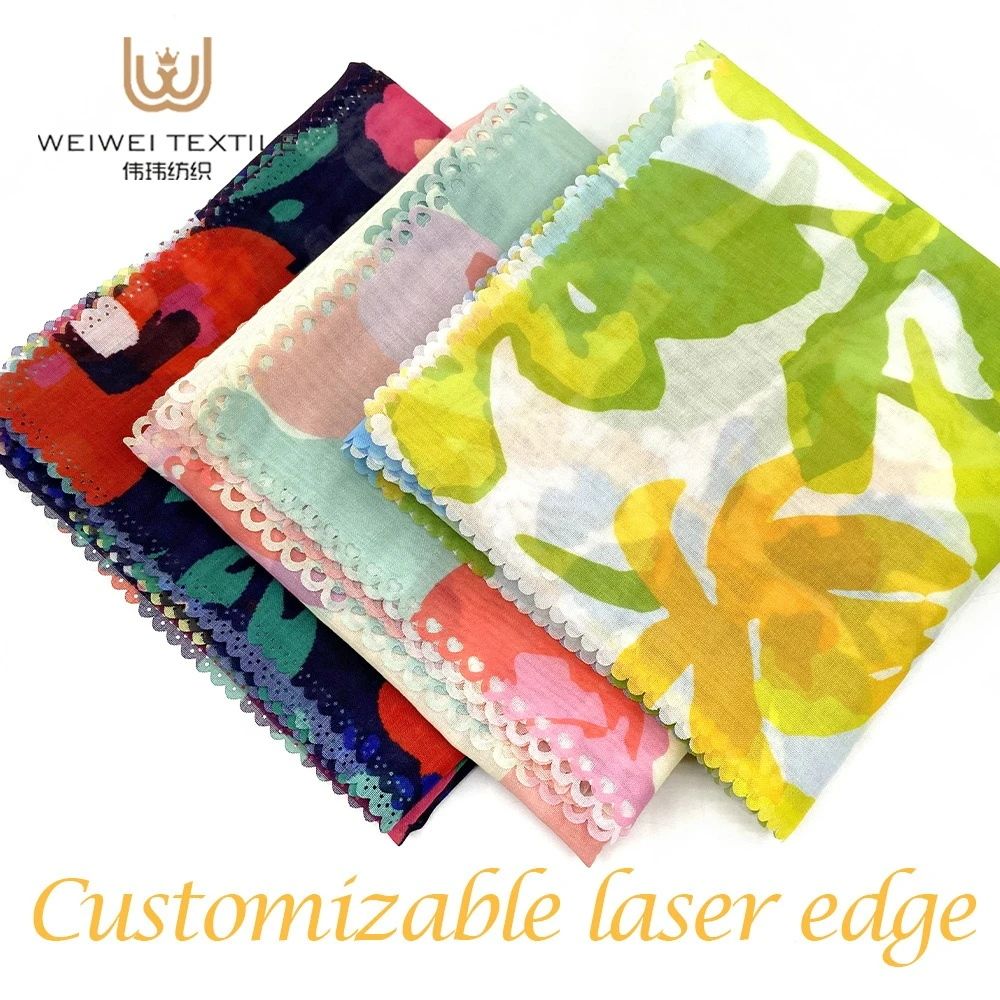
Scarf Weiwei Custom Printed The Newest Designs
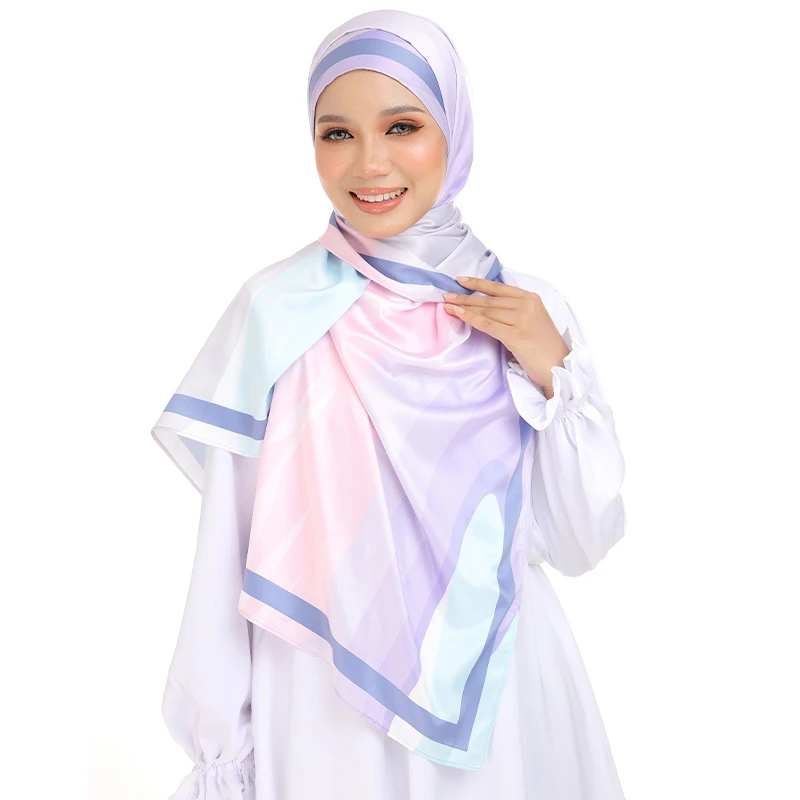
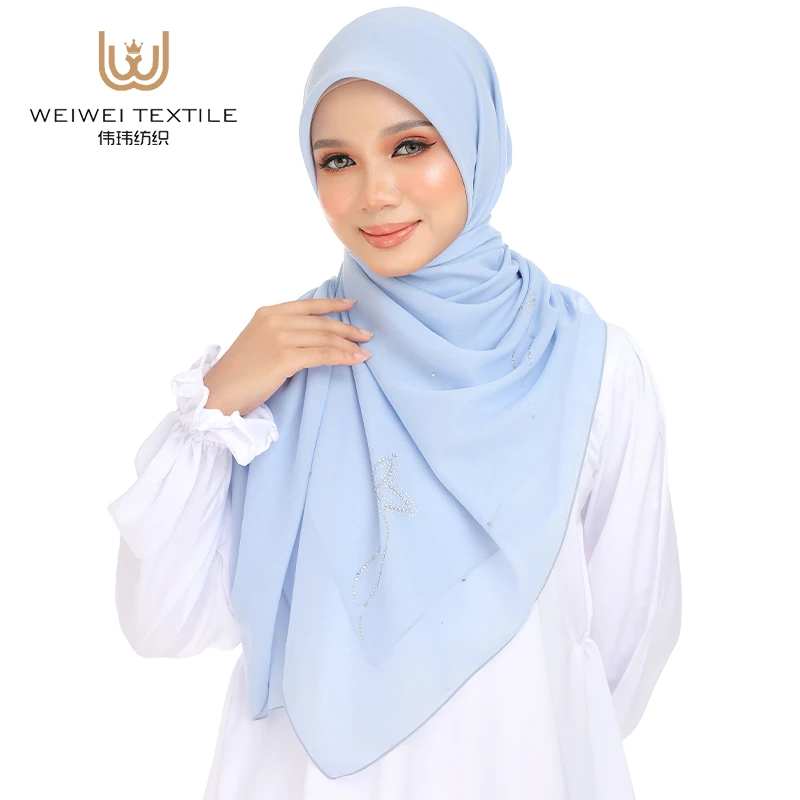
Satin Silk Headscarf With Unique Designs
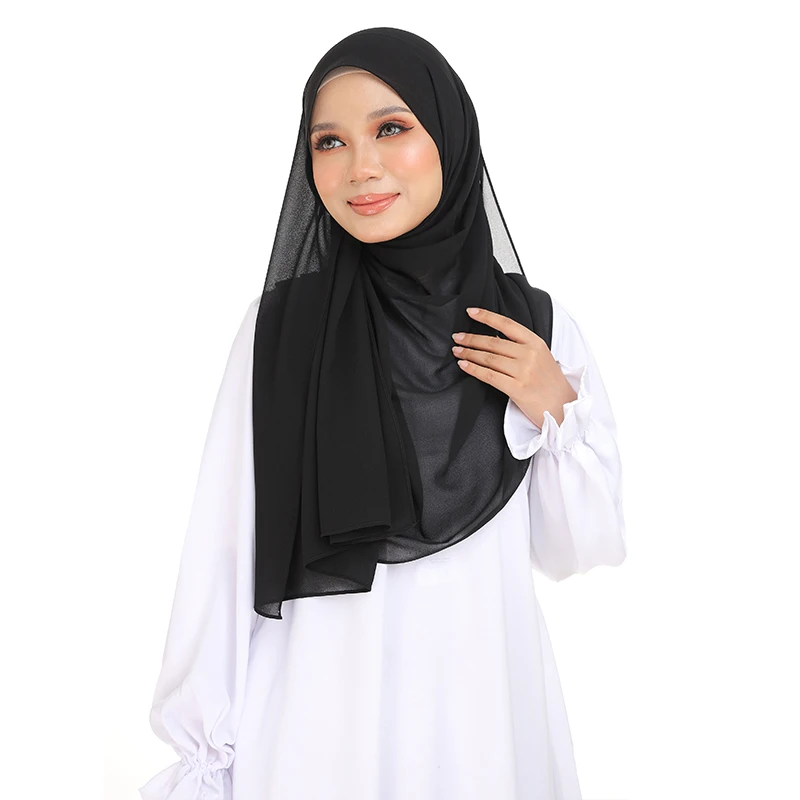
Waterproof Cotton Voile Muslim Printed Headscarf Hijab
Common Questions
Everything You Need to Know About Sourcing
Expert answers to the most frequent queries from our international partners.
What is the primary difference between your voile, chiffon, and satin hijabs?
Voile is a lightweight, breathable cotton-blend ideal for daily wear in humid climates like Sri Lanka. Chiffon offers a more fluid drape and a sheerer look, often preferred for formal events. Satin provides a high-luster, luxurious finish and a heavier drape, perfect for premium evening wear. The choice depends on the desired opacity and the specific occasion the end-user is targeting.
Can you accommodate small customized orders for new design testing?
Yes, we explicitly accept small customized orders to support brands in their R&D and market testing phases. Our integrated production lines allow us to pivot quickly between mass production and small-batch customization without sacrificing quality. This is particularly beneficial for boutiques wanting to test unique patterns or color palettes before committing to large inventories.
How do you ensure color consistency across large mass production orders?
Consistency is managed through our in-house printing workshop and a strict quality control system. We use standardized color matching protocols and perform audits at the weaving, dyeing, and finishing stages. By controlling the entire process internally rather than outsourcing, we eliminate the variance often caused by different factory settings, ensuring that the first piece is identical to the 50,000th.
What are the typical lead times for shipping to South Asian markets?
Lead times vary based on the complexity of customization and the total volume. However, our daily capacity of 50,000 pieces allows us to process orders significantly faster than smaller workshops. Once the design is finalized, production is streamlined across our weaving and processing lines to minimize delays. We recommend planning 4-8 weeks ahead of peak festive seasons to ensure seamless delivery.
Do you provide support for developing new fabric blends for specific climates?
Yes, as a manufacturer that integrates design and R&D, we can collaborate with you to select the right materials. Whether you need higher breathability for tropical regions or specific opacity for religious requirements, we can adjust the weave and blend of the fabric. This technical support ensures your products are perfectly adapted to the local environmental conditions of your target market.
How should I start the process of requesting a customized production quote?
The best first step is to provide your specific material requirements (e.g., voile or satin), desired patterns, and estimated quantity. You can use our contact form to leave your information, and our team will reach out to discuss your technical specifications and volume needs. We can then provide a tailored quote and, if necessary, sample prototypes for your approval.
Partner With Us
Scale Your Modest Fashion Brand with Reliable Textile Manufacturing
Whether you are a boutique owner in Colombo or a regional wholesaler in Sri Lanka, our integrated production capabilities provide the stability and quality your business needs to grow. From small customized batches to mass production, we ensure your supply chain is resilient and your products are premium. Reach out today to discuss your specific fabric and design requirements.
Discuss Your Requirements