Your Trusted 24 Hours Service Provider!

Premium Hijab and Scarf Manufacturing Solutions for the Oman Market

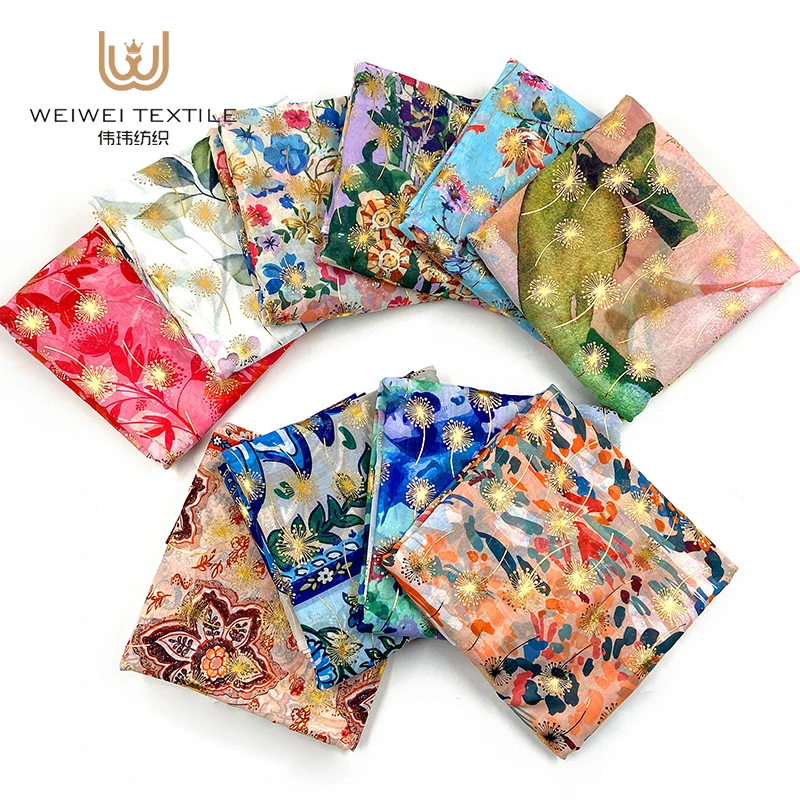
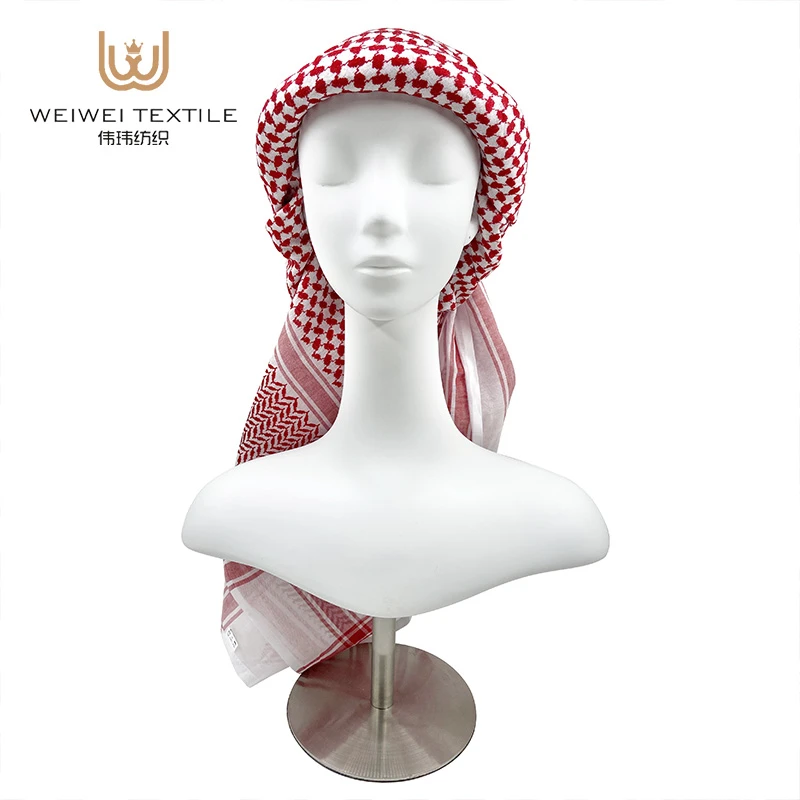
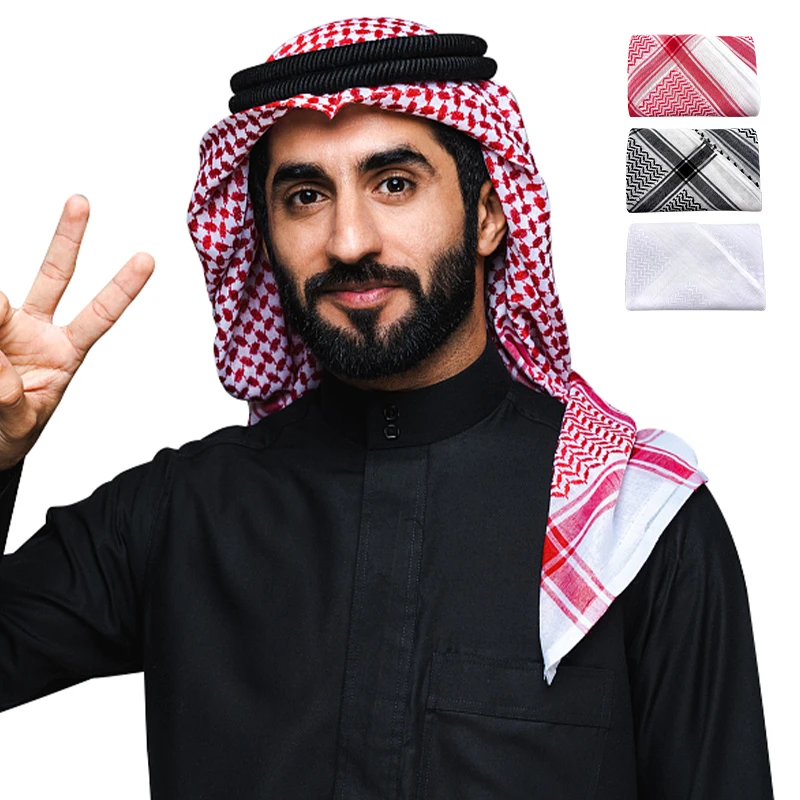
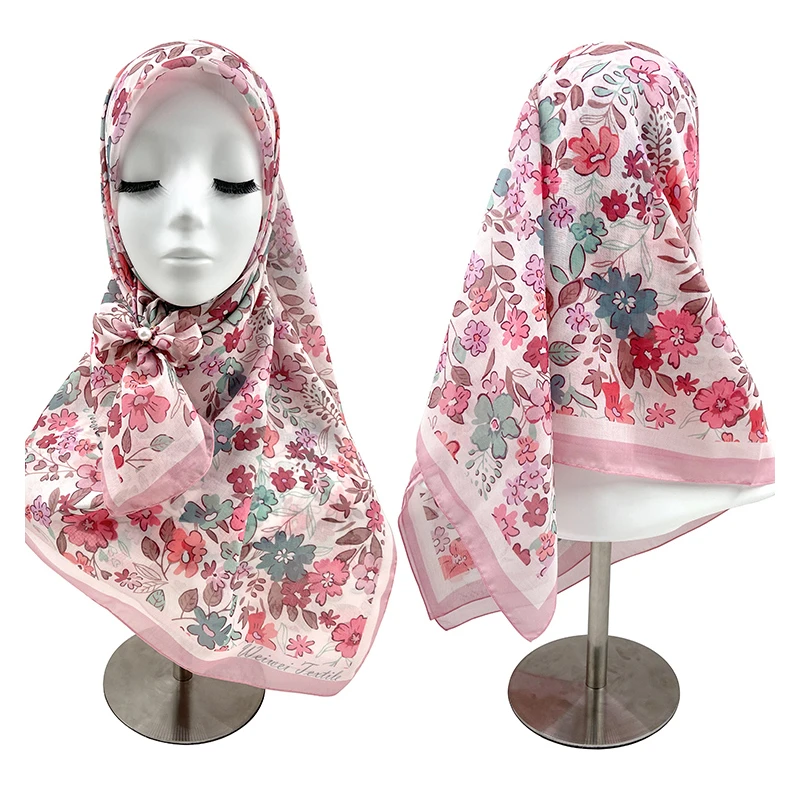
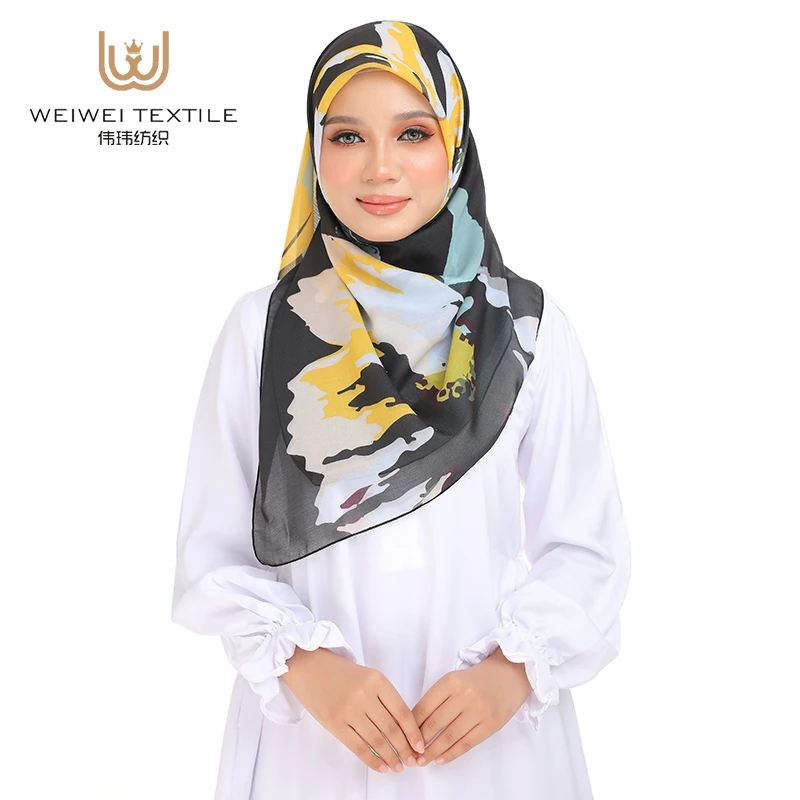
Providing high-capacity, customized textile production for abaya scarves and traditional head wraps, combining precision weaving with advanced printing for Omani distributors.

Integrated Textile Production for Oman's Modest Fashion Sector

We offer a complete supply chain from weaving and printing to final processing, specializing in abaya scarf and high-quality hijab solutions tailored for regional aesthetic and climate requirements.

Market Dynamics of the Textile Industry in Oman

Analyzing the demand for high-performance modest wear and the shift toward customized textile imports.

The Omani market demonstrates a consistent demand for high-quality modest wear, where the preference for breathable yet elegant fabrics is paramount. Due to the hot arid climate, there is a significant market pull for materials like chiffon and voile that offer both opacity and ventilation, making the sourcing of professional grade affordable silk scarves a priority for local retailers.

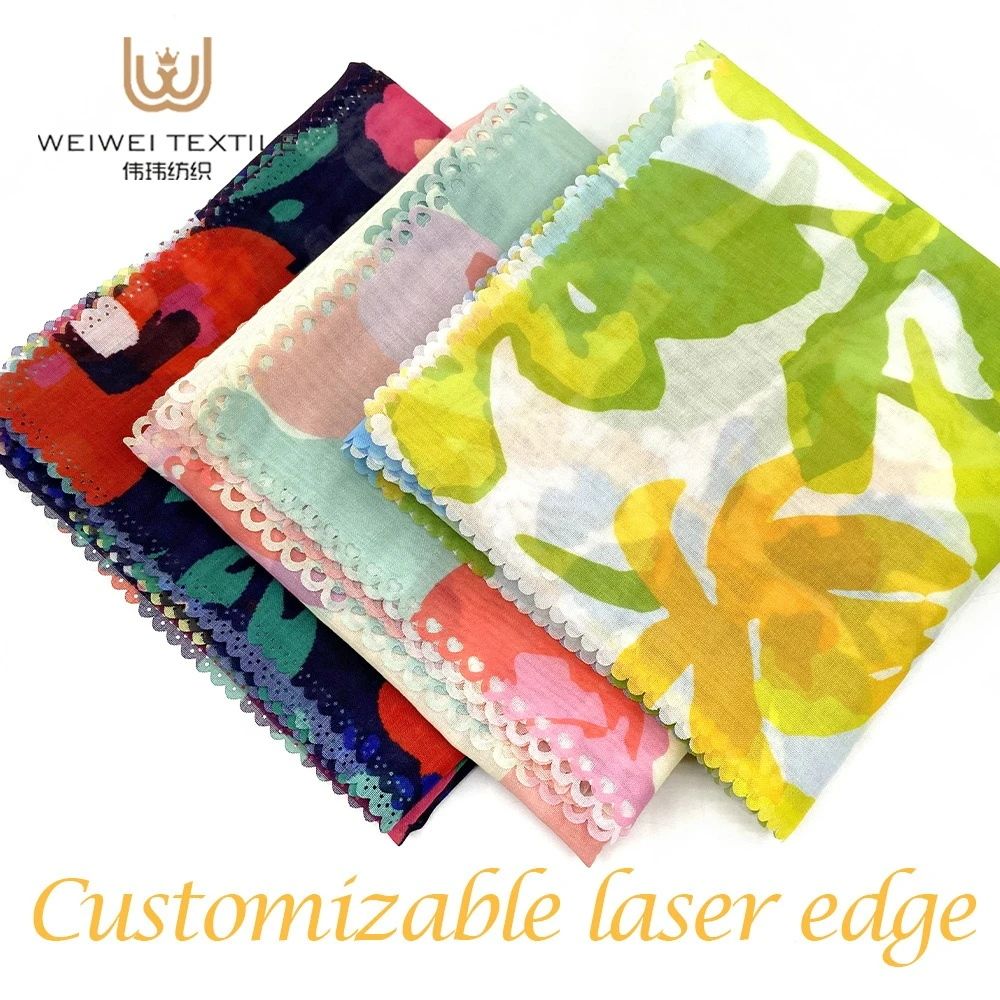
Challenges in the local supply chain often involve the lack of integrated manufacturing that can handle both small-batch customization and mass production. This creates a gap for manufacturers who can provide a seamless transition from design R&D to full-scale production without sacrificing quality control, particularly for intricate print patterns required in the region.

Customers in Oman are increasingly seeking a balance between traditional values and modern fashion trends. This necessitates suppliers who understand the specific drape and feel of an african scarf or a traditional hijab, ensuring that the final product meets the stringent cultural and quality expectations of the Gulf region.
Evolution of Modest Wear Sourcing in the Region

From traditional local tailoring to globalized high-capacity manufacturing.

Developmental Trajectory

Early Market Phase
Reliance on local artisanal weaving and basic imports. Production was fragmented, with limited ability to scale designs or maintain consistent fabric quality across large batches.

Industrial Transition
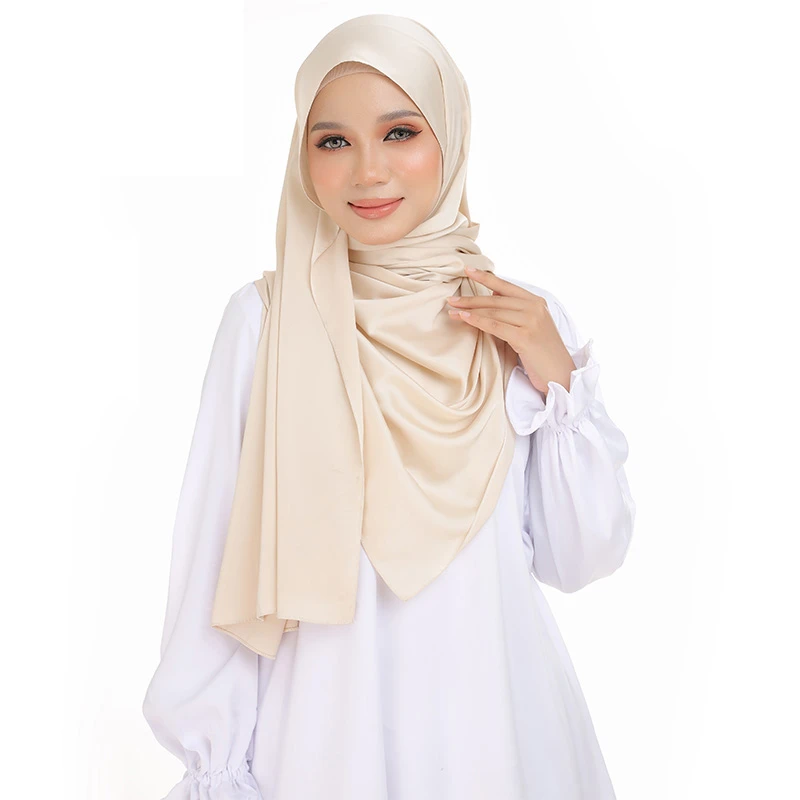
Integration of digital printing and advanced weaving workshops. The market began shifting toward standardized high-volume imports of voile and satin, increasing the availability of diverse styles.

Modern Integration
Current demand focuses on highly customized solutions and "design-to-delivery" models. Suppliers now integrate R&D with mass production to meet rapid trend changes in the modest fashion industry.

Future Strategic Trends

1. Material Innovation

Increasing adoption of hybrid fabrics that combine the luxury look of silk with the breathability of cotton to better suit the Oman climate.

2. Hyper-Customization

A move toward smaller, more frequent order cycles allowing brands to test new patterns and colors without holding excessive inventory.

3. Sustainable Production

Growing interest in eco-friendly dyeing and printing processes to reduce the environmental impact of large-scale textile manufacturing.

Global Textile Trends and Oman Market Outlook

Analyzing the intersection of global manufacturing capabilities and regional preferences.

⚡
Digital Print Speed
Rapid prototyping of patterns for faster market entry in the fashion cycle.
🤖
Automated Weaving
Increased precision in fabric density for voile and chiffon materials.
💳
Cost Optimization
Scaling production to lower unit costs while maintaining luxury finishes.
🌱
Fabric Diversification
Expanding the use of satin and high-grade blends for formal wear.

Industry Strategic Outlook

The textile industry is moving toward a model of "Efficient Customization," where the ability to handle both small customized orders and mass production becomes a core competitive advantage. For the Omani market, this means a higher demand for partners who can integrate design and production under one roof.

We recommend that regional distributors focus on diversifying their material portfolios, integrating more lightweight yet durable fabrics to maintain a competitive edge in the modest wear segment.

Textile Application Scenarios in Oman

Real-world implementations of customized scarf and hijab solutions.

01

Retail Boutique Branding

A luxury boutique in Muscat requires a limited run of high-end satin scarves with a unique brand print. We provide the design R&D and small-batch production to ensure exclusivity and high quality.

02

Mass Market Distribution

A wholesale distributor needs 50,000 pieces of breathable voile hijabs for the seasonal peak. Our factory's daily capacity ensures rapid delivery without compromising the weaving standards.

03

Cultural Specialization

Developing specific african head wraps for diverse expatriate communities within Oman, focusing on bold patterns and heavy-duty cotton blends.

04

Modest Corporate Uniforms

Providing standardized, high-durability chiffon scarves for corporate employees in the hospitality sector, ensuring a professional appearance and comfort throughout the workday.

05

Custom Headwrap Collections

Supplying specialized african head scarf materials to local designers who create bespoke wrap styles, focusing on fabric elasticity and color fastness.

Xinji Weiwei Textile: A Legacy of Precision

Two decades of expertise in specialized textile manufacturing and global supply.

2004: Foundation

Xinji Weiwei Textile was established in Shijiazhuang, Hebei, focusing on creating a robust foundation for textile weaving.

Infrastructure Expansion

The factory expanded to cover 10,000 square meters, integrating dedicated weaving, printing, and processing workshops.

Product Diversification

Specialized in Sudanese Toub and muslim scarves, expanding the product line to include voile, chiffon, and satin hijabs.

Capacity Milestones

Achieved a daily production capacity of 50,000 pieces with a dedicated workforce of 500 elite employees.

Global Market Integration

Became a top manufacturer integrating design, R&D, and sales, regularly participating in the Canton Fair to serve international markets.

Comprehensive Modest Wear Fabric Portfolio

From lightweight voile to luxurious satin, our production lines cover every requirement for the Omani textile market.

Textile Manufacturing FAQ

Answers to common technical and commercial questions regarding hijab and scarf production.

What fabric types are best for the Oman climate?

For Oman's hot climate, we recommend lightweight voile and chiffon. These materials provide the necessary coverage while remaining breathable and comfortable for daily wear.

Can you handle small customized orders for local boutiques?

Yes, we accept small customized orders to help new brands and boutique owners test their designs before moving to large-scale mass production.

What is the difference between your african head wraps and standard hijabs?

African head wraps typically utilize denser cotton blends and bolder print patterns designed for different wrapping styles, whereas our hijabs focus on the drape and lightness of voile and satin.

How do you ensure quality control for mass production?

We employ a perfect quality control system across our weaving, printing, and finishing workshops, ensuring every piece meets the specified density and color standards.

What is the typical production capacity for large orders?

Our facility has a daily production capacity of 50,000 pieces, allowing us to handle large-scale commercial orders with efficient turnaround times.

How can I start a customized project for the Omani market?

You can leave your detailed requirements through our contact page, and our design and R&D team will provide a customized solution for your specific needs.

Scale Your Modest Wear Brand in Oman

Discuss your specific textile needs, from customized african head wraps to mass-produced hijabs, with our expert production team today.

Request a Quote

If you are interested in our products, you can choose to leave your information here, and we will be in touch with you shortly.