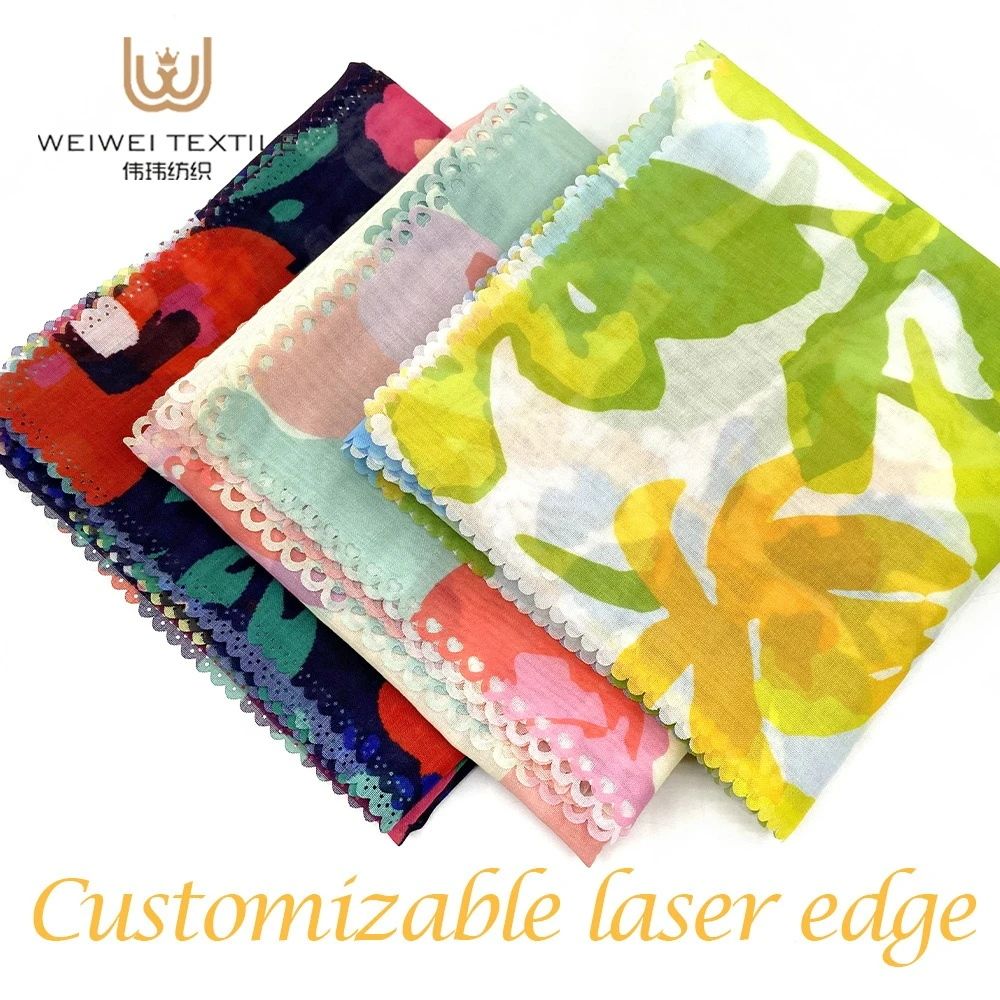
Your Trusted 24 Hours Service Provider!
Professional Scarf & Hijab Collections
Explore our versatile range of fabrics designed for modesty and elegance, suitable for retail and distribution across Norway.
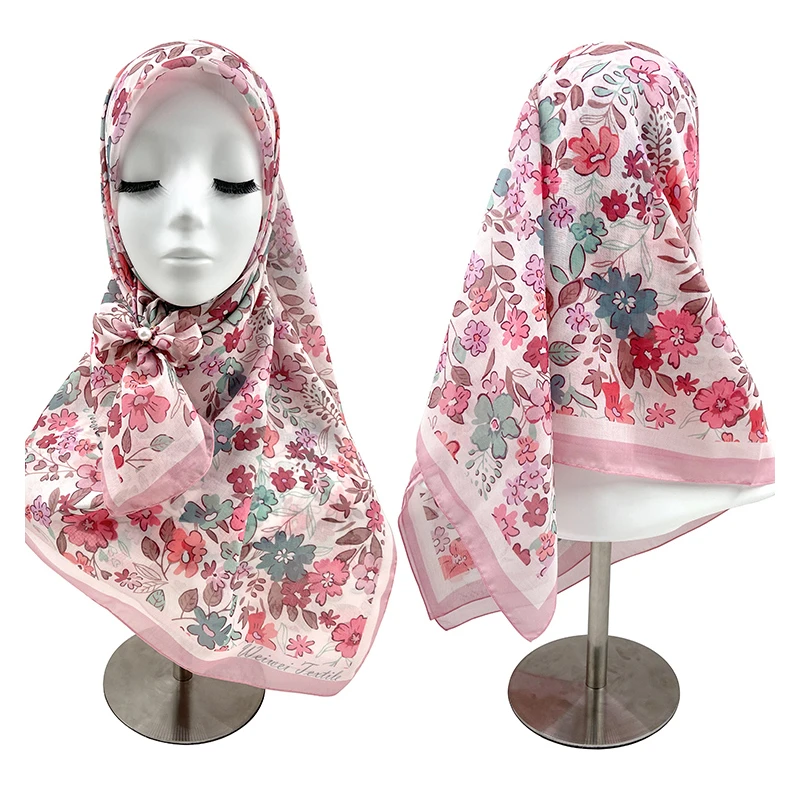
115*115cm Tudung Bawal For Malaysian Women
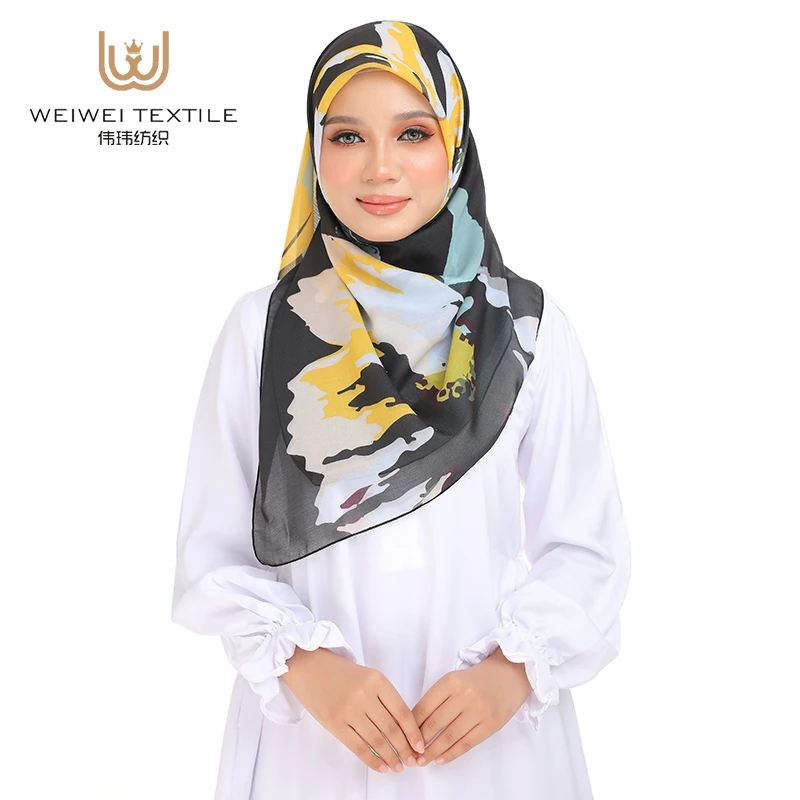
Scarf Weiwei Custom Printed The Newest Designs
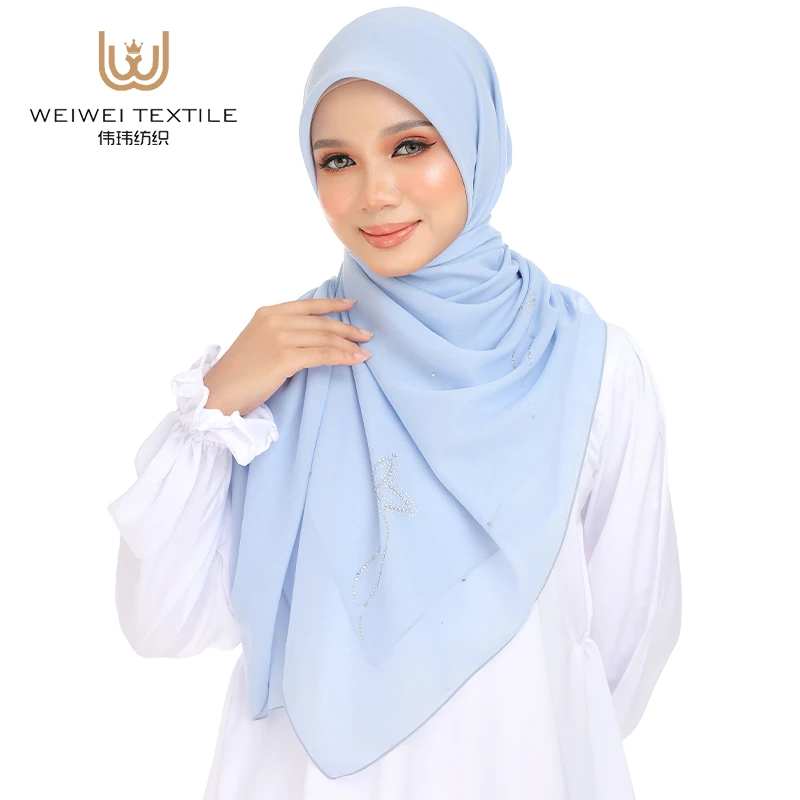
Ethnic Beautiful Drill Plain Square Scarf For Women
MARKET ANALYSIS
Understanding the Modest Fashion Landscape in Norway
Balancing traditional modesty requirements with Nordic aesthetic and climate considerations.
The Norwegian market for modest wear is characterized by a growing demand for high-quality fabrics that offer both breathability for indoor environments and durability for the cooler Nordic climate. Retailers in Oslo and Bergen are increasingly seeking affordable silk scarves that maintain a luxurious feel without compromising on cost-efficiency for the end consumer.
Procurement trends indicate a shift toward highly customized solutions. Norwegian businesses prioritize suppliers who can integrate design and R&D to create products that align with local tastes, such as muted tones and sustainable textile options, while ensuring a stable supply chain for daily commercial needs.
For importers and distributors, this means the ability to source directly from manufacturers who control the entire production line—from weaving and printing to final processing—is critical to ensuring quality consistency and competitive pricing in the European market.
INDUSTRY EVOLUTION
The Transition of Modest Textile Sourcing
Tracing the path from generic wholesale to specialized customization.
Early Stage
Standardized Production
Initial focus on mass-produced, generic headscarves with limited fabric options and standard sizes for global distribution.
Expansion Phase
Material Diversification
Introduction of varied textures including chiffon and satin to meet specific cultural and fashion requirements across different regions.
Current Era
Integrated Customization
Shift toward a full-service model where design, R&D, and production are integrated to provide tailored solutions for specific regional markets.
01
Fabric Hybridization
Increasing use of mixed-fiber textiles to balance the sheen of silk with the durability of synthetic blends for daily wear.
02
Niche Cultural Styling
Growing demand for specific styles like the abaya scarf and traditional wraps tailored for diverse diaspora populations.
03
Supply Chain Transparency
Buyers now require direct factory access to ensure ethical production and strict quality control of printing and finishing.
FUTURE PROJECTIONS
The Future of Modest Textile Distribution
Anticipating the next shift in garment procurement.
01
Adaptive Design
Increased focus on multi-seasonal fabrics that adapt to extreme temperature shifts in Northern Europe.
02
Digital Prototyping
The adoption of faster R&D cycles allowing buyers to verify designs before mass production begins.
03
Micro-Batching
Growth in small-order customization to support boutique retailers and niche fashion brands.
04
Eco-Conscious Finishes
A shift toward sustainable dyeing and printing processes to meet stringent European environmental standards.
As the market matures, the distinction between "affordable" and "quality" is blurring. Buyers are no longer looking for the cheapest option, but the best value—where durability and design meet a sustainable price point.
For Norwegian procurement managers, the key to success will be partnering with manufacturers who possess a complete production chain, reducing the risk of quality variance between samples and bulk shipments.
APPLICATION SCENARIOS
Real-World Applications in the Nordic Market
How our textile solutions solve specific commercial challenges.
01
Boutique Retail in Oslo
A high-end boutique requires a limited run of custom-printed scarves. By utilizing small-order customization, they can test new patterns without the risk of overstocking.
02
Cultural Community Centers
Providing large quantities of african head wraps for cultural events, requiring fast turnaround and consistent fabric weight across thousands of pieces.
03
E-commerce Modest Wear Brand
A startup brand needs a reliable supply of african head scarf options. Direct factory sourcing allows them to maintain margins while offering premium variety.
04
Wholesale Distribution for Northern Regions
Distributors supplying remote areas of Norway require heavy-duty shipping packaging and bulk african scarf designs that appeal to a diverse demographic.
05
Custom Corporate Gifting
Companies seeking high-quality textile gifts for international delegates, utilizing satin and chiffon blends to project a professional and elegant corporate image.
OUR HERITAGE
Xinji Weiwei Textile: A Legacy of Quality
From a specialized workshop to a global manufacturer.
2004
Foundation and Core Setup
Established in Shijiazhuang city, Hebei province, focusing on the fundamental production of quality textiles within a dedicated manufacturing facility.
Growth Stage
Production Infrastructure Expansion
Expanded to a 10,000 square meter facility, integrating weaving, printing, and finished product processing workshops to create a complete production line.
Current Status
TOP Global Manufacturer
Now employing 500 elite employees with a daily capacity of 50,000 pieces, specializing in Sudanese Toub, hijab, voile, chiffon, and satin for worldwide markets.
Custom Textile Solutions for Global Partners
From small customized orders to mass production, we provide the flexibility required by modern textile distributors.
KNOWLEDGE BASE
Common Procurement Questions
Technical and commercial insights for textile buyers.
What is the difference between voile and chiffon for hijab production?
Voile is typically a lightweight, plain-weave cotton that is more breathable and opaque, making it ideal for daily wear. Chiffon is a sheer, lightweight fabric with a slightly rougher feel and a beautiful drape, often used for formal occasions or layered styles.
Can I request custom prints for a small batch of scarves in Norway?
Yes, our factory accepts small customized orders. We maintain a flexible printing workshop that allows us to produce specific designs and colors for boutique brands without requiring massive minimum order quantities.
How does the factory ensure quality control for large mass production orders?
We implement a perfect quality control system across all stages: from the raw weaving process and printing accuracy to the final product processing in our specialized workshop, ensuring every piece meets the specified standards.
Which fabrics are most suitable for the Nordic climate?
For the Norway market, we recommend a combination of satin for elegance during winter events and high-quality voile or chiffon for breathable indoor comfort. Our R&D team can help select the appropriate weight and density based on your target season.
What is the typical lead time for a custom hijab order?
Lead times vary based on order volume and design complexity. However, with a daily capacity of 50,000 pieces and 500 employees, we are equipped to handle both rapid sampling and large-scale mass production efficiently.
How can I evaluate the fabric quality before placing a bulk order?
We encourage customers to inquire about samples. You can provide your specific requirements for fabric type (voile, chiffon, satin) and design, and we will provide samples to verify the material and printing quality.
PARTNERSHIP INQUIRY
Optimize Your Textile Sourcing in Norway
Connect with our expert production team to discuss custom fabric solutions and wholesale opportunities tailored for the Europe - Norway market.
Discuss Your Requirements