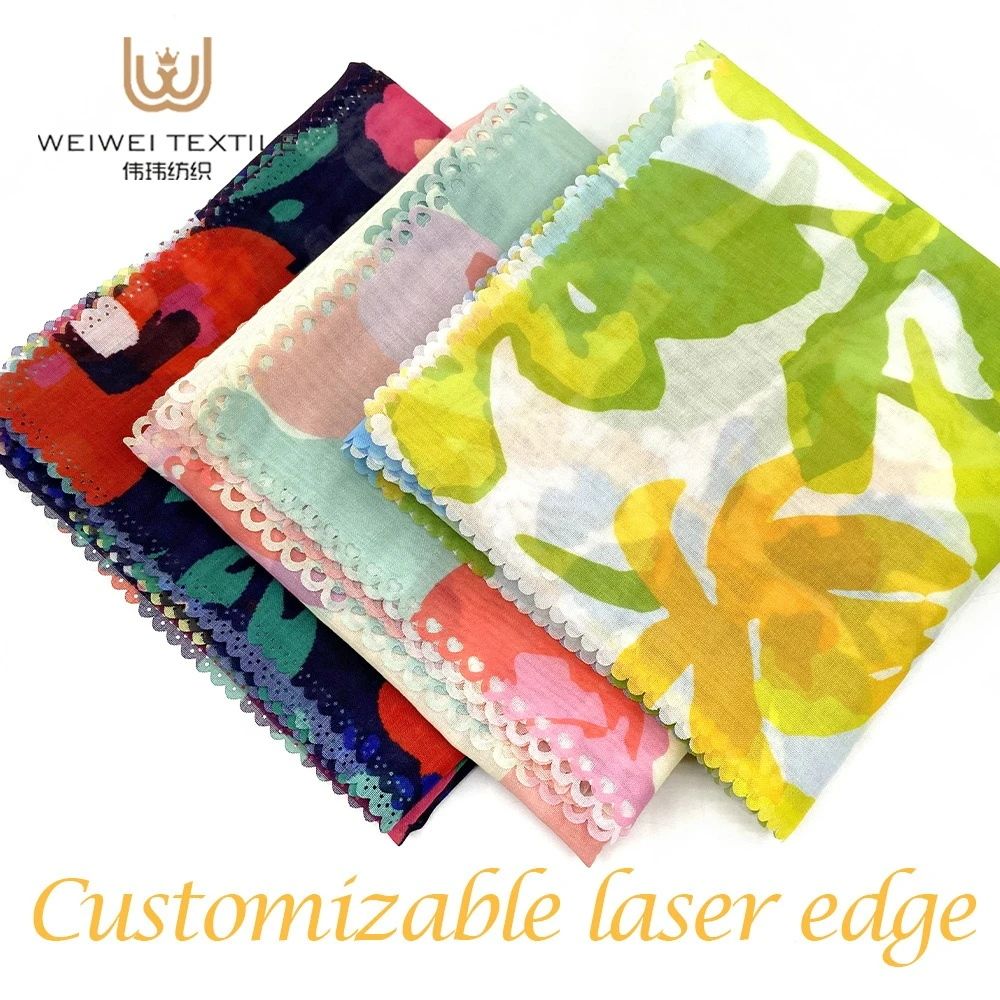
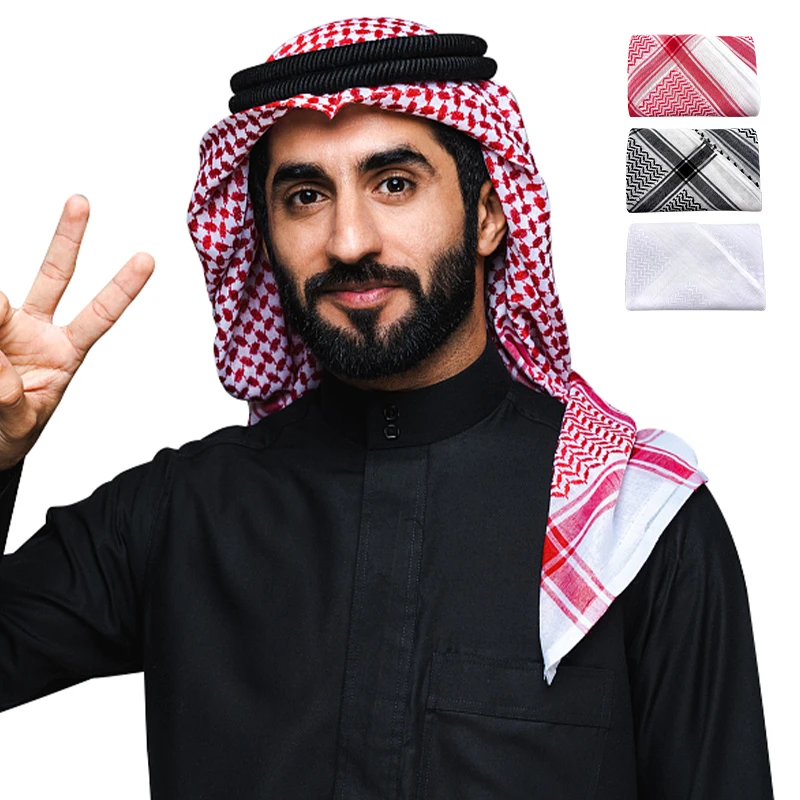
The Japanese market for specialized textiles is characterized by an extreme emphasis on tactile quality, finish precision, and color consistency. As the demand for diverse modest wear grows within urban centers, there is an increasing need for reliable supply chains that can handle both small-batch customizations and large-scale production without compromising on the "zero-defect" standard preferred by Japanese buyers.
Geographically, the concentration of fashion hubs in Tokyo and Osaka necessitates a streamlined logistics approach. Importers often seek partners who understand the nuances of fabric breathability and drape, ensuring that products like the abaya scarf meet the strict environmental and wearable requirements of the local climate.
A primary challenge for local distributors is finding manufacturers who can bridge the gap between traditional weaving and modern design. The lack of local large-scale specialized hijab production makes the Japanese market heavily dependent on high-capability overseas factories that offer complete transparency in their quality control systems.