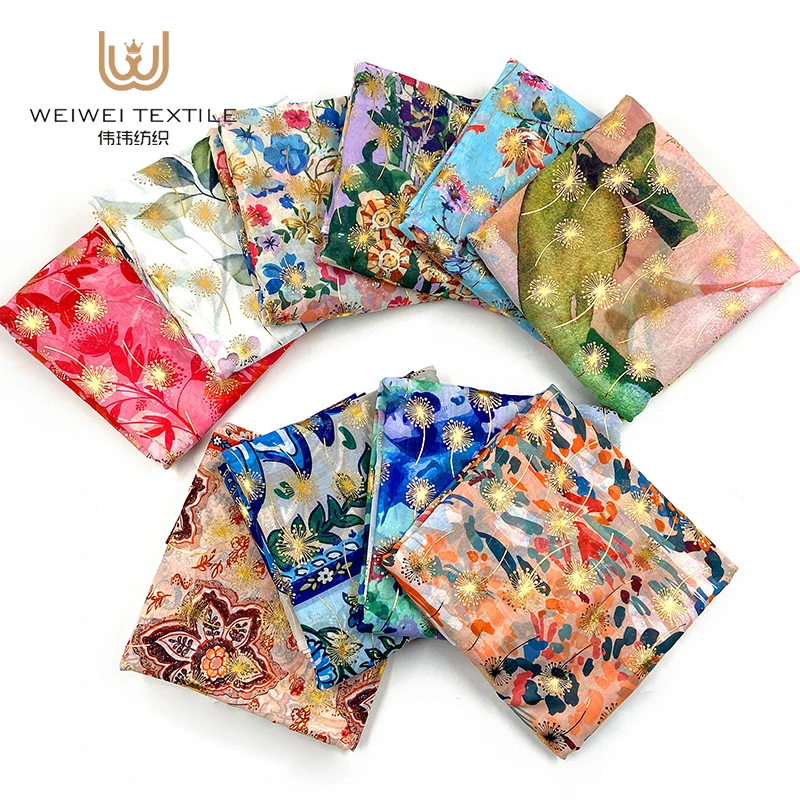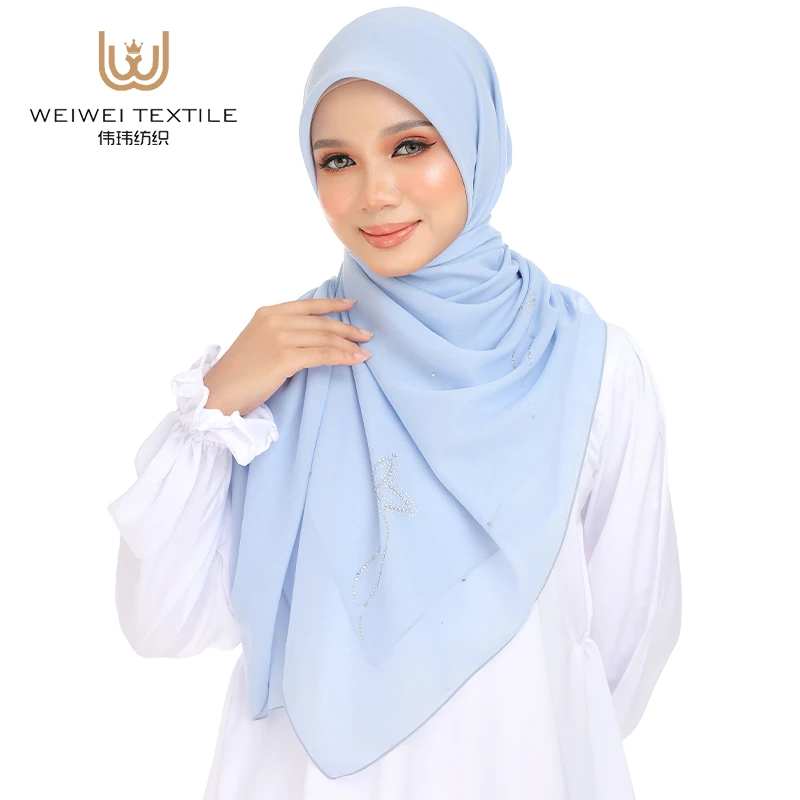
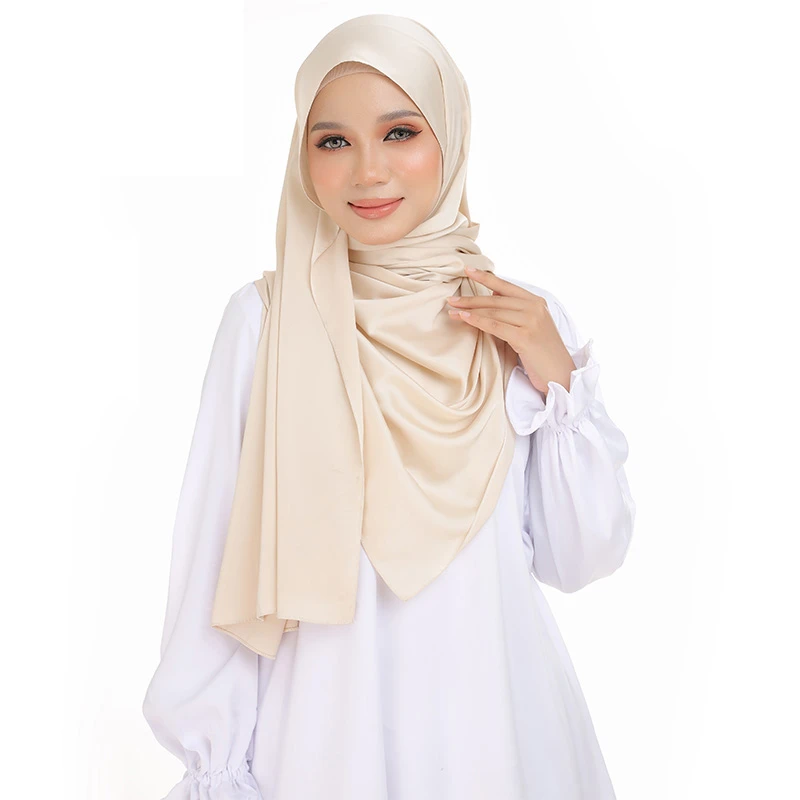

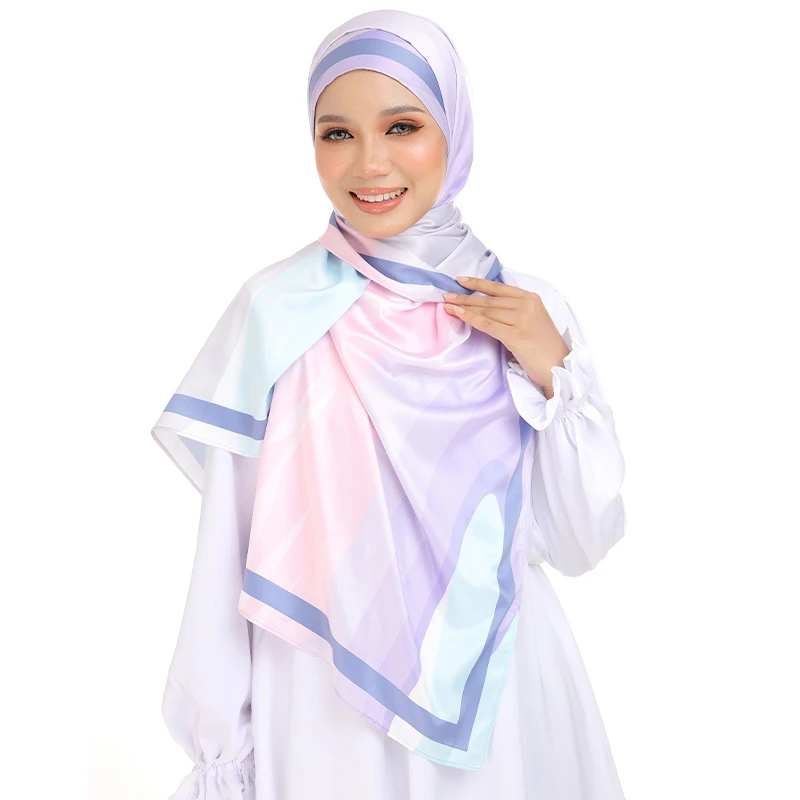
Italy's textile landscape is characterized by a sophisticated blend of high-fashion heritage and a growing demand for culturally diverse apparel. In metropolitan hubs like Milan and Rome, there is a significant increase in the search for an abaya scarf that meets both religious modesty standards and the aesthetic expectations of European luxury. This unique market environment requires manufacturers who can balance mass production with the precise quality control demanded by Italian distributors.
The shift toward inclusive fashion has opened opportunities for specialty items. We observe a rising trend where boutiques seek affordable silk scarves to cater to a wider demographic without compromising on the tactile feel of the fabric. For the African diaspora and fashion enthusiasts in Italy, the demand for authentic african head wraps has moved from niche markets to mainstream accessory boutiques, requiring a reliable supply chain that can handle diverse printing and weaving specifications.
From an industrial perspective, the challenge for Italy-based importers is finding partners who can offer high customization and scalability. The textile industry is moving toward a model where small-batch customization is paired with the ability to scale rapidly for seasonal peaks. By integrating weaving and printing workshops under one roof, manufacturers can reduce lead times, ensuring that a specific african scarf design can move from concept to delivery efficiently across the European logistics network.