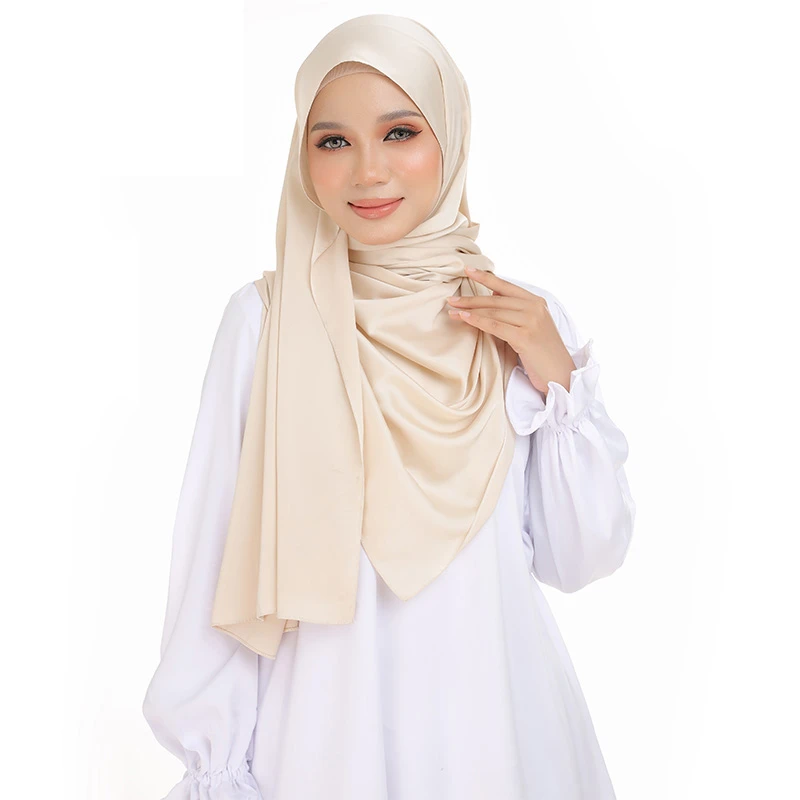
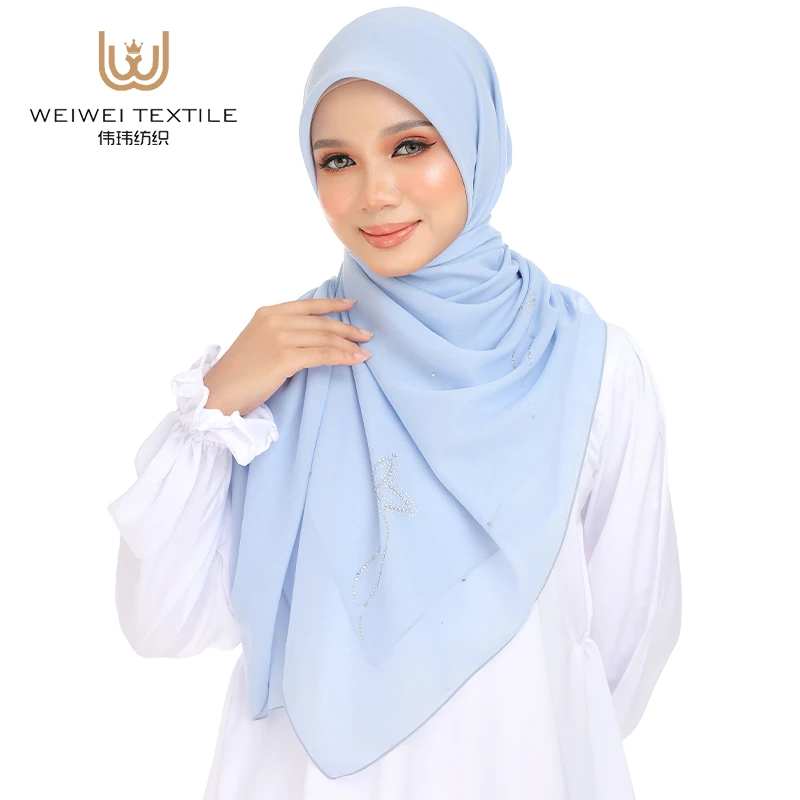
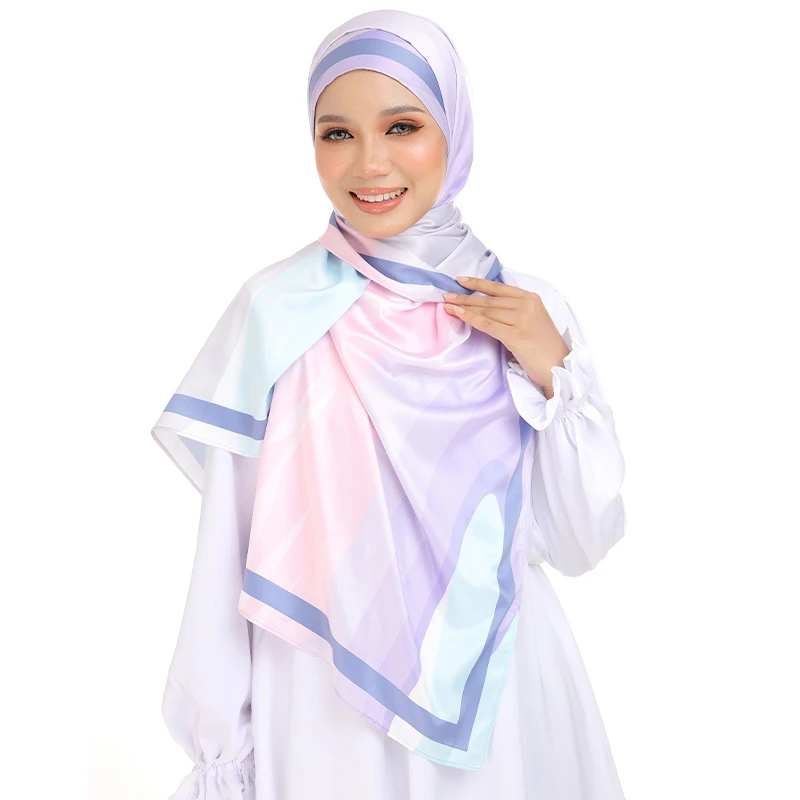
The commercial landscape in Iraq, particularly in cities like Baghdad and Basra, shows a sustained demand for modest attire due to cultural norms and the arid climate. This environment requires fabrics that offer both opacity and breathability. For wholesalers, sourcing a reliable abaya scarf that balances these factors is critical for maintaining market share in local bazaars where quality and feel are primary drivers of consumer choice.
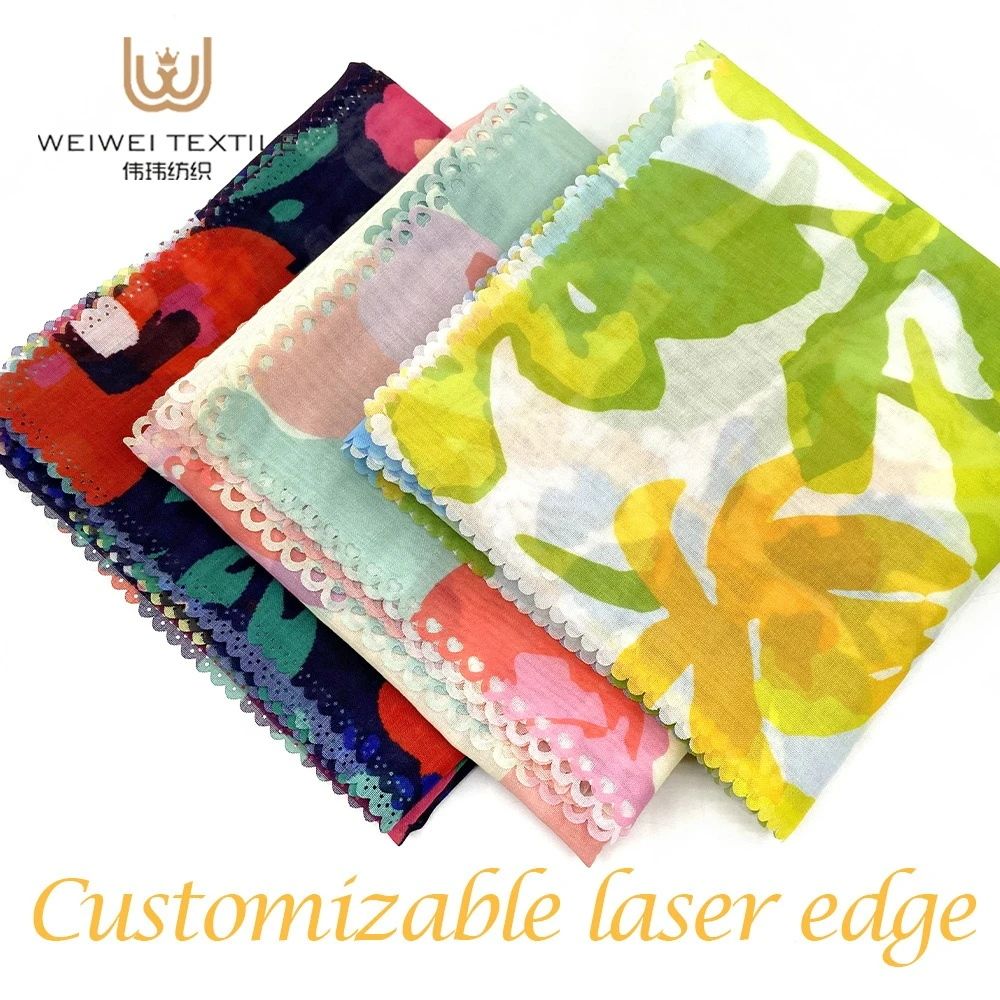
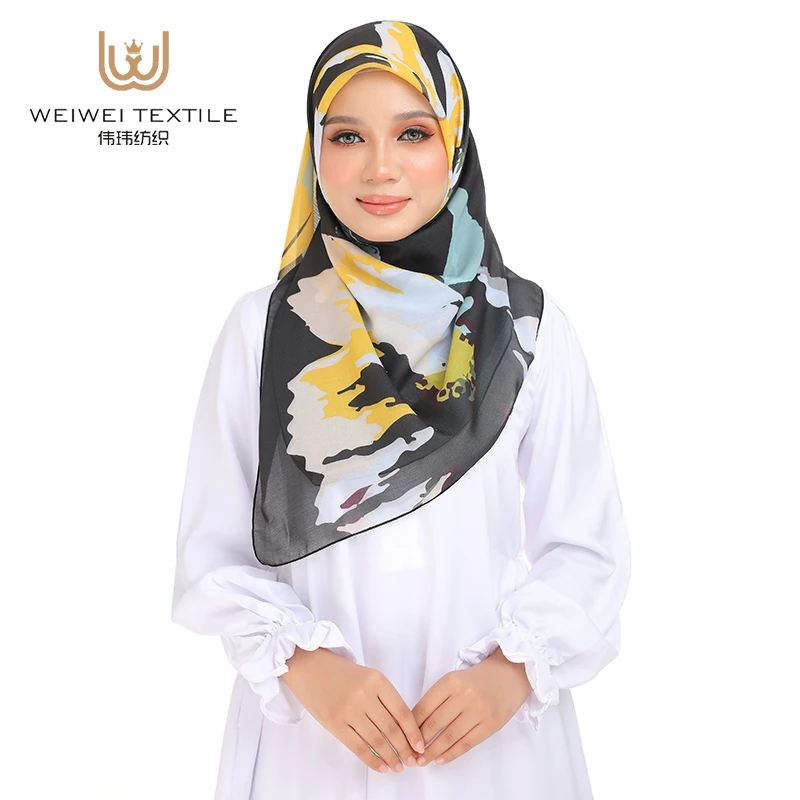
From a procurement perspective, there is a growing shift toward affordable silk scarves that mimic the luxury of high-end textiles while remaining accessible to a broader demographic. The regional preference for vibrant prints and specific drapes means that manufacturers must possess integrated weaving and printing capabilities to ensure consistency across large batches, reducing the lead time for seasonal fashion updates.
The current industrial trajectory suggests that Iraq's textile importers are increasingly seeking direct-from-factory partnerships to minimize supply chain volatility. By prioritizing factories with complete production lines—from weaving to finished processing—businesses can ensure that technical specifications for voile or chiffon are met precisely, ensuring that the end product withstands the rigors of the local environment and frequent washing.