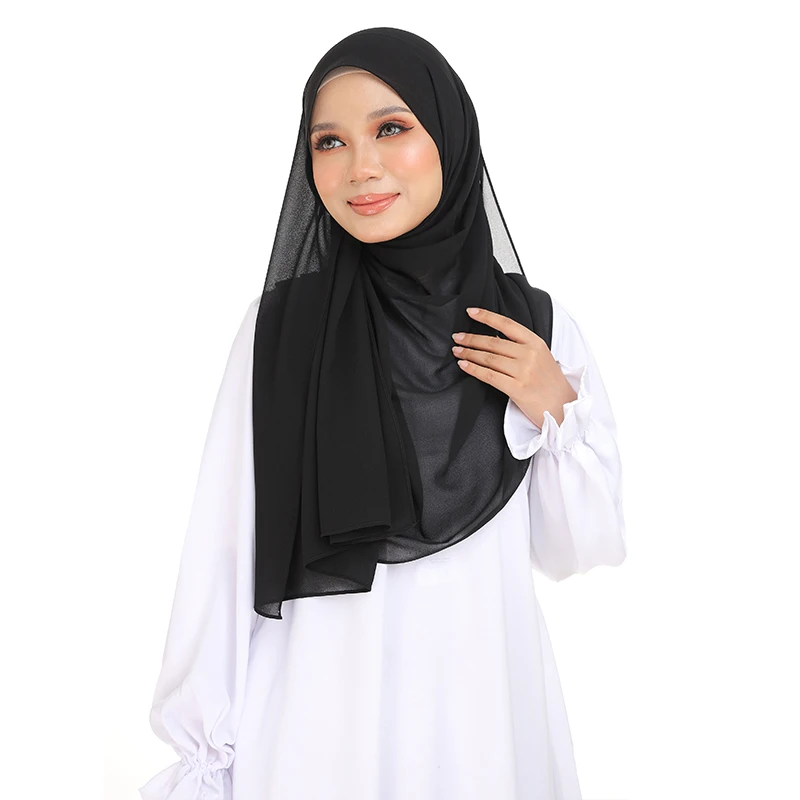

Industry Analysis
The Landscape of Modest Fashion in Europe
Analyzing the intersection of cultural tradition and modern textile requirements in the German market.
The textile market in Germany for modest fashion is characterized by a diverse demographic that demands both traditional adherence and contemporary quality. Importers of Sudanese Toubs and various hijabs require fabrics that can withstand European climate shifts while maintaining a luxurious aesthetic. The business environment in Germany prioritizes reliability, certification, and strict quality standards, making the relationship between the manufacturer and the distributor one based on long-term trust and technical consistency.
Current market trends indicate a shift toward highly customized product lines. Consumers are no longer satisfied with generic fabrics; there is an increasing demand for specific weaves of voile, chiffon, and satin that offer unique drapes and textures. This is driven by the rise of modest fashion boutiques that cater to specific cultural niches, including the growing demand for high-quality african head wraps which combine traditional patterns with modern fabric durability.
The outlook for the industry remains positive, provided manufacturers can bridge the gap between mass production and personalization. The opportunity lies in providing "small-batch customization" for German retailers who want to iterate designs quickly. However, the constraint remains the logistical complexity of importing from Asia to Europe, which necessitates partners who can manage integrated production lines and ensure a seamless transition from design to delivery.
Our Journey
Evolution of Textile Manufacturing Excellence
From a regional factory to a global supplier of professional modest wear textiles.
2004
Foundation
Established in Shijiazhuang city, Hebei province, focusing on the fundamentals of weaving and textile production for the domestic market.
Growth Phase
Vertical Integration
Expanded to include dedicated printing and finished product processing workshops, enabling the production of Sudanese Toubs.
Current Phase
Global Integration
Became a TOP manufacturer integrating R&D, design, and sales, with regular presence at the Canton Fair (up to the 135th edition).
Shift to Integrated Production
The industry evolved from fragmented workshops to integrated factories. By housing weaving, printing, and processing under one roof, we reduced fabric waste and ensured consistent quality across the entire textile pipeline.
Customization-Driven Growth
Manufacturing shifted from bulk commodity fabrics to tailored solutions. Understanding specific customer needs now drives our R&D, allowing us to provide highly customized hijab solutions in voile and satin.
Global Export Maturity
The transition to global standards involved adopting rigorous quality control systems and participating in international trade fairs to align our production with European and Middle Eastern market expectations.
Future Outlook
Emerging Directions in Global Textile Sourcing
The textile industry is adapting to new demands for sustainability, agility, and material innovation.
Agile Micro-Batching
Retailers are moving away from massive annual orders toward frequent, smaller shipments. This allows for faster response to color trends and reduces inventory risk for boutiques.
Material Hybridization
There is a rising demand for fabrics that combine the look of silk with the durability of synthetic blends, creating african head wraps that are easier to maintain.
Digital Design Integration
The integration of digital mock-ups into the production process is reducing sampling times, allowing clients to finalize prints before physical production begins.
Sustainable Finishing
A shift toward eco-friendly printing and finishing processes is becoming a key requirement for European importers seeking to meet local environmental regulations.
The overarching trend in the textile industry is the move toward "intelligent manufacturing." This involves not just the automation of the looms, but the integration of data from the end-consumer back to the weaving stage. For the modest fashion sector, this means creating fabrics that are specifically engineered for the drape and weight required by different regional styles of hijabs and abayas, ensuring that the product is fit-for-purpose upon arrival.
Furthermore, the globalization of the supply chain is leading to a "quality race." Manufacturers who can prove their quality through consistent certifications and transparent production processes will dominate the market. By maintaining a 10,000 square meter integrated facility, we are positioned to provide the transparency and stability that European distributors need to scale their own businesses without fearing supply disruptions.
Application Scenarios
Practical Applications in the European Textile Market
How our manufacturing capabilities translate into commercial success for different business models.
01
Berlin-Based Modest Wear Boutique Sourcing
A small boutique in Berlin needs a limited run of customized voile hijabs with unique edge-stitching. Using our flexible order system, they can secure a small-batch customized order without the burden of massive MOQs, allowing them to test the local market response before scaling to larger volumes through our mass production lines.
02
Wholesale Distribution of Sudanese Toubs in Germany
A large-scale wholesaler requires 20,000 pieces of high-quality Sudanese Toubs for the seasonal peak. By utilizing our integrated weaving and printing workshops, we provide a consistent fabric weight and color precision across the entire shipment, ensuring the wholesaler can maintain their brand reputation for reliability.
03
Specialized African Textile Importer in Frankfurt
An importer specializing in cultural wear needs a variety of african head wraps with complex geometric prints. Our specialized printing workshop handles the intricate patterns on durable fabrics, providing a product that maintains its color vibrancy after multiple washes, essential for the German consumer market.
04
Online Modest Fashion Store Launch
An e-commerce startup requires a diverse range of samples in chiffon, satin, and voile to build their initial collection. We provide a comprehensive sampling service from our R&D center, allowing the startup to finalize the fabric feel and drape before committing to a larger production run.
05
Corporate Gifting of Luxury Silk-Feel Scarves
A corporate entity in Munich seeks a bulk order of affordable silk scarves for a cultural event. We employ our satin production line to create a high-sheen, luxurious feel that fits the corporate budget while meeting the high aesthetic standards of the local luxury market.
Case Perspectives
Representative Operator Perspectives
Insights into how our textile solutions support various commercial operational goals.
The ability to transition from a small customized trial order to full-scale mass production without a change in fabric quality has been essential for our growth. Having a partner who controls the weaving and printing workshops directly eliminates the common communication gaps found in tiered supply chains.
Consistency in fabric weight is the biggest challenge when importing voile and chiffon. The rigorous quality control system at the factory ensures that each batch of hijabs matches the previous one, which is critical for maintaining customer loyalty in the European market.
Finding a manufacturer that understands the specific cultural requirements of Sudanese Toubs while operating at a professional industrial scale is rare. The integration of R&D and design allows for a level of customization that meets very specific regional needs.
Our Legacy
Xinji Weiwei Textile Factory
Two decades of commitment to textile innovation and industrial excellence.
2004
Factory Establishment
Founded in Shijiazhuang city, Hebei province, our factory began with a focus on core textile weaving, establishing the foundational infrastructure that would support our future growth in the modest fashion sector.
Expansion Phase
Vertical Integration
To better serve our clients, we expanded our 10,000 square meter facility to include dedicated weaving, printing, and finished product processing workshops, creating a complete production line for Sudanese Toubs and hijabs.
Current Status
Global TOP Manufacturer
Today, we are a leading manufacturer integrating design, R&D, production, and sales, employing 500 elite staff and maintaining a daily capacity of 50,000 pieces to serve a global clientele.
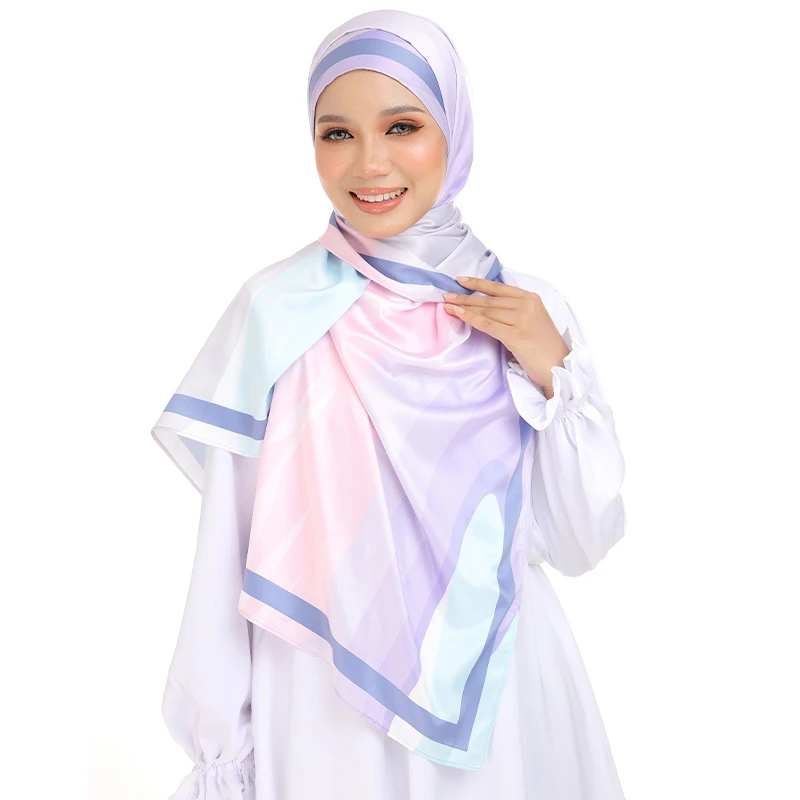
Satin Silk Headscarf With Unique Designs
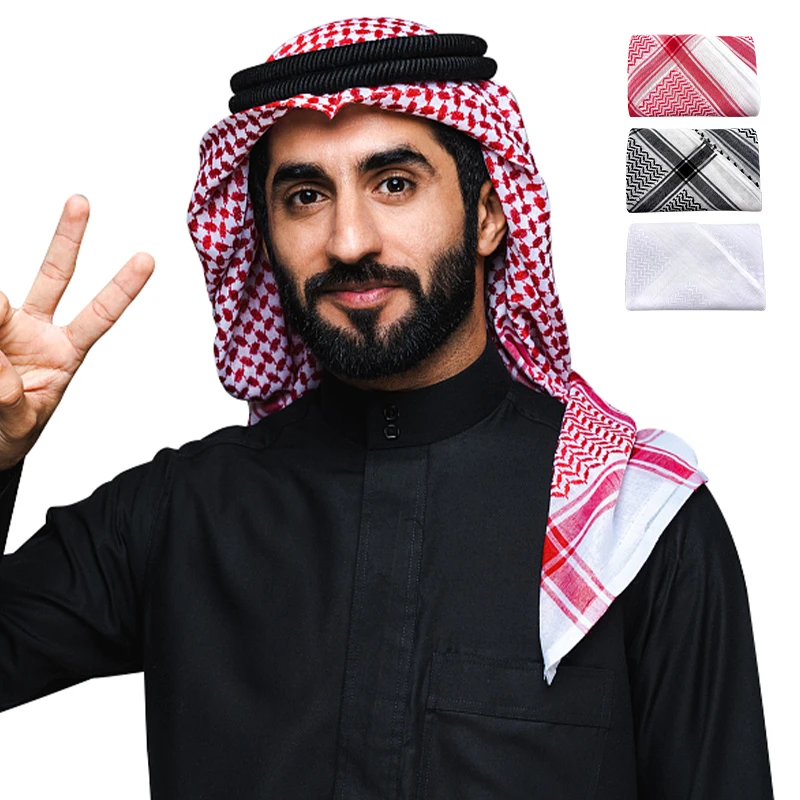
Arabic Men’ scarf Red Yashmagh Shemagh
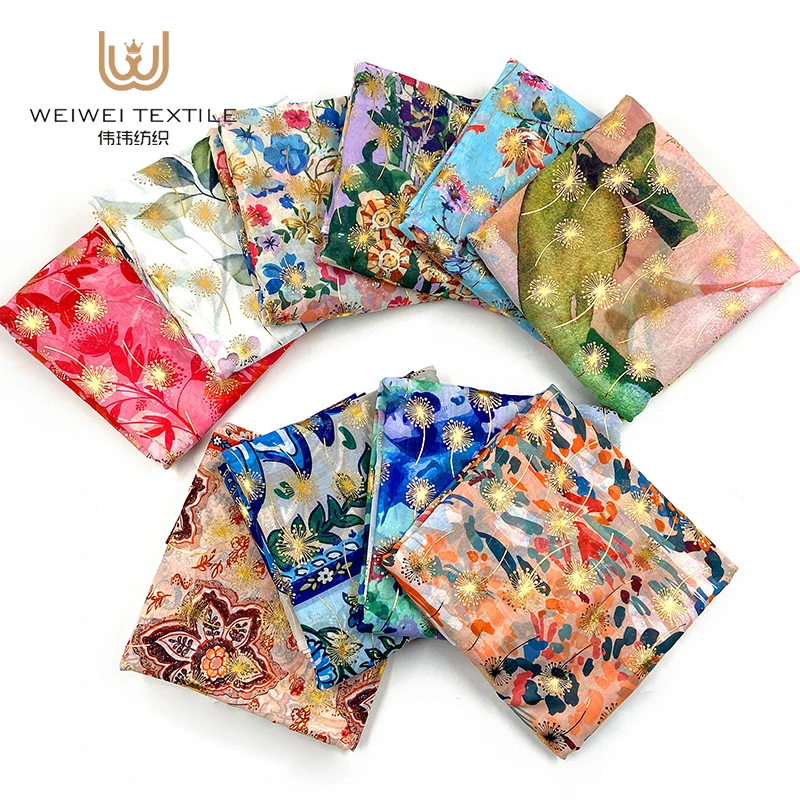
Sudanese Women Toub With Gold Stamping
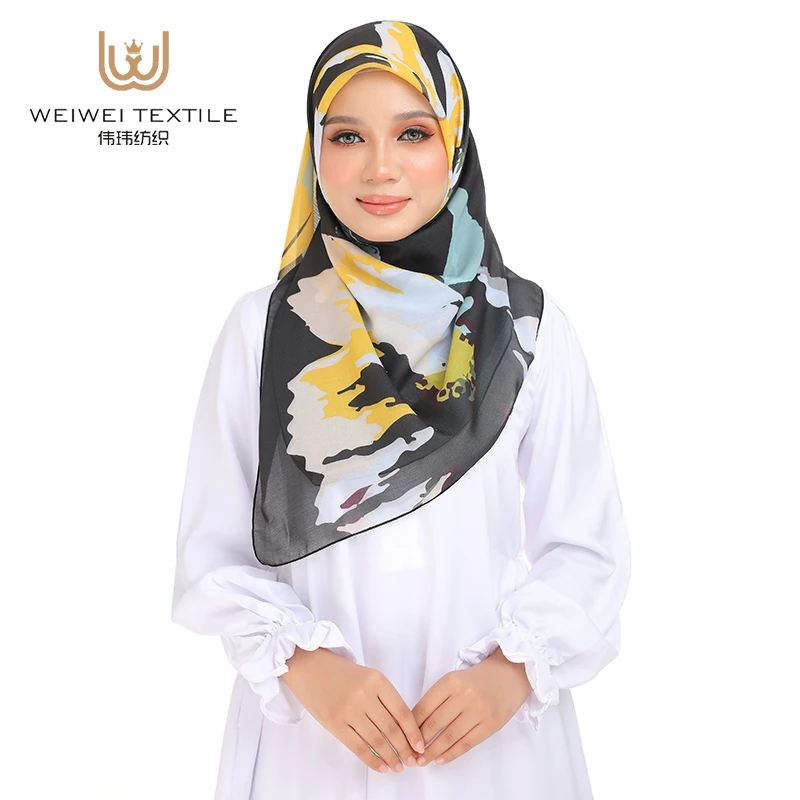
Scarf Weiwei Custom Printed The Newest Designs
Technical FAQ
Common Inquiries Regarding Textile Sourcing
Detailed answers to help you make informed procurement decisions for your textile business.
What materials are available for custom muslim scarf production?
We specialize in several high-performance textiles including voile, chiffon, and satin. Each material is chosen for its specific properties: voile for breathability and light coverage, chiffon for a soft, elegant drape, and satin for a high-sheen, luxury finish. Depending on the final application, we can adjust the weave density and weight to ensure the fabric meets your specific regional requirements for opacity and comfort.
Can you handle small customized orders alongside mass production?
Yes, our factory is structured to be flexible. We maintain dedicated production slots for small customized orders, which is ideal for boutiques testing new designs or seasonal trends. Once a design is proven successful, our facility can seamlessly transition that order into mass production, utilizing our daily capacity of 50,000 pieces to scale your inventory rapidly without compromising on the original design specifications.
How do you ensure color consistency across different batches of scarves?
Color consistency is managed in our dedicated printing workshop through a combination of digital color matching and a strict quality control system. We use standardized dye recipes and perform sample checks at the beginning, middle, and end of each production run. This process ensures that whether you are ordering a small batch or 50,000 pieces, the hues remain uniform across the entire shipment.
What are the lead times for shipping textiles to Germany?
Lead times vary based on the complexity of customization and the total volume of the order. Because we integrate weaving, printing, and finishing in one 10,000 square meter facility, we significantly reduce the internal transit time between workshops. Typical lead times include the design finalization phase followed by production and sea or air freight to European ports, with logistics coordinated to meet your specific delivery deadlines.
Do you provide R&D services for new fabric blends or textures?
Yes, our status as a TOP manufacturer integrating design and research allows us to provide comprehensive R&D services. We work closely with clients to develop fabric solutions that meet specific needs, such as increasing the durability of African head wraps or improving the breathability of summer hijabs. Our team of 500 elite employees includes specialists who can prototype new textures and blends based on your requirements.
How can I start the process of ordering customized textiles?
The process begins with a detailed inquiry where you provide your material preferences (voile, chiffon, etc.), design specifications, and estimated volume. We then provide a consultation to align on technical details and produce samples for your approval. Once the sample is verified, we move into production, utilizing our quality control system to ensure every piece meets the approved standard before shipment.
Start Your Partnership
Ready to Scale Your Textile Collection in Germany?
Whether you are a specialized boutique seeking small customized orders or a large-scale wholesaler requiring 50,000 pieces daily, Xinji Weiwei Textile provides the infrastructure and expertise to ensure your success. Our integrated production lines and rigorous quality control make us the ideal partner for the European modest fashion market.
Discuss Your Requirements