The global demand for high-quality textile accessories has seen a significant rise, particularly for traditional garments that blend utility with cultural identity. Among these, the Shemagh stands out as a versatile piece of attire, often utilizing a premium cotton on scarf construction to provide unmatched comfort in challenging environments. Understanding the nuances of these fabrics is essential for both consumers and wholesalers in the modern textile market.
From a technical perspective, the choice of material dictates the garment's breathability, durability, and overall performance. While various blends exist, the preference for all-cotton options remains dominant due to their innate ability to absorb sweat and allow air circulation, which is critical for individuals living in arid or high-temperature regions. This focus on material integrity ensures that the wearer remains protected without sacrificing comfort.
As we delve deeper into the specifics of these products, it becomes clear that the intersection of traditional weaving and modern quality control creates a superior product. By focusing on a cotton on scarf approach, manufacturers can offer a product that serves as both a protective shield against the elements and a sophisticated fashion statement, bridging the gap between ancient tradition and contemporary style.
Material Composition and Fabric Options
The selection of fabric is the cornerstone of Shemagh production, directly impacting the user's experience. High-quality options typically include pure cotton, poly-cotton blends, polyester, and blended wool yarns. Each material is selected based on the intended use-case, ensuring that the final product meets specific environmental and comfort requirements.
Among these, the all-cotton material is highly favored for its soft, breathable, and sweat-absorbing characteristics. This makes a cotton on scarf ideal for hot weather, as it keeps the head cool and comfortable. Conversely, polyester and poly-cotton blends are utilized for their enhanced durability and ease of maintenance, making them suitable for frequent daily wear.
Exquisite Workmanship and Weaving Techniques
Precision in the production process is what separates a standard textile from a premium accessory. Advanced weaving methods are employed to create the intricate patterns associated with the Shemagh. Specifically, the use of single-sided embossed jacquard weaving allows the fabric to exhibit a beautiful texture and distinct patterns that are integrated into the weave rather than simply printed on top.
This sophisticated process not only enhances the visual appeal but also ensures the long-term durability of the scarf. By utilizing jacquard techniques, the patterns remain crisp and clear, resisting the wear and tear that typically occurs with lower-quality printing methods. This structural integrity is a key selling point for clients seeking long-lasting products.
Attention to detail extends to the finishing touches of the garment. High-standard production ensures flat edges and clear patterns, eliminating the risk of stray threads or color fading. This level of craftsmanship guarantees that every piece maintains its elegance and professional appearance regardless of the frequency of use.
Functional Protection and Environmental Utility
The primary purpose of the Shemagh was rooted in survival within the harsh climates of desert regions. A high-quality cotton on scarf provides a critical barrier against intense sun exposure, effectively blocking ultraviolet light to prevent skin damage and heatstroke.
Beyond sun protection, the fabric serves as a vital shield against the invasion of wind and sand. By wrapping the face, the wearer can prevent sand and dust from entering the eyes, nose, and mouth, which is essential for maintaining respiratory health and visibility during sandstorms or bad weather conditions.
This functional utility extends to modern contexts as well. Whether used in industrial zones or outdoor adventurous activities, the breathable nature of the cotton on scarf allows for temperature regulation, making it a practical tool for anyone facing unpredictable environmental challenges.
Fashion Decoration and Aesthetic Appeal
While its origins are functional, the Shemagh has evolved into a globally recognized fashion accessory. Its unique style and varied color palettes allow it to be integrated into a wide array of modern clothing styles. From streetwear to high-fashion ensembles, the scarf adds a layer of mystery and elegance that reflects the richness of Middle Eastern culture.
The versatility of the accessory allows users to experiment with different looks, transforming a traditional garment into a contemporary statement piece. By matching the scarf with various textures and colors, wearers can express their individuality while honoring the cultural heritage embedded in the fabric.
Material Performance Comparison for Cotton on Scarf
Religious and Cultural Symbolism
In many Islamic countries, the headscarf is much more than a piece of clothing; it is an integral part of traditional male attire. It carries significant religious and cultural weight, serving as a visible sign of respect and the inheritance of deeply held religious beliefs.
By wearing the Shemagh, individuals connect themselves to a long lineage of tradition. The act of donning the scarf is often a reflection of cultural identity and a commitment to the values of the community, making the quality of the fabric a matter of dignity and respect.
Status Identification and Tribal Affiliation
Historically and in certain contemporary regions, the specific characteristics of a Shemagh can communicate a wealth of information about the wearer. Different materials, colors, and patterns often reflect the identity, social status, tribal affiliation, or occupation of the person wearing it.
For instance, certain unique patterns or specific color combinations may serve as a coded signifier of a particular tribe or a specific social class. This makes the scarf a complex social tool, allowing for immediate recognition and identification within a cultural framework.
Because these symbols are so important, the precision of the weave and the accuracy of the color are paramount. A misplaced pattern or a faded hue could potentially misrepresent the wearer's status, which is why professional manufacturing is critical for these specialized products.
Traditional and Modern Wearing Methods
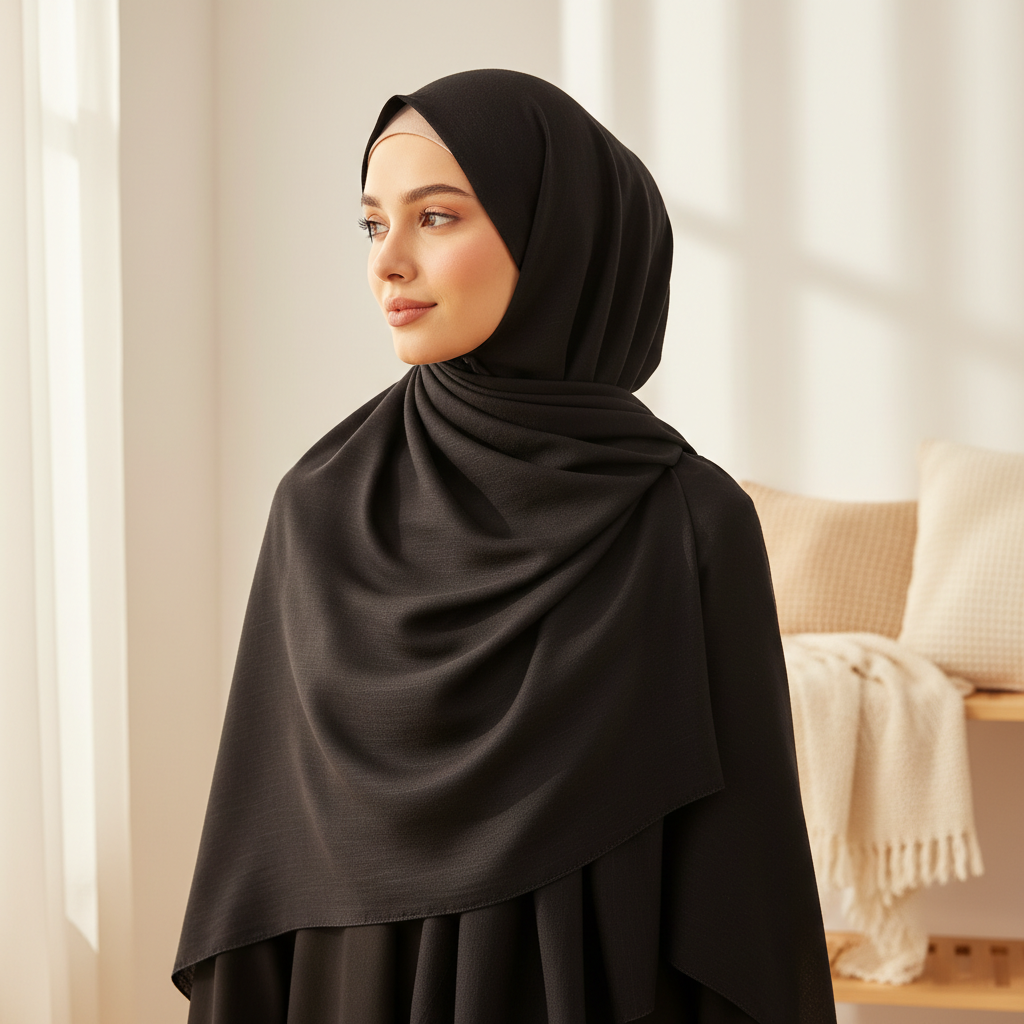
The traditional method of wearing the Shemagh is designed for maximum protection. The scarf is folded in half into a triangle, with the hypotenuse placed above the forehead. The two ends are then tied around the head and fixed at the back, while the excess fabric hangs over the shoulders to block wind and sun.
In contrast, modern wearing methods focus on style and versatility. One popular approach is to wrap the scarf loosely around the neck with a soft knot, allowing the ends to hang naturally. This creates a contemporary scarf effect that is suitable for urban environments and casual outings.
Another creative variation involves folding the scarf into a narrow strip and tying it around the head as a headband. This approach showcases a different side of the garment's versatility, blending the utility of a cotton on scarf with a modern, sporty aesthetic.
Comparison of Shemagh Wearing Methods and Utility
| Wearing Style |
Primary Purpose |
Comfort Level |
Cultural Context |
| Traditional Triangle |
Desert Protection |
High (Breathable) |
Formal/Traditional |
| Loose Neck Knot |
Fashion Accessory |
Very High |
Modern Urban |
| Headband Strip |
Casual Style |
Medium |
Youth/Sporty |
| Full Face Wrap |
Sandstorm Shield |
Medium |
Survivalist |
| Shoulder Drape |
Light Warmth |
High |
Social Gathering |
| Traditional Fold |
Cultural Identity |
High |
Religious/Tribal |
FAQS
Pure cotton is preferred because of its natural breathability and superior sweat-absorption properties. In hot, arid climates, a cotton on scarf allows air to circulate while absorbing moisture from the skin, preventing overheating and ensuring the wearer remains comfortable during intense sun exposure.
Jacquard weaving creates patterns directly into the fabric structure rather than printing them on the surface. This results in a more durable design that does not fade or peel over time. It also adds a tactile, embossed texture that enhances the luxurious feel and aesthetic value of the scarf.
It depends on the priority. While 100% cotton offers maximum breathability, poly-cotton blends provide increased durability and are easier to maintain, as they are more resistant to wrinkles and wear. For those who use their scarf in rugged daily environments, a blend may be more practical.
Yes, when worn traditionally, the dense weave of the fabric acts as a physical barrier that blocks a significant portion of ultraviolet light. Additionally, the ability to wrap the scarf around the nose and mouth effectively filters out sand and dust during windstorms.
The traditional method is utilitarian, focusing on full-head coverage for environmental protection. The fashion method is more about aesthetics, utilizing loose knots or headband styles to complement a modern outfit, treating the scarf as a decorative accessory rather than a survival tool.
Look for clear, sharp patterns without blurred edges, flat and neatly finished hems, and a fabric that feels soft yet substantial. A high-quality cotton on scarf should not have stray threads and the colors should be consistent across the entire garment.
Conclusion
The Shemagh is a remarkable example of how textile engineering can serve both functional survival and cultural expression. By prioritizing high-quality materials—particularly the breathable and absorbent properties of a cotton on scarf—and employing advanced jacquard weaving, manufacturers can produce a garment that protects the wearer from harsh environments while maintaining an elegant aesthetic. From its role as a tribal signifier to its emergence as a global fashion statement, the scarf remains an essential accessory.
As we look toward the future, the integration of sustainable cotton sources and innovative weaving technologies will continue to enhance the value of these traditional garments. Whether you are seeking protection from the elements or a piece of timeless cultural art, investing in a professionally crafted scarf ensures both durability and style. For more information on premium textile solutions, visit our website: www.hbweiweitex.com.