Your Trusted 24 Hours Service Provider!
Customized Textiles for Regional Needs
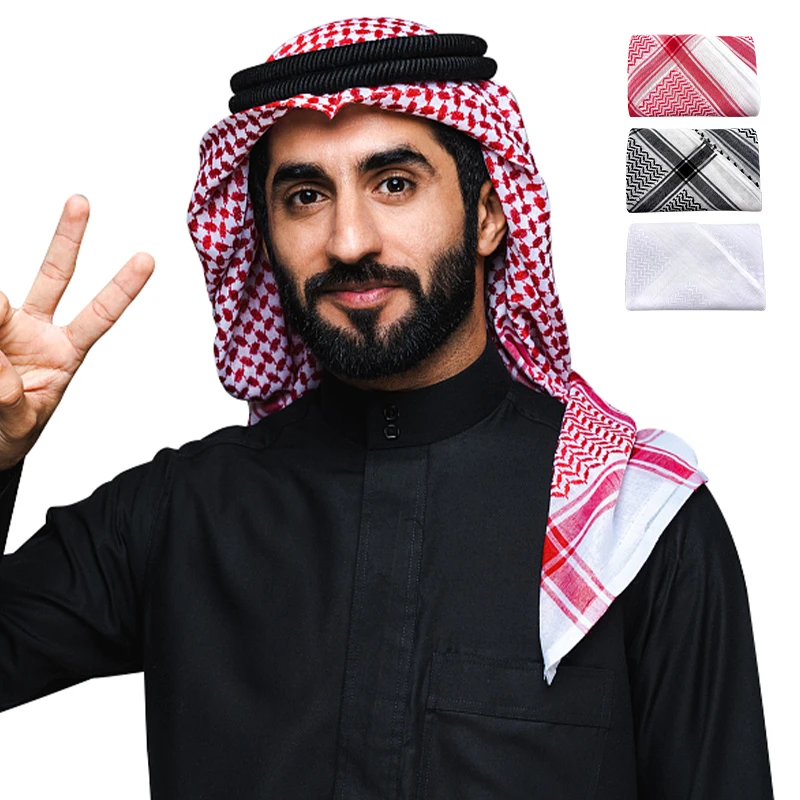
Explore our professional range of abaya scarf and traditional wraps tailored for durability and elegance.
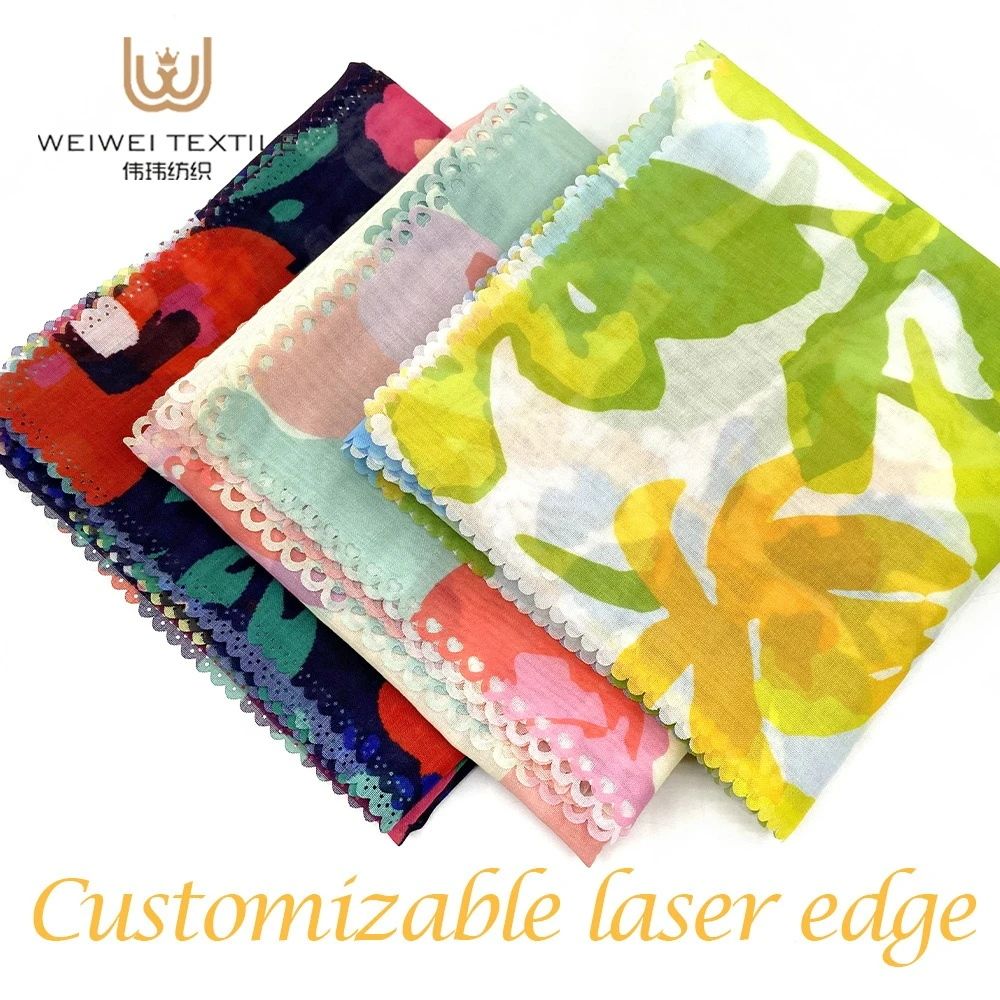
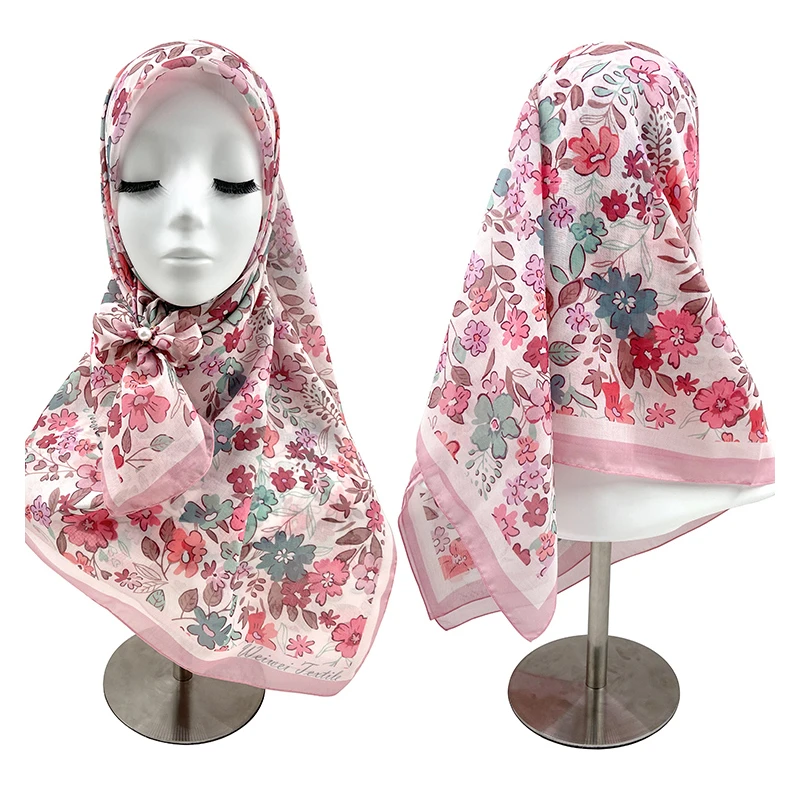
Waterproof Cotton Voile Muslim Printed Headscarf Hijab
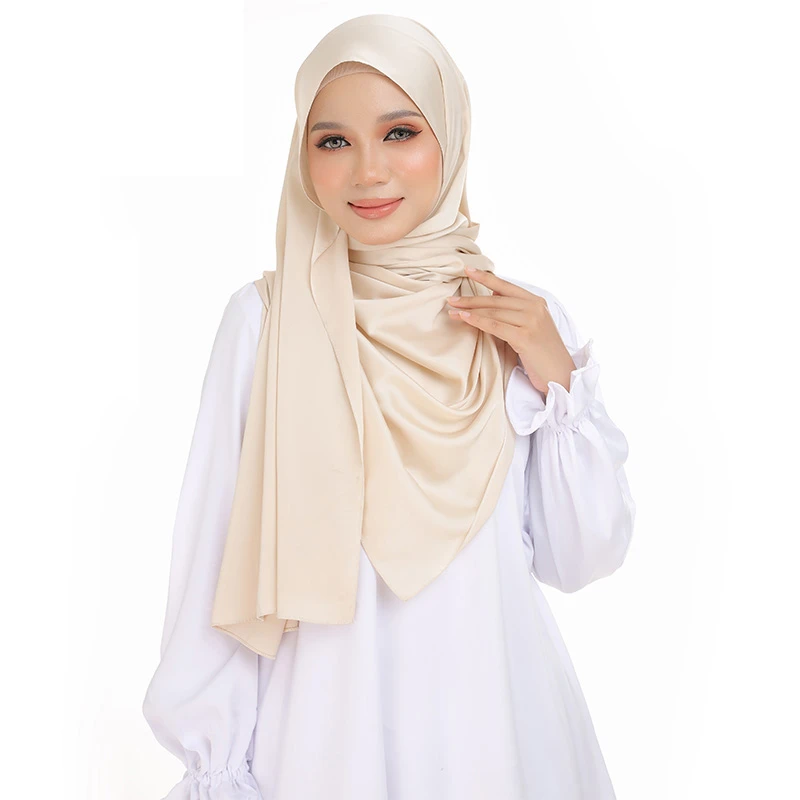
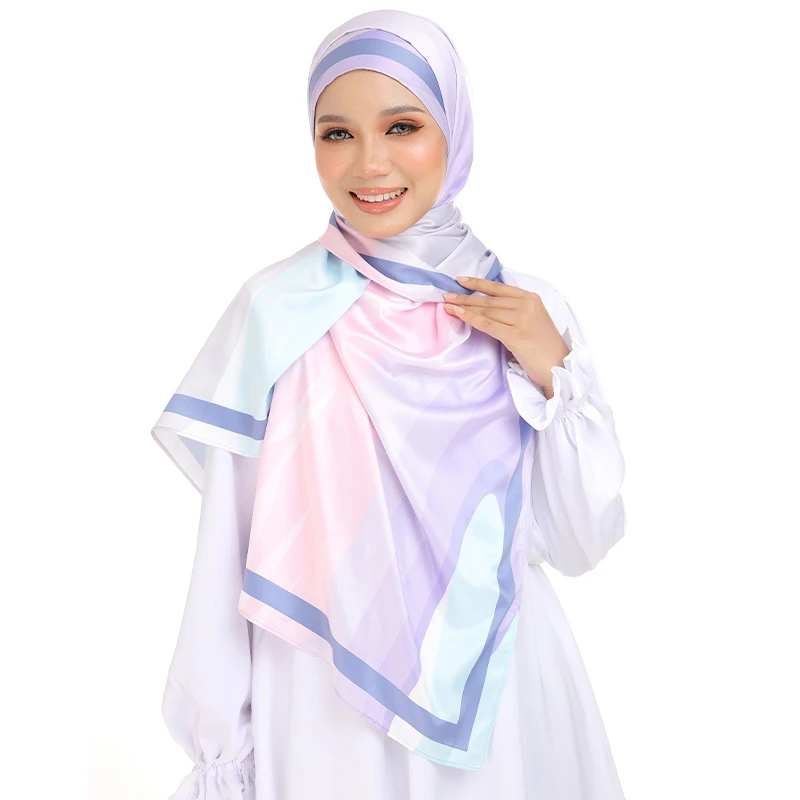
115×115cm Luxury Fashionable Satin Square Scarf
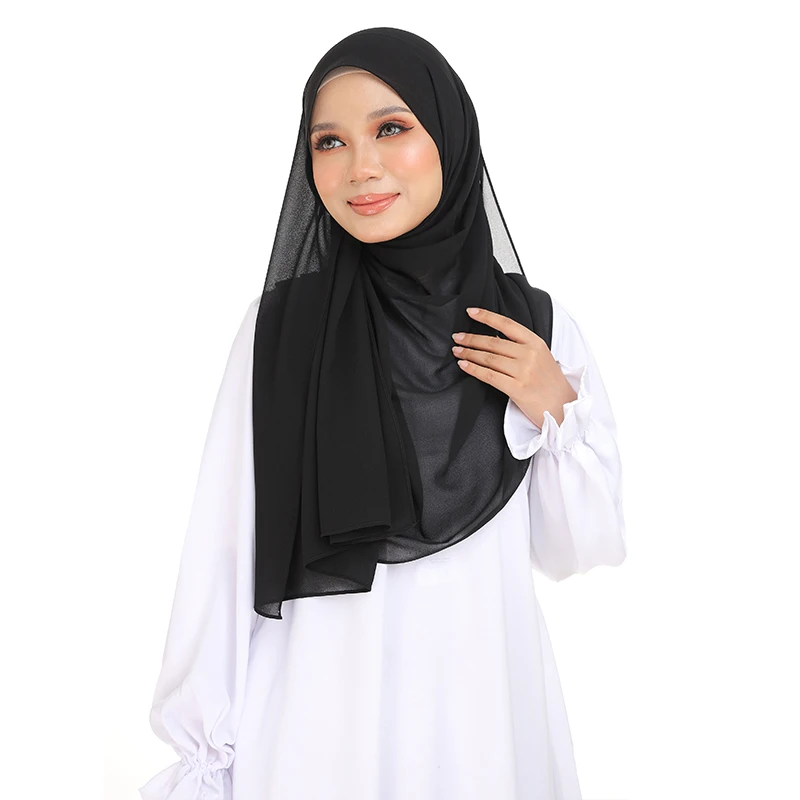
Square Hijab Plain Dyed Chiffon Scarf
Textile Demand in Central African Republic
Analyzing the intersection of cultural attire and textile procurement.
In the Central African Republic, the demand for modest fashion and traditional headwear is deeply rooted in local cultural identity and religious practices. There is a consistent need for fabrics that balance breathable properties with elegant aesthetics, particularly for the warm climate. Local merchants often seek a reliable supply of an african scarf that can withstand frequent use while maintaining vibrant colors and fabric integrity.
The current market faces challenges regarding the availability of diverse material grades. While basic cottons are common, there is a growing professional interest in affordable silk scarves and high-grade chiffon for formal events. Importers in Bangui and other commercial hubs often struggle with inconsistent quality from small-scale suppliers, creating a significant opportunity for large-scale manufacturers with integrated quality control systems.
Looking forward, the shift toward highly customized designs allows regional businesses to differentiate their offerings. By integrating research and development with mass production, the supply chain can better adapt to the specific preferences of the Central African Republic market, offering customized african head wraps that combine traditional patterns with modern manufacturing precision.
Evolution of Global Scarf Manufacturing
From traditional weaving to high-capacity industrial production.
Industry Milestones
Early Stage
Manual Craftsmanship
Focus on hand-loomed fabrics and basic dyeing techniques for regional attire.
Growth Phase
Industrial Integration
Introduction of printing workshops and weaving lines to meet rising international demand.
Modern Era
Customized Mass Production
Integration of R&D and quality control for high-volume, tailored hijab and scarf exports.
Manufacturing Trends
- Material Diversification Expanding the use of voile, chiffon, and satin to offer more variety in weight and texture.
- Precision Printing Adopting advanced printing techniques for more complex cultural patterns on an african head scarf.
- Supply Chain Optimization Reducing lead times for small customized orders to support agile retail businesses.
Strategic Shifts in Textile Export
How modern manufacturing addresses the evolving needs of global clients.
Agile Customization
Moving from rigid mass production to accepting small customized orders to help local boutiques test new designs.
Quality Standardization
Implementing rigorous quality control across weaving and printing workshops to ensure zero-defect shipments.
Fabric Innovation
Developing specialized blends of voile and satin that offer luxury feel with higher durability for daily wear.
Direct-to-Market Supply
Integrating design, R&D, and sales to eliminate middlemen and reduce costs for regional importers.
The textile landscape in the Central African Republic is evolving toward a preference for a mix of affordability and high-end aesthetics. As consumers become more discerning, the value proposition shifts from simple availability to the quality of the finish and the uniqueness of the print.
Efficiency in the supply chain, particularly the ability to scale from small samples to mass production rapidly, is becoming a critical competitive advantage for manufacturers serving this diverse African market.
Regional Application Scenarios
How our textile solutions integrate into daily and professional life.
1
Commercial Retail Outlets
Boutiques in Bangui utilize our high-capacity production to stock a wide variety of colors and patterns, ensuring they can meet the diverse preferences of local shoppers during peak seasons.
2
Cultural Ceremonies
For weddings and traditional festivals, there is a high demand for premium satin and chiffon wraps that offer a luxurious appearance and a sophisticated drape for ceremonial attire.
3
Daily Modest Wear
Users in the Central African Republic require breathable voile fabrics for daily use, providing protection from the sun while remaining comfortable in high temperatures.
4
Wholesale Distribution
Regional distributors leverage our mass production capabilities to maintain a steady supply of essential head-wraps across provincial markets, reducing local stock-outs.
5
Custom Fashion Design
Local designers collaborate with our factory to produce small-batch, customized prints, allowing them to launch unique collections that reflect regional artistic trends.
Brand Story
The global development journey of Xinji Weiwei Textile Factory
2004
Foundation
Xinji Weiwei Textile was established in Shijiazhuang, Hebei, laying the groundwork for professional textile manufacturing.
Facility Growth
Production Expansion
Expanded to a 10,000 square meter facility, integrating weaving, printing, and finishing workshops.
Market Reach
Global Specialization
Became a specialist in Sudanese Toub and Muslim scarves, expanding capacity to 50,000 pieces daily.
Capacity Peak
Elite Team Development
Scaled the workforce to 500 elite employees to support complex R&D and customized service solutions.
Trade Presence
International Exhibition
Established a strong global presence through consistent participation in the Canton Fair (132nd to 135th).
Today
Industry Leader
Recognized as a TOP manufacturer integrating design, R&D, production, and global sales.
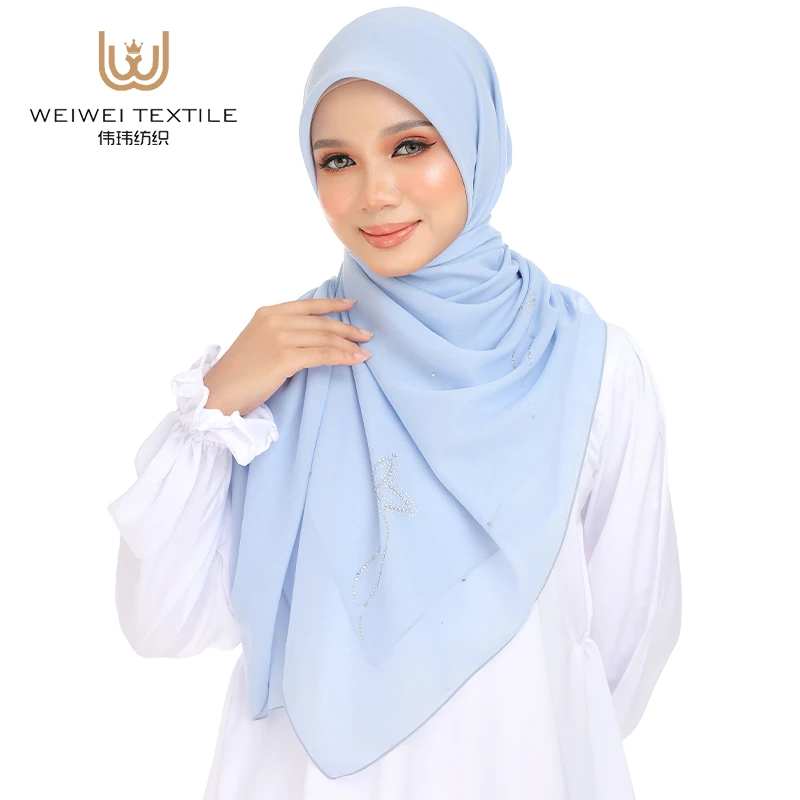
Wholesale Hijab and Head-wrap Collections
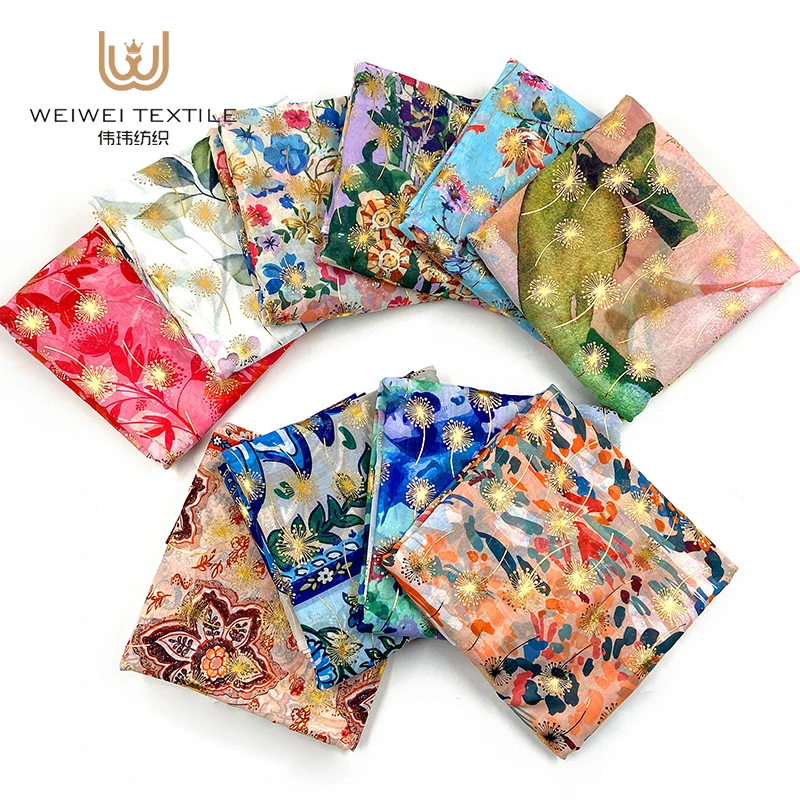
Sourcing high-quality african head wraps and professional textile solutions for commercial distribution.
Procurement and Technical FAQ
Answers to common questions regarding textile specifications and international supply.
What materials are available for custom african head wraps?
We offer a comprehensive range of materials including voile, chiffon, and satin. Each fabric is selected for its specific drape and breathability, ensuring they meet the environmental requirements of the Central African Republic.
Can we order small batches of customized designs?
Yes, our factory is designed to be flexible. We accept small customized orders to allow local merchants to test new patterns, while also maintaining the capacity for large-scale mass production.
How do you ensure the quality of printed fabrics?
Our facility employs a perfect quality control system across our weaving and printing workshops. Every batch is inspected for color consistency and fabric strength before being shipped.
What is the typical lead time for large wholesale orders?
With a daily production capacity of 50,000 pieces, we can handle large volume orders efficiently. Lead times depend on the complexity of the customization and shipping logistics.
Do you provide design support for regional cultural patterns?
We integrate design, R&D, and production. We work closely with our clients to understand their specific needs and provide highly customized product solutions.
How does sourcing directly from a manufacturer benefit my business?
Sourcing directly eliminates middlemen, reducing costs and allowing for better quality control. It also enables a more direct feedback loop for customized design adjustments.
Optimize Your Textile Supply Chain
Partner with a top-tier manufacturer to bring high-quality, customized headwear and scarves to the Central African Republic market. Experience the value of integrated R&D and mass production.
Request a Wholesale Quote