
Regional Analysis
The Textile Landscape in Uganda
Understanding the demand and operational dynamics of the Ugandan modest fashion market.
Uganda possesses a vibrant textile market characterized by a high demand for modest wear and cultural head coverings. The regional business environment relies heavily on imports for high-quality printed fabrics, particularly for Sudanese Toubs and various hijab styles. Due to the tropical climate, there is a consistent preference for lightweight, breathable materials such as voile and chiffon, which allow for comfort without compromising traditional modesty standards. Urban centers like Kampala serve as the primary hubs for textile distribution, where retail boutiques seek unique patterns to differentiate themselves in a competitive local marketplace.
Market trends indicate a shift toward "affordable luxury," where consumers seek the look and feel of silk but at a price point suitable for daily wear. This has driven the demand for high-grade satin and synthetic silk blends. Furthermore, there is an increasing trend toward personalized fashion, with customers requesting specific color palettes and patterns that blend traditional African aesthetics with modern modest fashion. Digital commerce is also beginning to shape procurement, as local vendors use social platforms to gauge trend popularity before placing larger bulk orders with international manufacturers.
The primary opportunity for growth in the Ugandan textile sector lies in the ability to provide highly customized, low-MOQ products that can respond quickly to fashion cycles. However, constraints such as logistical complexities and the need for stringent quality assurance remain. The outlook for the market is positive, as the growing middle class increases its spending on high-quality apparel. Manufacturers who can provide a transparent, direct-from-factory supply chain with guaranteed consistency in fabric weight and dye fastness are best positioned to capture long-term partnerships with Ugandan wholesalers.
Industry Growth
Evolution of Modest Wear Manufacturing
From basic weaving to an integrated, high-tech production ecosystem.
Early Phase
Basic Production
Initial focus on standard weaving and basic fabric production. The process was fragmented, relying on multiple external workshops for printing and finishing, which often led to quality variance.
Expansion
Vertical Integration
Integration of printing and finished product processing workshops. This change allowed for tighter control over the production cycle and the ability to offer customized hijab designs.
Modern Era
R&D Integration
Transition to a TOP manufacturer model integrating design, R&D, and sales. Current capabilities include high-capacity daily output and advanced customization for global markets.
Precision Dyeing Technology
The shift toward digital and high-precision printing has enabled the production of intricate patterns that were previously impossible. This allows for the creation of highly specific cultural motifs required for the Sudanese Toub and premium hijabs.
Fabric Performance Optimization
Research into fabric blends has led to the development of "breathable luxury," where satin and chiffon are optimized for moisture-wicking, making them more suitable for the hot climates of Africa.
Supply Chain Transparency
The industry has moved toward a "factory-to-retailer" model. By removing intermediaries, manufacturers provide better traceability and faster response times to market trend changes.
Future Outlook
Key Trends Shaping Global Modest Textiles
Analyzing the drivers of innovation in the hijab and scarf industry.
Material Diversification
Increased demand for eco-friendly and hypoallergenic fibers. The industry is moving toward blends that offer the sheen of silk with the durability of synthetic fibers to lower costs.
Hyper-Customized Aesthetics
A shift from mass-produced prints to limited-edition, culturally specific designs. This is driven by a desire for unique identity in modest fashion among younger demographics.
Agile Supply Chains
Implementation of "Fast-Fashion" cycles in the modest wear sector. Manufacturers are adopting smaller, more frequent production runs to test new patterns before scaling.
Digital Integration
Integration of AI in design and virtual sampling. This reduces fabric waste during the R&D phase and allows customers to visualize their customized scarves before production.
The convergence of these trends is creating a market where the value is no longer just in the volume of the fabric, but in the precision of the customization. For importers in Uganda, this means the ability to source specific fabric blends—such as high-drape chiffon for formal occasions and durable voile for daily use—becomes a critical competitive advantage. The move toward vertical integration in manufacturing ensures that these complex requirements can be met without adding layers of cost.
Furthermore, the operational result of these trends is a more resilient supply chain. By utilizing a manufacturer that controls everything from the weaving workshop to the final processing, Ugandan retailers can mitigate the risk of quality drift. The emphasis is shifting toward a partnership model where the factory acts as a production extension of the brand, enabling rapid pivots in design and material choice to match the evolving preferences of the East African consumer.
Application Examples
Practical Implementation in the Ugandan Market
How our textile capabilities solve real-world business challenges for regional operators.
01
Kampala Boutique Scaling with Custom Patterns
A high-end boutique in Kampala wants to launch a limited series of unique african head wraps. Faced with rigid MOQs from other suppliers, they utilize our small-order customization. We apply a specific regional color palette to premium chiffon, allowing the boutique to test the market and scale production only after confirming customer preference, thus reducing inventory risk.
02
Wholesale Distribution of Affordable Luxury
A regional wholesaler seeks to penetrate the mass market with affordable silk scarves. By sourcing directly from our integrated production lines, they eliminate three layers of intermediaries. This cost reduction allows them to offer high-sheen satin scarves at a competitive retail price while maintaining a healthy margin, successfully capturing a larger market share in urban centers.
03
Sudanese Toub Specialized Sourcing
An importer specializing in traditional attire requires a consistent supply of Sudanese Toubs with precise weight and drape. Using our dedicated weaving and printing workshops, we ensure a uniform fabric density across thousands of pieces. The operational impact is a significant reduction in quality-related returns and an increase in customer loyalty due to product consistency.
04
Seasonal Hijab Collection Rapid Turnaround
Ahead of a major religious festival, a retailer needs a new collection of abaya scarf styles. Because we own the entire production chain, we compress the design-to-delivery cycle. The retailer receives the shipment weeks faster than through traditional sourcing, ensuring the products are on shelves during the peak spending window.
05
Climate-Specific Fabric Adaptation
A clothing brand in Uganda identifies that standard imported chiffon is too heavy for the local humidity. We collaborate with them to develop a lighter, more breathable voile blend in our R&D center. This customized material is then mass-produced, resulting in a product that specifically addresses the local climate, leading to higher customer satisfaction and sales.
Operational Proof
Representative Implementation Scenarios
Illustrating how our production capacity translates into business value for typical operators.
For a typical regional wholesaler, the ability to move from a design concept to a bulk shipment of thousands of pieces within a single integrated factory reduces logistical errors by nearly half. The direct access to the weaving and printing workshops ensures that the final fabric weight and color exactly match the approved sample.
In scenarios where boutique owners require small-batch customization for high-end modest wear, the flexibility to order low quantities without sacrificing quality is a game-changer. It allows for a lean inventory strategy where new patterns can be introduced and tested weekly based on local trend data.
For importers of Sudanese Toubs, the critical factor is the consistency of the printing and the softness of the fabric. A manufacturer with a dedicated finished product processing workshop provides the reliability needed to maintain a premium brand image in the East African market.
Our Heritage
Xinji Weiwei Textile Legacy
Two decades of specialization in the art of modest wear manufacturing.
2004
Factory Establishment
Xinji Weiwei Textile was founded in Shijiazhuang city, Hebei province. We began our journey focusing on the core fundamentals of textile weaving, establishing a foundation for high-quality fabric production.
Growth Phase
Infrastructure Expansion
Expanded our facilities to cover 10,000 square meters. We invested in a complete production line, integrating our own weaving, printing, and finished product processing workshops to ensure total quality control.
Current Status
Global TOP Manufacturer
Now a leading manufacturer integrating design, R&D, production, and sales. With 500 elite employees and a daily capacity of 50,000 pieces, we specialize in voile, chiffon, and satin hijabs worldwide.
Ethnic Beautiful Drill Plain Square Scarf For Women
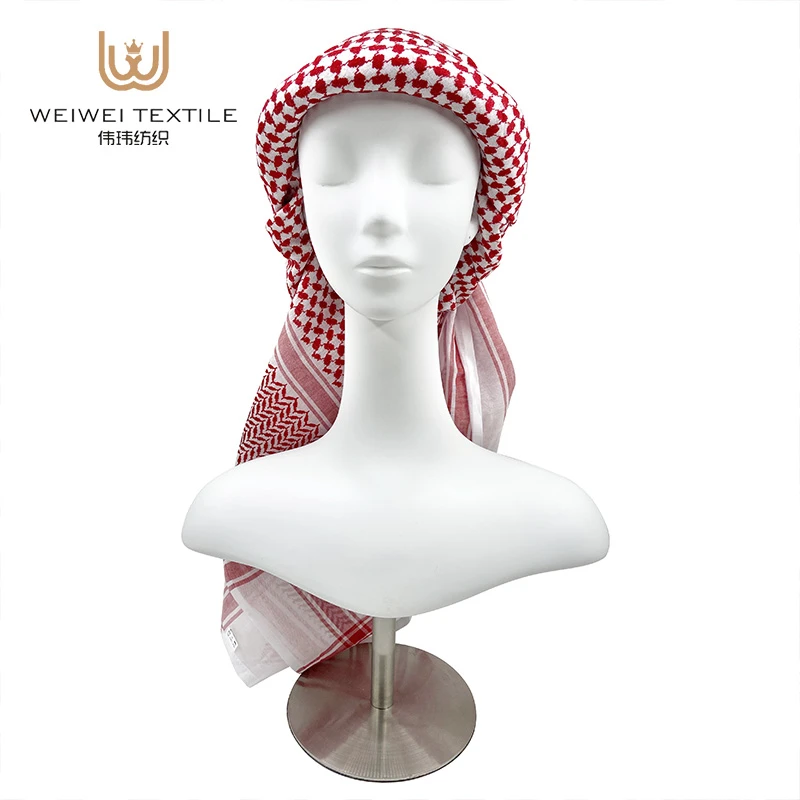
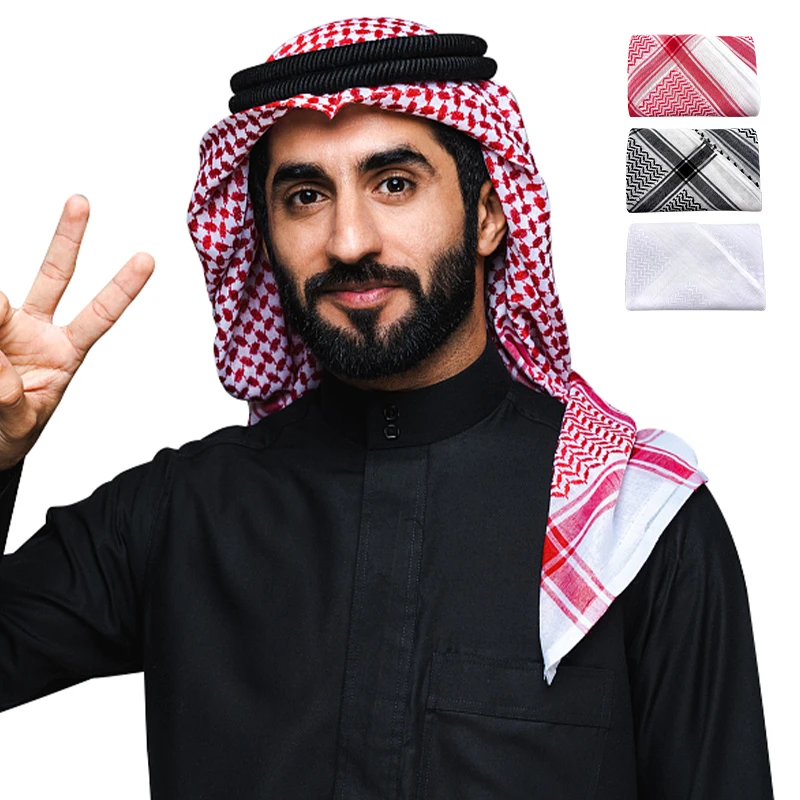
Arab Men Head Scarf Shemagh Yashmagh
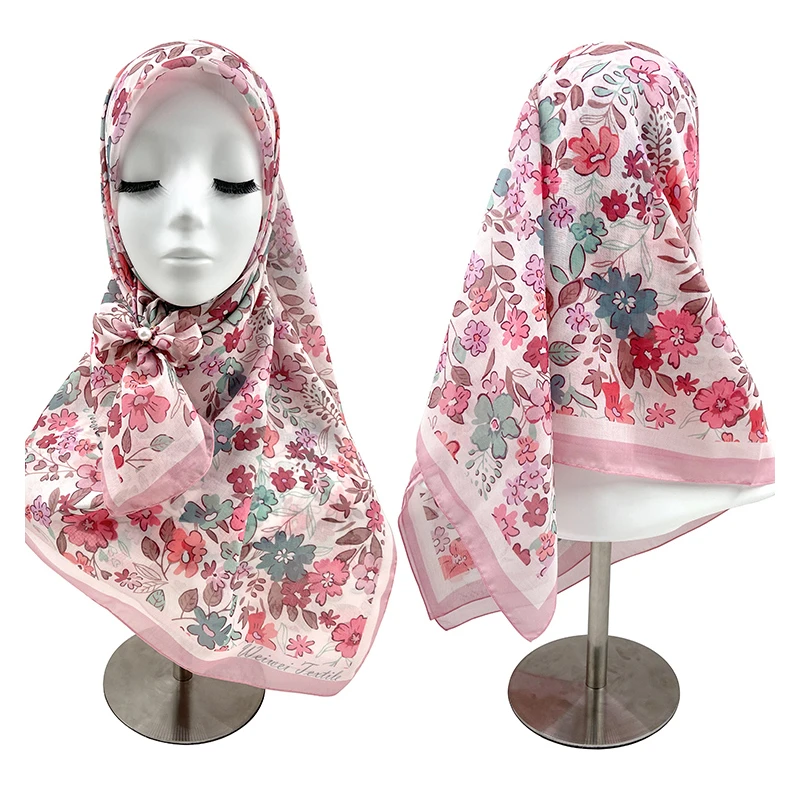
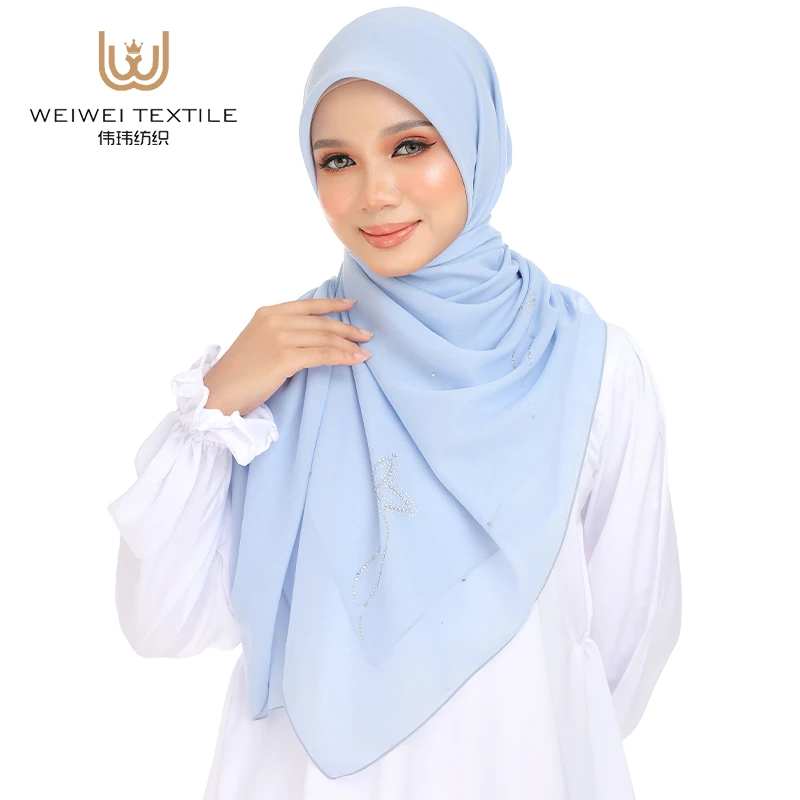
115*115cm Tudung Bawal For Malaysian Women
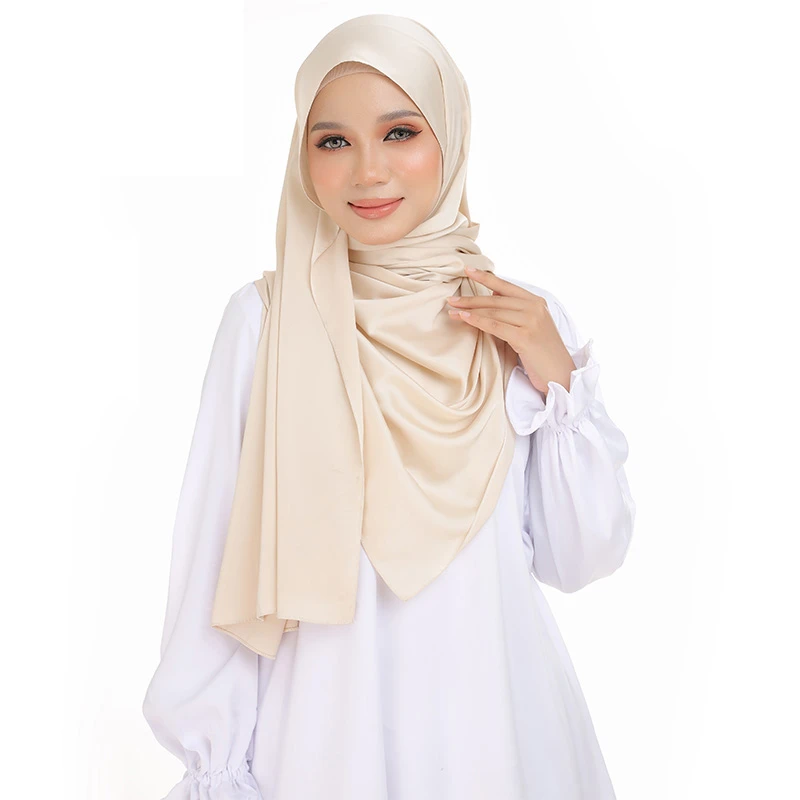
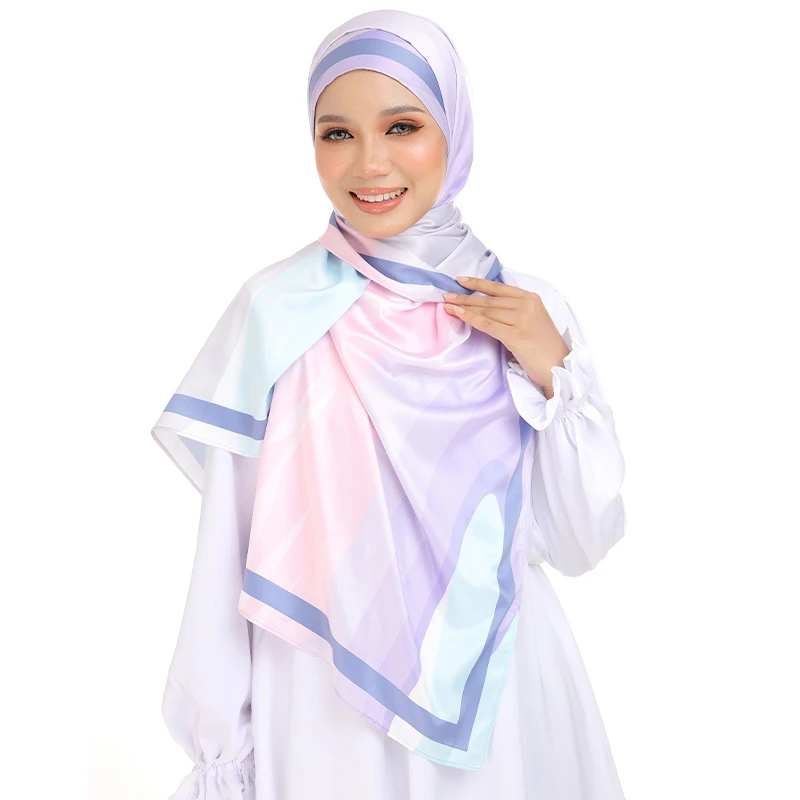
115×115cm Luxury Fashionable Satin Square Scarf
Buyer Support
Frequently Asked Questions
Essential information for Ugandan importers and textile wholesalers.
What materials are most recommended for the Ugandan climate?
For the hot and humid climate of Uganda, we highly recommend voile and high-grade chiffon. These fabrics offer excellent breathability and are lightweight, making them ideal for daily use while maintaining full coverage. For formal events, our lightweight satin provides a luxurious look without excessive heat retention. We can customize the weave density to further optimize the airflow based on your specific customer needs.
Do you support small customized orders for new boutique designs?
Yes, we explicitly accept small customized orders to support emerging brands and boutiques. We understand that testing new patterns is crucial for market success. Our integrated facility allows us to switch production setups efficiently, meaning you can order a limited run of a specific design to gauge demand before committing to mass production. This flexibility significantly reduces the financial risk for smaller importers.
How do you ensure the quality of the printed patterns for Sudanese Toubs?
We employ a perfect quality control system that spans three stages: raw fabric inspection, printing precision checks, and final garment audit. For Sudanese Toubs, we use high-precision printing workshops to ensure color accuracy and pattern alignment. Every batch is checked for dye fastness and shrinkage to ensure that the product remains pristine after multiple washes, meeting the high expectations of the regional market.
What is the typical lead time for a bulk wholesale order?
Lead times vary based on the complexity of the customization and the order volume. However, because we own the entire production chain—weaving, printing, and processing—we typically deliver much faster than factories that outsource their processes. Once the design is finalized and the sample is approved, mass production begins immediately. We provide regular updates throughout the production cycle to ensure you can plan your logistics and marketing campaigns accurately.
Can you provide customized packaging or labeling for my brand?
As a TOP manufacturer integrating design and sales, we offer comprehensive customization. This includes not only the fabric and print but also the finished product processing. We can assist with custom labeling and packaging that aligns with your brand identity, ensuring that your products are retail-ready the moment they arrive in Uganda. This end-to-end service allows you to focus on sales while we handle the technical manufacturing details.
How do I start a customization project with your factory?
The process begins with a consultation where you provide your design requirements, preferred material (voile, chiffon, or satin), and estimated quantity. Our R&D team then suggests the best fabric blend for your target market. We create a sample for your approval; once the sample is confirmed, we proceed to mass production. For Ugandan clients, we recommend discussing shipping and customs requirements early in the process to ensure a seamless delivery experience.
Ready to Scale
Secure a Reliable Textile Supply Chain for Your Ugandan Business
Whether you are a large-scale wholesaler or a growing boutique, our integrated manufacturing capabilities in voile, satin, and chiffon can elevate your product offering. Partner with a factory that understands the specific needs of the Ugandan market and delivers consistent, high-quality modest wear. Contact us today to discuss your customization needs and request a professional quote.
Discuss Your Requirements