Regional Analysis
The Kenyan Hijab and Scarf Market
Analyzing the intersection of cultural requirements and textile supply in East Africa.
The textile landscape in Kenya is characterized by a strong demand for modesty wear, particularly within the coastal regions and urban centers like Nairobi. The market for african head wraps and hijabs is driven by a blend of religious observance and fashion-forward cultural expression. Historically, Kenya has relied heavily on imports from Asia and the Middle East. However, the shift toward more specialized, high-quality fabrics like premium chiffon and satin indicates a maturing consumer base that values both durability and elegance over low-cost, disposable textiles.
Current trends show an increasing preference for highly customized designs that blend traditional African motifs with modern modesty standards. The rise of social media-driven fashion in Kenya has accelerated the demand for "limited edition" prints and specific fabric weights that drape perfectly. Consequently, Kenyan wholesalers are moving away from bulk generic imports toward partnerships with manufacturers who can offer research and development services, allowing them to introduce new collections that reflect local trends in real-time while maintaining competitive pricing.
Despite the opportunities, the market faces constraints related to logistics and quality consistency. The opportunity for growth lies in the "affordable luxury" segment—providing silk-feel fabrics that are accessible to the middle class. As the East African Community (EAC) continues to integrate, Kenya serves as a critical hub for the distribution of these textiles into neighboring markets. Manufacturers who can provide a stable supply chain and flexible customization will likely dominate the regional supply of abaya scarves and head wraps.
Industry Progression
Evolution of Textile Manufacturing
The transition from basic weaving to an integrated design and production ecosystem.
Early Stage
Basic Production
Initial focus on standardized fabric weaving with limited customization options for the global market.
Expansion Phase
Integrated Workshops
Incorporation of dedicated printing and finishing workshops to control the entire quality chain from yarn to garment.
Current Phase
R&D Driven Customization
Transition to a TOP manufacturer model integrating design, research, and high-capacity customized sales.
The Shift to Integrated Supply Chains
Modern textile manufacturing has evolved from fragmented outsourcing to integrated vertical models. By owning the weaving, printing, and processing stages, factories can now react to Kenyan market shifts in days rather than months, reducing waste and improving precision.
Material Diversification
The industry has moved beyond basic cotton to advanced blends of voile, chiffon, and satin. This evolution allows for the creation of specialized products like the Sudanese Toub and high-end hijabs that meet specific regional requirements for opacity and drape.
Digital Design Integration
The adoption of digital printing technology has revolutionized the production of african head wraps, enabling intricate, high-resolution patterns that were previously impossible or too expensive to mass-produce for the African market.
Future Outlook
Textile Innovation Trends
Key drivers shaping the next generation of modesty wear and head wraps.
Hyper-Personalized Design
The move toward "Micro-Collections" where small batches of unique prints are produced to meet the demand for exclusivity in urban Kenyan fashion circles.
Eco-Conscious Fabric Blends
Increasing demand for sustainable dyeing processes and fabrics that reduce environmental impact, aligning with global ESG trends in the textile industry.
Omnichannel Sourcing
Wholesalers are increasingly utilizing direct-from-factory digital portals to manage customized orders, reducing communication errors and speeding up delivery.
Hybrid Modesty Wear
The blending of traditional abaya styles with contemporary western leisure wear, requiring fabrics that are versatile enough for both formal and casual use.
The integration of design and production is the most significant catalyst for growth in the African textile sector. By moving away from generic production, manufacturers can now create products that specifically address the "fit and feel" requirements of the Kenyan consumer. This means not just changing the color, but adjusting the weave density of the voile to ensure it remains cool in Nairobi's heat while providing the required modesty. This technical approach to customization is what separates TOP manufacturers from standard suppliers.
Furthermore, the shift toward digital supply chains allows Kenyan importers to engage in a more collaborative process. Instead of choosing from a catalog, they can now participate in the research and development phase. This collaborative model reduces the risk of inventory obsolescence and ensures that every shipment of african scarf products is pre-validated by market demand, optimizing the return on investment for the distributor.
Practical Application
Deployment in Kenyan Commerce
How our manufacturing solutions translate into retail success across different Kenyan contexts.
01
Nairobi Boutique Custom Collections
A high-end boutique in Nairobi seeks to launch a limited edition line of african head wraps. Due to the need for exclusivity, they require a small order of customized satin prints. Our flexible production line allows them to bypass the massive minimum orders of other factories, enabling a "test-and-scale" strategy that reduces financial risk while offering unique designs to their clientele.
02
Mombasa Coastal Wholesale Distribution
A large-scale distributor in Mombasa requires a consistent monthly supply of 20,000 lightweight chiffon hijabs to supply local markets. The high humidity of the coast necessitates a specific breathable weave. By utilizing our high-capacity weaving workshop and strict quality control, we provide a steady stream of climate-appropriate textiles that maintain their quality despite the salty air and humidity.
03
East African Community (EAC) Export Hub
A Kenyan trading company acts as a hub for distributing abaya scarves into Uganda and Rwanda. They require a variety of fabric types (voile, satin, chiffon) in a single shipment. Our integrated production allows for the simultaneous manufacturing of multiple fabric types, ensuring that the export hub receives a diversified product mix that meets the varied preferences of different EAC member states.
04
Cultural Festival Seasonal Demand
During peak cultural and religious seasons, demand for specialized head wraps spikes by 300%. A retailer needs a rapid turnaround on 50,000 pieces of printed voile. Leveraging our 50,000-piece daily capacity, we accelerate the production cycle from design to shipping, ensuring the retailer has stock on the shelves before the festival begins, maximizing seasonal revenue.
05
Corporate Modesty Wear Branding
A Kenyan organization requires branded scarves for staff uniforms that maintain a professional modesty standard. They need a specific corporate color match and durable fabric. Our professional printing workshop ensures exact Pantone color matching on high-grade satin, providing a professional image that withstands daily wear and frequent washing in commercial environments.
Industry Perspective
Representative Implementation Scenarios
Illustrative outcomes based on typical operator requirements in the East African textile trade.
The transition to a direct-from-factory model significantly reduces the landed cost of silk-feel scarves. By eliminating multiple trading agents, a typical importer can see a marked improvement in margins while offering a higher quality of voile to the end consumer in Nairobi.
Customization is the key to competing in the urban fashion market. The ability to request specific print patterns for african head wraps in smaller batches allows a brand to stay agile and respond to trends without risking massive overstock.
Consistent quality across 50,000 pieces is a rare find. When the weaving and printing are done under one roof, the variance in fabric weight and color is minimized, which is critical for maintaining a professional brand image across multiple retail outlets.
Our Heritage
Xinji Weiwei Textile Legacy
Two decades of excellence in the textile manufacturing industry.
2004
Company Foundation
Established in Shijiazhuang city, Hebei province, Xinji Weiwei Textile began its journey focused on high-quality textile production, laying the groundwork for its future as a global supplier.
Growth Phase
Production Expansion
Expanded the facility to cover 10,000 square meters, integrating a complete production chain including weaving, printing, and finished product processing workshops to ensure end-to-end quality.
Recent Era
Market Leadership
Evolved into a TOP manufacturer integrating design, R&D, and sales, specializing in Sudanese Toubs and a wide range of hijabs including voile, chiffon, and satin for international markets.

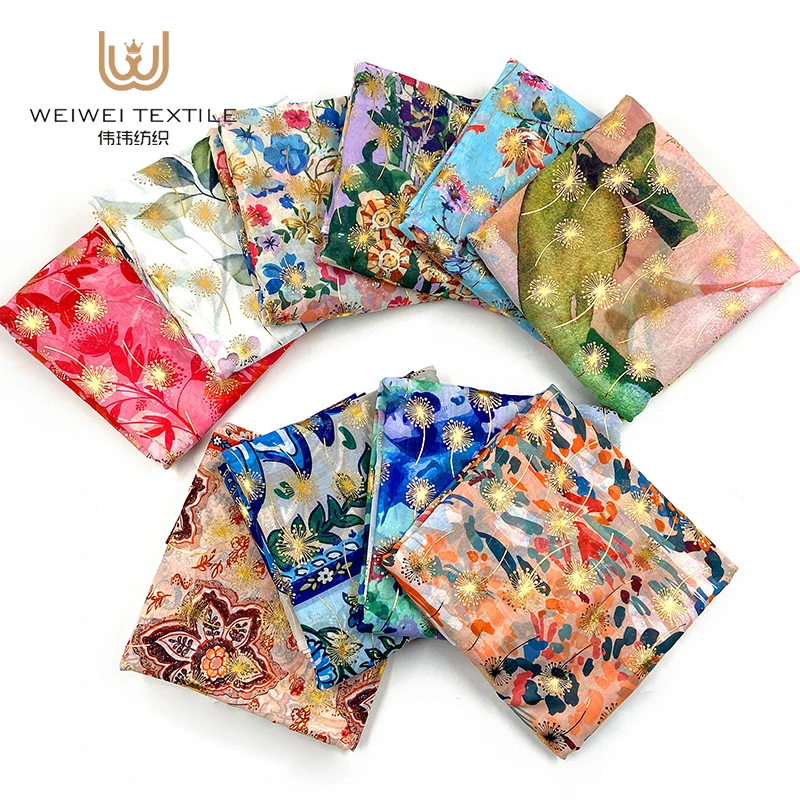
OEM printing muslim women hijab
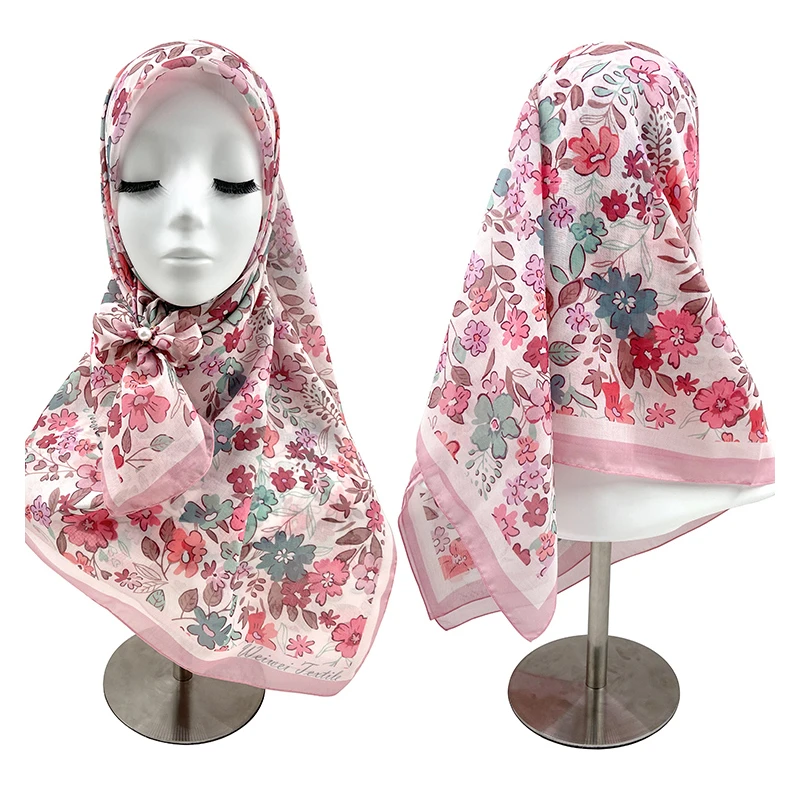
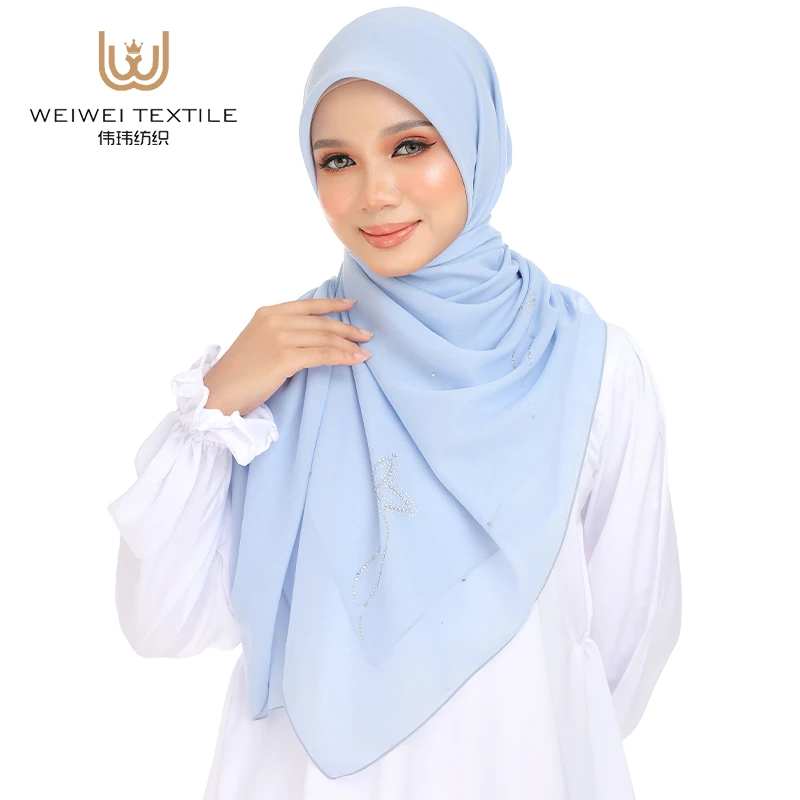
115*115cm Tudung Bawal For Malaysian Women
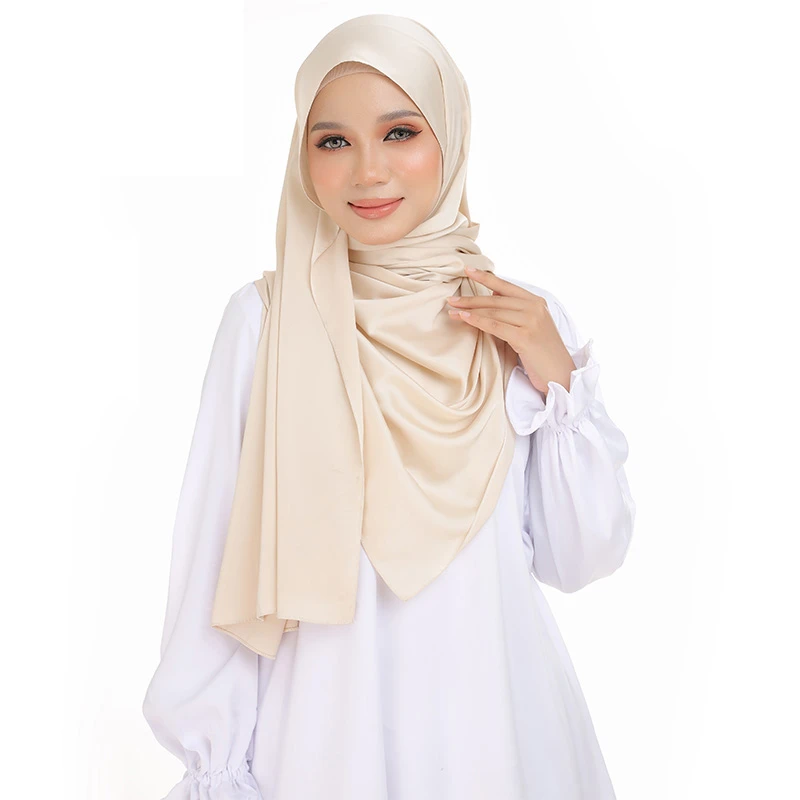
115×115cm Luxury Fashionable Satin Square Scarf
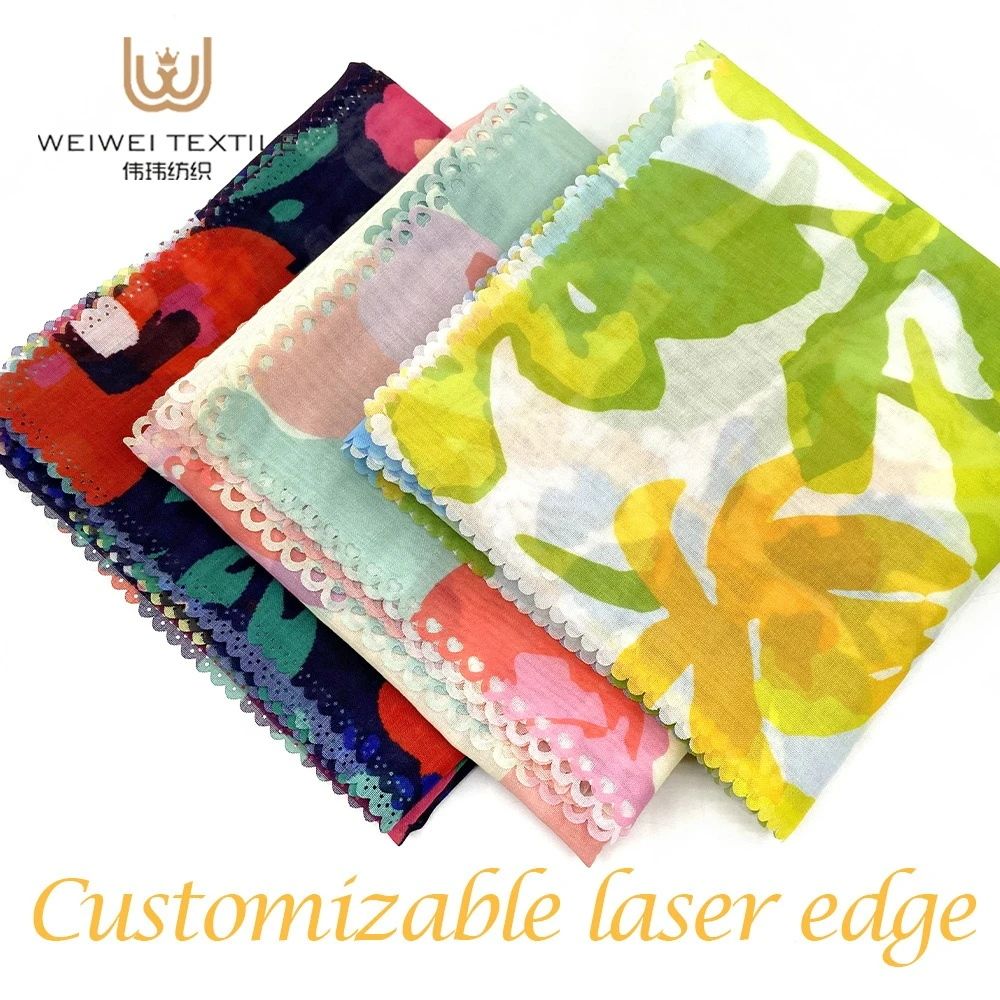
Waterproof Cotton Voile Muslim Printed Headscarf Hijab
Expert Guidance
Textile Sourcing FAQ
Clear answers to the most common questions from Kenyan textile importers.
What are the primary fabric options available for hijabs and head wraps?
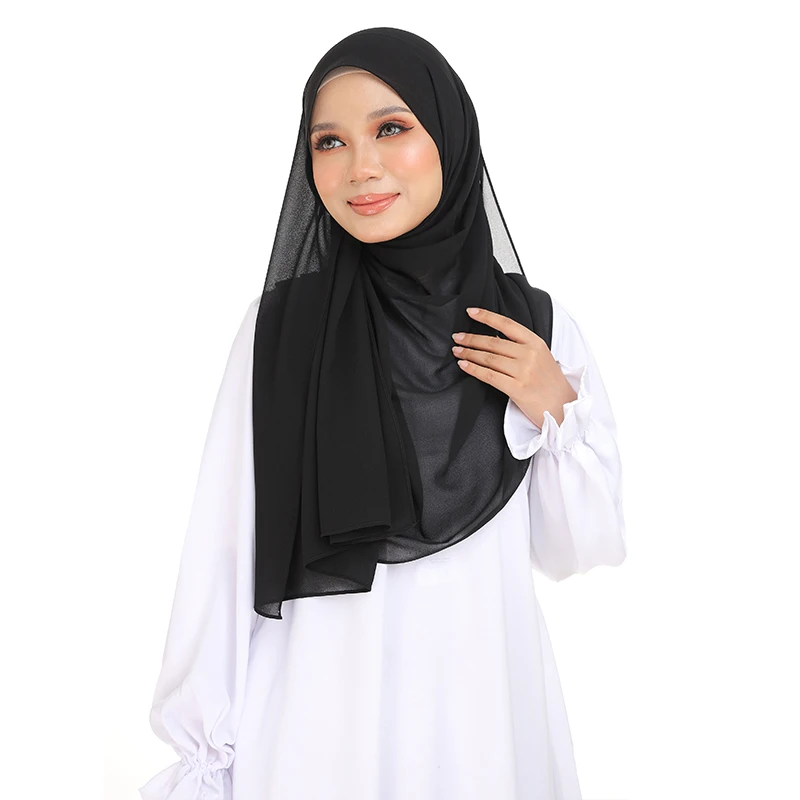
We offer a comprehensive range of fabrics including voile, chiffon, and satin. Voile is highly recommended for daily wear in Kenya due to its breathability and lightweight nature. Chiffon provides a more elegant, flowing drape ideal for formal occasions, while satin is preferred for premium abaya scarves and luxury head wraps due to its lustrous finish and smooth texture. Each fabric can be customized in terms of weave density and print quality.
Can you support small-scale customized orders for new Kenyan fashion brands?
Yes, we explicitly accept small customized orders. We understand that emerging brands in the African market need to test new designs before committing to mass production. Our integrated production line allows us to switch setups efficiently, enabling us to produce small, bespoke batches of african head wraps without compromising on the quality or the precision of the printing and finishing processes.
How do you ensure the color and pattern accuracy for specialized abaya scarves?
Accuracy is achieved through our dedicated printing workshop and a rigorous quality control system. We use advanced digital printing technology that allows for precise color matching based on customer specifications. Every batch undergoes a verification process in our finished product processing workshop, where samples are compared against the original design to ensure consistency across the entire production run.
What is the typical lead time for a large-scale order to be shipped to Kenya?
With a daily production capacity of 50,000 pieces, we can handle large orders much faster than standard factories. The exact lead time depends on the complexity of the customization and the order volume. Typically, once the design is finalized, mass production is executed efficiently across our weaving and printing lines, followed by rapid processing in our finishing workshop to ensure timely delivery to Kenyan ports.
How do I choose between voile and chiffon for the Kenyan climate?
For the Kenyan climate, voile is generally the best choice for everyday use because it is a plain-weave fabric that allows maximum airflow, keeping the wearer cool. Chiffon, while also lightweight, has a different weave that provides a more sheer and fluid look, making it better for evening wear or formal events. For the highest level of luxury and a distinct sheen, satin is the ideal choice, though it is heavier than voile.
What are the next steps to start a customized production run?
The process begins with a detailed inquiry where you provide your fabric preference (voile, chiffon, or satin) and your design requirements. We then move to the R&D phase to finalize the patterns and color matches. Once the sample is approved, we move into mass production. Our team is equipped to handle the entire workflow, from the initial design consultation to the final shipping arrangements to your location in Kenya.
Partner with Experts
Ready to Scale Your Textile Business in Kenya?
Whether you are a boutique owner looking for exclusive affordable silk scarves or a large-scale distributor requiring high-volume hijabs, Xinji Weiwei Textile provides the manufacturing power you need. Our integrated production and customization capabilities ensure your products stand out in the Kenyan market. Contact us today to discuss your specific fabric requirements and design visions.
Discuss Your Requirements