Market Analysis
The Modest Wear Landscape in Egypt
Analyzing the intersection of cultural tradition and modern textile demand within the North African region.
The Egyptian textile market for modest wear is characterized by a deep-rooted preference for specific fabric weights and breathability, driven by the arid climate of the region. In cities like Cairo and Alexandria, there is a constant demand for high-quality hijab and abaya accessories that can withstand daily wear while maintaining a professional and modest appearance. The market is split between traditional retail bazaars and modern boutiques, both of which require a steady supply of diverse materials, ranging from lightweight voiles for daily use to opulent satins for formal occasions.
Current trends indicate a shift toward highly customized and branded headwear. Egyptian consumers are increasingly seeking unique patterns and specific color palettes that reflect contemporary fashion while adhering to cultural norms. This has driven a surge in demand for digital printing and specialized finishing processes. Furthermore, there is a growing commercial appetite for african head wraps that blend regional aesthetics with global textile standards, pushing importers to find manufacturers who can handle both large-scale consistency and small-batch artistic design.
Despite the strong demand, the primary constraint remains the reliance on import channels that often lack transparency in quality. This creates a significant opportunity for vertically integrated manufacturers who can provide direct certification of quality and capacity. The outlook for the Egyptian modest wear accessory market is positive, with an expected increase in the adoption of premium blended fabrics and an expansion of the B2B wholesale sector as local entrepreneurs launch their own specialized scarf brands.
Industry Evolution
The Transition of Modest Textile Production
From fragmented artisanal weaving to high-capacity industrial integration.
Early Phase
Manual Production
Production relied on small, disconnected workshops with limited fabric options and inconsistent quality control, leading to high variability in finished hijabs.
Expansion
Industrialization
The adoption of semi-automated weaving and printing machines allowed for larger volumes, though customization remained slow and dependent on external designers.
Modern Era
Integrated Ecosystems
Current state featuring full vertical integration where design, R&D, and mass production coexist, enabling rapid response to global modest fashion trends.
Shift Toward Material Specialization
The industry has moved from generic "polyester" fabrics to specialized blends. Today, the focus is on creating fabrics that mimic the luxury of silk while maintaining the durability and affordability required for commercial wholesale in North Africa.
Customization as a Competitive Edge
Mass production is no longer enough. The competitive advantage has shifted to manufacturers who can offer "small order customization," allowing brands to launch limited editions of affordable silk scarves.
Digital Supply Chain Integration
The evolution includes the move toward direct-to-factory communication. B2B buyers now expect real-time updates on production capacity and the ability to verify certifications through digital channels before shipping.
Future Outlook
Emerging Directions in Modest Textiles
Key drivers shaping the next generation of hijab and scarf manufacturing.
Eco-Friendly Fiber Integration
There is an increasing demand for sustainable fibers and non-toxic dyes. Manufacturers are exploring recycled polymers that maintain the sheen of satin but reduce environmental impact.
Smart-Dye Technology
Implementation of advanced printing techniques that ensure colorfastness against high UV exposure, critical for the intense sunlight found in the Egyptian and African regions.
Hybrid Fabric Development
Developing "breathable luxury" fabrics that combine the aesthetics of silk with the moisture-wicking properties of advanced synthetics for year-round comfort in hot climates.
Direct-to-Wholesale Digitalization
Reduction of logistical layers through AI-driven demand forecasting, allowing factories to pre-produce core colors of abaya scarves based on regional seasonal data.
The convergence of technology and tradition is redefining the "value" of a scarf. In the Egyptian market, value is no longer just about the lowest price, but the intersection of fabric longevity, color precision, and the ability of the supplier to adapt to rapid style changes. This shift is forcing a move away from generic mass production toward "intelligent mass customization," where the factory's capability to pivot designs quickly becomes the primary competitive asset.
Furthermore, the growth of e-commerce in North Africa is changing how modest wear is sold. B2B clients now require products that are "photo-ready"—meaning the fabric must have a consistent sheen and drape that translates well across digital screens. This puts additional pressure on the finishing workshops to ensure a flawless surface and consistent edge-stitching on every single piece delivered.
Practical Applications
Deployment in Regional Commercial Hubs
How our production solutions meet the specific needs of Egyptian textile businesses.
01
Cairo Boutique Chain - Seasonal Collection Launch
A retail chain in Cairo needs a rapid turnaround for a limited-edition Ramadan collection. By leveraging our 50,000-piece daily capacity and internal printing workshop, we provide a fast-tracked production cycle that allows them to launch unique patterns two weeks ahead of competitors, ensuring maximum market capture during the peak shopping season.
02
Alexandria Wholesale Hub - Bulk Voile Sourcing
A large-scale wholesaler in Alexandria requires massive quantities of consistent, high-opacity voile for regional distribution. Our 10,000 sqm facility ensures that the fabric weight and color remain identical across hundreds of thousands of meters, preventing the quality drift common in fragmented supply chains and maintaining the wholesaler's reputation.
03
Niche Designer - High-End Silk Wraps
An independent designer specializing in luxury affordable silk scarves requires small-batch, high-precision prints. We utilize our flexible "small order customized" protocol, allowing the designer to produce professional-grade samples and limited runs without the burden of massive minimum order quantities.
04
Corporate Uniform Supplier - Hijab Standardization
A company providing uniforms for healthcare workers in Egypt needs standardized, durable, and breathable hijabs in specific corporate colors. Our integrated weaving and dyeing process ensures precise Pantone matching and fabric durability that withstands frequent industrial laundering, providing a professional look for the end-user.
05
Export Trader - Sudanese Toub Distribution
A trader specializing in the cross-border trade between Egypt and Sudan requires authentic Sudanese Toub production. By utilizing our dedicated production lines for Toubs and Muslim scarves, we provide the exact dimensions and material feel required for the Sudanese market, facilitating seamless regional trade.
Client Perspective
Representative Operator Insights
Illustrative scenarios based on typical B2B collaborations in the textile industry.
The ability to manage both mass production and small customized batches is a game-changer for our seasonal planning. We no longer have to choose between scale and uniqueness, which has significantly improved our inventory turnover in the Cairo market.
Consistent fabric density is the most critical factor for our wholesalers. Working with a factory that owns the entire line from weaving to finishing eliminates the quality variance we previously experienced with multi-vendor sourcing.
Finding a partner who understands the specific requirements for the Sudanese Toub while maintaining industrial scale has streamlined our export process. The speed of production allows us to meet peak regional demand without delay.
Our Heritage
Xinji Weiwei Textile Legacy
Two decades of commitment to textile excellence and industrial innovation.
2004
Foundation and Establishment
Xinji Weiwei textile was established in Shijiazhuang city, Hebei province, beginning its journey as a specialized textile producer focused on quality weaving and processing.
Growth Phase
Infrastructure Expansion
The factory expanded to cover 10,000 square meters, integrating a full production chain including weaving, printing, and finished product processing workshops to ensure total quality control.
Current
Industry Leadership
Now a TOP manufacturer with 500 elite employees and a daily capacity of 50,000 pieces, specializing in high-end hijab, voile, chiffon, and satin products for global markets.
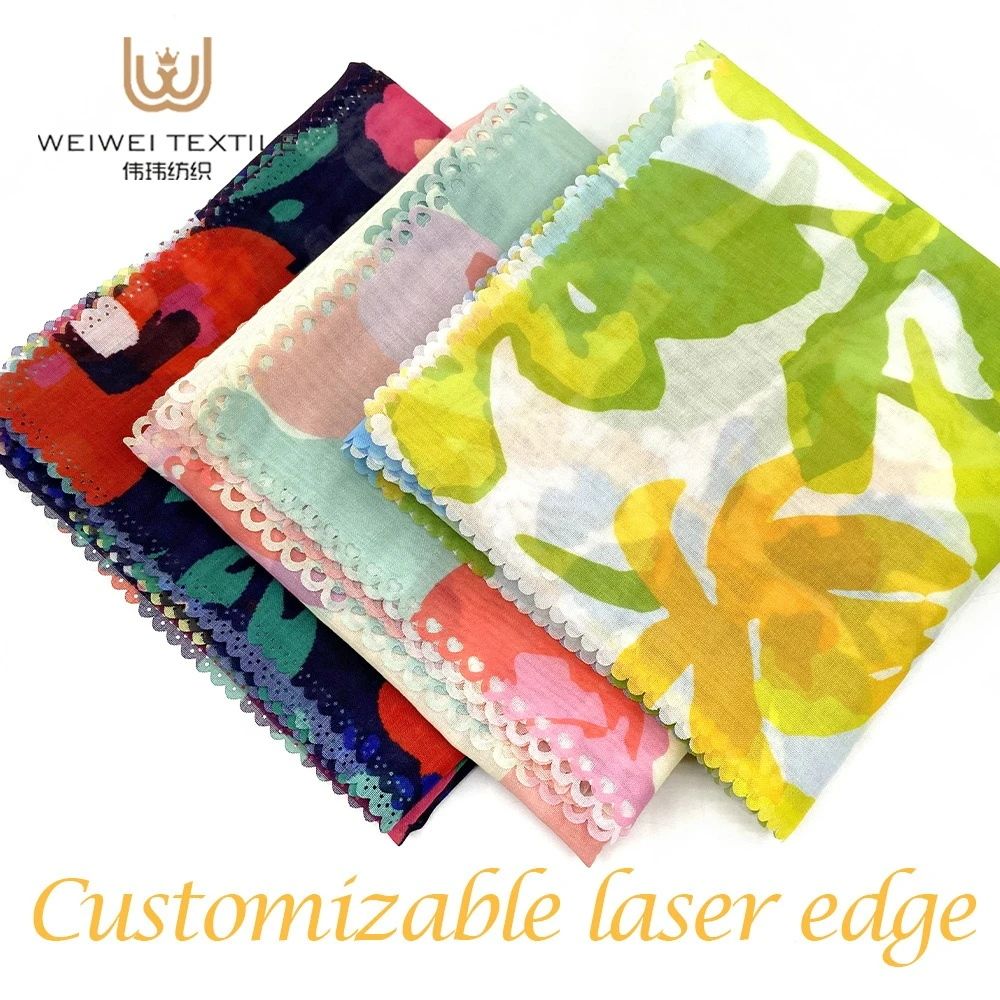
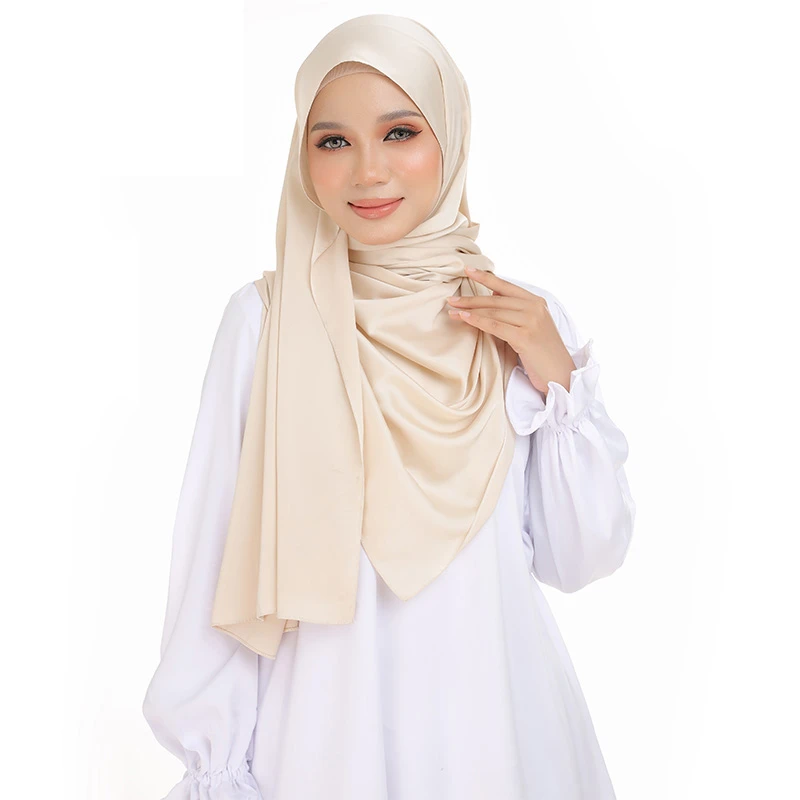
Waterproof Cotton Voile Muslim Printed Headscarf Hijab

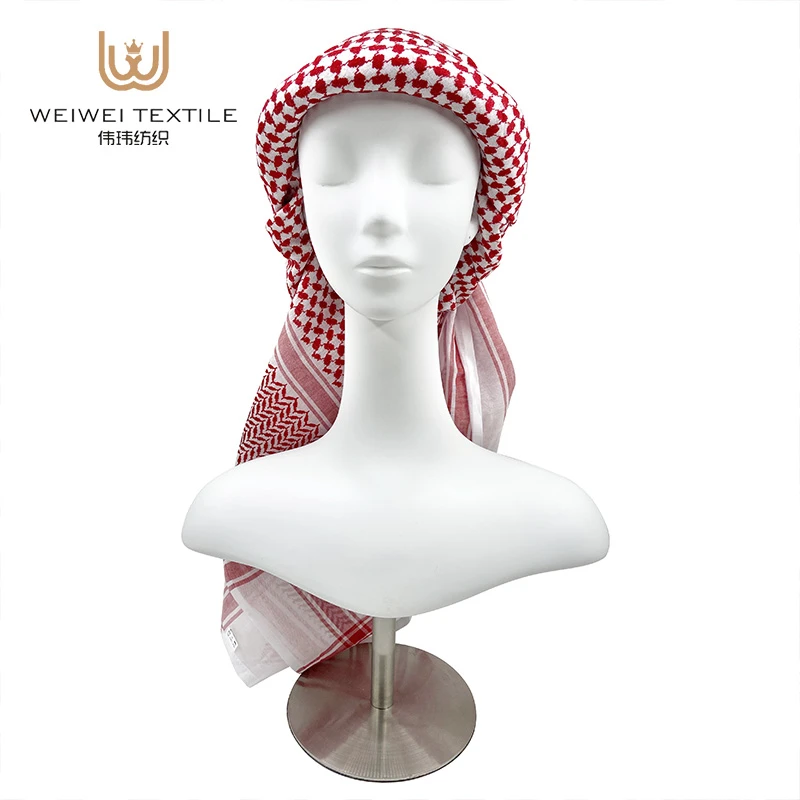
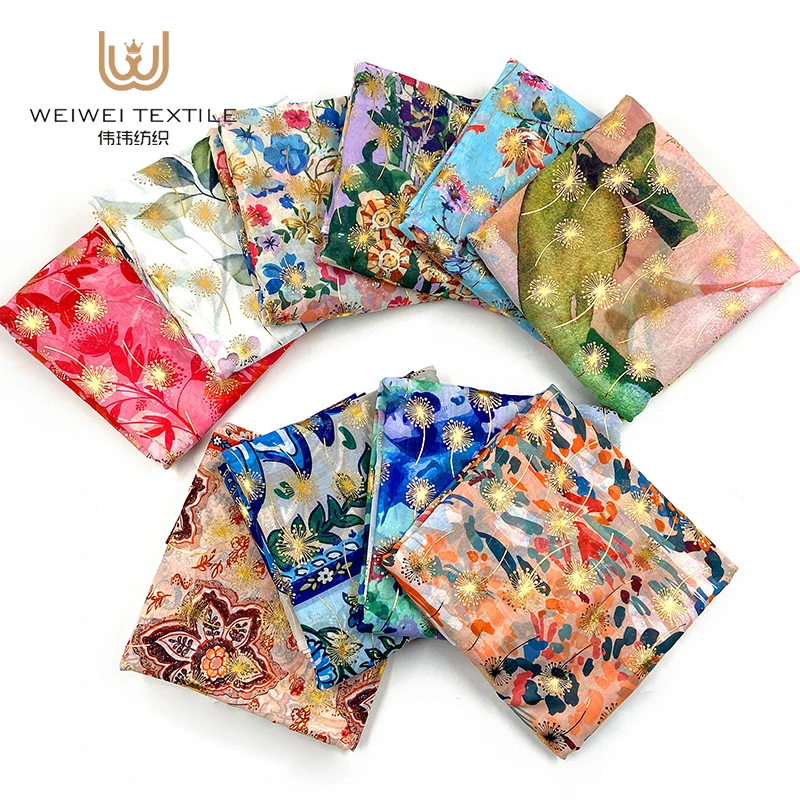
OEM printing muslim women hijab
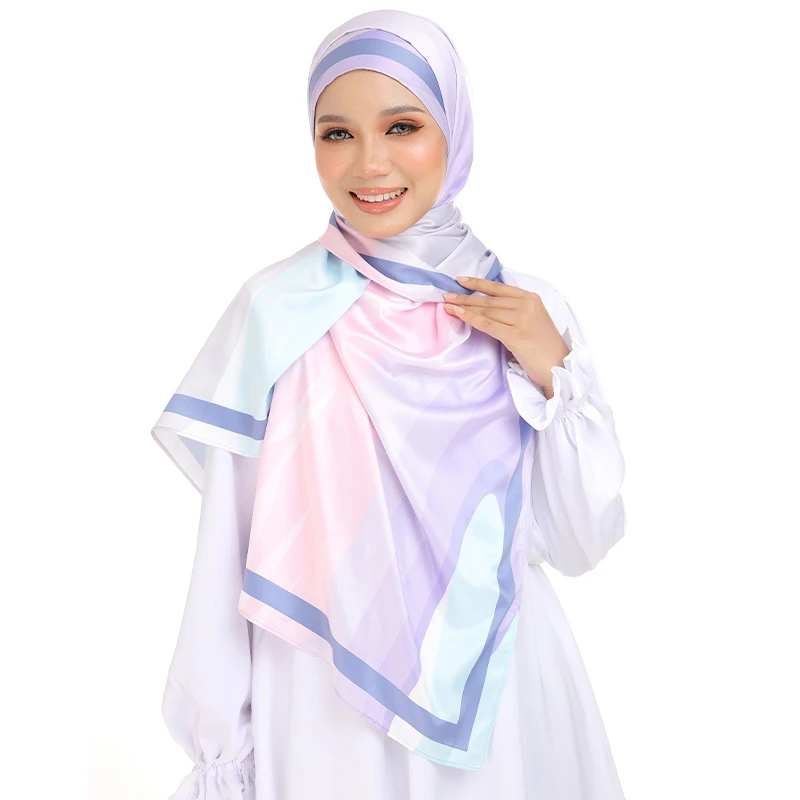
Satin Silk Headscarf With Unique Designs
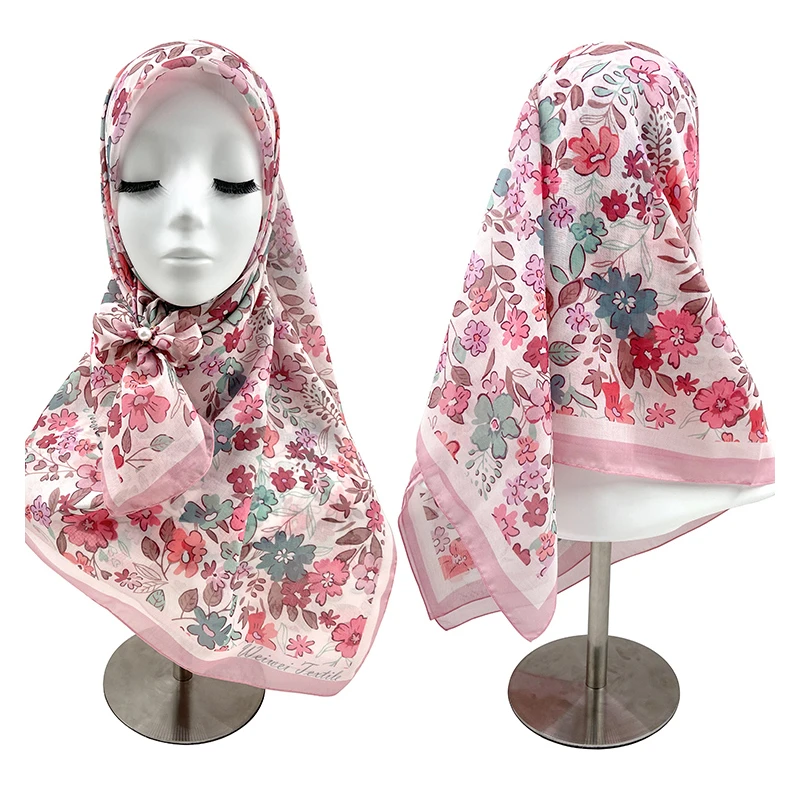
115*115cm Tudung Bawal For Malaysian Women
Frequently Asked Questions
Expert Guidance on Sourcing Modest Wear
Answers to common technical and commercial questions from our global B2B partners.
What are the main differences between your voile, chiffon, and satin hijab materials?
Voile is a lightweight, breathable plain weave fabric ideal for daily wear in hot climates like Egypt. Chiffon is more sheer and has a slightly rougher texture, providing a more elegant drape for formal modest wear. Satin is characterized by a high-gloss surface and smooth feel, making it the preferred choice for luxury events. Each material is processed in our dedicated workshops to ensure a balance between opacity and breathability.
Can you handle customized prints for small boutique orders without extremely high minimums?
Yes, we explicitly accept small order customization to support emerging brands and niche designers. Our integrated printing workshop allows us to set up custom runs efficiently without the overhead that typically forces other factories to demand massive minimums. This flexibility allows you to test new patterns or limited editions of african head wraps before committing to mass production.
How do you ensure color consistency across large batches of abaya scarves?
Color consistency is managed through our vertical integration. Because we own the dyeing and printing workshops, we use standardized chemical formulations and precise temperature controls. Each batch is compared against a master sample using calibrated light boxes before moving to the processing workshop, ensuring that the first piece and the 50,000th piece are identical in hue.
What is the typical lead time for a mass production order of 50,000 pieces?
With a daily capacity of 50,000 pieces, our throughput is among the highest in the industry. Typical lead times for mass production depend on the complexity of the design and printing requirements, but the integrated nature of our workshops significantly reduces the transition time between weaving and finishing, often cutting lead times by 20-30% compared to fragmented suppliers.
Do you provide specific products tailored for the Sudanese Toub market?
Yes, the Sudanese Toub is one of our core product lines. We understand the specific dimensions, fabric weights, and traditional printing styles required for the Sudanese market. Our production lines are optimized to create the seamless, high-quality finish essential for Toubs, making us a preferred partner for traders operating between Egypt and Sudan.
What are the first steps to initiate a customized production order with your factory?
The process begins with a detailed requirement analysis where you provide your desired fabric type (voile, chiffon, satin), color specifications, and any custom prints. We then produce a sample for your approval. Once the sample is verified, we establish the production timeline and quantity. Our team provides constant updates from the weaving stage through to the final processing workshop before shipment.
Ready to Scale
Secure Your Premium Textile Supply Chain in Egypt
Whether you are a Cairo-based boutique seeking exclusive designs or a regional wholesaler requiring 50,000 pieces of consistent quality, Xinji Weiwei Textile has the infrastructure to deliver. Avoid the risks of fragmented sourcing and leverage our integrated manufacturing power to grow your modest wear brand. Contact us today to discuss your fabric specifications and sample requirements.
Discuss Your Requirements