Market Analysis
Textile Import Landscape in Peru
Analyzing the demand and supply dynamics of the modest fashion and traditional headwear sector.
Peru's textile market is characterized by a strong appreciation for high-quality fabrics and a growing niche for modest fashion. In urban centers like Lima, there is an increasing demand for professional hijab and abaya accessories. Importers typically seek a balance between luxury feel and affordability. The market is currently dominated by mixed imports, but there is a clear shift toward sourcing directly from specialized manufacturers to reduce costs and ensure that fabric specifications—particularly for voile and chiffon—are strictly maintained to meet local consumer preferences.
Current trends show a surge in interest for diverse cultural headwraps. The popularity of african head wraps and customized printed scarves is rising as Peruvian consumers embrace global fashion influences. Digital transformation in retail has also driven a need for "small-batch, high-frequency" inventory updates. Retailers are no longer ordering massive generic quantities but are instead requesting highly customized, trend-driven designs that can be brought to market quickly, placing a premium on manufacturers with agile R&D capabilities.
Despite the opportunity, constraints remain in the form of logistical complexities and strict import quality standards. The outlook for the Peruvian market is positive, with growth expected in the specialized religious attire segment. The primary opportunity lies in bridging the gap between industrial mass production and personalized design. Companies that can offer "industrial-scale customization"—meaning the ability to produce 50,000 pieces a day while still offering tailored options—will likely dominate the supply chain for the next decade.
Industry Growth
Evolution of Global Scarf Manufacturing
From traditional weaving to integrated, high-tech textile production systems.
Early Phase
Manual Crafting
Production relied on fragmented workshops with limited capacity and inconsistent quality, focusing mostly on basic weaves.
Growth Phase
Industrialization
Integration of weaving and printing workshops allowed for higher volumes and the introduction of diverse materials like satin and chiffon.
Current Phase
Customization Era
Modern factories now integrate R&D with mass production to provide highly tailored solutions for global niche markets.
Material Innovation
The industry has shifted from basic cotton to high-performance blends. The development of lightweight yet opaque voile and high-luster satin has allowed manufacturers to cater to both the functional needs of religious attire and the aesthetic demands of high fashion.
Digital Printing Integration
Traditional screen printing is being augmented by digital techniques, enabling intricate patterns and a wider color gamut. This allows for the rapid production of complex african scarf motifs with extreme precision.
Supply Chain Directness
There is a global trend toward "Factory-to-Retailer" models. By reducing the number of agents, brands can achieve better margins and more direct control over the quality and design of their product lines.
Future Outlook
Emerging Trends in Modest Fashion Textiles
Analyzing the drivers of change in the global and local scarf market.
Sustainable Fabric Sourcing
Demand is increasing for eco-friendly dyes and biodegradable fibers. Manufacturers are integrating sustainable processing to attract conscious consumers in South America and Europe.
Hyper-Personalization
The shift toward "on-demand" printing allows for highly specific patterns. This trend empowers small boutiques in Peru to offer unique, limited-edition collections.
Cross-Cultural Fusion
Blending traditional motifs from different regions is creating new fashion categories. The fusion of African prints with Asian textile techniques is gaining global traction.
Advanced Fabric Blends
The use of moisture-wicking and anti-wrinkle finishes in chiffon and satin is becoming a standard requirement for high-end export markets in Peru.
The convergence of these trends points toward a more agile textile industry. In the past, manufacturers focused solely on volume; however, the modern market demands a hybrid approach. The ability to maintain a daily output of 50,000 pieces while simultaneously managing a portfolio of small, highly customized orders is now the primary competitive advantage in the global hijab and scarf market.
Furthermore, the integration of R&D within the factory walls means that new materials can be tested and implemented in days rather than months. For Peruvian importers, this means faster access to the latest textile innovations and the ability to pivot their product lines in response to rapidly changing local fashion trends without sacrificing the economies of scale.
Application Scenarios
Practical Procurement Scenarios in Peru
How our industrial capabilities translate into real-world business success for local partners.
01
Lima-Based Boutique Scaling a New Line
A boutique owner in Lima wants to launch a limited edition of printed voile scarves. Due to high risk, they start with a small customized order of 500 pieces. Using our flexible customization logic, we provide the exact color match. After the line sells out in two weeks, they scale to a mass order of 20,000 pieces, which our 50,000-piece daily capacity handles without a drop in quality.
02
Wholesale Distributor Optimizing Cost
A large distributor in Peru is tired of paying high margins to middlemen for affordable silk scarves. By partnering directly with our factory, they bypass the agents and utilize our integrated weaving and printing workshops. This reduces their procurement cost by eliminating redundant markups while increasing the overall quality of the satin fabric.
03
Specialized Religious Attire Importer
An importer focusing on professional hijab for the Peruvian community requires specific opacity and breathability. They provide their fabric requirements, and our R&D team suggests a particular chiffon blend. We implement a strict quality control system for the entire batch, ensuring every scarf meets the modesty and comfort standards required by the end-users.
04
Cultural Fashion Brand Launching Headwraps
A new Peruvian brand wants to introduce african head wraps with vibrant, high-contrast prints. They need a manufacturer who can handle complex patterns without bleeding. Our professional printing workshop utilizes high-definition techniques that ensure the intricate African motifs are crisp and color-fast, enabling the brand to position itself as a premium provider.
05
Corporate Gift Supplier for Textile Events
A company needs 10,000 branded satin scarves for a corporate event in Arequipa within a tight deadline. They require a specific logo to be integrated into the design. Our massive production capacity and integrated processing workshop allow us to handle the design, printing, and finishing in a compressed timeframe, delivering the order on schedule.
Client Perspectives
Representative Implementation Scenarios
How typical textile operators leverage our manufacturing scale and quality control.
The ability to start with a small customized trial and then immediately scale to mass production without changing the fabric quality has been a game-changer for our inventory management. The consistency in the voile fabric is exactly what we needed for our premium line.
Sourcing directly from a factory with its own weaving and printing workshops has significantly reduced our procurement costs. The quality of the satin and chiffon is superior to what we were getting from regional agents, especially regarding color fastness.
Meeting the specific modesty and breathability requirements for our religious attire line was effortless. The strict quality control system ensures that every shipment is uniform, which is critical for maintaining our brand's reputation in the community.
Our Legacy
Xinji Weiwei Textile History
Two decades of dedication to the art and industry of scarf manufacturing.
2004
Company Establishment
Founded in Shijiazhuang city, Hebei province, Xinji Weiwei Textile began its journey focusing on the core production of quality textile fabrics and traditional scarves.
Industrial Expansion
Facility Growth
The factory expanded to cover 10,000 square meters, establishing a full production ecosystem including weaving, printing, and finished product processing workshops.
Current Era
Global Top Manufacturer
Having participated in multiple Canton Fairs (132nd to 135th), the company has evolved into a TOP manufacturer integrating design, R&D, production, and global sales.
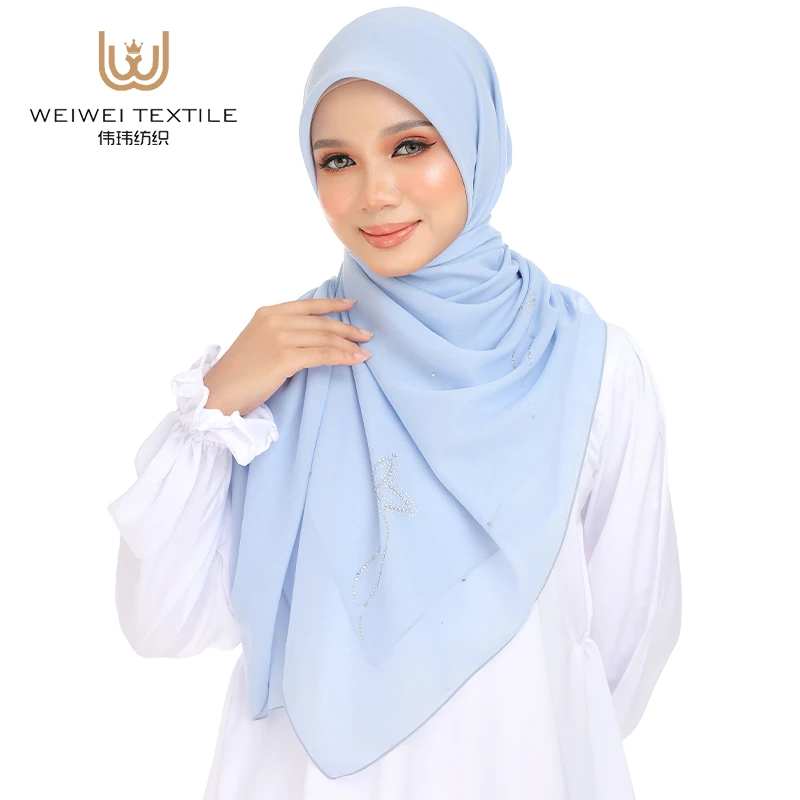
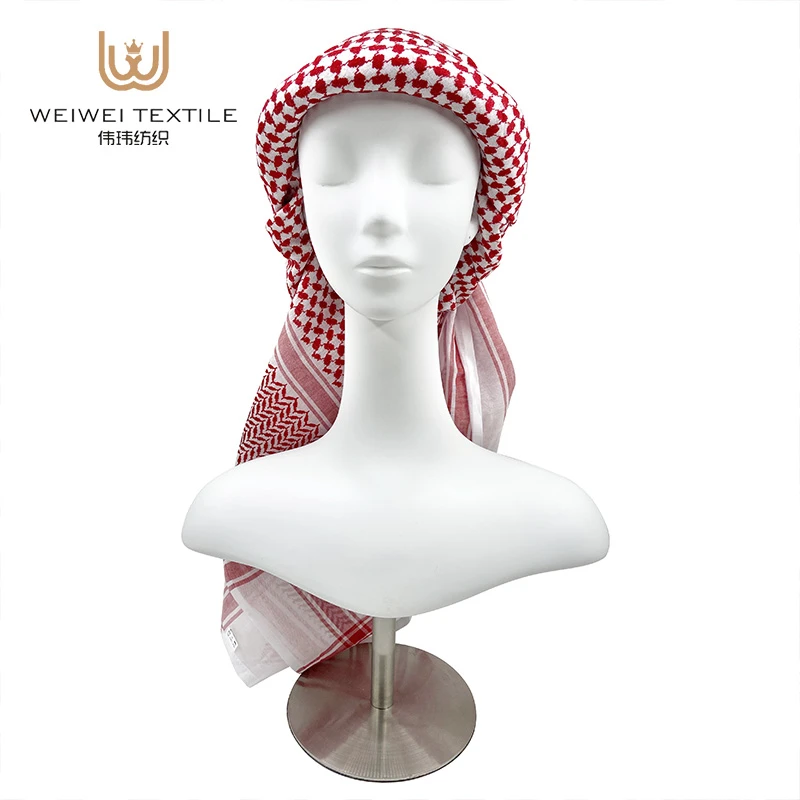
Ethnic Beautiful Drill Plain Square Scarf For Women
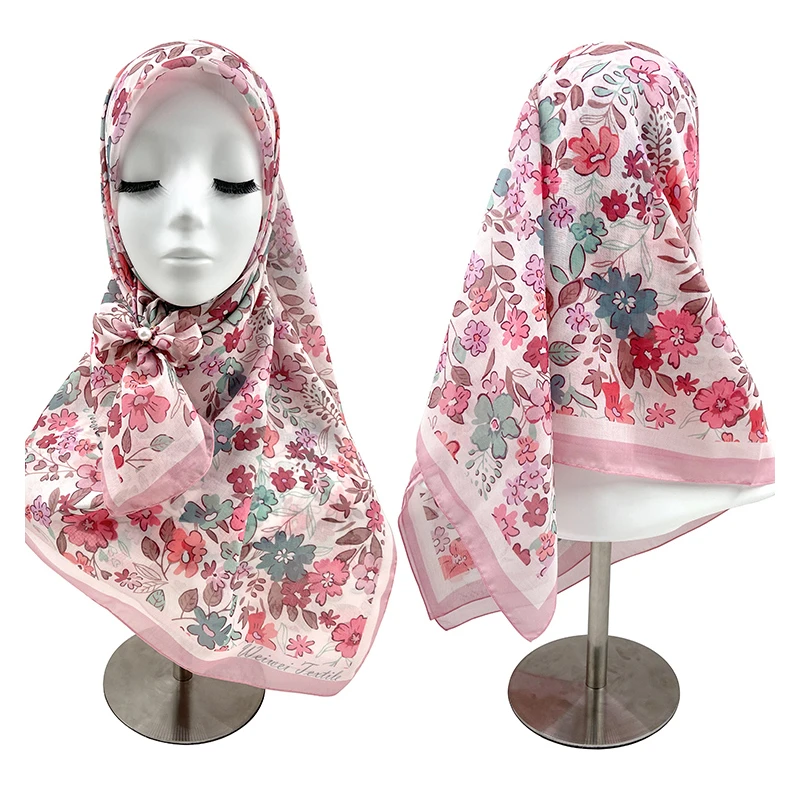
115*115cm Tudung Bawal For Malaysian Women
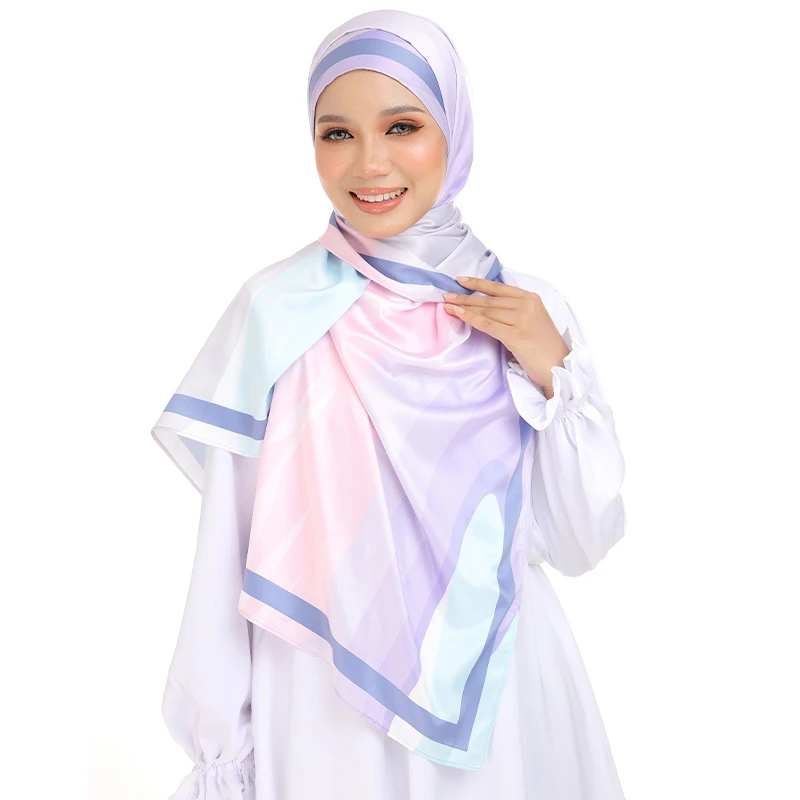
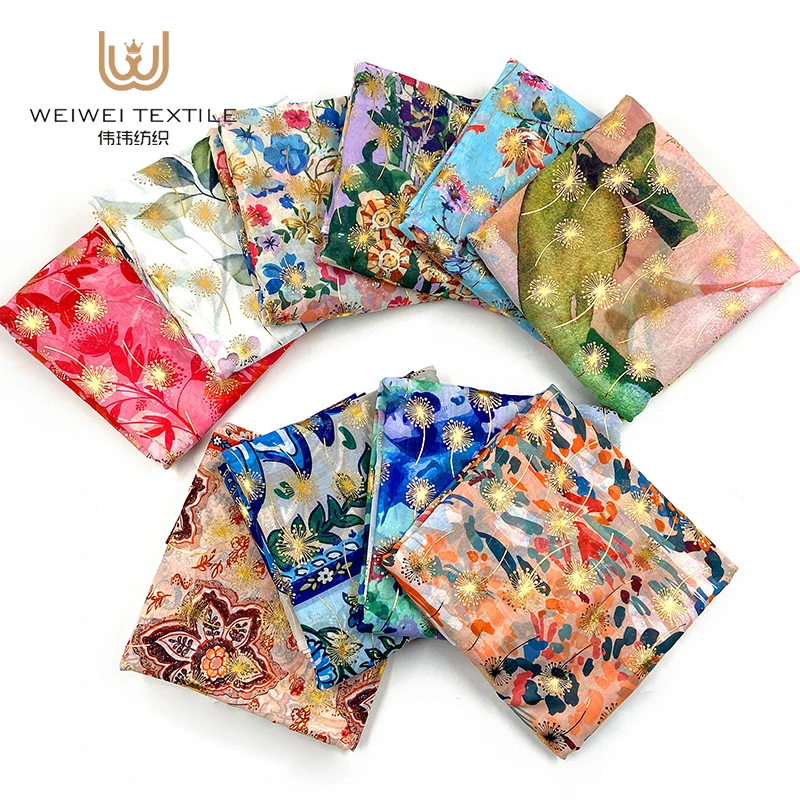
Satin Silk Headscarf With Unique Designs

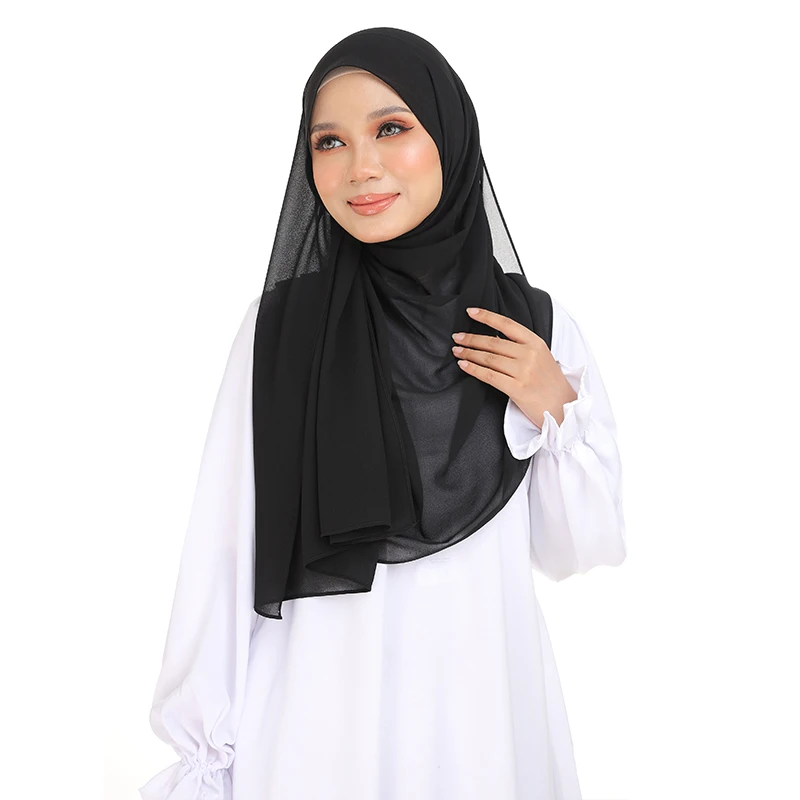
OEM printing muslim women hijab
Buyer's Guide
Frequently Asked Questions
Everything you need to know about sourcing hijabs and scarves from our facility.
What types of fabrics are available for abaya scarves and hijabs?
We specialize in a wide range of high-quality fabrics including voile, chiffon, and satin. Each material is selected for its specific properties; voile for breathability and opacity, chiffon for a lightweight elegant drape, and satin for a luxurious luster. Our integrated weaving workshop allows us to control the density and feel of these fabrics to meet the specific needs of the Peruvian market.
Do you accept small customized orders for new design testing?
Yes, we accept small customized orders to help our clients test new designs or colors before committing to mass production. This is a key part of our service solution, allowing boutiques to stay agile with fashion trends. Once a design is validated, we can seamlessly scale the order using our industrial capacity of 50,000 pieces per day.
How do you ensure color consistency across large mass production orders?
Consistency is achieved through our perfect quality control system and the fact that we own our printing workshop. We use standardized color matching and rigorous testing at each stage of the production line. This ensures that the first piece and the 50,000th piece of a batch have the exact same hue and saturation, preventing color variance issues.
What is the typical lead time for a large shipment to South America?
Lead times vary based on the complexity of the customization, but our high daily production capacity significantly reduces the manufacturing window. Because we handle weaving, printing, and processing in-house, we eliminate the delays associated with outsourcing. For Peruvian clients, we coordinate with shipping partners to optimize the transit from our facility in Hebei to the destination port.
Can you produce specific styles like African head wraps or Sudanese Toubs?
Yes, Sudanese Toubs and various styles of African head wraps are among our core product strengths. Our design and R&D teams are experienced in the specific dimensions and printing patterns required for these cultural garments. We can provide either traditional designs or highly customized variations depending on your brand's requirements.
What are the next steps for initiating a customized production order?
The process begins with an inquiry where you provide your fabric preferences, design patterns, and estimated volume. Our team will then provide a technical consultation and a sample for your approval. Once the sample is confirmed, we can move to either a small-batch customized run or full-scale mass production, depending on your business strategy.
Partner with us
Secure Your High-Capacity Textile Supply Chain in Peru
Whether you are a boutique owner looking for customized hijab designs or a large distributor seeking reliable mass production of abaya scarves, Xinji Weiwei Textile provides the industrial scale and precision you need. Our combined weaving, printing, and quality control systems ensure your products stand out in the Peruvian market for their quality and elegance. Contact us today to discuss your specific requirements and request a sample.
Discuss Your Requirements