Dec . 03, 2025 12:16 Back to list
Pearl Chiffon Hijab - Elegant & Breathable Headscarves for Global Women
Pearl Chiffon Hijab: A Delicate Blend of Elegance and Global Relevance
When you hear the term pearl chiffon hijab, what likely comes to mind is something graceful, ethereal, and remarkably versatile. But there’s more to this fabric choice and style than just aesthetics. Across the globe, the pearl chiffon hijab holds cultural significance and practical appeal, standing out among the myriad types of hijabs today. Understanding its nuances — from materials to applications — reveals why it remains a preferred choice not only for fashion but also in contexts where comfort, breathability, and elegance are paramount.
A World Connected by Fabric: Why Pearl Chiffon Hijabs Matter
The global hijab market is vast and growing, reflecting both cultural traditions and evolving fashion sensibilities. According to the Wikipedia entry on hijabs, millions across multiple continents wear some form of head covering, but modern tastes favor lightweight, breathable fabrics — and pearl chiffon ticks these boxes. Oddly enough, this lightweight fabric addresses an often-overlooked challenge: combining modesty with climate adaptability.
Particularly in warmer regions from the Middle East to Southeast Asia, the pearl chiffon hijab provides relief from heavy, heat-trapping materials traditionally used. The World Bank notes that approximately 60% of the world's Muslim population resides in predominantly hot climates. So fabric choice isn't purely about style — it’s also about comfort and functionality, which ties deeply into social and humanitarian aspects.
What Exactly Is a Pearl Chiffon Hijab?
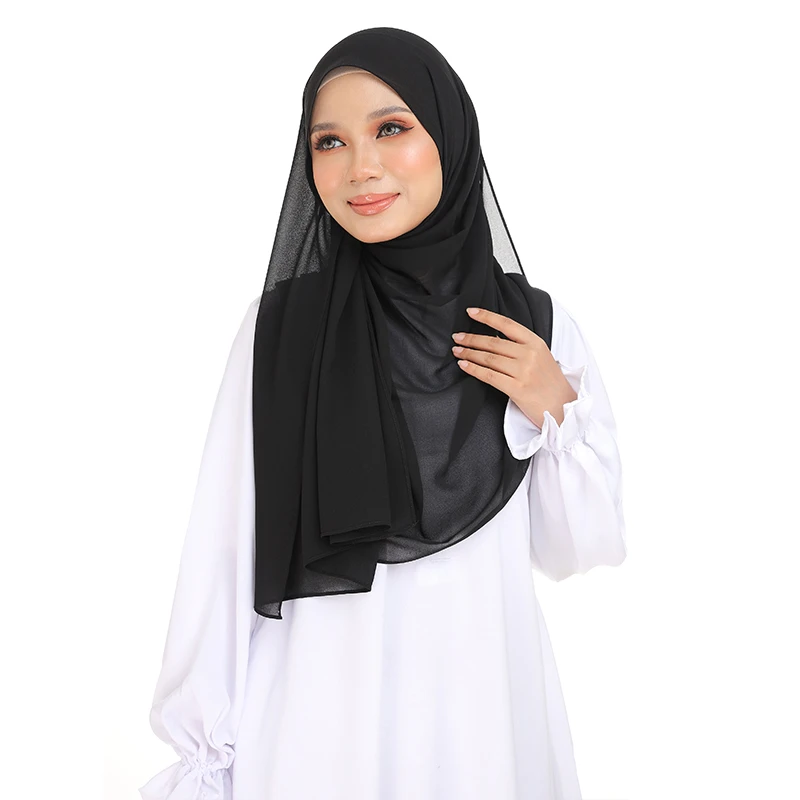
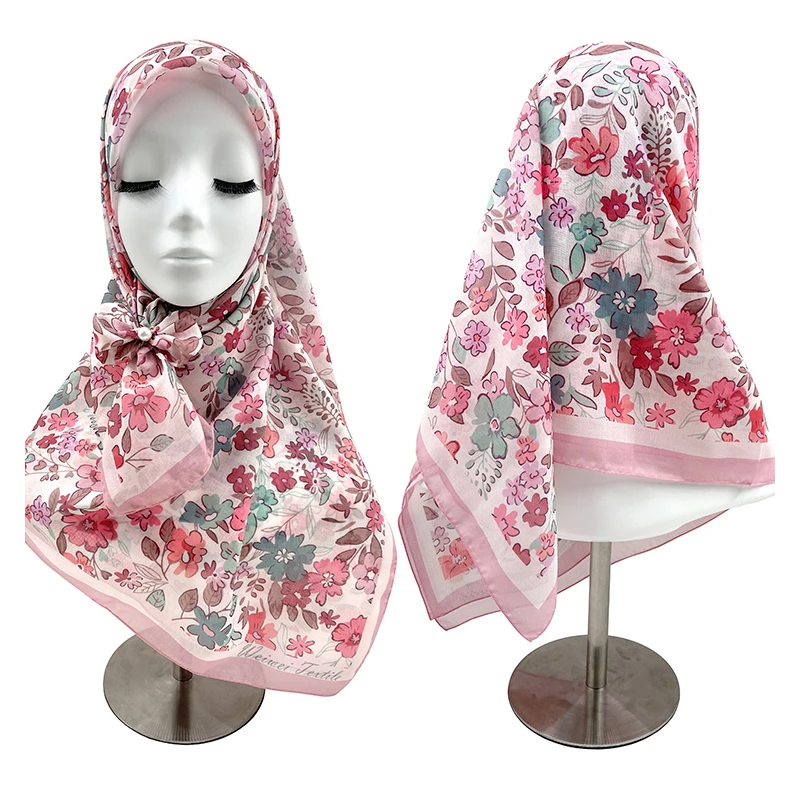
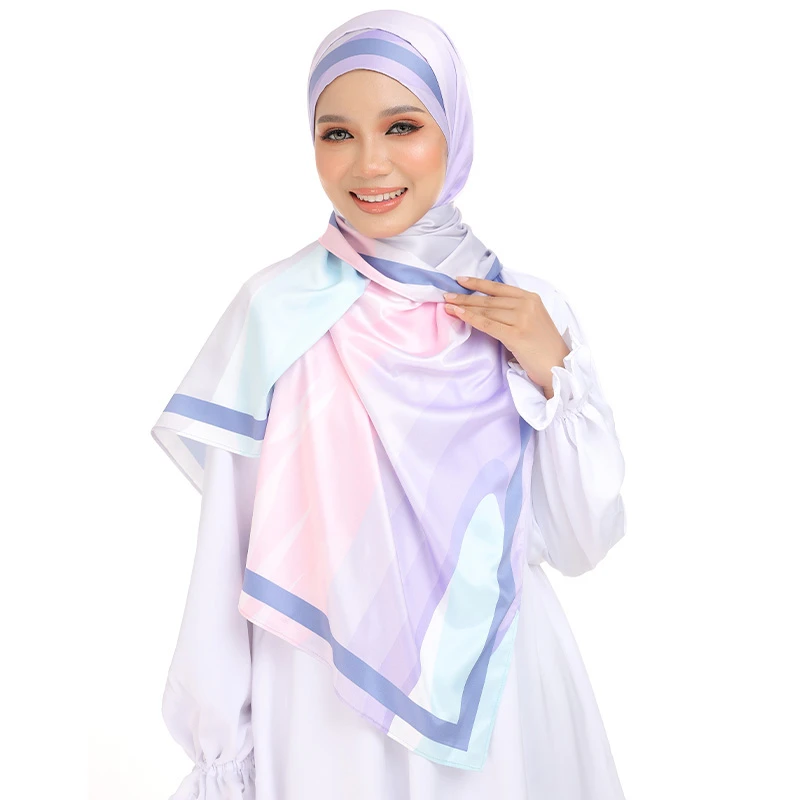
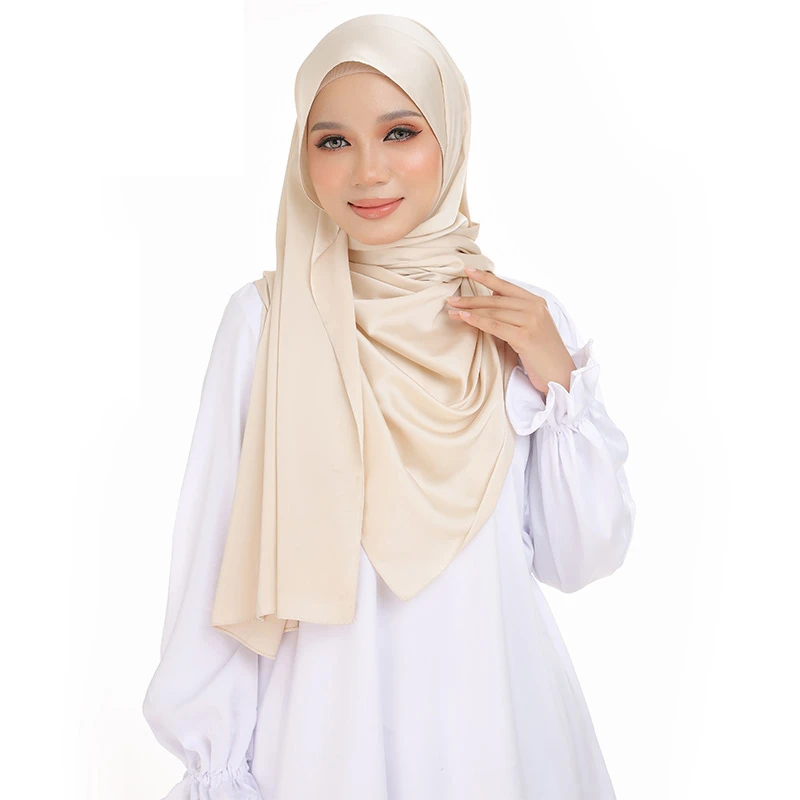
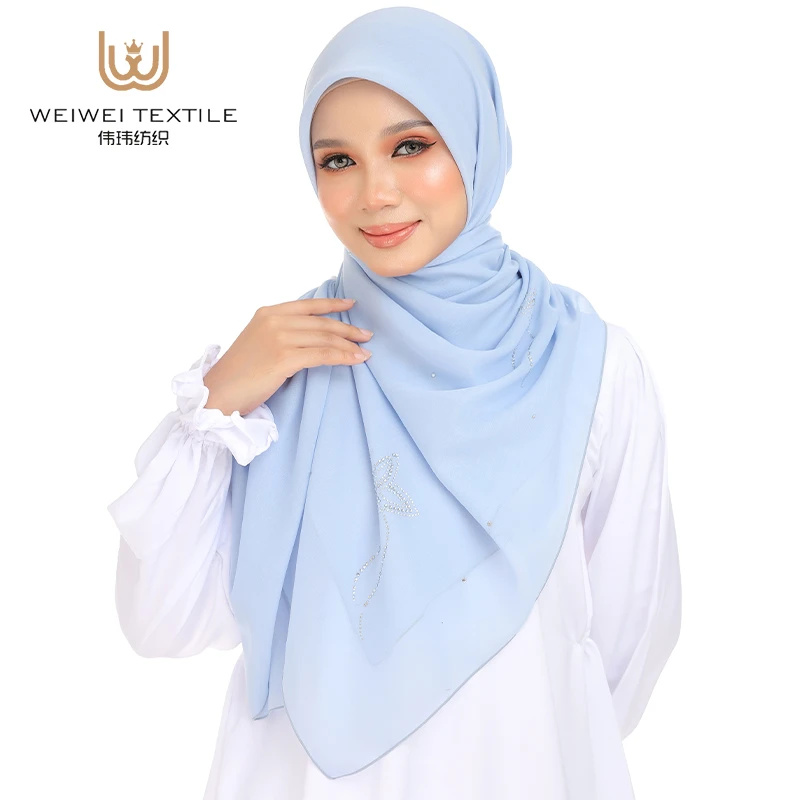
Simply put, a pearl chiffon hijab is a headscarf made from a sheer, lightweight chiffon fabric that often features a subtle pearlized sheen or finish. This texture gives it that signature soft luster, which elevates its elegance for everyday wear and special occasions alike.
Chiffon itself is a synthetic or silk fabric known for breathability and fluidity. When we add the “pearl” element, it usually means the fabric incorporates a finish or thread that imparts a pearly glow. The result is a hijab that feels airy, looks refined, and stays in place without sacrificing modesty.
In the modern textile industry, pearl chiffon hijabs represent a fascinating intersection of fashion technology and tradition. They embody innovation in fabric treatment while addressing practical needs for comfort and style.
Core Features of Pearl Chiffon Hijabs
- Lightweight & Breathability: The fabric allows airflow, making it suitable for hot climates while maintaining good opacity.
- Elegant Sheen: The pearl effect adds a subtle, sophisticated shine that complements a variety of outfits — formal or casual.
- Durability: Despite being delicate in appearance, good-quality pearl chiffon resists tearing and holds shape well with proper care.
- Color Retention: The dyeing process used on pearl chiffon ensures vibrant, lasting colors, often in soft pastels or jewel tones.
- Versatility: Suitable for layering, easy to style, and adaptable for different face shapes and dressing preferences.
How Pearl Chiffon Hijabs Are Used Around the Globe
Regions from the Gulf Cooperation Council (GCC) countries, particularly Saudi Arabia and the UAE, to Indonesia, Pakistan, and parts of Africa commonly see women integrating pearl chiffon hijabs into their wardrobe staples. The lightness makes it great for combining with modern, layered ensembles — think of it as a bridge between tradition and contemporary fashion.
In industries like hospitality and retail where presentation is key, pearl chiffon hijabs are frequently chosen as part of uniforms for Muslim employees — enhancing comfort while maintaining a polished look. Humanitarian organizations working in hot climates also recommend breathable hijab fabrics like pearl chiffon for staff working in the field, where heat can be a serious factor.
One interesting use case is at weddings and formal events where the soft pearl finish catches light exquisitely, creating a subtle sparkle without overwhelming other accessories.
Advantages & Long-Term Value
The benefits of the pearl chiffon hijab extend far beyond the visual. Lightweight fabrics reduce heat stress, promoting wearer comfort — an often overlooked but crucial quality. Moreover, the elegant appearance fosters personal confidence and a sense of dignity.
From a sustainability perspective, many manufacturers are now exploring recycled polyester chiffon variants with pearl finishes, which cut down on raw material consumption. This aligns with global trends towards eco-conscious textile production (ISO 14001 environmental standards serve as a baseline here).
Additionally, the pearl chiffon’s compatibility with machine washing and minimal ironing demands means less energy and water consumption for upkeep, which is a small but meaningful environmental plus.
Product Specification Table: Pearl Chiffon Hijab
| Feature | Details |
|---|---|
| Material | Polyester / Silk Blend with Pearl Finish |
| Weight | 40-50 GSM (grams per square meter) |
| Transparency | Semi-sheer with lined options available |
| Care | Hand wash or gentle machine wash recommended |
| Typical Sizes | 70 x 180 cm (varies by brand) |
Future Trends & Innovations
Looking ahead, innovations in textile finishing could make pearl chiffon hijabs even more comfortable and sustainable. For one, integration of nanotechnology coatings to enhance fabric breathability without sacrificing opacity seems promising. Some manufacturers are experimenting with antimicrobial finishes, which could be a game-changer for everyday wear—think: fresher hijabs over longer periods.
Additionally, recycled content is gaining traction. The ISO standards on sustainable textile production encourage circular economy approaches, benefiting globally sourced materials like pearl chiffon fabrics. As digital weaving techniques become mainstream, expect more precise pearl finishes with less waste and customization options directly tailored to customer preferences.
Challenges and Smart Solutions
One persistent challenge with pearl chiffon hijabs is their slight delicacy — snagging and tearing remain concerns, especially for users unfamiliar with care tips. Oddly enough, the pearl finish can sometimes make the fabric feel a bit stiff initially, impacting drape.
Solutions include careful garment design, use of blended fibers for strength, and consumer education on care—including gentle washing and cautious handling. Brands that supply lining or double-layered options also help reduce transparency without adding bulk.
Vendor Comparison of Popular Pearl Chiffon Hijab Brands
| Brand | Material Quality | Color Range | Price Range | Sustainability |
|---|---|---|---|---|
| WW Scarf | Premium silk blend with high durability | 30+ pastel & jewel tone options | $$$ (Mid to High) | Recycled packaging, organic dyes |
| Silky Grace | 100% polyester, lightweight | 22 natural shades | $ (Budget-friendly) | Standard production methods |
| LuxePearl | Silk chiffon with advanced pearl finish | Limited exclusive colors | $$$$ (Luxury) | Fair Trade certified |
FAQs About Pearl Chiffon Hijabs
Q1: How do I care for a pearl chiffon hijab to maintain its pearl finish?
A: Hand washing with mild detergent in cool water is ideal. Avoid wringing or twisting, and lay flat to dry. If machine washing, use a delicate cycle inside a mesh bag. Iron on low heat with a cloth barrier to preserve the delicate finish.
Q2: Can pearl chiffon hijabs be worn year-round?
A: Absolutely! While perfect for warmer conditions due to breathability, layering with an underscarf or wool accessory can help adapt the pearl chiffon hijab in cooler months.
Q3: Are pearl chiffon hijabs suitable for special occasions?
A: Definitely. Their subtle sheen and elegant drape often make pearl chiffon hijabs a favorite for weddings, formal events, and celebrations, adding a graceful touch without overwhelming the look.
Q4: Where can I buy authentic pearl chiffon hijabs?
A: Trusted vendors like WW Scarf offer a wide selection of authentic, high-quality pearl chiffon hijabs with reliable customer service.
Wrapping Up
In real terms, the pearl chiffon hijab stands at an appealing crossroads of modesty, fashion, and practicality. Its global resonance is rooted not just in tradition but in smart fabric technology and sustainable trends. Whether you’re drawn by its beautiful glow or its cooling properties, the pearl chiffon hijab offers lasting value that surpasses the ordinary.
If you’re curious to explore a stunning range of pearl chiffon hijabs made with care and global standards in mind, I suggest checking out this trusted source to find your next perfect scarf.
Thanks for reading—here’s to wrapping yourself in comfort and elegance!
A small reflection: Fashion and function, often thought at odds, meet effortlessly in the pearl chiffon hijab — a reminder that textile technology can honor heritage while embracing modern needs.
-
Xinji Weiwei Textile Factory to Exhibit at the 139th Canton Fair
NewsApr.15,2026
-
Abaya Robe: Tradition, Elegance, and Daily Cultural Expression
NewsApr.15,2026
-
Satin Scarves and Hijabs: A Reflection of Tradition, Elegance, and Daily Practice
NewsApr.15,2026
-
Chiffon Scarf Hijab: A Blend of Tradition, Style, and Everyday Practice
NewsApr.15,2026
-
Exploring Hijab Fashion in Malaysia: Tradition, Style, and Daily Cultural Practice
NewsApr.15,2026
-
The Cultural Significance and Style of Voile Scarves and Shawls in Daily Muslim Wear
NewsApr.15,2026