Sep . 21, 2026 11:27 Back to list
Muslim Abaya for Women: A Guide to Modest Daily Wear and Prayer Clothing
For many Muslim women, modest clothing is an important part of everyday life and can reflect religious values, cultural traditions, and personal preferences. Among the many forms of modest clothing available today, the abaya is one of the most recognizable garments. Traditionally associated with loose and modest dressing, an abaya is designed to provide extensive coverage of the body while allowing the wearer to move comfortably during daily activities.
Today, the abaya is available in many different designs, fabrics, colors, and silhouettes. Some women prefer a traditional full-length garment, while others choose open-front designs that can be layered over other clothing. There are also dedicated prayer garments designed to provide convenient coverage during Islamic prayer.
A muslim clothing abaya can therefore serve different purposes depending on its design. It may be worn for everyday activities, religious occasions, social gatherings, travel, or prayer. When combined with an appropriate hijab or head covering, it can form a complete modest outfit for Muslim women.
The modern abaya market also offers many choices for women who want to maintain modesty while selecting clothing that suits their lifestyle. From a classic muslim black abaya to contemporary open-front designs, abaya clothing can combine traditional coverage with practical everyday styling.

Different Muslim Abaya Designs for Everyday Modest Wear
The basic concept of an abaya is relatively simple: it is generally a loose-fitting, long garment designed to cover much of the body. However, modern designers have developed many variations to accommodate different preferences and occasions.
A muslim abaya design can include different sleeve shapes, front closures, fabrics, decorative details, and silhouettes. Some designs are intentionally minimal, with clean lines and little decoration, while others may include embroidery, pleats, textured fabrics, or subtle decorative elements.
For women who prefer a traditional appearance, a muslim abaya gown can provide a long and flowing silhouette. The gown-style design can be appropriate for formal occasions, religious events, family gatherings, and everyday modest wear. Depending on the fabric, it can also create a graceful appearance without restricting movement.
The muslim abaya style selected by an individual often depends on personal preference and the occasion. A simple loose abaya may be practical for shopping or daily errands, while a more decorative style may be selected for weddings, celebrations, or other formal events.
One of the most recognizable options is the muslim black abaya. Black has traditionally been associated with abaya clothing in many markets, although Muslim women today can choose from a much broader range of colors. A black abaya remains popular because it is easy to coordinate with different hijabs, shoes, bags, and accessories.
A muslim female abaya can also be designed with comfort in mind. Since an abaya may be worn for several hours, breathable materials, appropriate garment length, comfortable sleeves, and sufficient room for movement are important considerations.
Another popular format is the muslim open abaya. Unlike a closed abaya, an open abaya generally has a front opening and can be worn over an inner dress, long skirt, or other modest clothing. This provides additional flexibility because the wearer can change the inner layer according to the season, occasion, or desired appearance.
Open abayas can also make layering easier. For example, a lightweight open abaya may be worn over a simple outfit during warm weather, while a heavier outer layer may provide additional comfort in cooler conditions.
When selecting an abaya, women should consider the intended use, fabric weight, garment dimensions, sleeve design, and desired level of coverage. These factors can have a significant impact on comfort during everyday wear.
Muslim Prayer Abaya and Ladies Prayer Dress
In addition to everyday abaya clothing, Muslim women may use dedicated garments for prayer. Prayer clothing is designed to make it easier to achieve the coverage required for Islamic prayer while providing freedom of movement.
A muslim prayer abaya is one option for women who prefer a loose and convenient garment for salah. Depending on the design, it may provide coverage over the body and can be paired with an appropriate head covering. Some prayer abayas are designed as one-piece garments, making them easy to put on before prayer.
A ladies prayer dress muslim product may also be designed specifically for Muslim women who want a dedicated prayer outfit. These garments are generally loose-fitting and designed with modest coverage in mind. Some include an integrated head covering, while others are worn with a separate hijab.
The main difference between everyday abaya clothing and prayer clothing is often the intended use. An everyday abaya may include decorative details, fitted elements, buttons, belts, or open-front construction. A prayer garment is more likely to prioritize convenient coverage, simple construction, and ease of movement.
For women who regularly pray at home, at work, while traveling, or in other locations, a dedicated prayer dress can be convenient because it can be put on quickly when needed. Lightweight fabrics can also make prayer garments easier to store and carry.
When choosing a prayer garment, coverage is an important consideration. The exact requirements for Islamic prayer dress can vary according to religious interpretation and individual practice, so consumers should choose products according to their own religious requirements.
A prayer garment should also allow comfortable movement. During salah, a woman may move between standing, bowing, prostration, and sitting positions. A loose and appropriately sized garment can help prevent unnecessary restriction during these movements.
For manufacturers, designing a muslim prayer abaya requires attention to garment length, sleeve coverage, head covering options, fabric comfort, and ease of use. A practical prayer dress should be easy to put on, comfortable during extended wear, and sufficiently loose for normal prayer movements.
How to Choose Muslim Wear Abaya for Different Occasions
Choosing a suitable abaya depends on where and how it will be worn. A garment intended for daily activities may have different requirements from one designed for prayer or formal occasions.
For everyday use, a muslim wear abaya should generally prioritize comfort and versatility. Women may wear an abaya while shopping, working, visiting family, traveling, or attending community activities. A lightweight and breathable fabric can be useful in warmer climates, while a slightly heavier material may be appropriate in cooler environments.
The fit should be loose enough to support comfortable movement without creating unnecessary bulk. The garment should also be long enough to provide the desired coverage while allowing the wearer to walk naturally.
A muslim female abaya can be selected according to personal style. Some women prefer minimal designs in neutral colors, while others enjoy embroidery, contrasting trims, textured fabrics, or contemporary silhouettes.
For formal occasions, a muslim abaya gown can provide a more elegant appearance. Flowing fabrics and subtle decorative elements can create a sophisticated silhouette while maintaining the loose structure traditionally associated with modest clothing.
A muslim open abaya can be especially useful for women who prefer flexible layering. It can be worn over different inner garments, allowing one outer abaya to work with several outfits. This can make open-front designs practical for travel and everyday wardrobes.
The classic muslim black abaya remains an easy choice for consumers who want a versatile garment. Black can be combined with hijabs in many colors and can work for both casual and formal settings. However, modern abayas are also available in shades such as beige, brown, navy, grey, olive, and other colors.
When selecting a muslim clothing abaya, fabric should be considered carefully. The ideal material depends on climate and personal preference. Lightweight fabrics can be comfortable in hot weather, while thicker fabrics may provide warmth and a more structured appearance.
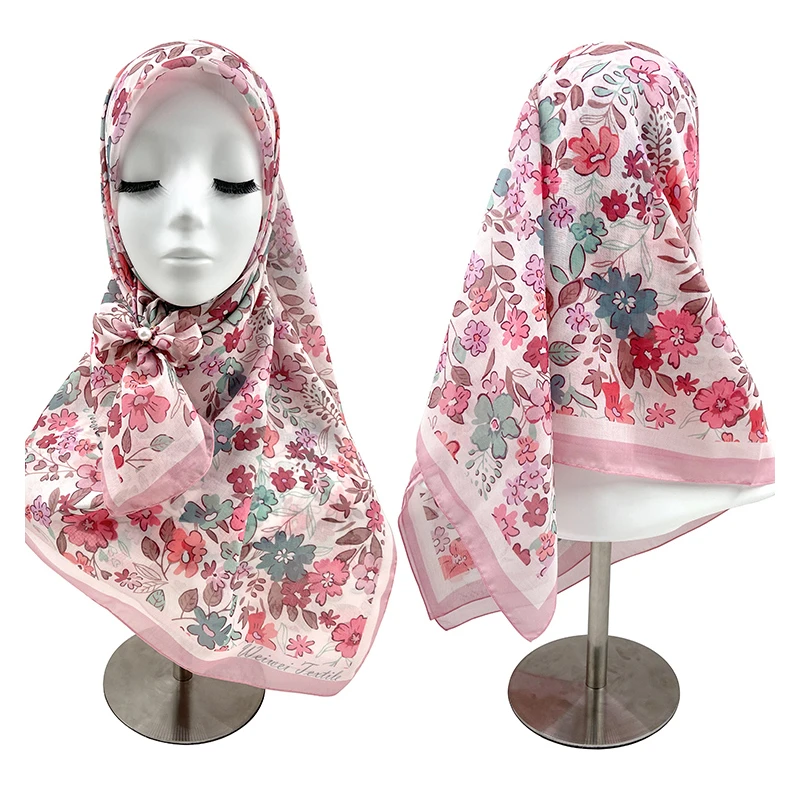
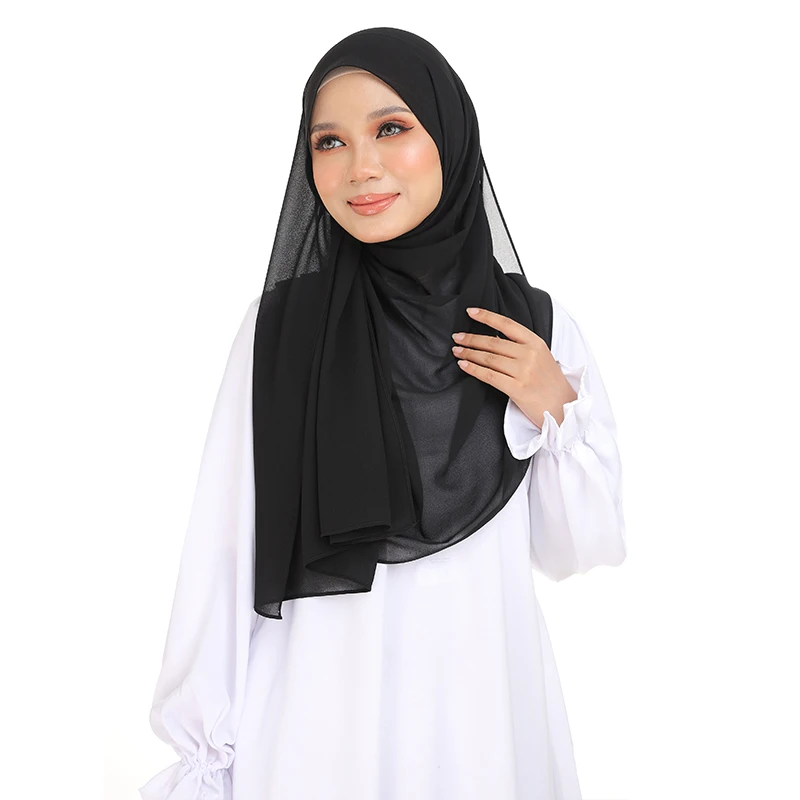
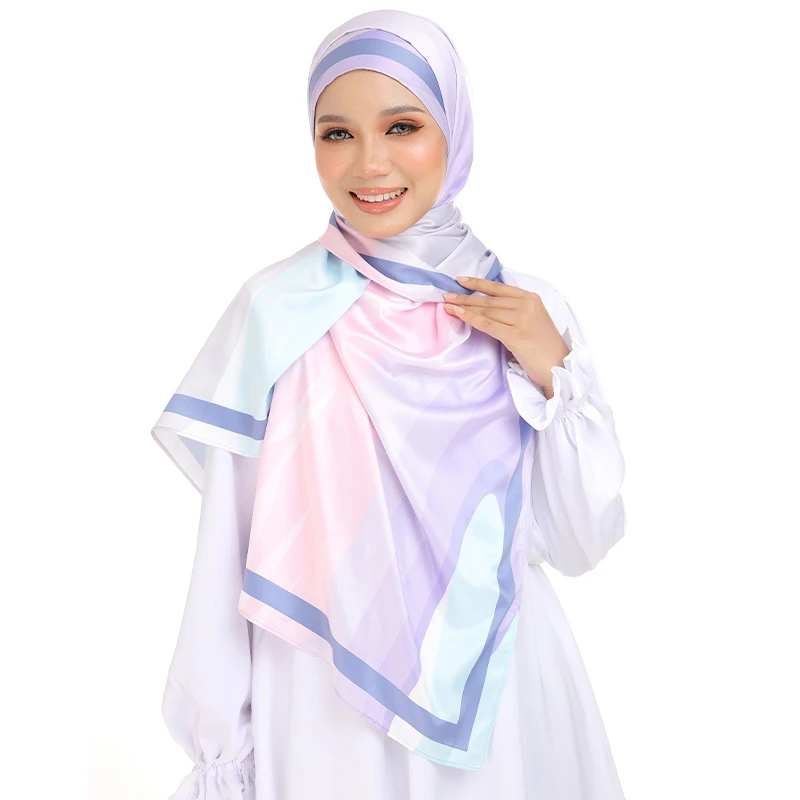
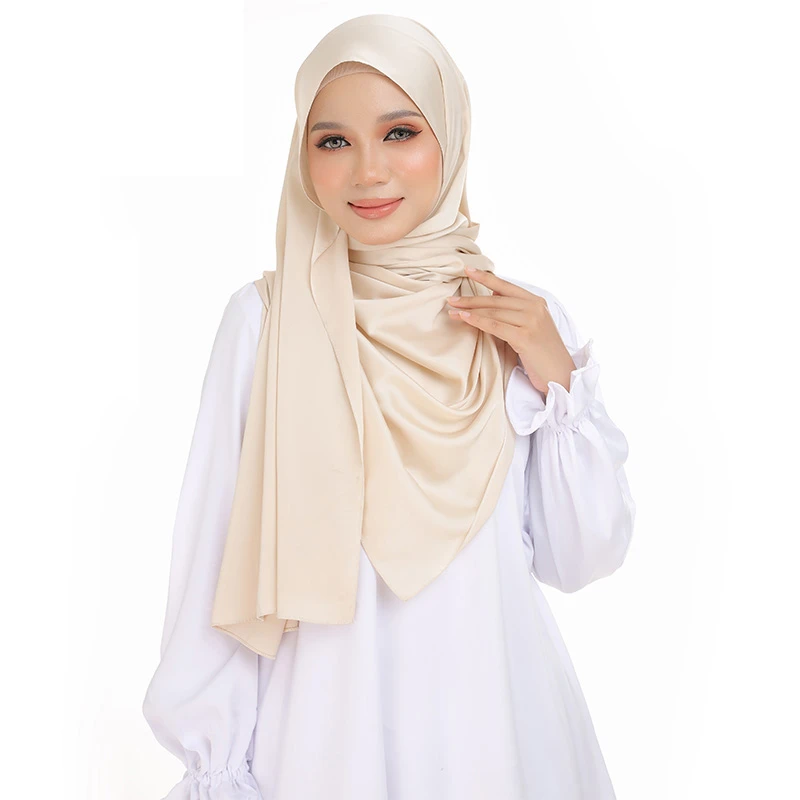
The relationship between abaya and hijab is also important. An abaya generally covers the body, while a hijab is used to cover the hair and head. For Muslim women who observe hijab, these garments can be worn together as part of a complete modest outfit.
For daily wear, a woman may choose a simple abaya with a matching or contrasting headscarf. For prayer, she may select a dedicated muslim prayer abaya or a ladies prayer dress muslim design that provides convenient coverage.
Ultimately, abaya clothing is not simply a fashion category. For many Muslim women, it is connected with modesty, religious practice, cultural traditions, and personal identity. Modern designs provide additional choices without necessarily changing the fundamental purpose of modest dress.
From a traditional muslim black abaya to a contemporary muslim open abaya, different designs can meet different lifestyle needs. A well-designed abaya should provide comfortable coverage, practical movement, appropriate fabric selection, and a style that suits the wearer.
For manufacturers and suppliers serving Muslim consumers, understanding these differences is essential. Products should be developed with accurate sizing, comfortable materials, durable construction, and appropriate coverage. Prayer garments should focus particularly on ease of use and freedom of movement, while everyday abayas can offer more flexibility in colors, designs, and styling.
Whether used as everyday modest clothing, formal wear, or dedicated prayer clothing, an abaya can be an important part of a Muslim woman's wardrobe. By combining traditional principles of modest dress with practical contemporary designs, today's muslim wear abaya products can offer Muslim women a wide range of choices for different aspects of daily life.
-
Weiwei Textile Factory's 25th Anniversary!🔥
NewsAug.05,2027
-
Xinji Weiwei Textile Factory to Exhibit at the 139th Canton Fair
NewsApr.15,2026
-
How to Choose Satin and Silk Scarves for Muslim Women's Everyday Wear
NewsSep.24,2026
-
A Guide to Abaya Muslim Clothing and Modest Everyday Dressing
NewsSep.24,2026
-
How to Choose Satin and Silk Scarves for Everyday Muslim Head Covering
NewsSep.24,2026
-
How to Choose the Right Chiffon Hijab for Everyday and Special Occasions
NewsSep.24,2026