Nov . 13, 2025 21:30 Back to list
Islamic Headscarf: Tradition, Trends & Global Impact Explained
Understanding the Islamic Headscarf: More Than Just a Cloth
The islamic headscarf, often known as the hijab, is not only a piece of clothing but a profound cultural and religious marker. It’s fascinating how this garment has traveled across continents and centuries, becoming a global conversation piece on identity, faith, and fashion. But why should the wider world care? Well, beyond the personal and cultural, understanding the islamic headscarf touches on global trends in religion, women’s rights, fashion industries, and even humanitarian considerations.
Whether you’re a fashion enthusiast, an industry insider, or simply curious, the story behind the islamic headscarf offers insights into how tradition and modernity can intersect, evolve, and sometimes clash.
How the Islamic Headscarf Shapes Global Dialogue and Industry
Globally, roughly 1.9 billion Muslims, according to Pew Research Center and UN data, live in diverse contexts ranging from deeply traditional to highly secular. Islamic headscarves are visible whether in bustling urban centers of Jakarta, Cairo, or Istanbul or quieter rural areas. Estimates suggest that the modest fashion market — including the headscarf — has topped $300 billion annually worldwide and keeps growing.
Yet, fashion is just the tip. The hijab also faces challenges: some countries impose restrictions, others promote it culturally, and the global conversation around women’s rights and religious freedoms often centers on it. This tension between faith, expression, and fashion makes the islamic headscarf a powerful, sometimes controversial, symbol.
What Exactly Is an Islamic Headscarf?
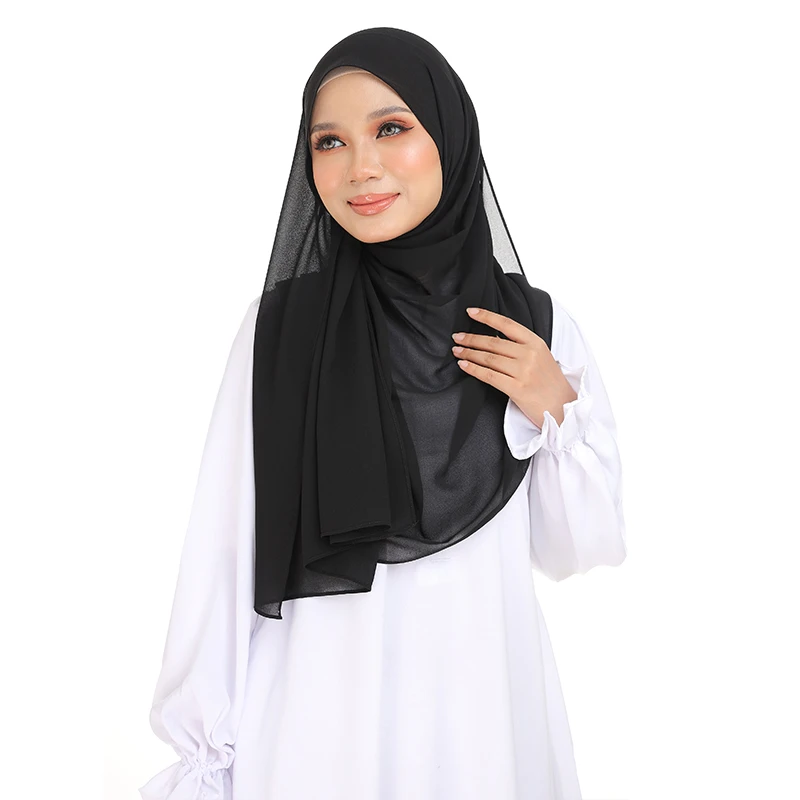
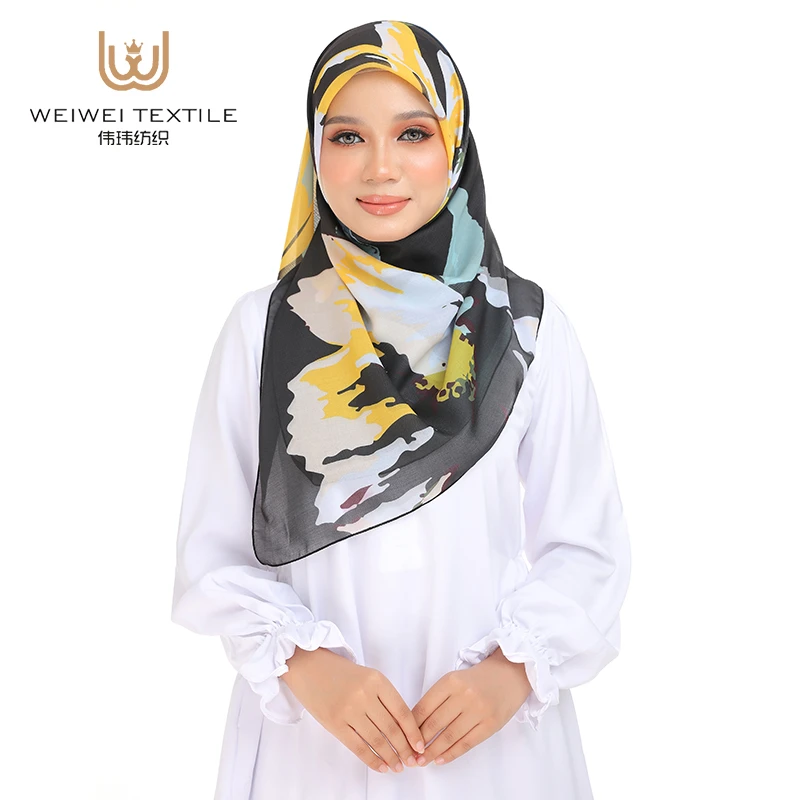
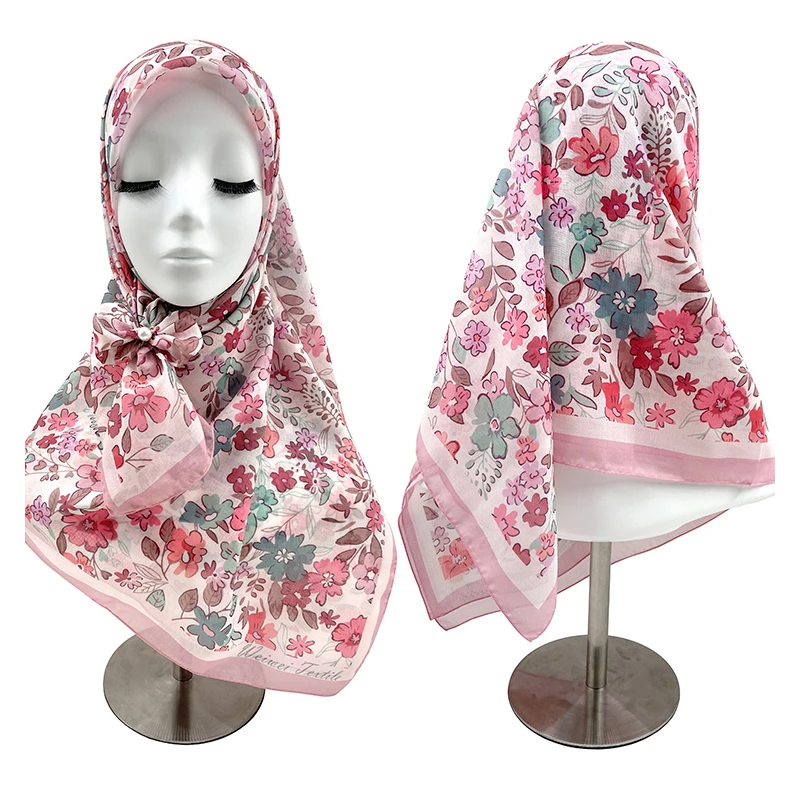
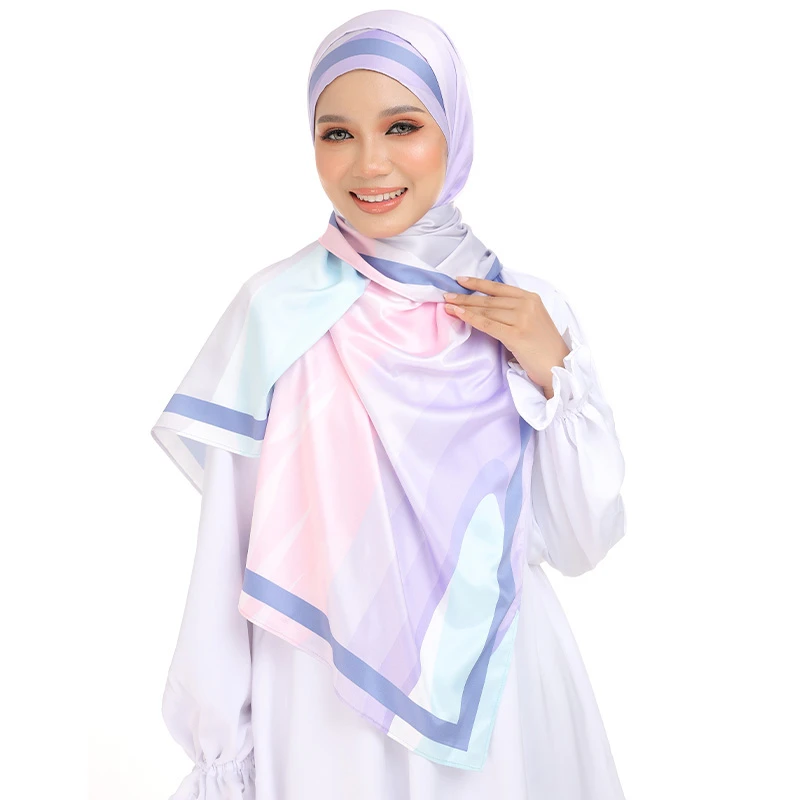
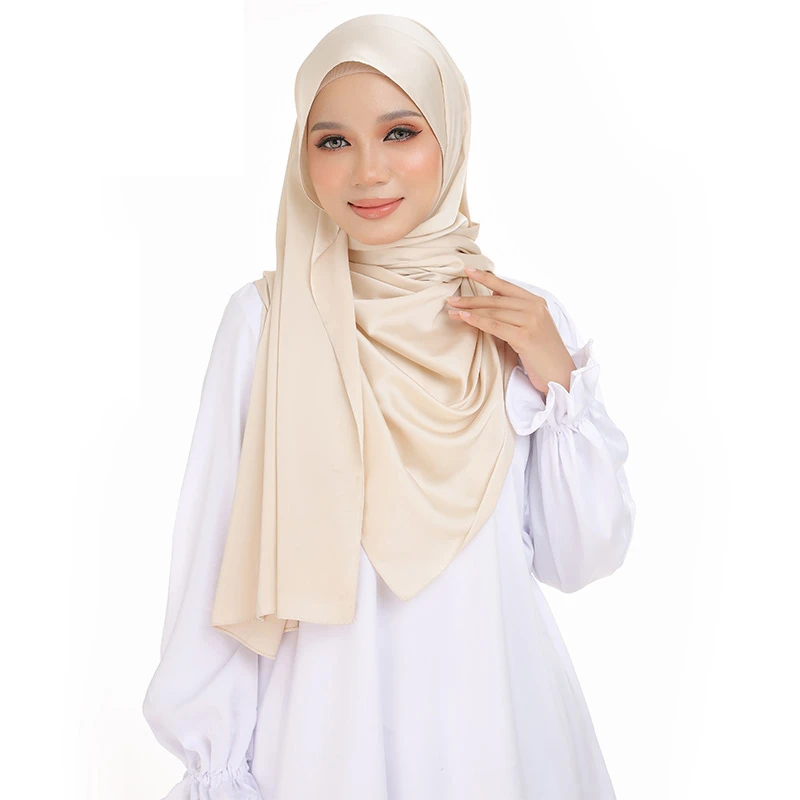
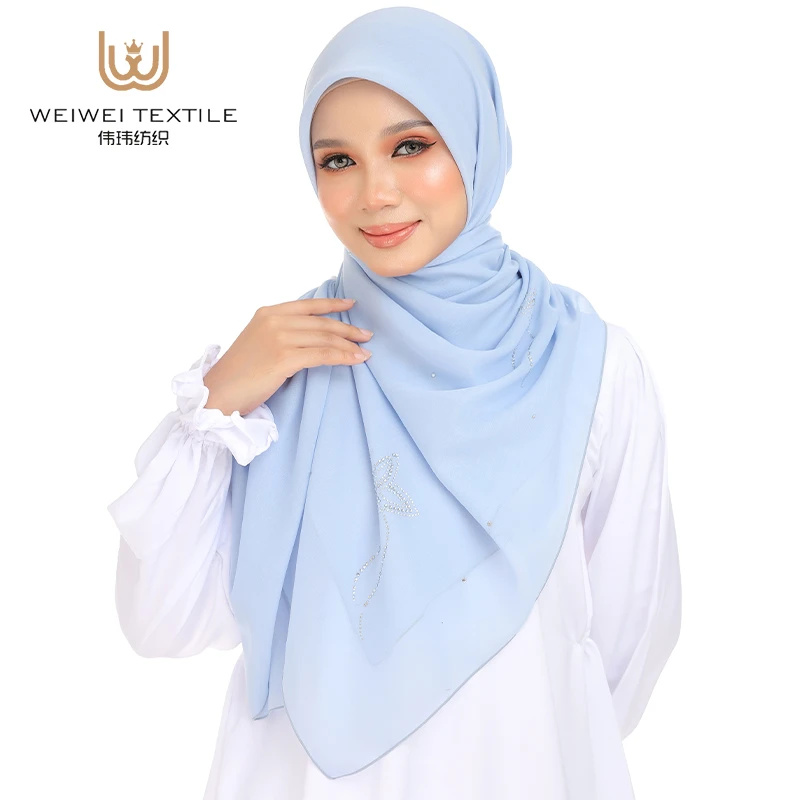
At its core, an islamic headscarf is a piece of fabric, often square or rectangular, worn by Muslim women to cover their hair, neck, and sometimes shoulders according to Islamic principles of modesty. While 'hijab' is the most common term, the styles vary — from Shayla, Khimar, Al-Amira, to the Niqab or Chador.
Besides religious reasons, in modern times, the headscarf represents a growing sector of the fashion and textile industry meeting demand for modest, stylish, and culturally respectful apparel. For humanitarian organizations, ensuring availability of suitable headscarves can be vital in refugee support environments, where dignity and cultural sensitivity matter a lot.
Key Elements That Define a Quality Islamic Headscarf
Material & Comfort
The fabric should be breathable yet opaque. Cotton blends, viscose, and jersey are popular choices. Good quality material not only respects comfort but ensures cultural expectations of modesty.
Design & Versatility
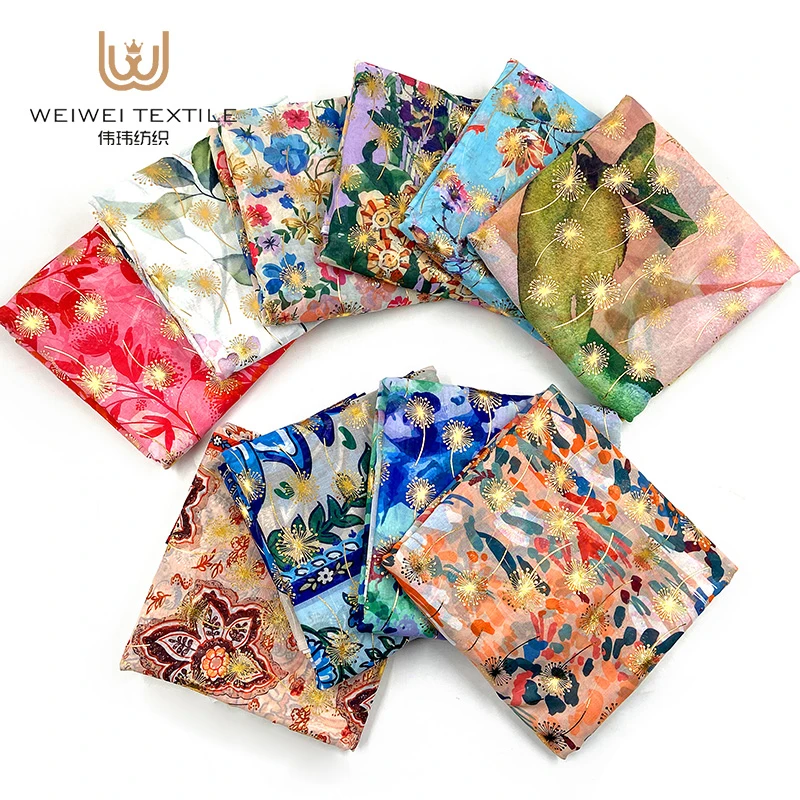
Beyond tradition, the design can vary from simple solid colors to intricate prints and embellishments. Versatility means it can suit everyday wear, professional settings, or celebrations.
Durability & Care
Durability is important — many prefer machine-washable, crease-resistant fabrics that withstand daily use. A scarf that lasts longer reduces waste and enhances sustainability.
Cultural & Religious Compliance
Adhering to Islamic principles like coverage and modesty varies by interpretation, but this compliance is crucial for the headscarf’s primary purpose and acceptance.
Affordability & Accessibility
Price matters for inclusivity. Affordable options allow more women worldwide to express their beliefs without economic strain.
| Specification | Details |
|---|---|
| Common Fabrics | Cotton blends, viscose, chiffon, jersey |
| Typical Sizes | 90×90 cm (square), 70×180 cm (rectangular) |
| Coverage Style | Hair, neck; sometimes shoulders and chest |
| Price Range | $5 - $50+ depending on brand and fabric |
| Care | Machine wash cold, gentle cycle recommended |
Where and How Islamic Headscarves Are Changing Lives
We often think fashion is just for city streets, but the islamic headscarf finds life in myriad places:
- Urban markets: Metropolitan centers like Dubai or London showcase modest fashion weeks, putting the headscarf into high fashion circuits.
- Refugee camps: NGO programs supply headscarves to refugee women, preserving dignity amid crisis.
- Workplaces: Increasing diversity and inclusion policies encourage wearing the headscarf freely in industries across banking, healthcare, and education.
- Sports & activewear: Brands now create breathable, athletic headscarves so Muslim women don’t have to choose between sport and modesty.
Oddly enough, this simple piece of fabric is also a signal of resilience wherever communities negotiate identity and belonging.
Advantages and Social Value of Wearing the Islamic Headscarf
For many women, the headscarf is an emblem of safety, self-expression, and respect for faith. On a pragmatic level, it promotes:
- Economic empowerment: A booming market; local artisans and designers earn livelihoods.
- Environmental benefits: Durable, reusable textiles over fast fashion trends.
- Psychological comfort: Wearing a headscarf can instill confidence and cultural pride.
- Social inclusion: It supports mutual understanding in increasingly multicultural societies.
It feels like wearing the headscarf is simultaneously about personal agency and community identity.
Innovation & The Future of Islamic Headscarves
Material science and digital tech are shaping the future here:
- New fabrics — anti-microbial, UV-protective, stain-resistant, and sustainable textiles.
- Customization — digital printing and 3D knitting allow personalized patterns and perfect fits.
- Smart textiles are still a niche, but imagine hijabs embedded with air filtration or temperature regulation.
- Sustainability — brands prioritizing eco-friendly production and ethical labor practices.
Comparison of Popular Islamic Headscarf Brands
| Brand | Material | Price Range | Sustainability | Design Variety |
|---|---|---|---|---|
| Hijab House | Cotton, Jersey | $20 - $40 | Moderate - Ethical labor | High |
| Aab | Viscose, Chiffon | $30 - $60 | High - Sustainable fabrics | Medium |
| Inayah | Polyester, Cotton | $15 - $35 | Low to Moderate | High |
Challenges Faced and How to Address Them
Despite the growth and innovation, some challenges linger:
- Social stigma: Many Muslim women still encounter prejudice or enforce restrictions on headscarf wearing.
- Market accessibility: High-end designs often remain out of reach for low-income communities.
- Counterfeits & quality concerns: Fast fashion markets sometimes offer poor-quality so-called 'hijabs’ that don’t last.
- Environmental impact: Synthetic fabrics sometimes used have high environmental costs.
That said, innovative NGOs and companies work to produce affordable, ethical scarves while also campaigning for cultural understanding—progress, if slow, it is.
Frequently Asked Questions About Islamic Headscarves
1. What is the difference between a hijab and other Islamic head coverings?
The hijab typically refers to headscarves that cover hair and neck, while other coverings, like the niqab, cover more of the face. Styles and meanings vary culturally and personally among Muslim women.
2. How do I choose a comfortable and modest islamic headscarf for daily wear?
Look for breathable fabrics like cotton blends or jersey, easy care instructions, and designs that provide coverage per your preference. Comfort and fit are very personal; trying different styles helps.
3. Can wearing an islamic headscarf affect employment opportunities?
Unfortunately, some women face bias, but many workplaces today embrace diversity. Awareness and anti-discrimination policies are improving acceptance globally.
4. How do I maintain and care for my islamic headscarf?
Gentle machine wash in cold water is usually advised. Avoid harsh bleaching agents. Some premium scarves require hand washing. Always check specific care labels.
5. Are there sustainable options for purchasing islamic headscarves?
Yes, several brands focus on organic fabrics, ethical labor, and recycling initiatives. Supporting these helps reduce environmental impact.
In Conclusion: The Lasting Legacy of the Islamic Headscarf
The islamic headscarf, while simple in form, carries layers of meaning, history, and economic significance. It’s a symbol of faith, identity, and increasingly, social empowerment. As the world grows more connected, the demand for high-quality, ethical, and stylish headscarves will likely keep rising. For anyone interested in modest fashion, cultural heritage, or global social trends, the headscarf is a story worth following.
If you want to explore authentic and elegant designs, empowering craftsmanship, or simply learn more about islamic headscarf styles, I warmly invite you to visit our website.
References / Further Reading:
-
Xinji Weiwei Textile Factory to Exhibit at the 139th Canton Fair
NewsApr.15,2026
-
Abaya Robe: Tradition, Elegance, and Daily Cultural Expression
NewsApr.15,2026
-
Satin Scarves and Hijabs: A Reflection of Tradition, Elegance, and Daily Practice
NewsApr.15,2026
-
Chiffon Scarf Hijab: A Blend of Tradition, Style, and Everyday Practice
NewsApr.15,2026
-
Exploring Hijab Fashion in Malaysia: Tradition, Style, and Daily Cultural Practice
NewsApr.15,2026
-
The Cultural Significance and Style of Voile Scarves and Shawls in Daily Muslim Wear
NewsApr.15,2026