Sep . 21, 2026 11:18 Back to list
Hijab in Malaysia: Daily Modesty, Cultural Tradition, and Modern Styles
Hijab is an important part of daily dress for many Muslim women around the world. In Malaysia, the practice of covering the head is commonly associated with the hijab or tudung and has become closely connected with modesty, religious identity, and everyday life. For many Muslim women, wearing a hijab is more than simply choosing an accessory to complete an outfit. It can be a meaningful part of observing religious values and expressing personal and cultural identity.
At the same time, hijab styles in Malaysia have developed into a diverse area of modest fashion. Women can choose different fabrics, lengths, colors, shapes, and wrapping methods according to their preferences and daily activities. Research on Malaysian Muslim women has found that religious considerations remain an important motivation for wearing the hijab, while contemporary styling has also created a variety of fashionable ways to wear it.
From a simple daily head covering to a carefully styled shawl or pashmina, the Malaysian hijab market offers practical choices for work, study, shopping, travel, family activities, and religious occasions.

The Cultural Meaning of Hijab in Malaysia
The hijab malaysian style reflects the combination of Islamic modesty and local cultural characteristics. In Malaysia, Muslim women may use different types of head coverings, with the term tudung commonly used for headscarves. The development of tudung and hijab styles in Malaysia has changed over time, with shawl-style designs becoming increasingly popular alongside other forms of head covering.
For many Muslim women, the purpose of wearing a hijab is connected to modest dress and covering the hair and head in accordance with their religious understanding. Therefore, a hijab should not be viewed only from the perspective of fashion. It can represent faith, modesty, personal values, and belonging to a Muslim community.
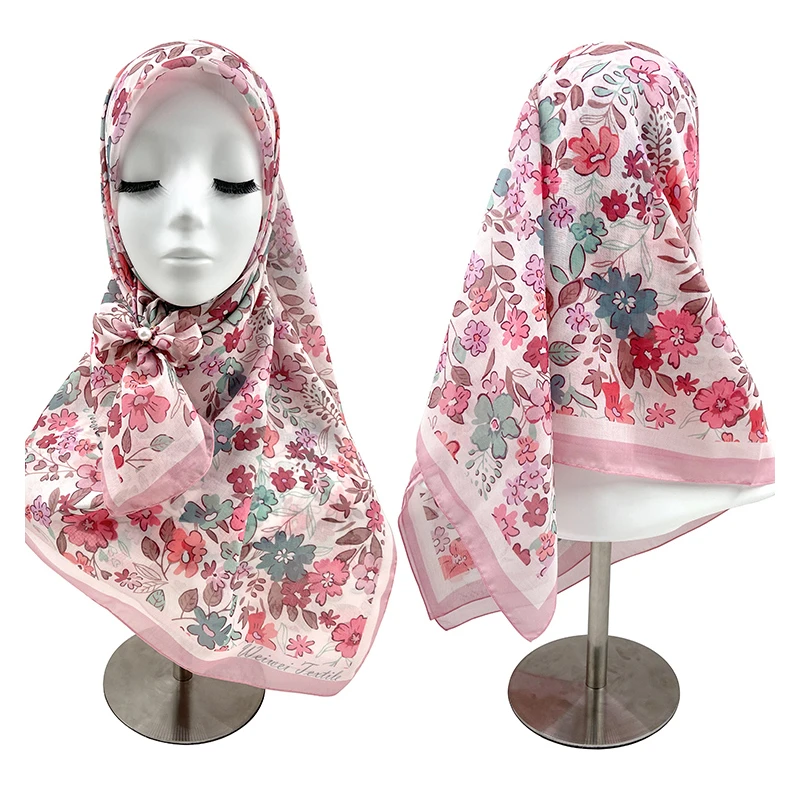
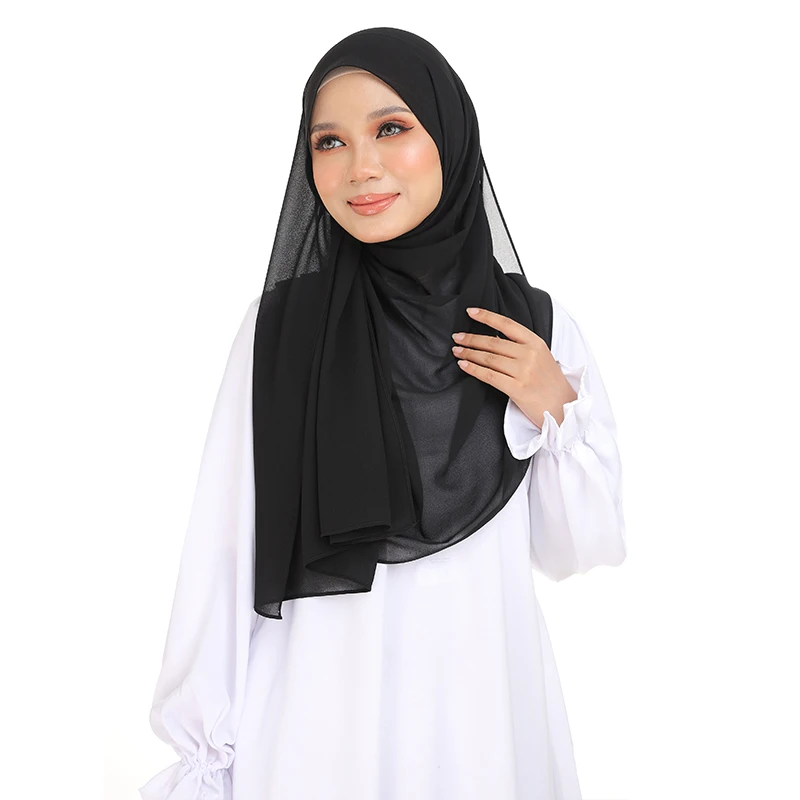
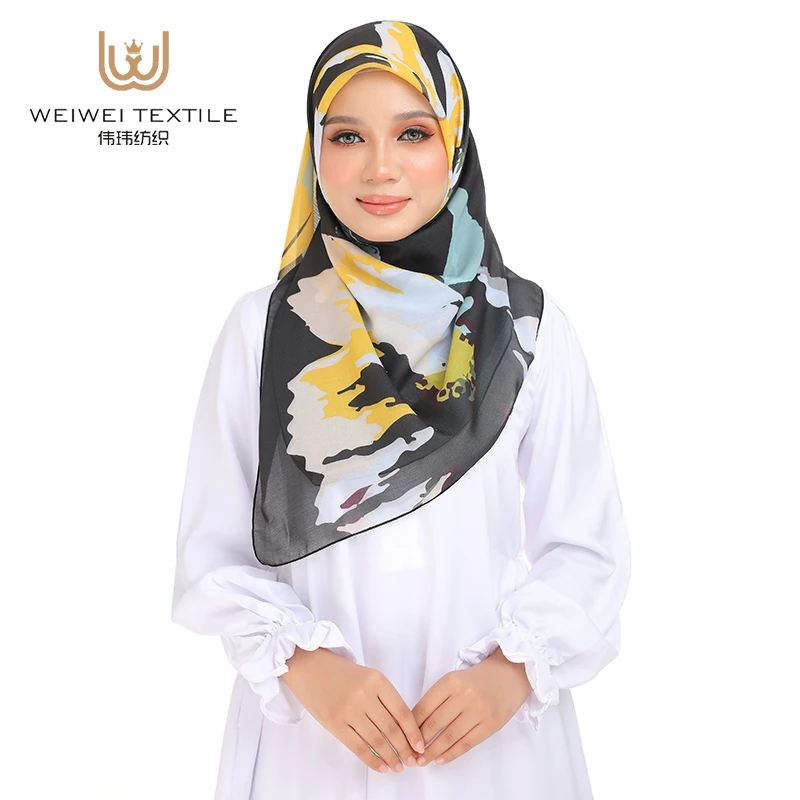
A traditional hijab Malaysian look can be simple and practical. A woman may wrap a scarf around her head so that the hair and neck are covered, then adjust the fabric according to her preferred level of coverage and comfort. This makes the hijab suitable for everyday activities while maintaining a modest appearance.
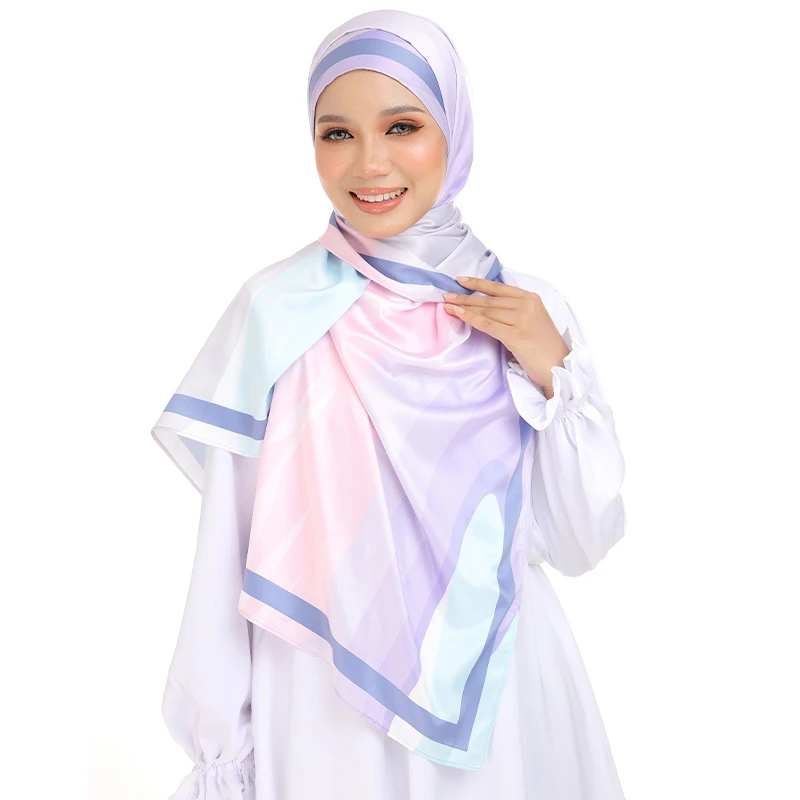
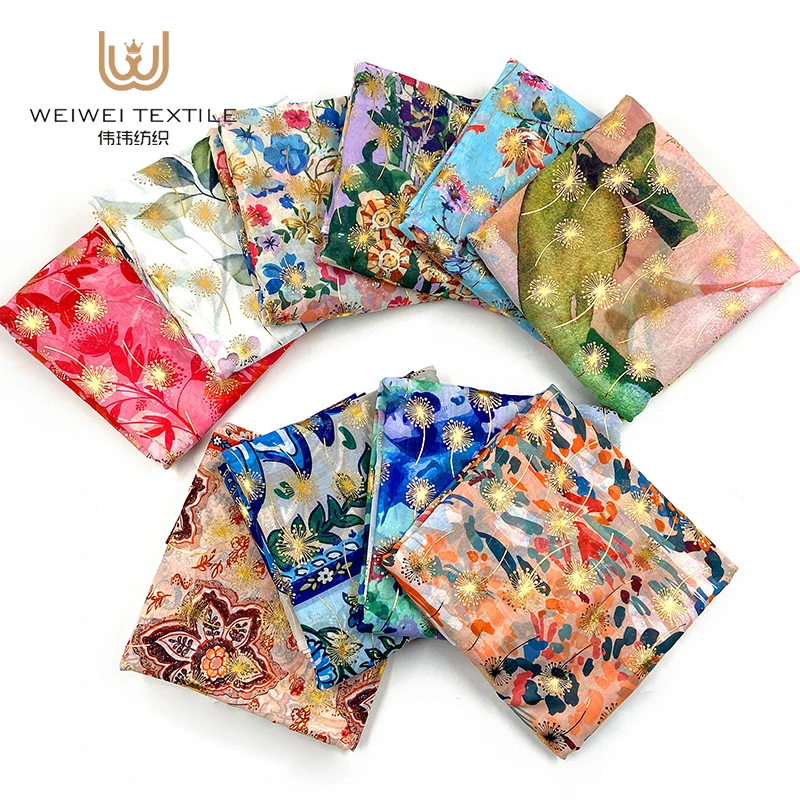
Modern Malaysian Muslim fashion has also introduced more choices. Contemporary hijab designs can include plain colors, printed fabrics, lightweight materials, longer scarves, and different draping techniques. Studies of Malaysian hijab fashion describe how contemporary styling can coexist with the religious and modest purpose of wearing the hijab.
The popularity of these different styles demonstrates that Muslim women can have individual preferences while maintaining the essential purpose of modest head covering.
Pashmina, Shawl, and Regional Hijab Styles
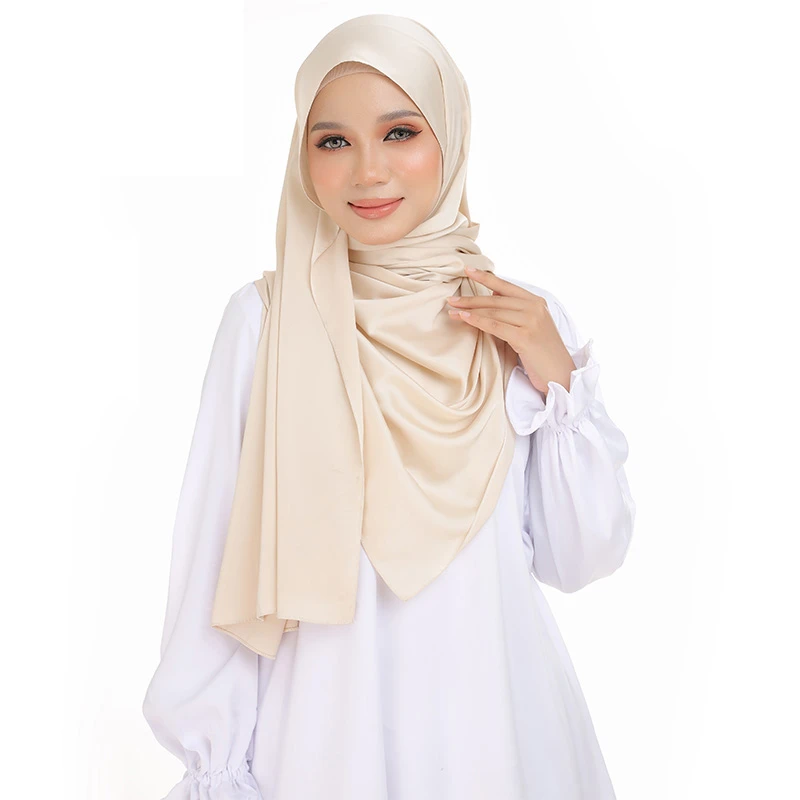
One popular category is the hijab pashmina malaysia style. Pashmina-style scarves are generally long and rectangular, allowing the wearer to wrap the fabric around the head and shoulders in several different ways. Their length provides flexibility for creating a neat daily appearance or a more layered look.
A hijab Malaysia pashmina can be used for many everyday situations. For example, a lightweight fabric may be suitable for commuting or outdoor activities in Malaysia's warm climate, while a softer or more structured fabric can be selected for formal occasions. The choice of material is important because a comfortable hijab needs to remain manageable during long periods of wear.
The hijab pashmina Malaysia style can also be adjusted according to face shape, clothing, and personal preference. Some women prefer a simple wrap with minimal folds, while others use additional layers to create a more structured appearance. The versatility of pashmina makes it suitable for Muslim women who want practical daily coverage with different styling possibilities.
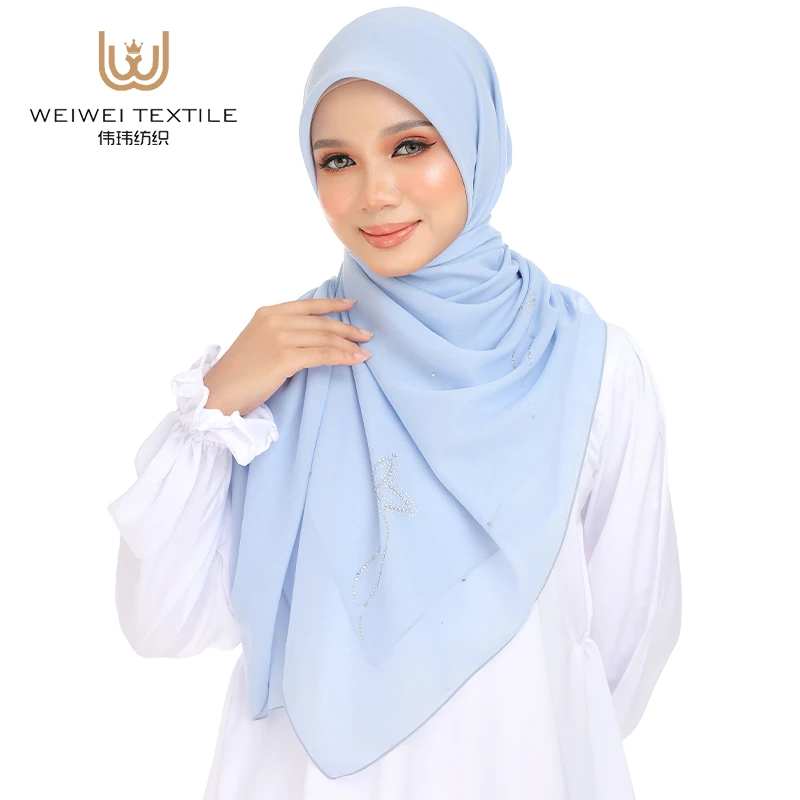
Another popular category is the hijab shawl malaysia style. A shawl is usually a long piece of fabric that can be wrapped and draped around the head and shoulders. Malaysian hijab culture has seen the development of different shawl styles as women seek combinations of practicality, comfort, modesty, and aesthetics. Academic research on Malaysian tudung trends has specifically noted the transition and variety from scarf forms toward shawl styles.
Regional identity can also influence how hijab is perceived and styled. The term hijab sarawak, for example, may be used when discussing Muslim modest fashion associated with Sarawak. Sarawak has its own multicultural environment, so clothing preferences can reflect both Islamic practices and local cultural diversity.
For women searching for a hijab malaysian style, the most suitable choice often depends on practical factors such as fabric, size, breathability, ease of wrapping, and the amount of coverage desired.
Choosing a Comfortable Hijab for Everyday Muslim Wear
For everyday use, comfort and practicality are just as important as appearance. A hijab is normally worn for extended periods, so the fabric should feel comfortable against the skin and remain manageable throughout the day.
When choosing a hijab, Muslim women may consider several factors. First, the fabric should provide suitable coverage without being excessively heavy. Lightweight materials can be useful in Malaysia's warm and humid environment. Second, the size should be large enough to provide the desired head and neck coverage while still allowing easy styling. Third, the fabric should be easy to maintain because a daily hijab may need frequent washing.
The idea behind hijab Malaysia hot trends is often connected with new colors, materials, patterns, and wrapping techniques that become popular among consumers. However, a fashionable design should still remain practical for everyday wear. For many Muslim women, the essential purpose of the hijab is maintained even when the styling changes.
A comfortable hijab Malaysian look can therefore be achieved through a balance between modest coverage and personal preference. Neutral colors can work well with everyday clothing, while brighter colors or patterned fabrics can provide more visual variety. Pashmina and shawl designs also allow women to create different looks without changing the basic function of the head covering.
For consumers looking for hijab curve malaysia, the term may refer to searches for specific styling, shape, or product designs suitable for Malaysian consumers. When developing hijab products for this market, suppliers should pay attention to the actual needs of Muslim women, including comfortable sizing, suitable fabric choices, secure wrapping, and practical daily use.
Ultimately, hijab in Malaysia represents an intersection of religious practice, modest clothing, culture, and individual expression. From a simple daily head covering to a contemporary pashmina or shawl, the essential function remains providing appropriate head coverage for Muslim women who choose to wear it.
The continuing variety of hijab fashion malaysia demonstrates how traditional practices can develop alongside modern clothing preferences. At the same time, the religious and cultural meaning of hijab remains an important consideration. Whether a woman chooses a classic hijab shawl malaysia, a versatile hijab pashmina malaysia, a regional-inspired hijab sarawak, or another form of modest head covering, the choice can be adapted to her daily routine, comfort, and personal style.
For manufacturers and suppliers, understanding these cultural and practical factors is essential when developing hijab products for Malaysian and international Muslim consumers. A well-designed hijab should combine comfortable materials, suitable coverage, practical construction, and versatile styling, making it appropriate for everyday Muslim wear while respecting the cultural significance of the garment.
-
Weiwei Textile Factory's 25th Anniversary!🔥
NewsAug.05,2027
-
Xinji Weiwei Textile Factory to Exhibit at the 139th Canton Fair
NewsApr.15,2026
-
How to Choose Satin and Silk Scarves for Muslim Women's Everyday Wear
NewsSep.24,2026
-
A Guide to Abaya Muslim Clothing and Modest Everyday Dressing
NewsSep.24,2026
-
How to Choose Satin and Silk Scarves for Everyday Muslim Head Covering
NewsSep.24,2026
-
How to Choose the Right Chiffon Hijab for Everyday and Special Occasions
NewsSep.24,2026