Nov . 23, 2025 23:30 Back to list
Explore the Elegance and Sustainability of Large Silk Scarves | WWScarf
Large Silk Scarves: A Delicate Craft with Worldwide Appeal
When you think of a large silk scarf, what comes to mind? Maybe an elegant accessory fluttering in a Parisian breeze or a versatile wrap bringing warmth on a chilly plane ride. Yet, this seemingly simple item carries a significance far beyond fashion—it’s part of a vast global tapestry of craftsmanship, economics, and sustainability.
Understanding the large silk scarf unfolds insights into silk production's ancient traditions, modern textile innovations, and the global trade routes that have shaped economies from Asia to Europe. Their sheer size and quality tap into luxury markets and practical daily wear alike, offering benefits like breathability, durability, and unmatched comfort. Let’s dive into what makes the large silk scarf a truly fascinating product worldwide.
Why Large Silk Scarves Matter Globally
Silk production dates back millennia, historically tied to the Silk Road, that ancient trade artery connecting east and west. Today, silk scarves—especially the larger variants—remain emblematic of luxury but also increasingly reflect ethical and sustainable production choices valued worldwide.
According to the International Sericultural Commission, global silk production has been on a gentle rise, with China producing over 70% of raw silk. Growing demand for natural, biodegradable fibers fuels interest in large silk scarves, especially in markets like Europe, Japan, and the US.
Yet, challenges remain. Silk cultivation demands specific environmental conditions and significant labor, raising questions about cost efficiency and sustainability. For designers and retailers, balancing quality and price, while ensuring fair trade, is an ongoing puzzle.
Mini Takeaway:
- The large silk scarf is both a symbol of tradition and a product navigating modern economic and environmental demands.
- Global silk markets remain strong but face sustainability and labor challenges.
What Exactly Is a Large Silk Scarf?
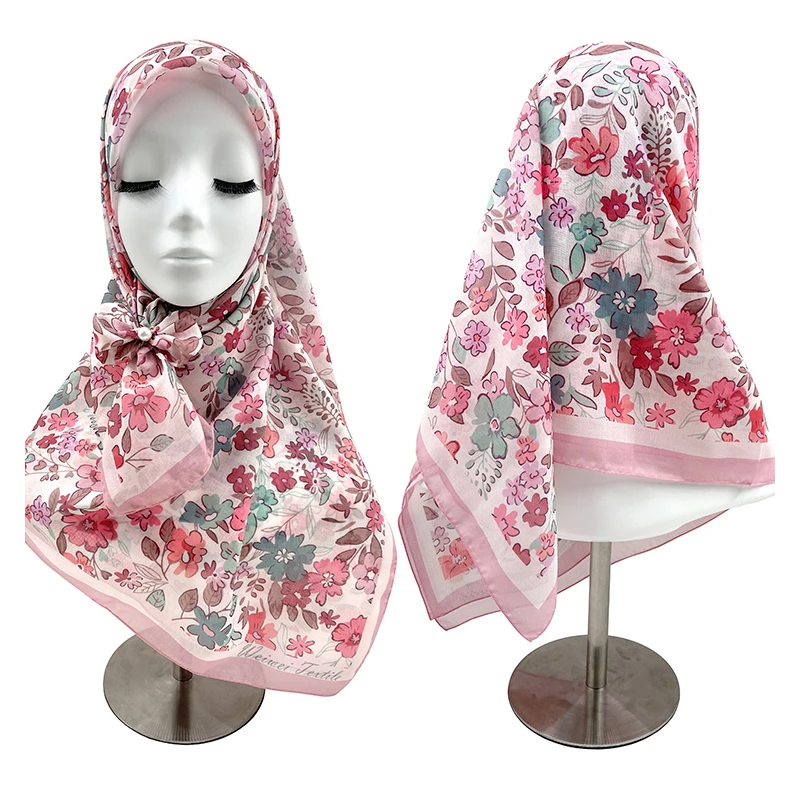
Simply put, a large silk scarf is a piece of fabric, typically between 90x90 cm to 140x140 cm or more, woven primarily from silk fibers. Its generous size allows for versatile styling—from headwraps to shawls, and even light blankets. Its composition may include mulberry silk, the highest quality strand known for its smoothness and durability.
In modern textiles, the large silk scarf intersects industry and humanitarian spheres alike. While luxury fashion brands use these scarves as statement pieces, NGOs sometimes turn to silk fabrics for breathable, hypoallergenic wraps in healthcare or refugee contexts—where lightweight fabrics make a difference.
Core Aspects of Large Silk Scarves
1. Fabric Quality and Durability
The staple of this product is silk’s natural fiber strength. Surprisingly, silk, when woven finely, can last years with proper care—resisting tearing and wear better than many synthetics. This endurance is crucial when scarves are worn frequently or gifted as heirlooms.
2. Size Matters
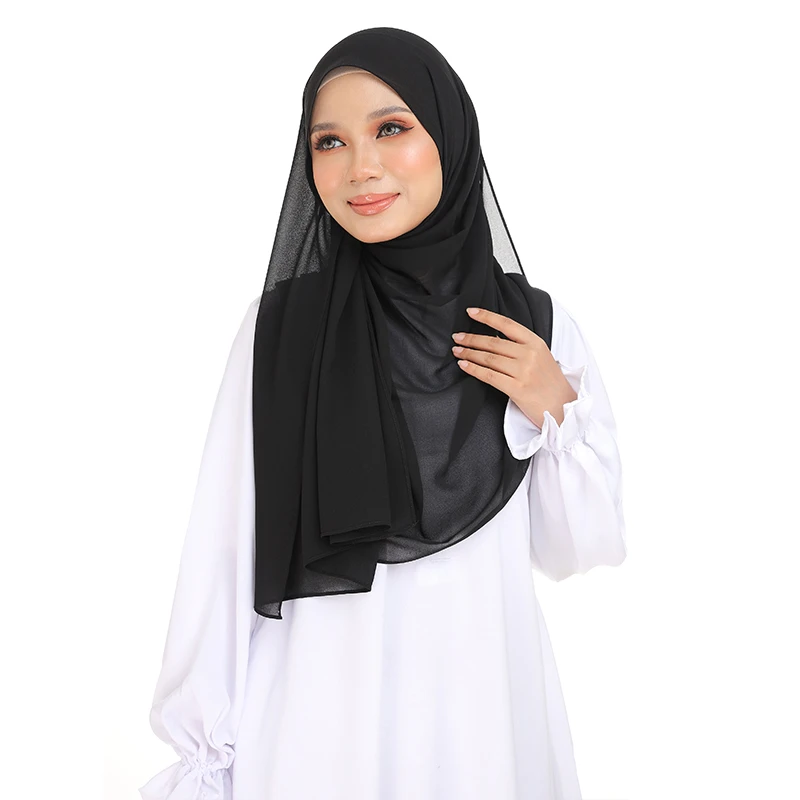
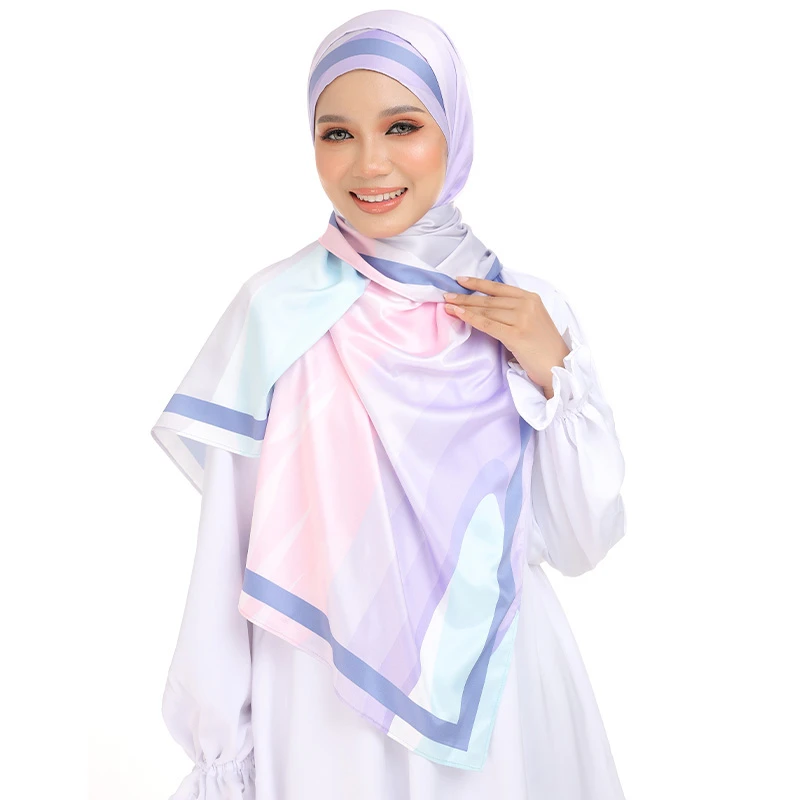
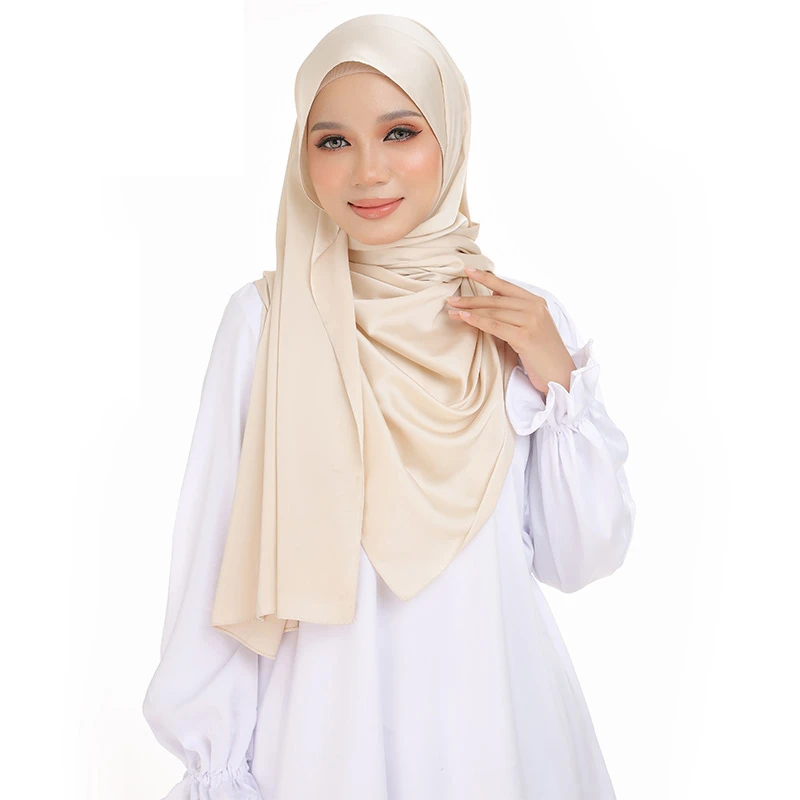
The “large” qualifier does more than denote size—it expands usability. While smaller scarves suit neck wraps, larger ones become multipurpose, doubling as capes or beach wraps, which is a huge selling point for customers who value multipurpose garments.
3. Design and Dye Techniques
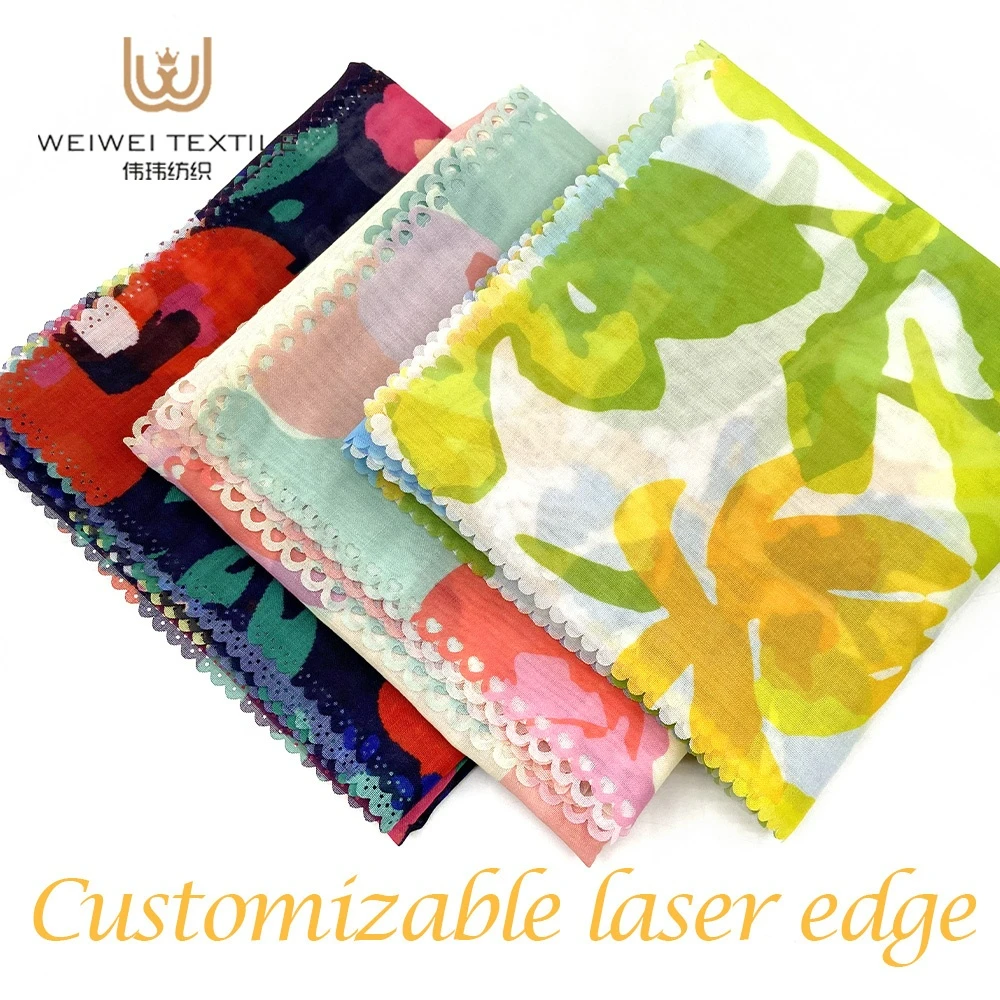
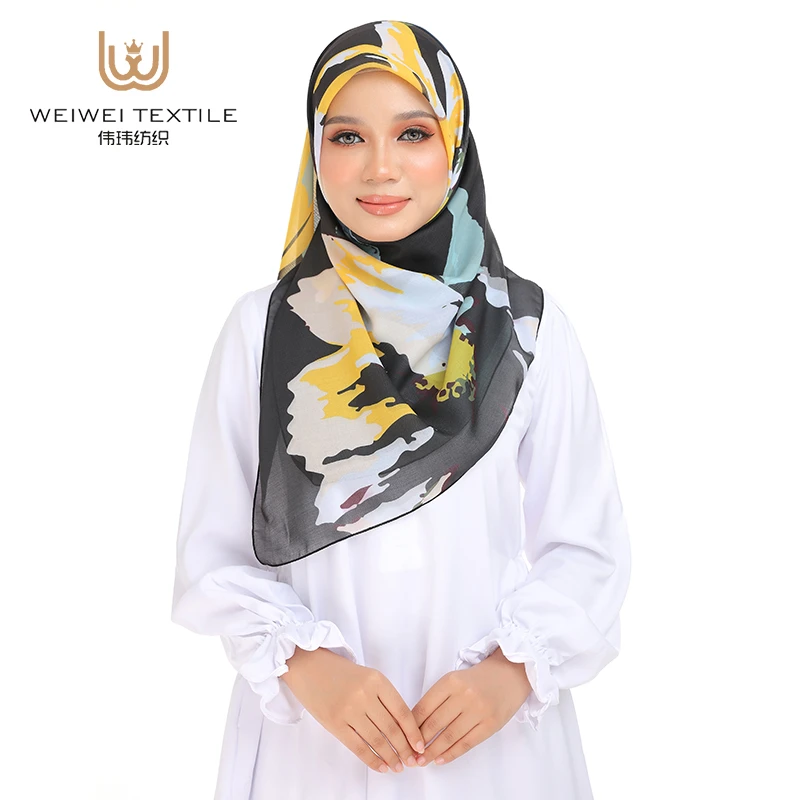
From hand-painted designs to digital printing, colorfastness and artistry matter. Large silk scarves provide a bigger canvas for ornate patterns—be they intricate paisleys or avant-garde abstract art—boosting appeal in high-fashion sectors.
4. Sustainability and Ethical Production
More consumers equate silk’s natural origins with eco-friendliness, but conventional sericulture needs water, mulberry leaves, and labor-intensive processes. Organic silk and fair-wage initiatives add complexity and cost, yet they’re increasingly demanded by conscious buyers.
5. Packaging and Presentation
Since large silk scarves are often luxury gifts, packaging plays a subtle but vital role. Recyclable, elegant boxes or silk pouches enhance perceived value and offer an environmentally friendly touch.
Mini Takeaway:
- A large silk scarf’s value lies in its quality, size versatility, craftsmanship, and ethical production.
- Design innovation and sustainability increasingly influence market success.
Global Applications and Use Cases
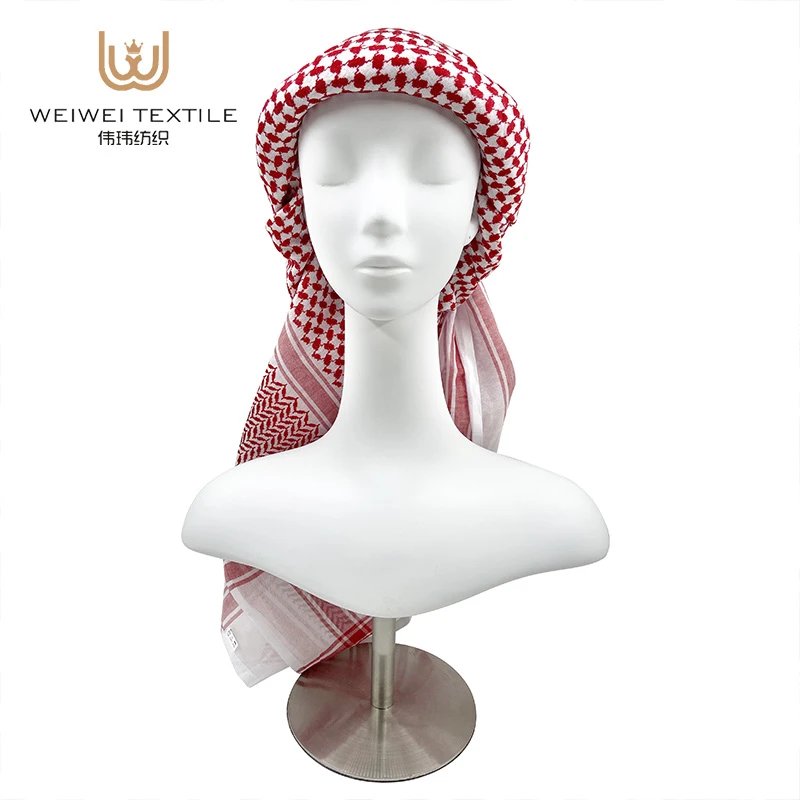
Large silk scarves aren’t just for runway glam or chilly evenings in New York. In Asia, they serve as traditional attire components during ceremonies. In Europe, they’re prized tourist souvenirs representing local craftsmanship. Oddly enough, some tech companies have taken to silk scarves as swag gifts, blending tradition with modern corporate identity.
Charitable organizations have also adopted large silk scarves in creative ways. For instance, in post-disaster relief zones, lightweight silk wraps protect sensitive skin from harsh sun exposure without adding bulk—helping maintain dignity and comfort amidst chaos.
Regions like India, China, Italy, and France still lead in production and design innovation, while emerging markets in Turkey and Vietnam harness cost advantages and evolving skills.
Product Specification Table: Typical Large Silk Scarf
| Feature | Specification |
|---|---|
| Material | 100% Mulberry Silk |
| Dimensions | 120 x 120 cm (Large size) |
| Weight | Approximately 70 grams |
| Color Fastness | High (Hand-dye resistant to fading) |
| Care Instructions | Hand wash cold, flat dry, avoid direct sunlight |
| Packaging | Recyclable box or silk pouch |
Comparing Top Vendors in Large Silk Scarves
| Vendor | Price Range | Sourcing Region | Sustainability Focus | Customization Options |
|---|---|---|---|---|
| SilkCraft Ltd. | $80 - $150 | China (Hangzhou) | Organic silk blends, Fair labor | Hand-painted designs, monogramming |
| Venetian Silks | $130 - $220 | Italy (Venice) | Small batch, eco-friendly dyes | Custom prints, limited editions |
| SilkSutra Collective | $50 - $100 | India (Varanasi) | Fair trade certified, natural dyes | Traditional weaving, block printing |
Benefits and Value Behind the Large Silk Scarf
Beyond just looking good, large silk scarves serve multiple tangible benefits that justify their price tag and enduring appeal. Firstly, silk’s moisture-wicking properties provide natural comfort, great for both humid summers and crisp autumns. Emotionally, owning a quality silk scarf feels indulgent yet respectful toward ancient crafts.
From sustainability angles, natural fibers like silk biodegrade easily versus synthetic alternatives, helping reduce microplastic pollution. Plus, products made by fair trade artisans support communities, which carries an undeniable social value—a scarf you wear with pride.
What’s Next? Emerging Trends in Large Silk Scarves
- Innovative Materials: Blending silk with recycled fibers to improve elasticity and reduce environmental footprint.
- Smart Textiles: Incorporating UV protection or antibacterial finishes without compromising softness.
- Digital Artisan Collaboration: Designers remotely collaborating with traditional weavers, expanding inclusivity.
- Waste-Minimizing Production: Zero-waste cutting and dyeing techniques becoming mainstream.
Challenges and How Industry Leaders Address Them
It’s not all perfect threads and smooth fabric. Silk’s delicate nature means higher costs and more fragile handling compared to synthetics. Ethical concerns loom over sericulture conditions and water usage.
Forward-thinking vendors tackle these issues by adopting organic mulberry cultivation, improving irrigation techniques, and ensuring transparent supply chains. Some even invest in local artisans’ education to upgrade skills sustainably.
Frequently Asked Questions About Large Silk Scarves
Q1: How do I care for a large silk scarf properly?
A1: Always hand-wash your scarf in cold water with mild detergent, avoid wringing, and dry flat away from direct sunlight. This preserves color and fabric integrity. Avoid machine washing or tumble drying, which can damage silk fibers.
Q2: Are larger silk scarves versatile for different seasons?
A2: Absolutely. Large silk scarves breathe well in warm weather yet provide gentle warmth when layered, making them a four-season accessory. Their size allows you to style them as wraps, shawls, or headscarves to suit any climate.
Q3: Can silk scarves be sustainable and ethical?
A3: Yes, increasingly so. Many producers now focus on organic sericulture practices and fair trade labor standards. Look for certifications like GOTS or Fair Trade if sustainability is a priority.
Q4: How can I buy customizable large silk scarves?
A4: Vendors like SilkCraft Ltd. or Venetian Silks offer customization services such as hand-painting or monogramming. Reaching out through their websites allows you to explore bespoke options.
Wrapping Up: Why Invest in a Large Silk Scarf?
While often seen as a simple accessory, the large silk scarf embodies centuries of tradition, craftsmanship, and evolving global trade dynamics. It merges practical needs with luxury, sustainability, and cultural pride. Whether you’re a fashion lover, a conscientious shopper, or simply someone who appreciates beautiful textiles, the large silk scarf offers long-term value and timeless style.
So next time you choose that perfect wrap, remember—it’s more than just fabric. It’s a story, a lifestyle, and a global community woven into every thread.
Visit our website at wwscarf.com to explore our diverse collection and connect with artisanal silk craftsmanship worldwide.
References:
-
Xinji Weiwei Textile Factory to Exhibit at the 139th Canton Fair
NewsApr.15,2026
-
Abaya Robe: Tradition, Elegance, and Daily Cultural Expression
NewsApr.15,2026
-
Satin Scarves and Hijabs: A Reflection of Tradition, Elegance, and Daily Practice
NewsApr.15,2026
-
Chiffon Scarf Hijab: A Blend of Tradition, Style, and Everyday Practice
NewsApr.15,2026
-
Exploring Hijab Fashion in Malaysia: Tradition, Style, and Daily Cultural Practice
NewsApr.15,2026
-
The Cultural Significance and Style of Voile Scarves and Shawls in Daily Muslim Wear
NewsApr.15,2026