Dec . 01, 2025 23:10 Back to list
Explore the Benefits of Pure Cotton Scarf for Ladies | Sustainable Fashion
Why the Pure Cotton Scarf for Ladies Continues to Matter Globally
On the surface, a pure cotton scarf for ladies might seem like just a simple wardrobe staple. But pause for a moment—there’s more to this accessible accessory than meets the eye. Globally, cotton scarves blend tradition, comfort, and sustainability in a way few textile products manage. They serve functional purposes, from protecting skin to showcasing cultural identity. Understanding why pure cotton scarves hold such worldwide appeal opens doors to conversations about sustainable fashion, economic development in fiber-producing regions, and even public health.
Cotton, after all, is one of the most cultivated natural fibers worldwide, supporting millions of farmers and industries. According to the International Cotton Advisory Committee, cotton farming employs more than 250 million people globally, tying the market for products like scarves to vast networks of livelihoods and traditions. When it comes specifically to pure cotton scarves designed for women, the story merges fashion with functionality, comfort with ethics—earning them a unique spot in wardrobes everywhere.
Mini takeaway: The humble pure cotton scarf for ladies carries significant cultural, economic, and practical weight worldwide, symbolizing more than just style.
The Global Context: Why Pure Cotton Scarves for Ladies Remain a Staple
It’s interesting to note that while synthetic fabrics flood the market, the demand for pure cotton scarves remains steady if not growing. Why? For one, the global fashion industry is increasingly shaken awake by environmental concerns. The ISO standards emphasize sustainable production—all kingdoms of cotton promise biodegradability and breathability, factors synthetic scarves simply don’t deliver.
Yet, the challenge remains: cotton farming can be water-intensive and vulnerable to pests. This is especially problematic in cotton-producing countries faced with climate change impacts. Hence, pure cotton scarves for ladies aren’t just fashion items but entry points into larger conversations about sustainable sourcing and fair labor. Brands and consumers alike grapple with choosing between cost efficiency and ecological responsibility.
Mini takeaway: The global shift toward sustainability in textiles makes pure cotton scarves for ladies increasingly relevant, despite environmental challenges linked to cotton cultivation.
What Exactly Is a Pure Cotton Scarf for Ladies?
Simply put, these scarves are crafted entirely from 100% cotton fibers free from blends or synthetics. The purity ensures softness, breathability, and hypoallergenic benefits—perfect for sensitive skin or warmer climates. Ladies' scarves often come in varied weaves, from lightweight muslin to denser twills, each catering to different seasonal or stylistic needs.
Beyond fabric composition, pure cotton scarves also connect to the fashion industry's ongoing push for authenticity and transparency. They’re a response to demand for natural, ethically made products that feel personal yet sustainable. Humanitarian organizations sometimes distribute such scarves in relief efforts, valuing their durability and comfort for women needing modest but breathable protection.
Mini takeaway: A pure cotton scarf for ladies is more than just fabric; it’s a commitment to natural comfort, ethical production, and cultural expression.
Core Features That Make Pure Cotton Scarves Stand Out
1. Breathability and Comfort
When compared to synthetic counterparts, cotton naturally wicks moisture and allows air circulation. For ladies wearing these scarves in humid regions or indoor settings, it’s the difference between discomfort and relief. Many wearers describe the soft texture as “gentle on the skin”—that’s no marketing fluff.
2. Durability and Easy Care
Cotton scarves can handle frequent washing and still maintain their shape and softness. This practicality appeals especially to everyday users in urban and rural areas alike. The fiber’s famed longevity means fewer replacements—an understated sustainability plus.
3. Color Retention and Dye Compatibility
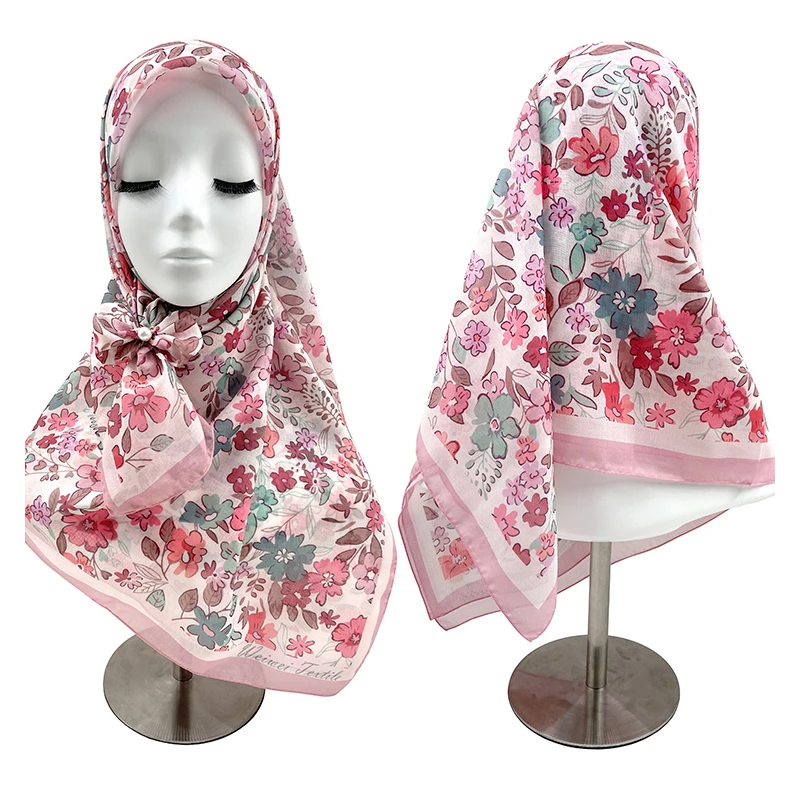
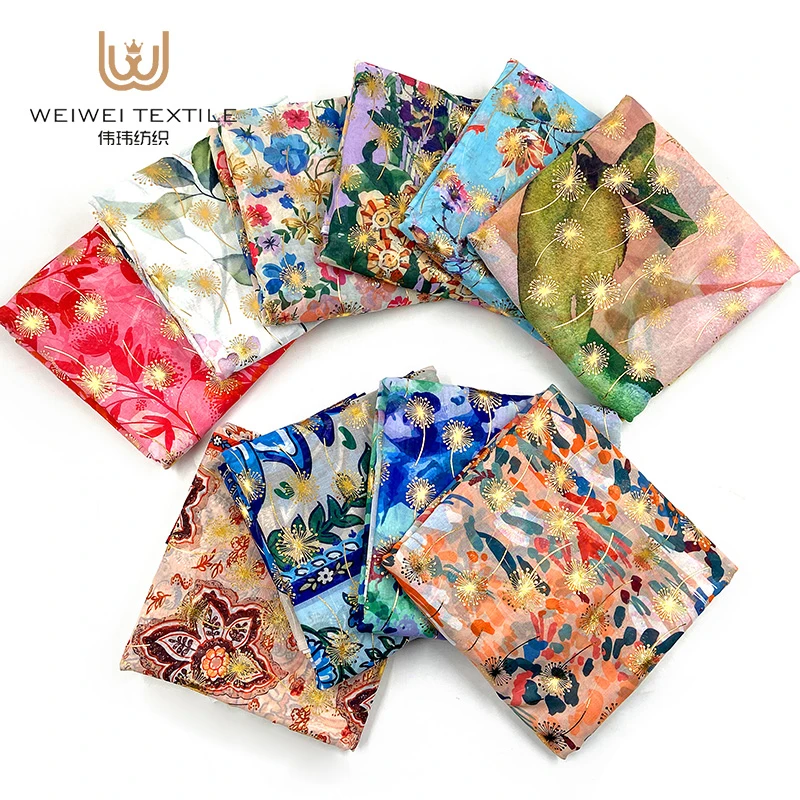
Pure cotton accepts natural and synthetic dyes well, meaning scarves come in a wide color palette without sacrificing vibrancy. Whether the scarves feature traditional prints or modern patterns, colors tend to stay true over multiple washes.
4. Environmental Sustainability
Cotton is biodegradable and renewable, but its cultivation can be water-intensive. That said, organic cotton farming and fair-trade certifications increasingly counterbalance impacts, turning pure cotton scarves into a more ethical fashion choice.
Mini takeaway: The balance of comfort, durability, vibrant aesthetics, and evolving cultivation methods underscores the appeal of pure cotton scarves for ladies.
Practical Use Cases: How Pure Cotton Scarves Touch Lives Worldwide
On any given continent, you’ll find pure cotton scarves playing diverse roles:
- South Asia: Cotton scarves are traditional accessories, often used as face covers in dusty climates.
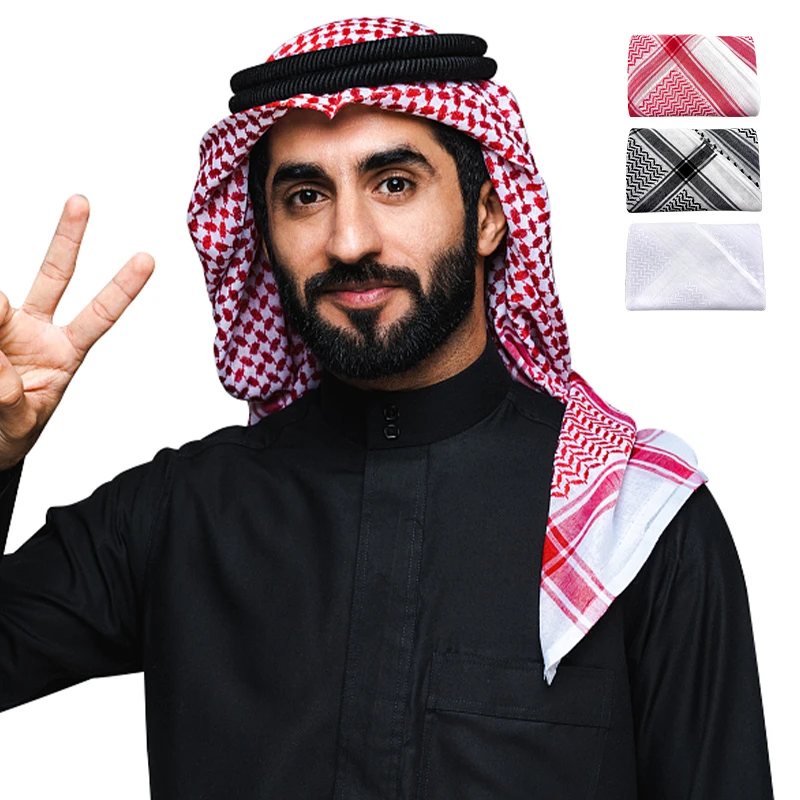
- Middle East and North Africa: They provide sun protection while adhering to cultural dress codes.
- Western fashion markets: Eco-conscious consumers sport cotton scarves as seasonally versatile accessories.
- Humanitarian aid: NGOs often distribute these scarves in refugee camps because they’re easy to transport, comfortable, and culturally adaptable.
A notable example: during flood relief efforts in Bangladesh, lightweight cotton scarves were provided to women for protecting their heads from sun and insects—small details, but immense in helping preserve dignity and health.
Mini takeaway: The pure cotton scarf for ladies serves both functional and cultural roles across regions, supporting protection, style, and humanitarian needs.
Why Choose a Pure Cotton Scarf? Advantages Worth Noting
The tangible benefits stack up nicely:
- Cost-effectiveness: While often more expensive than synthetics upfront, their durability and timeless style keep value high.
- Sustainability impact: Biodegradability and the potential for organic cultivation reduce ecological footprints.
- Social responsibility: Supporting cotton farming communities by choosing ethically sourced scarves impacts livelihoods positively.
- Trust and safety: Natural fibers minimize allergic reactions and skin irritation.
- Emotional comfort: Many users report a soothing sensory experience that feels almost nostalgic.
All these factors combined build trust in the product beyond mere fashion statements.
Looking Ahead: Trends and Innovations Around Cotton Scarves
In 2024, the future is bright for pure cotton scarves, though innovation isn’t just about fabric. Sustainable certifications that guarantee fair wages and organic farming practices are gaining traction. New weaving and finishing techniques improve softness without chemicals.
Digital platforms also empower artisans to reach global markets directly, bypassing middlemen and improving income transparency. Imagine a cotton scarf whose tag tells not only who made it but under what conditions—it’s the kind of traceability modern consumers crave.
Additionally, blends with naturally derived fibers like hemp or bamboo are being explored to enhance durability and environmental benefits without losing cotton's signature feel.
Mini takeaway: The cross-section of technology, ecology, and consumer ethics is shaping the pure cotton scarf’s promising horizon.
Challenges in the Pure Cotton Scarf Market (and How to Overcome Them)
Of course, no product category is without its obstacles. Cotton's water footprint and vulnerability to pests pose significant sustainability questions. For manufacturers and consumers, the key challenge is balancing demand with responsible sourcing.
But there are solutions on the horizon: drip irrigation, organic pesticides, and fair-trade labelling all help mitigate environmental and social concerns. More brands are partnering with NGOs to support farmers directly, fostering transparency. On the consumer side, increased education encourages mindful purchasing.
As a scarf enthusiast once told me: “It’s about knowing your scarf’s story—and wearing it proudly.”
Product Specifications: A Typical Pure Cotton Scarf for Ladies
| Specification | Detail |
|---|---|
| Material | 100% Organic Cotton |
| Weight | Approx. 80g |
| Dimensions | 70cm x 180cm |
| Weave type | Plain weave / Muslin |
| Color Options | Natural white, pastel shades, traditional prints |
| Care instructions | Machine wash cold, line dry recommended |
Vendor Comparison: Sourcing Pure Cotton Scarves for Ladies
| Vendor | Price Range (per unit) | Ethical Certifications | Lead Time | Customization Options |
|---|---|---|---|---|
| CottonCo FairTrade | $8 - $12 | GOTS, Fair Trade | 2-3 weeks | Color and size |
| PureWeave Textiles | $5 - $9 | OEKO-TEX Standard 100 | 1-2 weeks | Print patterns |
| SustainScarves Ltd. | $10 - $15 | Organic Certified | 3-4 weeks | Embroidery, bulk orders |
Frequently Asked Questions About Pure Cotton Scarves for Ladies
Q1: How do I maintain the softness of my pure cotton scarf after washing?
A: To keep your pure cotton scarf soft, wash it in cold water with mild detergent. Avoid bleach or harsh chemicals. Line drying rather than machine drying reduces fiber stress, prolonging softness and color vibrancy.
Q2: Are pure cotton scarves suitable for sensitive skin and allergies?
A: Yes, cotton is hypoallergenic and breathable, making it ideal for those with sensitive skin. Its natural fibers prevent irritation that synthetic materials sometimes cause, offering comfortable wear even for prolonged periods.
Q3: Can I use pure cotton scarves all year round?
A: Absolutely! Depending on the weave and weight, pure cotton scarves can be lightweight for summer or layered for warmth in cooler months. They’re versatile accessories adaptable to any season or climate.
Q4: How do I verify if a cotton scarf is truly 100% pure cotton?
A: Check for certifications like GOTS or OEKO-TEX on product labels, which ensure fiber purity and ethical practices. You can also perform a simple burn test (done carefully) where pure cotton burns cleanly with minimal residue.
Q5: Where can I buy ethically sourced pure cotton scarves for ladies?
A: Look for vendors with fair trade certifications and transparent sourcing policies. Online platforms like pure cotton scarf for ladies focus on providing ethically sourced options with detailed provenance.
Summing It Up: Why You Should Consider a Pure Cotton Scarf for Ladies
In the end, investing in a pure cotton scarf for ladies isn’t just a fashion choice—it’s a nod to sustainability, heritage, and comfort all rolled into one piece of fabric. Whether you’re updating your wardrobe or sourcing scarves for community projects, their natural breathability, durability, and style speak for themselves. If you’re curious to explore authentic options or learn more, visit our website to dive deeper into the world of pure cotton scarves and find your perfect match.
References
-
Xinji Weiwei Textile Factory to Exhibit at the 139th Canton Fair
NewsApr.15,2026
-
Abaya Robe: Tradition, Elegance, and Daily Cultural Expression
NewsApr.15,2026
-
Satin Scarves and Hijabs: A Reflection of Tradition, Elegance, and Daily Practice
NewsApr.15,2026
-
Chiffon Scarf Hijab: A Blend of Tradition, Style, and Everyday Practice
NewsApr.15,2026
-
Exploring Hijab Fashion in Malaysia: Tradition, Style, and Daily Cultural Practice
NewsApr.15,2026
-
The Cultural Significance and Style of Voile Scarves and Shawls in Daily Muslim Wear
NewsApr.15,2026