Dec . 03, 2025 12:50 Back to list
Everything You Need to Know About Plain Chiffon Hijabs: Fabric, Benefits & Trends
Understanding the Plain Chiffon Hijab: Fabric, Fashion & Function
At first glance, a plain chiffon hijab might just seem like another piece of fabric, an accessory, or a traditional garment. Yet, on a global scale, it represents more than just modest fashion. It’s a piece that blends cultural significance, comfort, and modern textile technology — making it truly relevant in today’s diverse marketplace. Understanding what sets the plain chiffon hijab apart helps consumers and industry stakeholders appreciate its global appeal and practical benefits.
Global Context: Why Plain Chiffon Hijabs Matter
The global textiles and apparel market is booming, estimated to reach over $1 trillion by 2027, with modest fashion contributing a sizable share.[1] The demand for breathable, elegant, yet affordable fabrics like chiffon — especially in its plain variation — has surged in regions across the Middle East, Asia, and even Western markets embracing diversity. Yet, challenges remain: consumers want hijabs that stay lightweight and breathable in hot climates, retain color and texture after many washes, and can be versatile enough for both daily wear and formal occasions.
Oddly enough, many shoppers complain that popular hijab fabrics either feel too heavy or lose their shape quickly. This is precisely where the plain chiffon hijab fits a market need — offering a balance of aesthetics and function.
What is a Plain Chiffon Hijab?
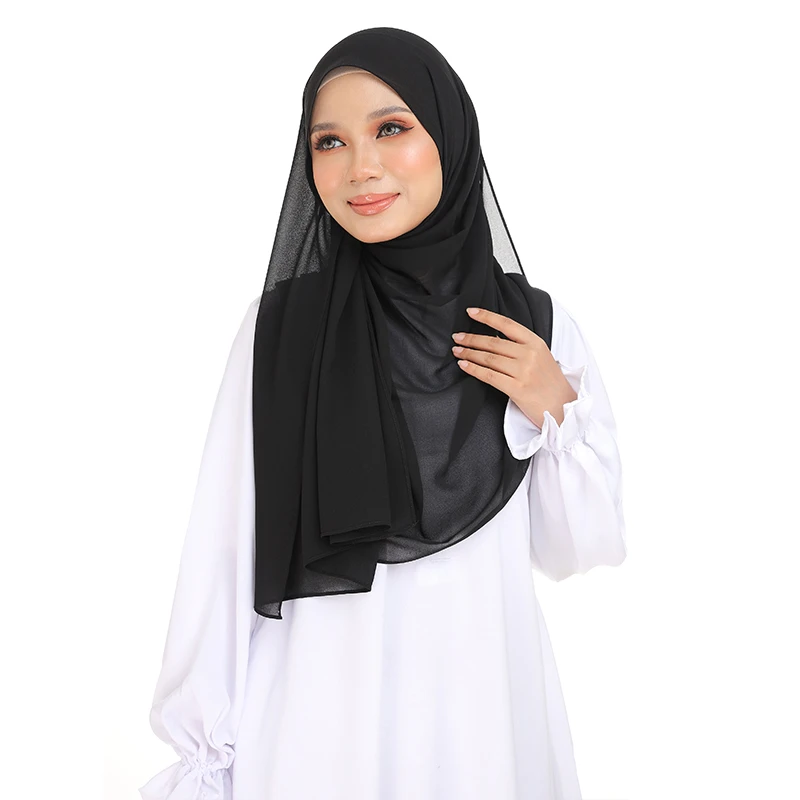
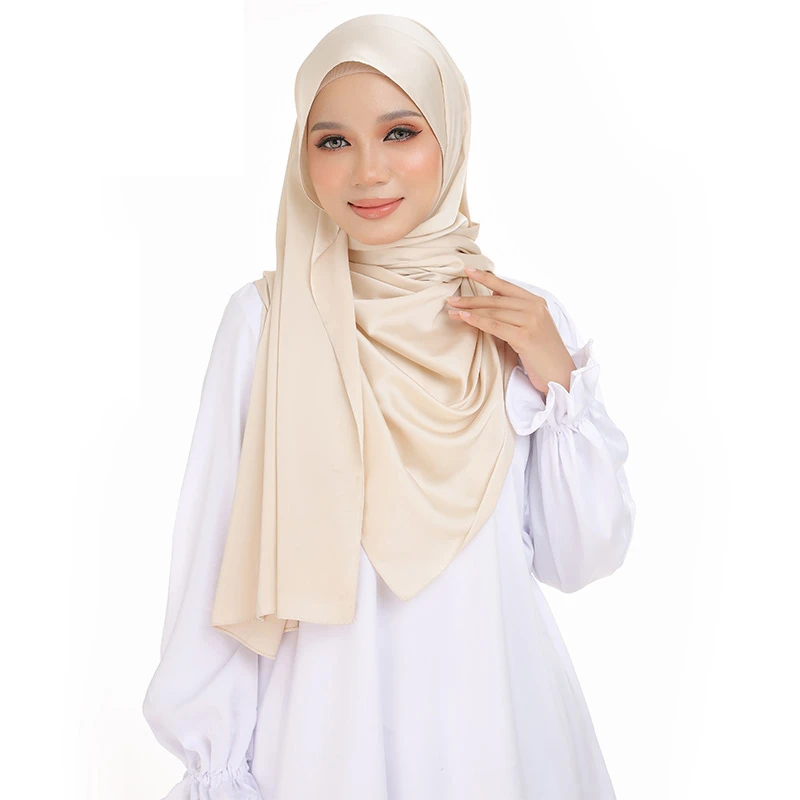
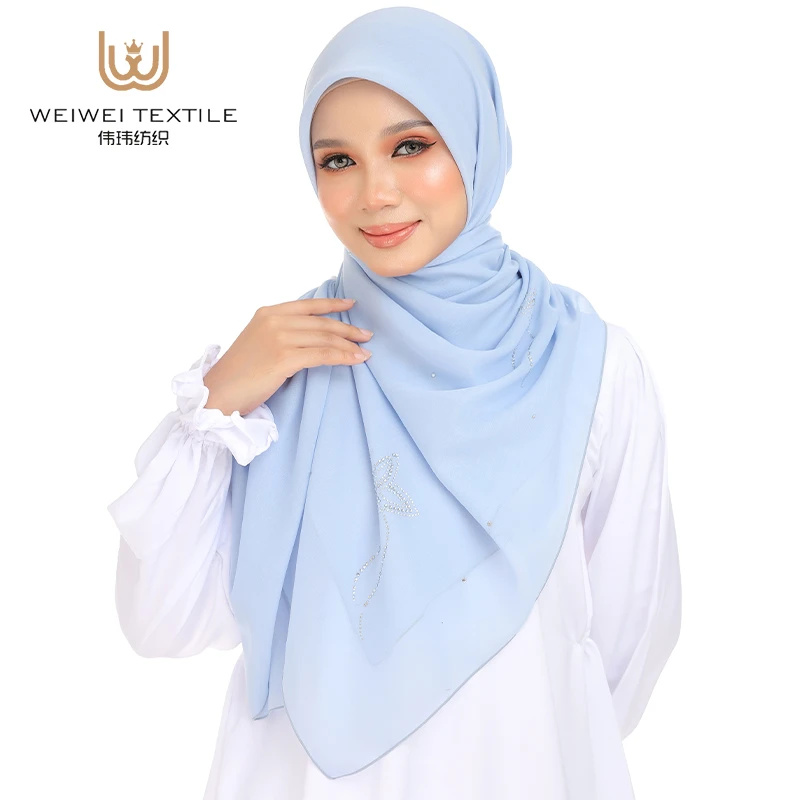
Simply put, a plain chiffon hijab is a headscarf made from chiffon fabric that is unadorned — lacking prints, sequins, or embroidery — focusing on sleek minimalism. Chiffon itself is a lightweight, sheer textile usually made from silk, nylon, polyester, or rayon. It’s prized for its delicate drape and slightly translucent quality.
In a modern context, the plain chiffon hijab embodies elegance with simplicity, catering to those who appreciate modest fashion that’s airy and versatile. It’s a fabric that complements busy lifestyles, offering both comfort and style, which is why it’s a staple in many wardrobes worldwide.
Key Attributes of Plain Chiffon Hijabs
Durability
Despite chiffon’s delicate appearance, modern synthetic fiber blends in hijabs boost durability. The plain weave also reduces snagging risks common in printed, embellished fabrics. This means your scarf lasts longer, which frankly makes a difference in both budget and sustainability.
Breathability & Comfort
The lightness of the plain chiffon fabric allows good airflow, which is critical in warmer climates. Those who wear hijabs daily often cite breathability as a primary consideration — it makes long hours of comfortable wear possible.
Color Retention
High-quality plain chiffon hijabs maintain their color vibrancy over multiple washes. The plain surface means dyes settle evenly, avoiding patchiness or fading that you might notice on printed scarves.
Versatility
Because they lack patterns, plain chiffon hijabs pair easily with varying outfits — from traditional wear to contemporary office attire — making them a wardrobe staple.
Plain Chiffon Hijab Product Specification Comparison
| Feature | Common Polyester Chiffon | Silk Chiffon | Rayon Chiffon |
|---|---|---|---|
| Weight | ~50 gsm | ~30 gsm | ~40 gsm |
| Durability | High | Medium | Medium |
| Cost | Low | High | Medium |
| Care | Machine-washable | Dry Clean Only | Hand Wash Preferred |
| Feel | Slightly crisp | Soft & luxurious | Smooth, drapey |
Global Manufacturers & Vendor Comparison
Choosing the right vendor for your plain chiffon hijabs can impact quality and delivery times. Below is a comparison of notable manufacturers:
| Vendor | Location | Material Focus | Lead Time | Minimum Order Quantity | Price Range (per piece) |
|---|---|---|---|---|---|
| WW Scarf Co. | Turkey | Polyester & Rayon chiffon | 7-10 days | 100 pcs | $5 - $9 |
| Al-Hijab Textiles | UAE | Silk chiffon | 10-14 days | 50 pcs | $12 - $18 |
| Oriental Fabrics | China | Polyester chiffon | 14-20 days | 500 pcs | $3 - $6 |
Real-World Applications Around the Globe
The plain chiffon hijab isn’t just a fashion statement; it has meaningful applications worldwide. In Southeast Asia, for instance, it’s part of professional uniforms for women in education and healthcare, where light, breathable fabric is essential during long shifts.[2] In the Middle East, women often prefer plain chiffon for daily wear to maintain elegance without excessive embellishments.
Humanitarian organizations also recognize such scarves’ value. During relief operations in hot, arid zones, light, quick-drying headscarves offer both modesty and comfort to displaced women — a practical dignity booster in harsh conditions.
- Used in professional settings to combine modesty with comfort.
- Popular among students as part of school uniform requirements.
- Relief and aid groups provide plain chiffon hijabs for cultural sensitivity.
Advantages & Long-Term Value
The benefits of the plain chiffon hijab go beyond its fabric texture. It’s cost effective — durable fabric means fewer replacements, and plain colorways reduce design complexities, lowering price.
From a sustainability perspective, the uptick in recycled polyester chiffon options hints at greener paths — manufacturers increasingly adopt eco-friendly practices.[3] Socially, it ensures modesty and personal identity without compromising style or comfort, a vital emotional factor for many.
Future Trends & Innovations
Technological advances in textile manufacturing are pushing new edges: imagine chiffon made from bio-based polymers that are fully biodegradable, or embedded with UV protection. Digitally printed plain chiffon hijabs with subtle textures are also gaining ground, offering minimalist but innovative design options.
Sustainability policies from international textile standards also guide new production methods — pushing manufacturers to reduce water and chemical use, which benefits everyone from producers to end-users.
Challenges & Practical Solutions
The main challenges? Chiffon can snag easily if not handled carefully, and some cheaper variants may pill or fade. Yet the expert consensus suggests that buying from trusted vendors — those who follow ISO standards — and following proper garment care extends scarf lifespan remarkably.
Investing a little time in proper washing (gentle cycles, cold water) and storage is key. Many users find steam ironing (instead of harsh pressing) maintains chiffon’s fluid drape better.
FAQ: Frequently Asked Questions About Plain Chiffon Hijabs
- Q: What makes plain chiffon hijabs suitable for hot climates?
- A: Their lightweight and breathable nature allows better air circulation. The slightly sheer fabric prevents heat build-up, making it comfortable even on warm days.
- Q: How should I care for my plain chiffon hijab?
- A: Hand washing with mild detergent or machine washing on a delicate cycle is best. Avoid harsh wringing and direct sunlight drying. Steam ironing keeps it smooth without damage.
- Q: Are plain chiffon hijabs sustainable?
- A: Sustainability depends on the fabric source. Polyester chiffon made from recycled materials is increasingly available, reducing environmental impact compared to virgin synthetics.
- Q: Can plain chiffon hijabs be styled for formal occasions?
- A: Absolutely. Minimalist designs make them versatile; pairing with bold accessories or layering creates an elegant formal look effortlessly.
Conclusion: The Timeless Appeal of the Plain Chiffon Hijab
The plain chiffon hijab delivers a practical and aesthetic balance that resonates globally — it’s lightweight yet durable, simple yet stylish, affordable yet sustainable. Its versatility continues to make it a beloved choice across cultures and climates.
Curious to explore authentic options? Visit https://www.wwscarf.com to discover a curated collection offering quality and comfort for every occasion.
Sometimes, the simplest fabric tells the most compelling story.
References
-
Xinji Weiwei Textile Factory to Exhibit at the 139th Canton Fair
NewsApr.15,2026
-
Abaya Robe: Tradition, Elegance, and Daily Cultural Expression
NewsApr.15,2026
-
Satin Scarves and Hijabs: A Reflection of Tradition, Elegance, and Daily Practice
NewsApr.15,2026
-
Chiffon Scarf Hijab: A Blend of Tradition, Style, and Everyday Practice
NewsApr.15,2026
-
Exploring Hijab Fashion in Malaysia: Tradition, Style, and Daily Cultural Practice
NewsApr.15,2026
-
The Cultural Significance and Style of Voile Scarves and Shawls in Daily Muslim Wear
NewsApr.15,2026