Dec . 04, 2024 16:04 Back to list
Elegant Abaya Styles for Modern Women’s Fashion Trends
The Significance of Abaya Clothing in Cultural Identity and Modern Fashion
Abaya clothing, a traditional garment primarily associated with the Islamic culture, has garnered attention not only for its modesty but also for its evolving role in contemporary fashion. Originating in the Arabian Peninsula, the abaya is a loose-fitting robe typically worn over everyday clothes, serving both cultural and religious purposes. Its design and fabric can vary widely, reflecting regional styles, personal expression, and the interplay between tradition and modernity.
The Significance of Abaya Clothing in Cultural Identity and Modern Fashion
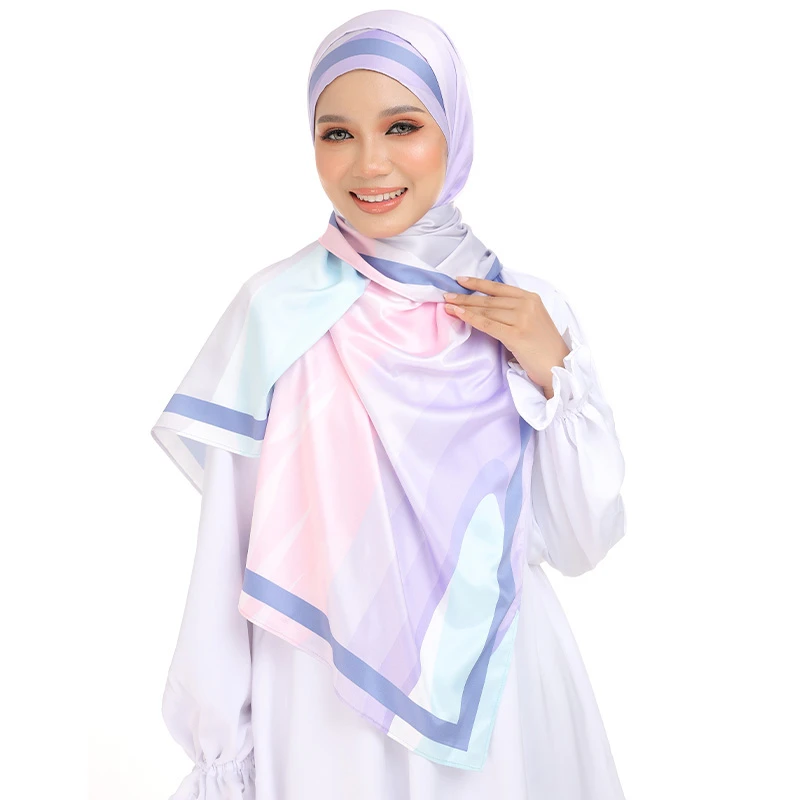
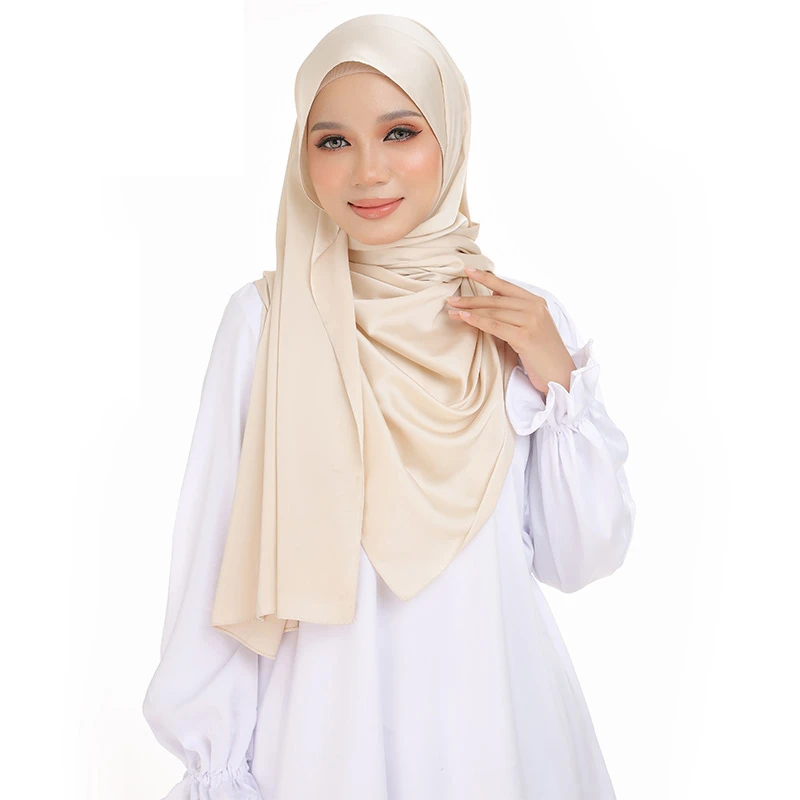
In recent years, the abaya has seen a transformation in its presentation. Designers worldwide have sought to reinvent this traditional garment, incorporating vibrant colors, intricate embroidery, and modern silhouettes. This shift reflects a broader trend within fashion, where traditional attire is being reimagined to cater to the tastes and preferences of contemporary women. Fashion weeks in cities like Paris and Dubai have showcased abayas designed by prominent fashion houses, indicating a growing legitimacy of the abaya within the global fashion landscape.
abaya clothing
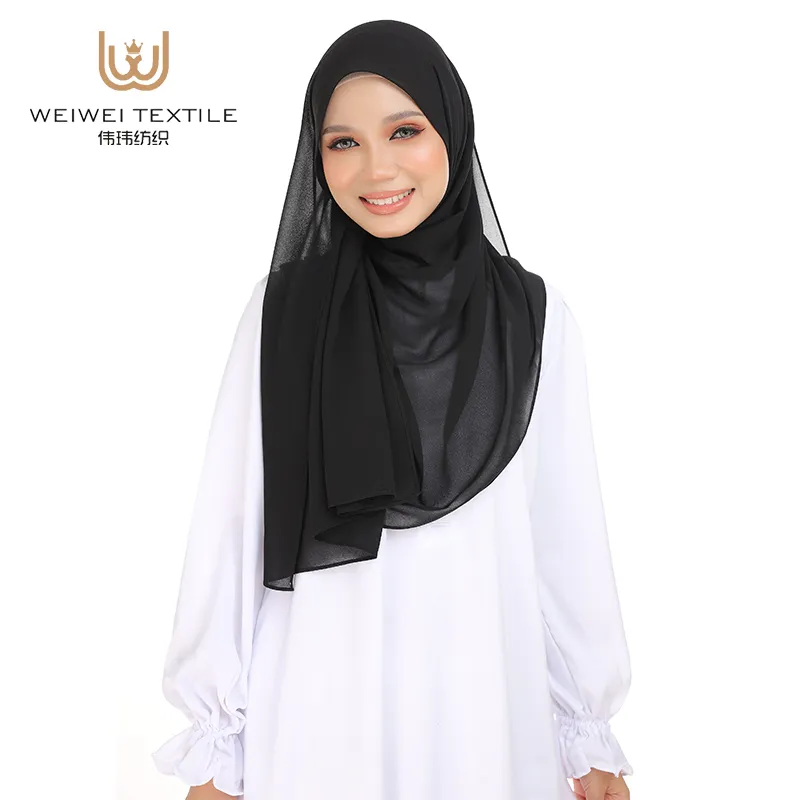
Furthermore, the rise of social media has played a crucial role in popularizing the abaya. Influencers and fashion bloggers from the Middle East have utilized platforms like Instagram and TikTok to showcase their unique styles, providing inspiration and ideas for pairing the abaya with various accessories and shoes. This visibility has helped break stereotypes surrounding modest fashion, demonstrating that it can be stylish, chic, and versatile.
Despite its growing globalization, the abaya still carries significant cultural weight. For many women, it is not just a piece of clothing; it is a symbol of identity and heritage. During the holy month of Ramadan, or during religious festivals like Eid, the abaya holds a special place. It is often adorned with embellishments and decorative elements to mark the significance of the occasion, reinforcing the notion that the abaya is intertwined with cultural practices and family traditions.
As the abaya continues to evolve, it also faces the challenge of upholding its traditional values while embracing modernity. Some critics argue that the increasing commercialization of the abaya may dilute its cultural significance. However, many women see this evolution as an opportunity to celebrate their identities without conforming to a singular narrative of what modesty should represent. They find empowerment in choosing how to express their identity through fashion, blurring the lines between cultural heritage and personal expression.
In conclusion, the abaya clothing is much more than a traditional garment; it is a multifaceted symbol of cultural identity that gracefully navigates the realms of modern fashion. Its evolution reflects the dynamic nature of cultural expressions, showcasing how tradition can coexist with contemporary trends. As the world continues to embrace diversity, the abaya serves as a powerful reminder of how clothing can convey meaning, embody identity, and foster connection across different cultures. The future of the abaya is bright, promising a seamless integration of tradition and modernity, where every woman can express her individuality while honoring her cultural roots.
-
Xinji Weiwei Textile Factory to Exhibit at the 139th Canton Fair
NewsApr.15,2026
-
Abaya Robe: Tradition, Elegance, and Daily Cultural Expression
NewsApr.15,2026
-
Satin Scarves and Hijabs: A Reflection of Tradition, Elegance, and Daily Practice
NewsApr.15,2026
-
Chiffon Scarf Hijab: A Blend of Tradition, Style, and Everyday Practice
NewsApr.15,2026
-
Exploring Hijab Fashion in Malaysia: Tradition, Style, and Daily Cultural Practice
NewsApr.15,2026
-
The Cultural Significance and Style of Voile Scarves and Shawls in Daily Muslim Wear
NewsApr.15,2026