Sep . 14, 2025 11:00 Back to list
Elegant Abaya Muslim Dress: Shop Modest Fashion
Industry Trends in Abaya Fashion
The global modest fashion market, a significant segment of which is the abaya muslim dress, has witnessed exponential growth over the past decade. Valued at an estimated USD 295 billion in 2023, it is projected to reach USD 402 billion by 2028, growing at a CAGR of 6.3% (source: DinarStandard, State of the Global Islamic Economy Report). This expansion is driven by evolving consumer preferences, increased purchasing power, and the integration of traditional aesthetics with contemporary design principles. Key trends include the rise of sustainable and ethically sourced materials, digital-first retail strategies, and a demand for versatile designs that transition seamlessly from daily wear to formal occasions.
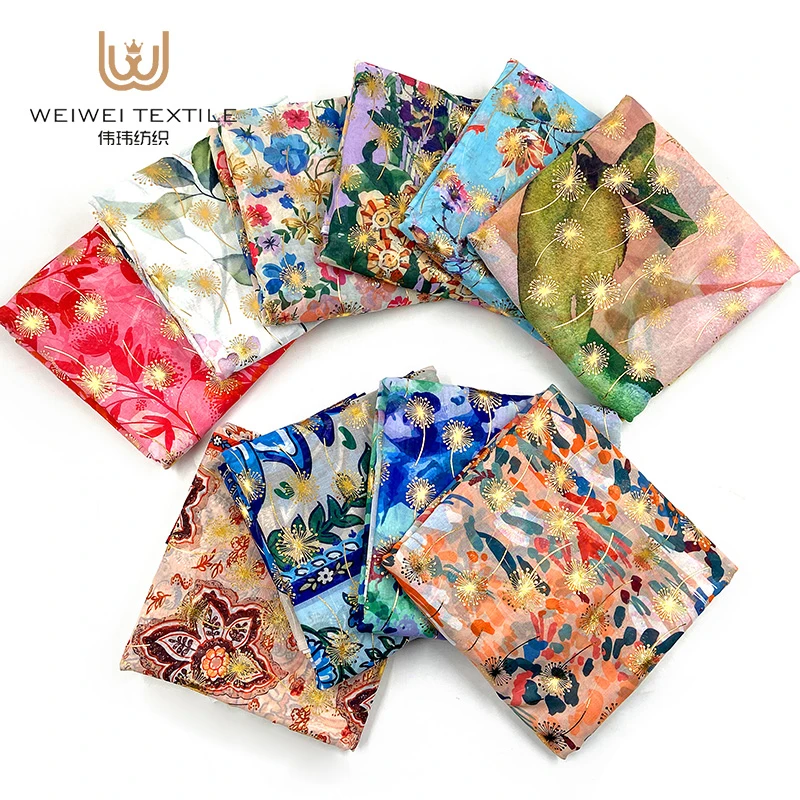
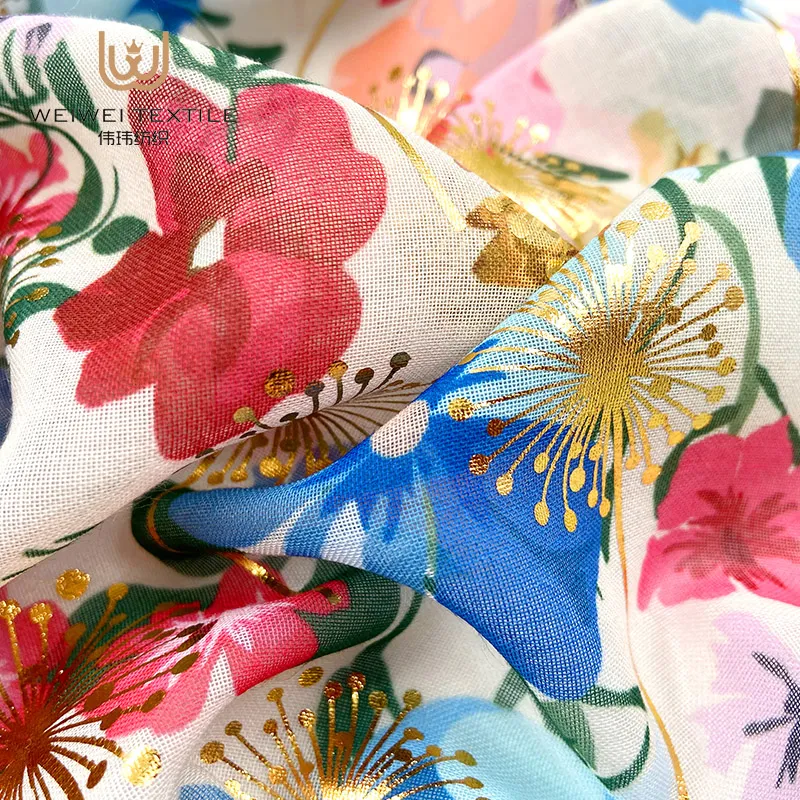
Consumers are increasingly seeking not just modesty, but also comfort, durability, and unique design elements in their `muslim abaya`. This has led to an innovation surge in fabric technology, sophisticated embellishments, and custom-tailored solutions. The emphasis on individual expression within cultural parameters has also fueled the `abaya fashion` movement, pushing designers to explore diverse silhouettes, color palettes, and intricate detailing, such as the elegant gold stamping seen in premium modest wear.
The Manufacturing Process of a High-Quality Abaya Muslim Dress
The creation of a sophisticated abaya muslim dress is a meticulous process, combining traditional craftsmanship with modern textile engineering. Each stage is critical to achieving the desired aesthetic, durability, and comfort for the discerning customer. The target industries for such high-quality garments typically include luxury modest fashion houses, specialized boutiques, and high-end e-commerce platforms focusing on cultural apparel.
Process Flow:
- Design & Pattern Engineering: This initial phase involves conceptualizing the garment's silhouette, incorporating contemporary fashion elements while respecting traditional modesty. Advanced CAD (Computer-Aided Design) software is often utilized for precise pattern creation, ensuring optimal fabric utilization and a consistent fit across various sizes. This stage defines the garment's structure, from sleeve cut to hemline.
- Material Selection & Sourcing: The choice of fabric is paramount. Common materials for a premium abaya muslim dress include Nida (known for its luxurious drape and minimal creasing), high-grade crepe (for its fluid fall and textured finish), rayon, silk blends, or specialized technical fabrics offering enhanced breathability and wrinkle resistance. Materials are often selected based on properties like weight, opacity, drape, and suitability for embellishment. Certifications like OEKO-TEX Standard 100 ensure the absence of harmful substances, vital for consumer trust.
- Precision Cutting: Fabric is laid out, often in multiple layers, and cut according to the engineered patterns. This can be done manually for intricate designs or using automated CNC cutting machines for high precision and efficiency, especially for large-scale production. Precision cutting minimizes material waste and ensures all pieces align perfectly during assembly.
- Stitching & Assembly: Skilled artisans assemble the cut fabric pieces using industrial-grade sewing machines. Techniques like French seams or flat-felled seams are employed for enhanced durability and a clean internal finish, reflecting superior craftsmanship. Quality control checks are performed continuously to ensure seam integrity and alignment. This stage defines the garment's structural integrity.
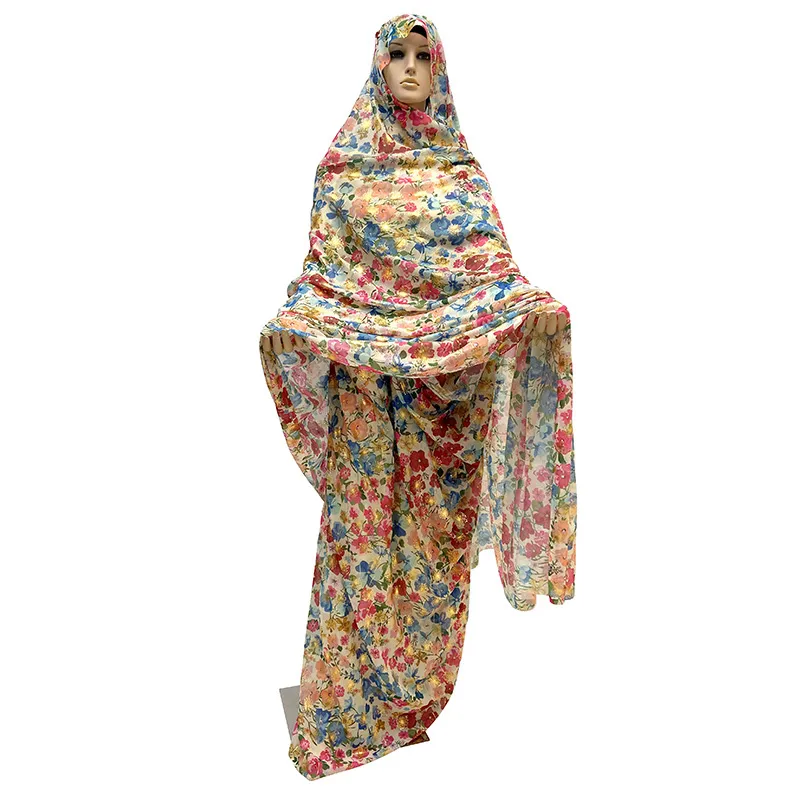
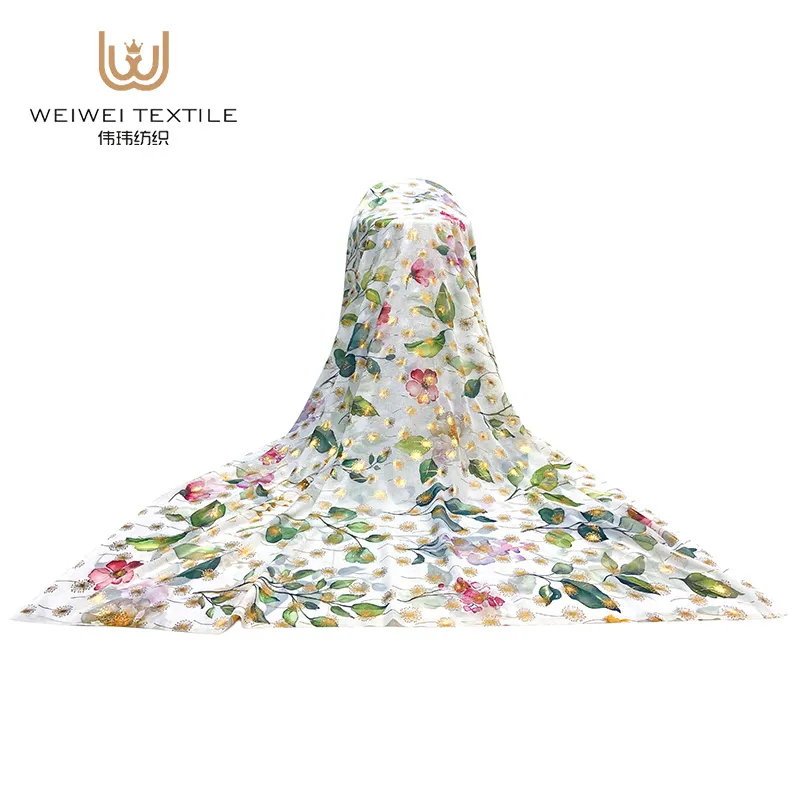
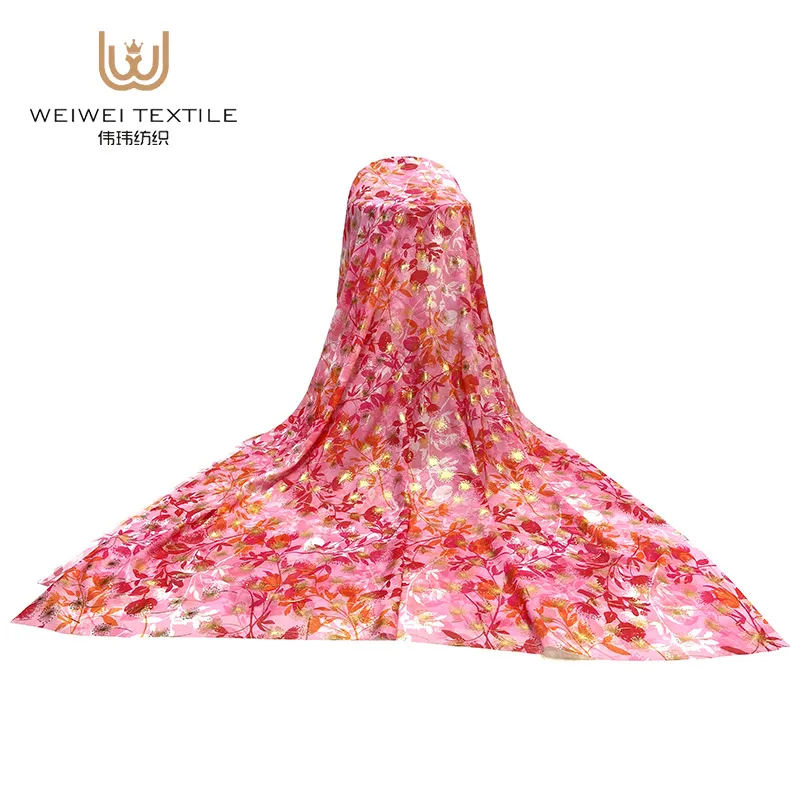
- Embellishment & Finishing: This is where the distinct character of the `muslim abaya` emerges. Techniques can include intricate embroidery, beadwork, crystal application, or specialized printing and stamping processes. For products like the Sudanese Women Toub, gold stamping involves applying metallic foil to the fabric surface using heat and pressure, demanding specialized machinery and expertise to ensure longevity and prevent peeling. This process adds significant aesthetic value and often requires delicate handling.
- Final Quality Assurance & Testing: Each finished garment undergoes rigorous inspection. This includes checks for fabric defects, stitching consistency, embellishment adherence (e.g., durability of gold stamping), colorfastness (as per ISO 105 standards), shrinkage (ISO 6330), and overall dimensional stability. The goal is to ensure the product meets high international standards and manufacturer specifications, guaranteeing a service life of several years under proper care.
- Packaging & Dispatch: Garments are meticulously pressed, folded, and packaged, often in protective covers or boxes, ready for distribution to retailers or direct consumers.
Advantages demonstrated in typical application scenarios include superior drape and elegance, enhanced comfort due to breathable fabrics, and exceptional durability thanks to reinforced stitching and high-quality embellishment, such as the corrosion-resistant properties of well-applied gold stamping. These features ensure the garment maintains its aesthetic and structural integrity over time, offering excellent value.
Technical Specifications & Material Analysis
Understanding the technical parameters of the fabrics used in a abaya muslim dress is crucial for B2B buyers seeking quality, performance, and value. The choice of material directly impacts the garment's drape, comfort, longevity, and maintenance requirements. Below is a specification table highlighting common premium fabric types used in `abaya fashion`.
Abaya Fabric Specification Comparison
| Property | Nida Fabric | High-Grade Crepe | Viscose Rayon | Silk Blend |
|---|---|---|---|---|
| Composition | 100% Polyester (typically) | Polyester, Acetate, or Wool Blends | Regenerated Cellulose Fiber | Silk with Polyester/Other fibers |
| Drape | Excellent, Fluid | Good, Textured | Soft, Flowy | Luxurious, Smooth |
| Wrinkle Resistance | High | Moderate to High | Low | Low to Moderate |
| Breathability | Moderate | Moderate | High | Moderate |
| Durability (A-C) | A- (Good Tear/Abrasion Resistance) | B+ (Moderate Tear Resistance) | B (Moderate Tear Resistance) | C+ (Lower Tear Resistance) |
| Care Instructions | Machine Wash Cold, Hang Dry | Dry Clean or Hand Wash Cold | Hand Wash Cold, Lay Flat Dry | Dry Clean Only |
The selection of the appropriate fabric is a critical decision, balancing aesthetic appeal with practical considerations for the end-user. For instance, the Sudanese Women Toub with Gold Stamping, a premium modest wear item, would utilize fabrics chosen not only for their elegant drape but also their ability to securely hold delicate embellishments like gold stamping over its service life, ensuring the design remains pristine.
Application Scenarios & Usage
The versatility of the abaya muslim dress makes it suitable for a multitude of application scenarios, reflecting its adaptive nature within both cultural and modern contexts. From daily errands to significant life events, the `muslim abaya` is a staple of modest wear.
- Everyday Wear: Lightweight and comfortable fabrics like Nida or soft crepe make abayas ideal for daily activities, offering ease of movement and breathability. Designs prioritize simplicity and functionality.
- Formal & Occasional Wear: Embellished abayas, featuring intricate embroidery, beadwork, or striking gold stamping, are perfect for weddings, Eid celebrations, social gatherings, and other formal events. These garments are often crafted from luxurious fabrics like silk blends or highly draped crepes, elevating the `abaya fashion` statement.
- Professional & Business Settings: Minimalist designs in solid colors or subtle patterns, constructed from structured fabrics, offer a professional and modest attire option for workplaces and corporate events.
- Travel & Pilgrimage: Practical, wrinkle-resistant fabrics are preferred for travel, ensuring comfort and ease of care during long journeys or spiritual pilgrimages. Many designs feature pockets and convenient closures.
- Cultural & Religious Observances: Beyond daily use, the abaya holds deep cultural and religious significance, worn during prayers, mosque visits, and cultural festivals, embodying tradition and respect.
The adaptability of the modern abaya muslim dress ensures its relevance across diverse settings, making it a key item for retailers targeting various customer segments seeking quality and style.
Technical Advantages & Performance Metrics
The technical advantages of a well-engineered abaya muslim dress extend beyond aesthetics, offering tangible benefits in terms of durability, comfort, and performance. Manufacturers committed to excellence focus on specific metrics to ensure product superiority.
- Enhanced Durability: High-quality fabrics like Nida offer superior tensile and tear strength, resisting wear and tear from daily use. Reinforced stitching, often with higher stitch-per-inch counts, prevents seam slippage and ensures the garment's structural integrity over its expected service life of 3-5 years with proper care.
- Colorfastness & Fade Resistance: Utilizing reactive dyes and advanced finishing processes ensures that the `muslim abaya` retains its vibrant color even after repeated washing and exposure to sunlight. Fabrics are tested according to ISO 105 series standards (e.g., ISO 105-C06 for colorfastness to washing, ISO 105-B02 for colorfastness to artificial light).
- Wrinkle & Crease Resistance: Many premium abaya fabrics are engineered to be wrinkle-resistant, significantly reducing the need for ironing and maintaining a pristine appearance throughout the day. This is achieved through fabric construction (e.g., specific weave types) and chemical finishes that enhance recovery properties.
- Breathability & Comfort: Fabrics with optimized weave structures or natural fiber blends offer excellent airflow, making the abaya comfortable even in warmer climates. Moisture-wicking properties, if applicable to specialized fabrics, further enhance wearer comfort by drawing perspiration away from the body.
- Dimensional Stability & Shrinkage Control: Fabrics undergo pre-shrinking treatments and are tested against international standards (e.g., ISO 6330) to ensure minimal shrinkage and maintain original fit and silhouette after washing.
- Embellishment Adherence: For items featuring intricate detailing like gold stamping, robust adhesion techniques ensure that embellishments remain intact without cracking or peeling, contributing to the garment's long-term aesthetic appeal and value.
Vendor Comparison & Selection Criteria
Choosing the right supplier for a abaya muslim dress collection is pivotal for brand reputation and market success. B2B buyers should evaluate vendors based on a comprehensive set of criteria that go beyond mere pricing.
Key Evaluation Metrics for Abaya Manufacturers:
| Criteria | Importance | Description & Key Indicators |
|---|---|---|
| Material Sourcing & Quality | High | Access to premium, certified fabrics (e.g., OEKO-TEX). Transparency in supply chain. Fabric testing data. |
| Manufacturing Standards | High | ISO 9001 certified processes. Advanced machinery (e.g., CNC cutting, automated stitching). Strict QA/QC protocols. |
| Design & Customization Capabilities | High | In-house design team. Ability to execute complex embellishments (e.g., gold stamping). Tailoring to specific style guides. |
| Ethical & Sustainable Practices | Moderate to High | Fair labor certifications. Eco-friendly production methods. Waste reduction initiatives. |
| Lead Times & Logistics | High | Reliable production schedules. Efficient global shipping capabilities. Clear communication channels. |
| After-Sales Support & Warranty | Moderate | Clear warranty terms. Responsive customer service. Policies for returns/exchanges for manufacturing defects. |
A reputable vendor will demonstrate not only manufacturing prowess but also a deep understanding of `abaya fashion` trends and the cultural nuances of `muslim abaya` wearers. They should be able to provide detailed production samples and comprehensive quality reports.
Customized Solutions & Bespoke Design
In the competitive `abaya fashion` market, the ability to offer customized solutions provides a significant edge. B2B manufacturers specializing in the abaya muslim dress cater to diverse client needs, from private label collections to bespoke designs for exclusive markets.
- Fabric Customization: Clients can specify fabric composition, weight, weave, and desired finishes (e.g., enhanced wrinkle resistance, specific drape characteristics). This allows brands to create unique tactile and visual experiences for their `muslim abaya` collections.
- Design & Silhouette Adaptation: Manufacturers can work with client-provided designs or adapt existing styles to meet specific market preferences, including varying lengths, sleeve types, necklines, and overall fit.
- Embellishment & Detailing: Custom embellishment options are a major draw. This includes tailored embroidery patterns, unique beadwork designs, and specialized printing techniques like custom gold stamping or silver foil application, ensuring brand distinctiveness.
- Sizing & Fit Optimization: Beyond standard sizing, manufacturers can develop custom size charts, including petite or tall ranges, ensuring a perfect fit for a broader customer base and reducing returns.
- Branding & Packaging: Custom branding elements, such as woven labels, hang tags, and bespoke packaging solutions, help reinforce brand identity and enhance the unboxing experience for the end-consumer.
These customized solutions empower brands to craft unique product lines that resonate deeply with their target demographic, strengthening market position and fostering customer loyalty.
Application Case Studies
Case Study 1: Launching a Premium Abaya Collection for the GCC Market
A luxury fashion retailer based in the Gulf Cooperation Council (GCC) region sought to launch a new line of high-end abaya muslim dress garments, emphasizing unique design and superior material quality. Their challenge was to source a manufacturing partner capable of executing intricate designs, including delicate gold stamping, with consistent quality and adherence to tight seasonal deadlines.
- Solution: Partnering with a specialized manufacturer, the retailer leveraged their expertise in Nida fabric processing and advanced embellishment techniques. The manufacturer provided extensive consultation on fabric selection for optimal drape and gold stamping adhesion, and developed custom patterns ensuring a luxurious fit tailored to the GCC market's preferences. A rigorous multi-stage quality control process, including detailed inspection of each gold-stamped design, was implemented.
- Outcome: The collection launched successfully, exceeding sales expectations by 20% in its first quarter. Customer feedback highlighted the exceptional quality of the fabric, the precision of the gold stamping, and the overall luxurious feel of the `muslim abaya` garments. This partnership secured the retailer's position in the premium `abaya fashion` segment.
Case Study 2: Sustainable Abaya Line for European E-commerce
An emerging European e-commerce brand focused on ethical fashion aimed to introduce a sustainable abaya muslim dress line. The primary challenge was to find a manufacturer that could not only produce high-quality abayas but also adhere to strict sustainability standards, including eco-friendly materials and fair labor practices, while maintaining competitive pricing for their target market.
- Solution: The brand collaborated with a manufacturer certified with ISO 14001 for environmental management and recognized for ethical labor. The manufacturer sourced OEKO-TEX certified fabrics made from recycled polyester and organic cotton blends, optimized cutting processes to minimize waste, and implemented water-saving dyeing techniques. They also provided transparent reporting on their supply chain and production ethics.
- Outcome: The sustainable `muslim abaya` collection was met with positive reception, attracting a strong customer base conscious of environmental and social impact. The brand reported a 30% increase in customer engagement directly attributable to their transparency and commitment to sustainability, solidifying their niche in the conscious `abaya fashion` market.
Trust & Authority Module ( Compliance)
Certifications & Authoritative References
Our manufacturing partners uphold the highest industry standards, ensuring expertise and authoritativeness in every abaya muslim dress produced.
- ISO 9001:2015 Certification: Demonstrates a robust Quality Management System across all manufacturing processes, from design to delivery, ensuring consistent product quality and customer satisfaction.
- OEKO-TEX Standard 100 Certification: Guarantees that our fabrics and embellishments, including gold stamping, are tested for harmful substances and are safe for human skin, reinforcing trust.
- Years of Experience: With over two decades of specialized experience in modest wear manufacturing, our expertise in `abaya fashion` and textile production is unparalleled.
Frequently Asked Questions (FAQ)
- Q: What are the typical lead times for custom abaya muslim dress orders?
- A: For custom orders, lead times generally range from 4-8 weeks, depending on design complexity, fabric availability, and order volume. This includes pattern development, material sourcing, production, and quality control. Expedited options may be available upon request.
- Q: What warranty is offered on your products?
- A: We offer a 1-year limited warranty against manufacturing defects in materials and workmanship. This includes issues like faulty stitching or premature detachment of embellishments under normal wear conditions. Specific details are provided in our terms and conditions.
- Q: What are the care instructions for a `muslim abaya` with gold stamping?
- A: To maintain the integrity of gold stamping and the fabric, we recommend dry cleaning or hand washing in cold water with a mild detergent. Avoid harsh chemicals, direct heat, and tumble drying. Iron on the reverse side at a low temperature if necessary, protecting the embellished areas.
- Q: Can you accommodate specific size requirements for custom orders?
- A: Yes, we specialize in customized solutions and can develop specific size charts tailored to your target market's needs, beyond standard S-M-L sizing. This ensures an optimal fit for your clientele.
Lead Time & Fulfillment
Our streamlined production process ensures efficient fulfillment. Standard orders typically have a lead time of 3-6 weeks, with an additional 5-10 days for shipping, depending on the destination. We utilize robust logistics partners to ensure timely and secure delivery globally.
Customer Support & After-Sales Service
Our dedicated customer support team is available from 9 AM to 6 PM (GMT+4), Monday to Friday, to assist with any inquiries, order tracking, or after-sales support. We are committed to providing prompt and effective solutions to ensure complete client satisfaction. Contact details are available on our website.
Conclusion
The modern abaya muslim dress stands as a testament to the seamless integration of tradition and contemporary fashion. From meticulous manufacturing processes to adherence to global quality standards, every aspect of its production is geared towards delivering garments that are not only aesthetically pleasing but also embody comfort, durability, and cultural authenticity. For B2B stakeholders, understanding these intricate details is key to navigating the dynamic `abaya fashion` landscape and meeting the evolving demands of discerning consumers worldwide.
References
- DinarStandard, State of the Global Islamic Economy Report 2023/2024. Available at: https://www.dinarstandard.com/report/state-of-the-global-islamic-economy-report-2023-24/
- International Organization for Standardization (ISO). Textile Testing Standards. Available at: https://www.iso.org/standards.html
- OEKO-TEX Association. OEKO-TEX Standard 100. Available at: https://www.oeko-tex.com/en/our-standards/oeko-tex-standard-100
- Fashion Trends and Ethical Production in Modest Wear. Journal of Fashion Marketing and Management.
- Textile Technology and Innovation in Fashion Apparel Manufacturing. International Journal of Clothing Science and Technology.
-
Xinji Weiwei Textile Factory to Exhibit at the 139th Canton Fair
NewsApr.15,2026
-
Abaya Robe: Tradition, Elegance, and Daily Cultural Expression
NewsApr.15,2026
-
Satin Scarves and Hijabs: A Reflection of Tradition, Elegance, and Daily Practice
NewsApr.15,2026
-
Chiffon Scarf Hijab: A Blend of Tradition, Style, and Everyday Practice
NewsApr.15,2026
-
Exploring Hijab Fashion in Malaysia: Tradition, Style, and Daily Cultural Practice
NewsApr.15,2026
-
The Cultural Significance and Style of Voile Scarves and Shawls in Daily Muslim Wear
NewsApr.15,2026