Nov . 18, 2025 14:00 Back to list
Discover the Timeless Elegance and Sustainability of Lace Scarves | WW Scarf
The Global Allure and Practicality of the Lace Scarf
You probably glance past scarves without a second thought, but when we zoom in on the humble lace scarf, suddenly the world of fashion, culture, and trade opens up in a way that’s rather fascinating. It’s not just a pretty accessory. Across continents and decades, the lace scarf has woven itself into stories of identity, craftsmanship, and economic livelihoods globally.
Understanding lace scarves means more than appreciating delicate patterns and fabric textures; it taps into broader themes of artisan economy, sustainable fashion, and even cultural diplomacy. These scarves often represent a bridge—between tradition and modernity, artistry and industry. And frankly, the ripple effects are bigger than you might guess.
Why Lace Scarves Still Matter on the Global Stage
If you peek into global textile trade stats, lace items including scarves rank notably among handcrafted exports in various countries. According to the World Trade Organization, handmade lace products constitute a valuable niche, supporting thousands of small-scale producers, especially in regions like Europe, South Asia, and Latin America.
But beyond economics, the lace scarf brings some neat solutions to challenges in fashion sustainability and cultural preservation. How do you keep centuries-old needlework alive without trapping artisans in outdated business models? Lace scarves, because of their relatively small size and high value, fit perfectly into evolving ethical fashion markets and fair trade frameworks.
Still, the industry faces hurdles — from mass-produced imitations to dwindling artisan numbers. This makes understanding the ins and outs of lace scarves quite a useful exercise in both commerce and culture.
What Exactly Is a Lace Scarf?
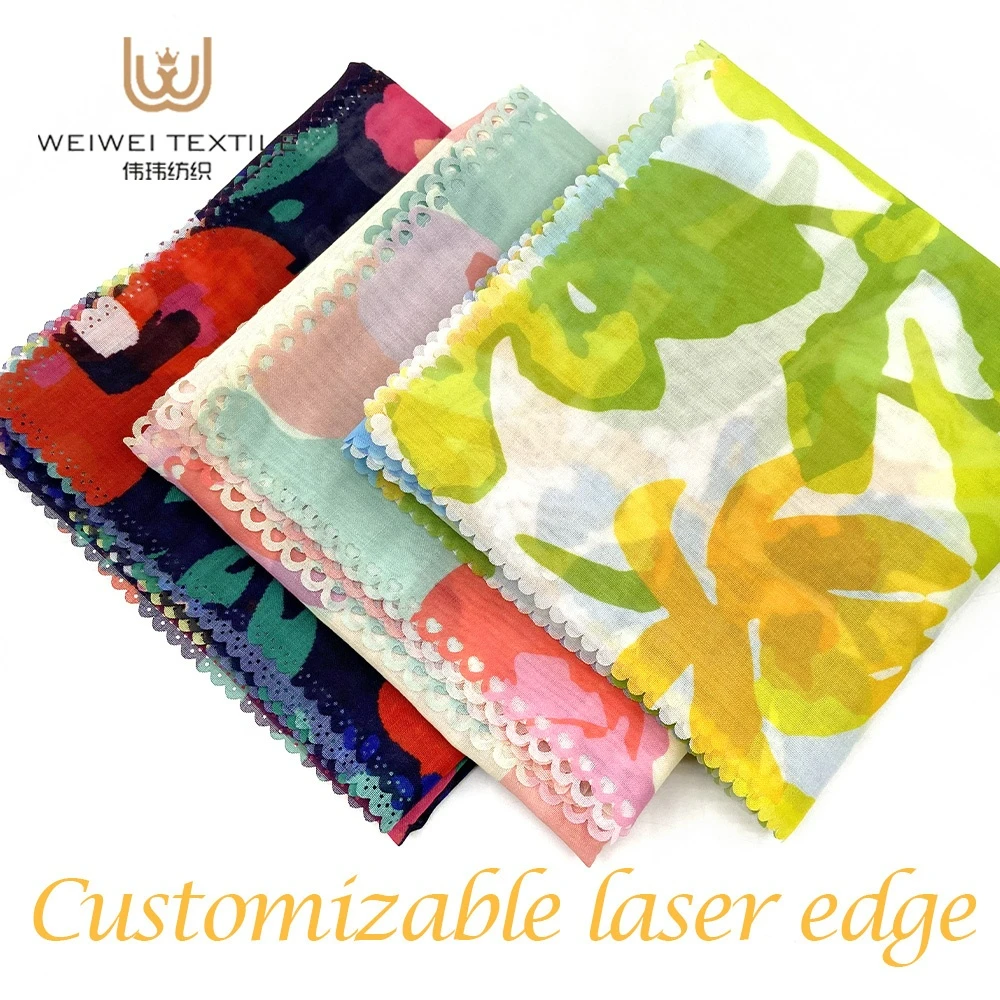
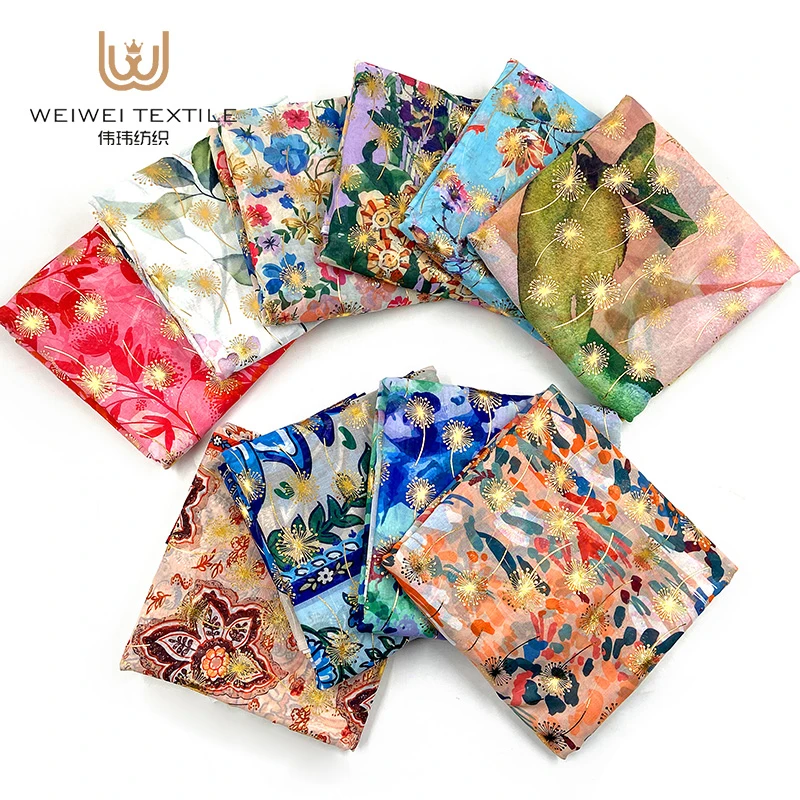
In the simplest terms, a lace scarf is a piece of fabric, usually light and decorative, created through lace-making techniques like needle lace, bobbin lace, or machine-made lace, cut and styled into scarves. They fold the artistry of pattern and texture into a wearable form, often highlighting openwork designs that play with light and shadow.
These scarves occupy a unique niche — partly fashion item, partly cultural artifact. They resonate in regions or ceremonies steeped in lace traditions: think Spanish mantillas, Belgian laces, or Indian threadwork. More recently, they’ve also appeared in ethical fashion lines and humanitarian efforts promoting artisan-made fabric goods to empower women worldwide.
Core Elements That Define the Lace Scarf
1. Craftsmanship and Design
The charm of a lace scarf depends heavily on the intricacy and authenticity of its craftsmanship. Skilled artisans spend hours threading elaborate patterns, often passed down through generations. Whether hand-made or machine-produced, design complexity varies hugely, impacting both value and durability.
2. Material Quality
Cotton, silk, linen, or synthetic blends form the base fibers. The choice dictates feel, drape, and sustainability implications. For instance, organic cotton or bamboo fabrics are winning fans for those seeking eco-friendly scarves.
3. Durability
Lace scarves combine delicacy with surprisingly good wear resistance when treated properly. The threading techniques can either create fragile pieces optimized for occasional wear or more robust scarves designed for daily use.
4. Cultural Significance
Many lace scarves embody particular cultural meanings — a matter of identity, status, or religious significance in some communities. This connection fuels both demand and respect for authentic pieces.
5. Cost and Accessibility
Though some lace scarves can be pricey due to artisan work and materials, there’s a wide spectrum from affordable machine-made versions to exclusive hand-crafted heirlooms. This range allows accessibility across markets.
Global Uses: Where the Lace Scarf Shines
Its graceful presence isn’t just limited to fashion boutiques and cultural festivals. In Europe, lace scarves form essential parts of traditional dress, especially in places like Spain, France, and Italy, where lace-making is heritage. In South Asia, scarves crafted with delicate lace trims complement ceremonial attire.
Oddly enough, humanitarian groups have recently started incorporating artisan-woven lace scarves into programs aimed at preserving livelihoods in post-conflict areas such as Bosnia or parts of India. These programs combine heritage craft revival with women’s empowerment, supporting income diversification.
Even contemporary designers pull lace scarves into high fashion runways and sustainable collections. The scarves become canvases for innovation — mixing old techniques with new materials or eco-conscious dyeing.
Lace Scarf Product Specifications at a Glance
| Feature | Typical Range | Notes |
|---|---|---|
| Material | Cotton, silk, linen, polyester blends | Natural fibers preferred for softness, eco impact |
| Size | 60 cm × 180 cm average | Varies by style and region |
| Technique | Handmade (needle, bobbin) or machine lace | Handmade demand drives premium pricing |
| Weight | 50–150 grams | Lightweight but warm layered |
| Color | Natural white, off-white, dyed | Dyed varieties allow fashion flexibility |
Comparing Top Lace Scarf Vendors
| Vendor | Product Range | Price Range | Craftsmanship | Sustainability |
|---|---|---|---|---|
| LaceLux | Handmade lace scarves, premium designs | $80 – $250 | Expert artisans, slow production | Organic fibers, limited dye use |
| TrendWeave | Machine lace, colorful varieties | $15 – $60 | Mass-produced, moderate quality | Conventional materials |
| Heritage Threads | Traditional, region-specific lace scarves | $45 – $150 | Mostly hand-crafted, mixed | Fair trade certified |
The Benefits That Keep Customers Coming Back for Lace Scarves
It feels like there’s an emotional depth here, not just a fabric. Many users appreciate the lace scarf for its blend of elegance and heritage. On the practical side, they offer lightweight warmth without bulk, great for layering in changing climates. Plus, the artisanal aspect often carries a compelling story — like buying a little piece of tradition instead of mass-produced plaid.
From sustainability angles, many lace scarves are made of natural, biodegradable fibers, often under fair labor conditions. Their relatively small size means less environmental impact for shipping and storage, compared to bulkier textile goods.
Long-term value comes from durability when you care properly for the piece, alongside its timeless style. So in a way, the lace scarf trusts its owner to repeat wear and cherish it.
Trends and Innovations on the Horizon
Looking forward, technology is mixing with tradition more than ever. We’re seeing experimental blends of lace with recycled fibers or even bioengineered yarns, tapping into the green energy push within textiles. Digital tools help artisans fine-tune patterns or share skills globally, keeping regional heritage alive.
Another exciting trend is customization. Customers increasingly want scarves that tell their own stories—monogrammed pieces or personalized designs incorporating modern motifs fused with classic lacework.
Plus, automation is creeping gently into lace production, reducing costs and expanding availability while preserving essential handwork components.
The Challenges and How They’re Being Tackled
The main challenge? Balancing authenticity with scalability. Handcrafted lace scarves aren’t churned out overnight, meaning supply is limited and prices can be high. Meanwhile, cheap machine-made knockoffs flood markets, putting artisan livelihoods at risk.
Innovative solutions include platform cooperatives where artisans sell directly, bypassing middlemen. NGOs and fair trade organizations also play pivotal roles in educating consumers on sourcing and promoting sustainable models.
There’s progress, but it’s a delicate thread to weave.
Common Questions About Lace Scarves
- Q: How can I tell a genuine handmade lace scarf from a machine-made one?
- A: Genuine handmade lace scarves usually have subtle irregularities in patterns and finer threadwork. Machine-made versions tend to be more uniform but might lack the intricate detailing and slight imperfections that indicate handcraft.
- Q: Are lace scarves suitable for everyday wear or just special occasions?
- A: It depends on the scarf’s material and craft. Many lace scarves are durable enough for daily use if cared for properly, especially those with sturdier cotton or synthetic blends. Delicate silk or needle lace varieties are better reserved for occasional wear.
- Q: What’s the best way to care for a lace scarf?
- A: Gentle hand washing in cold water with mild detergent is recommended. Avoid wringing or twisting, and air dry flat. Storing in breathable fabric bags can prevent snagging.
- Q: Can purchasing lace scarves support artisan communities?
- A: Absolutely. Buying from fair trade vendors or cooperatives helps sustain traditional crafts and provides income for rural artisans, often women.
- Q: How do lace scarves fit into sustainable fashion?
- A: Their natural fiber content, longevity, and artisan production methods generally result in a smaller environmental footprint compared to fast fashion items.
Wrapping Up: Why the Lace Scarf Deserves a Spot in Your Wardrobe
In the age of disposable fashion, the lace scarf stands out for its connection to culture, craftsmanship, and sustainability. It’s a wearable story, versatile and meaningful. Whether you choose a delicate heirloom piece or a modern eco-friendly variety, you’re investing in something that threads together tradition and innovation.
Why not explore a beautiful lace scarf today and feel the blend of history and style wrap around your neck?
Cheers to timeless artistry!
References
-
Xinji Weiwei Textile Factory to Exhibit at the 139th Canton Fair
NewsApr.15,2026
-
Abaya Robe: Tradition, Elegance, and Daily Cultural Expression
NewsApr.15,2026
-
Satin Scarves and Hijabs: A Reflection of Tradition, Elegance, and Daily Practice
NewsApr.15,2026
-
Chiffon Scarf Hijab: A Blend of Tradition, Style, and Everyday Practice
NewsApr.15,2026
-
Exploring Hijab Fashion in Malaysia: Tradition, Style, and Daily Cultural Practice
NewsApr.15,2026
-
The Cultural Significance and Style of Voile Scarves and Shawls in Daily Muslim Wear
NewsApr.15,2026