Dec . 02, 2025 16:02 Back to list
Discover the Cultural and Global Impact of the Saffron Scarf
Understanding the Saffron Scarf: More Than Just a Fashion Statement
When you hear the term saffron scarf, it might first conjure images of a bright, eye-catching accessory—vibrant, warm-hued, and rich in cultural symbolism. But the saffron scarf is more than a piece of fabric. Globally, it holds significant humanitarian, cultural, and even economic value. Knowing its broader impact helps us appreciate how this simple textile intersects with global crafts, trade, and social dignity.
From artisan villages across Asia to modern fashion runways, the saffron scarf carries stories of tradition, identity, and sustainability. Understanding this topic is key for industry professionals, cultural historians, and socially conscious consumers alike.
Introduction: The Global Relevance of the Saffron Scarf
According to the United Nations, textiles and handicrafts represent a remarkably resilient sector for global trade, supporting millions in low-income countries. The saffron scarf, with its unmistakable turmeric-yellow shades and intricate weave patterns, is a distinct part of this story.
Why does this matter today? Because in a world grappling with fast fashion's environmental fallout, sustaining handcrafted textiles reminds us how tradition ties into ethical sourcing and preserving artisans’ livelihoods. The saffron scarf addresses challenges in fair trade and cultural preservation, two pillars increasingly recognized by global development bodies.
What Is a Saffron Scarf?
Simply put, a saffron scarf is a type of woven garment dyed in the deep golden-orange range, reminiscent of the precious saffron spice (though not necessarily made with it). But beyond color, it’s a symbol — often linked to Indian, Tibetan, and Middle Eastern cultural heritage.
Modern uses stretch beyond aesthetics. Humanitarian organizations sometimes distribute saffron scarves to vulnerable populations because their warmth and cultural significance provide physical comfort and a sense of dignity. The scarves also serve in ceremonial uses, symbolizing peace and hope.
Key Attributes of the Saffron Scarf
1. Durability
Typically woven from cotton or silk, saffron scarves are surprisingly durable given their lightweight feel. The quality of yarn and the tightness of the weave dictate how long a scarf lasts, especially in varied climates.
2. Cultural Significance
The color saffron itself conveys spirituality, courage, and sacrifice in many Eastern traditions. Wearing or gifting a saffron scarf is a gesture layered with meaning, which adds intangible value beyond textile quality.
3. Sustainability
Many saffron scarves come from artisan communities employing natural dyes and traditional weaving techniques. This fosters environmentally friendlier production compared to mass-produced synthetic scarves.
4. Versatility & Usage
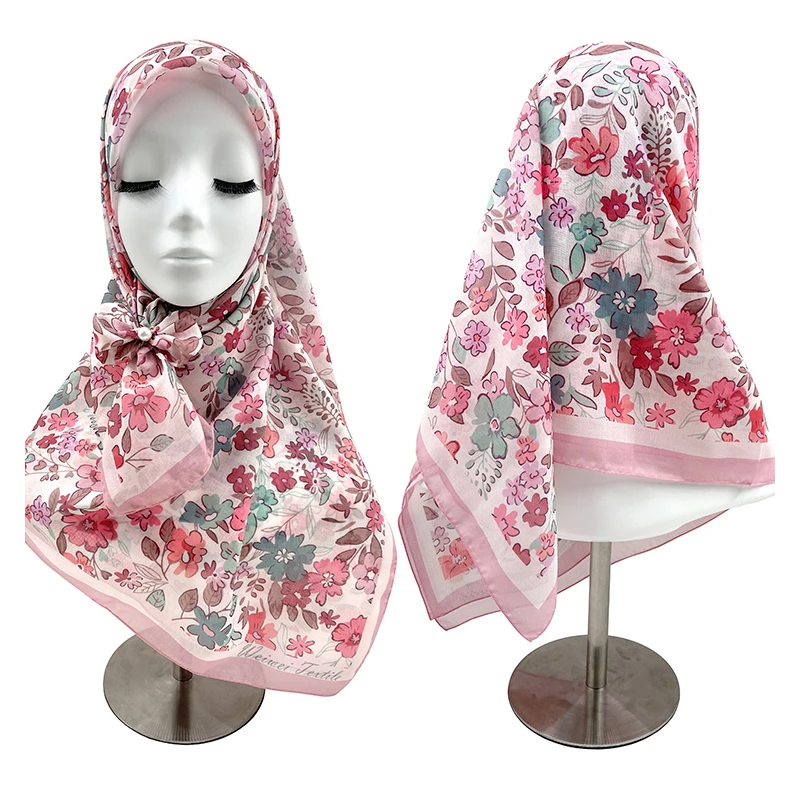
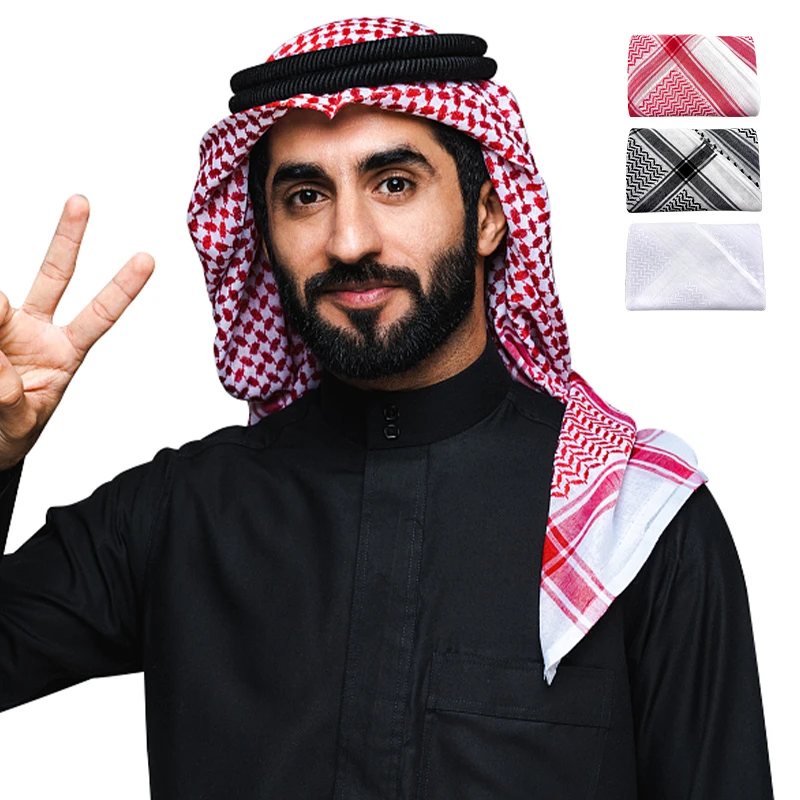
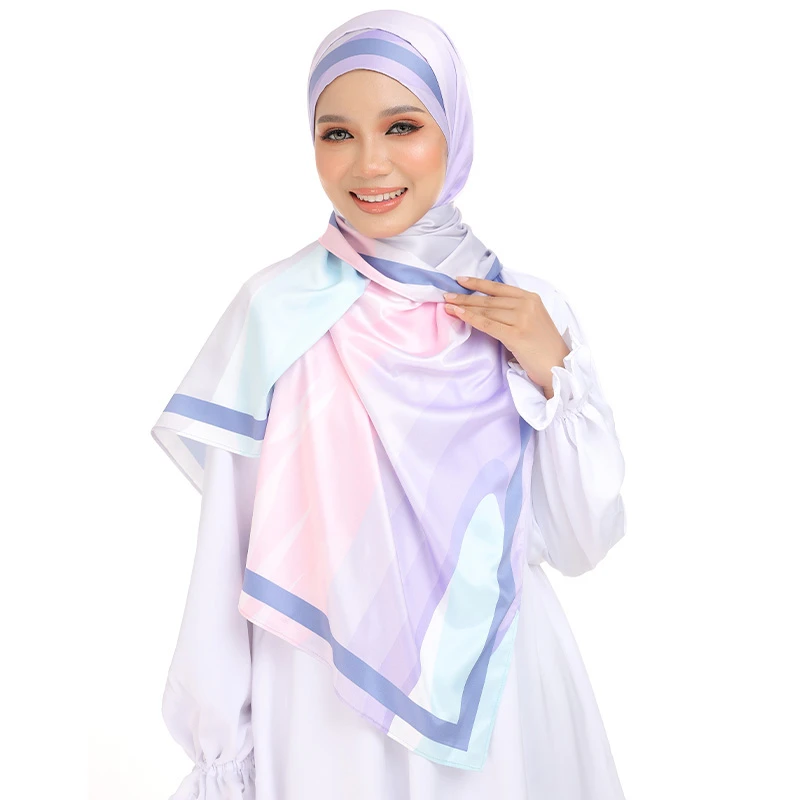
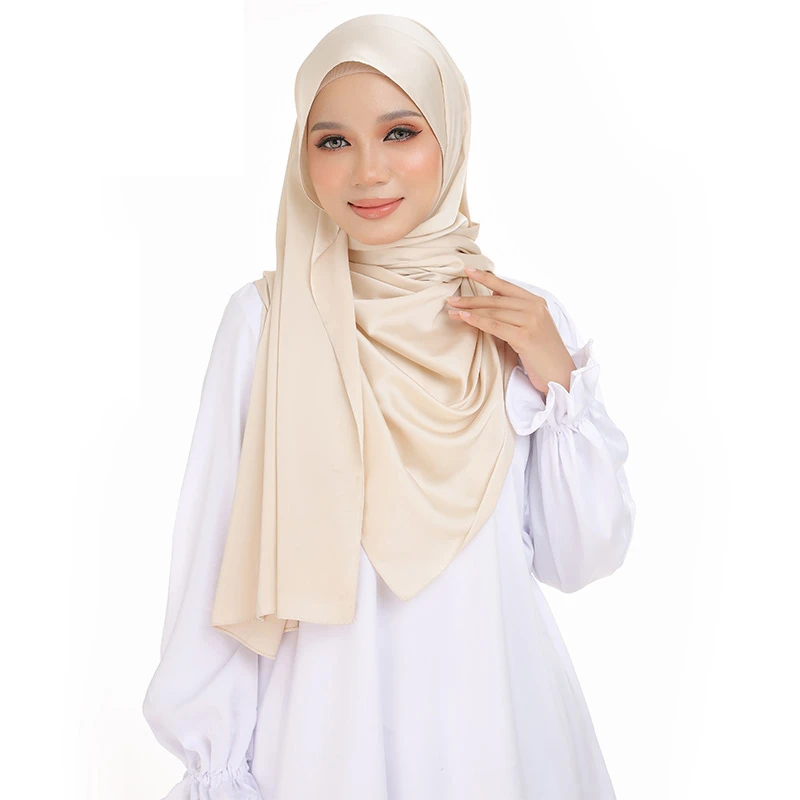
From ceremonial events to everyday wear, these scarves adapt seamlessly – sometimes used as headwraps, stoles, or even decorative home pieces.
Saffron Scarf Product Specifications
| Specification | Details |
|---|---|
| Material | Cotton, Silk, or Blended Natural Fibers |
| Dyeing Method | Natural (Turmeric/Saffron-based) & Synthetic Options |
| Dimensions | 70 x 180 cm (Standard) |
| Weight | 120-180 grams |
| Care Instructions | Hand wash preferred; quick air dry |
Global Vendors Comparison Table
| Vendor | Origin | Material Quality | Price Range (USD) | Sustainability Practices |
|---|---|---|---|---|
| SunSilk Weaves | India (Rajasthan) | Premium hand-spun silk | $45–70 | Uses organic dyes, fair trade certified |
| TibetCraft Originals | Tibet/Nepal Border | Handwoven cotton blends | $25–40 | Traditional dyeing methods, community initiatives |
| MiddleEast Looms | Turkey | Machine woven cotton with saffron dye | $15–30 | Mixed synthetic dyes, limited certification |
How the Saffron Scarf Is Used Around the Globe
In real terms, the saffron scarf has traveled from dusty artisan markets to urban fashion scenes. In South Asia, it's a symbol worn during religious festivals, adding warmth and vibrance to the occasion. In humanitarian efforts, several NGOs provide these scarves as gifts that offer not just warmth but cultural familiarity — a subtle yet powerful morale boost when displaced or facing adversity.
Industrially, eco-conscious fashion lines incorporate saffron scarves, promoting sustainable luxury. Regions benefiting the most include rural Indian villages, Himalayan border communities, and some parts of the Middle East where traditional weaving is still a family craft.
What Makes the Saffron Scarf Advantageous Long-Term?
- Cost-effectiveness: Sourced from local materials, they provide a relatively low-cost luxury accessible to many.
- Sustainability: With natural dyes and hand-weaving, environmental impact remains minimal.
- Social impact: Supporting artisan communities helps preserve cultural heritage and income streams.
- Emotional value: Wearing something symbolic gives a sense of identity and connection.
Looking Ahead: Future Trends in the Saffron Scarf Industry
Frankly, the future is bright — literally and figuratively. Innovations with eco-friendly fiber blends such as bamboo-silk hybrids are quietly gaining traction. Digital marketplaces have burst open global access for small artisans, making sustainability and fair wages more achievable. Automation isn’t replacing hand-weaving (at least not yet), but it is helping with quality control and eco-dye refinement.
Moreover, some designers experiment with smart textiles — imagine a saffron scarf that adjusts warmth or connectivity features. These innovations balance preserving tradition while embracing technology.
Challenges and How They’re Being Tackled
Of course, challenges linger. Some scarves face inconsistent dye quality or environmental concerns from dye runoff. Economic pressures push artisans to lower prices, risking exploitation. But solutions like certification programs, cooperative marketing, and greener dye chemistry are improving the landscape.
Organizations such as ISO provide guidance for sustainable textile standards, which many vendors are adopting. It’s a dynamic but hopeful path forward.
FAQs About Saffron Scarves
- Q1: Are saffron scarves made with real saffron spice?
- A1: Not usually. The term "saffron" describes the rich, golden color rather than the use of actual saffron threads, which would be prohibitively expensive. Instead, natural dyes from turmeric or similar spices provide the iconic hue.
- Q2: How do I properly care for a saffron scarf?
- A2: To maintain color and fabric integrity, it's best to hand wash in cool water with mild detergent and air dry away from direct sunlight. Avoid bleach or harsh chemicals.
- Q3: Can saffron scarves be purchased internationally?
- A3: Definitely. Many vendors and cooperatives offer international shipping through online platforms or work with distributors specializing in sustainable textiles.
- Q4: Are these scarves suitable for people with sensitive skin?
- A4: Because they are typically made from natural fibers and dyes, saffron scarves are generally safe for sensitive skin. However, those with allergies to specific dyes should check product details carefully.
Conclusion
So, the saffron scarf is far more than just a splash of color. It embodies cultural heritage, supports sustainable livelihoods, and brings both practical and emotional value worldwide. If you want to dive deeper or find authentic saffron scarf options, visiting our website is a great first step to explore this unique tapestry of tradition meets modern relevance.
Mini takeaway: The saffron scarf is a vibrant thread linking tradition, sustainability, and global community spirit.
References:
-
Xinji Weiwei Textile Factory to Exhibit at the 139th Canton Fair
NewsApr.15,2026
-
Abaya Robe: Tradition, Elegance, and Daily Cultural Expression
NewsApr.15,2026
-
Satin Scarves and Hijabs: A Reflection of Tradition, Elegance, and Daily Practice
NewsApr.15,2026
-
Chiffon Scarf Hijab: A Blend of Tradition, Style, and Everyday Practice
NewsApr.15,2026
-
Exploring Hijab Fashion in Malaysia: Tradition, Style, and Daily Cultural Practice
NewsApr.15,2026
-
The Cultural Significance and Style of Voile Scarves and Shawls in Daily Muslim Wear
NewsApr.15,2026