Nov . 15, 2025 21:30 Back to list
Comfortable & Stylish Jersey Scarf Hijab for Everyday Wear – WW Scarf
The Rising Popularity of the Jersey Scarf Hijab: Why It Matters Globally
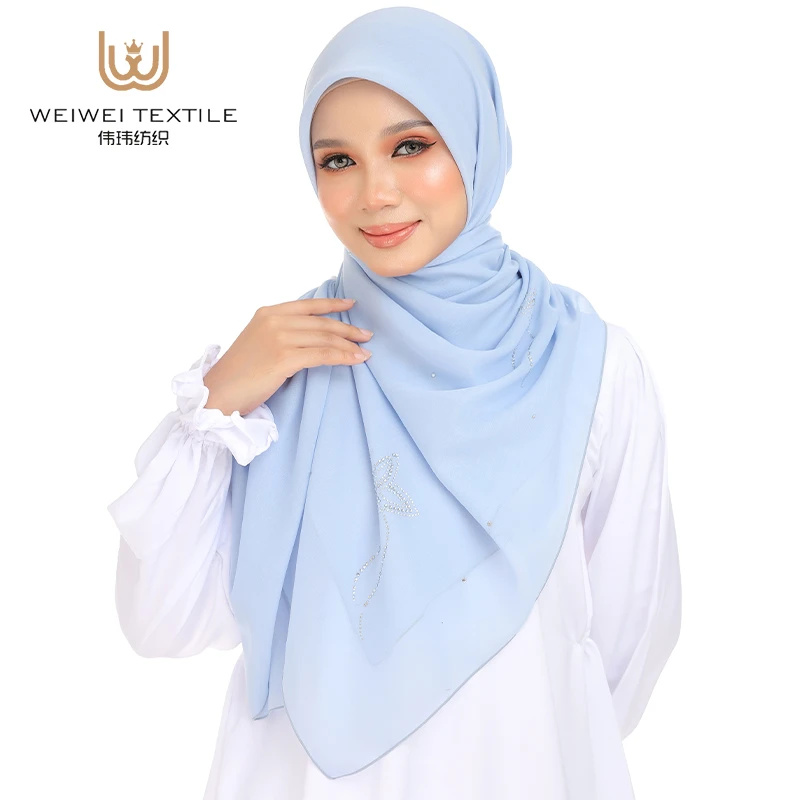
The jersey scarf hijab has become more than just a modest fashion statement—it’s a functional piece that blends comfort, style, and practicality. Globally, as more women seek versatile hijabs suitable for diverse climates and lifestyles, understanding the benefits of jersey fabric in hijabs offers insights into sustainable fashion, cultural expression, and even humanitarian responsiveness. Aside from being popular everyday wear, this material addresses real-world challenges such as breathability in hot climates and ease of washing in areas with limited water access.
Oddly enough, while many think of hijabs simply as religious clothing, the choice of fabric tells a story of innovation and cultural adaptation in a globalized world. From fashion boutiques in Paris to disaster relief camps in the Middle East, the jersey scarf hijab plays a part—and it’s worth unpacking why.
Setting the Scene: A Global Look at the Jersey Scarf Hijab
To appreciate why the jersey scarf hijab is gaining traction internationally, it helps to look at global demographics and fashion trends. According to the United Nations Women’s data, over a billion women identify as Muslim worldwide, many of whom choose to wear hijabs in public.
But here’s the context: rapid urbanization, climate change, and increased access to international markets mean women want hijabs that survive a whole day without fuss. The jersey fabric hijab, known for its stretchability, softness, and breathability, has become a subtle solution to these lifestyle demands.
Still, the fashion industry and humanitarian organizations face challenges. For example, in hot, arid regions, traditional scarves might feel heavy or stifling, while some synthetic fabrics cause skin irritation. The jersey scarf hijab addresses these by offering a lightweight yet modest alternative—helping women maintain comfort in challenging environmental conditions.
What Exactly Is a Jersey Scarf Hijab?
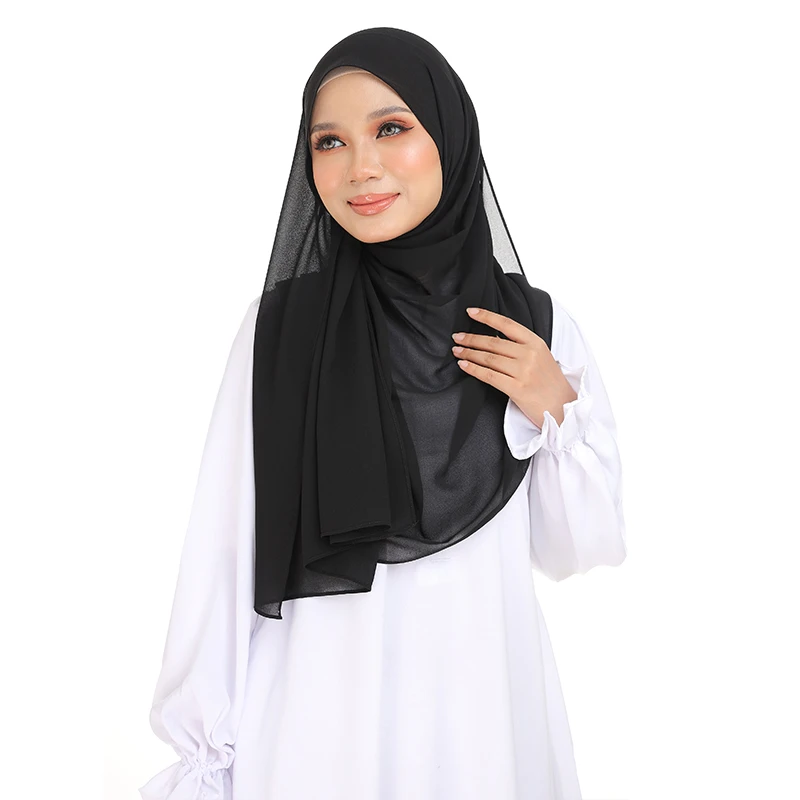
Simply put, a jersey scarf hijab is a headscarf made from jersey fabric—a knit textile often crafted from cotton, polyester, or a blend. The knit structure makes the material stretchy, smooth, and soft on the skin. This contrasts with traditional woven fabrics like chiffon or silk, which may be less forgiving in fit and texture.
In many ways, jersey hijabs speak to the modern wearer’s need for adaptability. Whether you’re rushing through a busy day, attending formal events, or simply exercising, the fabric moves with you without losing shape or coverage.
Core Features That Make Jersey Scarf Hijabs Stand Out
1. Comfort and Stretchability
The inherent elasticity means the scarf stays put without pins or clips—a tiny convenience with a big impact on ease-of-use. Many women say this feature gives freedom from constant adjustment, particularly in windy outdoor settings.
2. Breathability & Moisture Wicking
Jersey’s porous knit lets air circulate, reducing heat buildup. This is crucial in tropical or desert climates and makes the scarf suitable for everything from office wear to fieldwork.
3. Ease of Care
Machine washable and quick-drying fabrics reduce laundering hassle. For women in resource-limited areas or those juggling busy schedules, a scarf that doesn’t require delicate hand washing is a real lifesaver.
4. Durability & Shape Retention
Unlike certain fragile fabrics, jersey resists tearing and doesn’t lose shape after stretches or washes — qualities verified by several textile standards like ISO 105-C06 for colorfastness and elasticity tests.
5. Versatility in Style
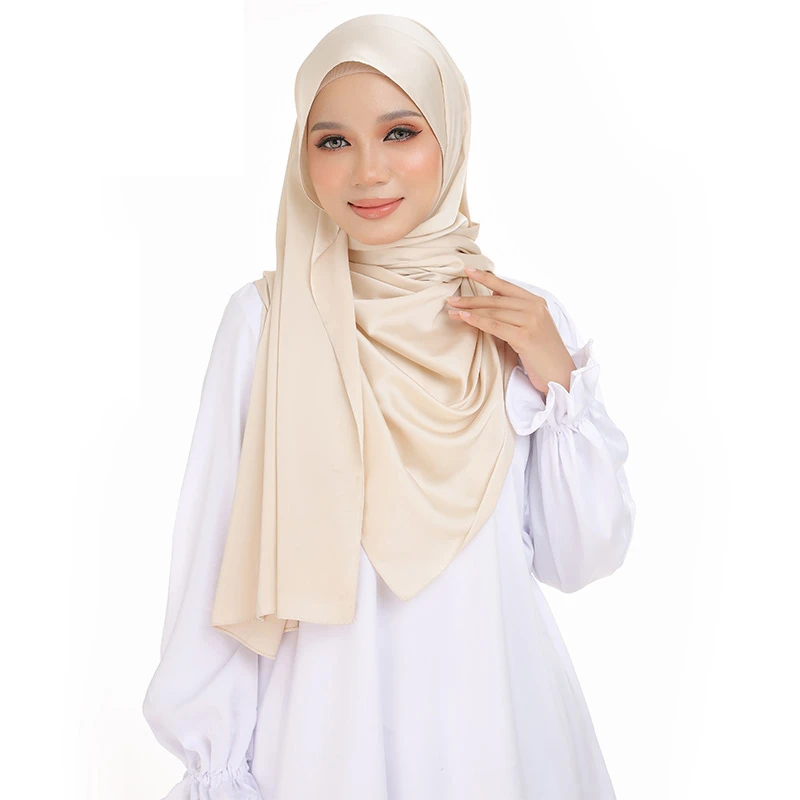
Jersey hijabs come in a range of colors and thicknesses, making them adaptable for both casual and formal occasions. Plus, their simple draping style suits contemporary fashion without compromising modesty.
Real World Uses: Where Jersey Scarf Hijabs Make a Difference
In real terms, the jersey scarf hijab is popular across North Africa, Southeast Asia, the Middle East, and increasingly in Europe and North America. Organizations distributing relief aid, such as the Red Crescent, have adopted jersey hijabs for volunteers working in hot climates because of their comfort and modest protection from dust and sun.
Take for example a community program in Indonesia that distributed hundreds of jersey scarf hijabs to young female students attending outdoor classes during the pandemic. The durable, breathable fabric helped them remain comfortable wearing face masks alongside their hijabs—a small victory in difficult circumstances.
Similarly, in the fashion industry, manufacturers are collaborating with local artisans to produce jersey hijabs, ensuring fair wages and sustainable supply chains—connecting tradition with modern sustainability goals.
Advantages and Long-Term Benefits of Jersey Scarf Hijabs
- Cost Efficiency: These scarves tend to be more affordable than silk or high-end woven alternatives without sacrificing quality.
- Sustainability: Many jersey fabrics now incorporate organic or recycled fibers, helping reduce environmental impact.
- Social Impact: By improving comfort and confidence, the scarf enhances wearer dignity in diverse settings.
- Reliability: The robust fabric lasts longer, making it a smart investment for everyday wear.
Emotionally, it’s not just about the fabric; it’s about feeling secure, trusted, and true to identity—something the jersey scarf hijab does quietly well.
Looking Ahead: Innovation and Trends in Jersey Scarf Hijabs
The future? Expect more integration of smart textiles—think moisture-sensing fibers or UV-protective coatings—that elevate jersey hijabs from simple coverings to multifunctional accessories. Additionally, eco-conscious initiatives are pushing for closed-loop manufacturing where fabric scraps reduce waste, aligning with global circular economy targets.
Digital marketplaces and influencer culture continue to broaden the horizons, enabling independent designers to popularize unique patterns and blends that honor heritage yet embrace modernity.
Challenges and How the Industry Is Adapting
Still, it’s not all smooth sailing. Jersey fabric, often made with synthetic blends, can sometimes raise concerns about microplastic pollution or heat retention in certain weaves. But advances in biodegradable yarns and low-impact dyes are mitigating these hurdles. Some producers adopt certifications like Global Organic Textile Standard (GOTS) to ensure higher environmental and social standards.
Experts also recommend educating consumers about proper care to extend scarf lifespan and reduce overconsumption—a small behavioral nudge with big effects.
Quick FAQ: Your Jersey Scarf Hijab Questions Answered
- What makes jersey scarf hijabs better than traditional woven hijabs?
- Jersey hijabs provide superior stretch, comfort, and breathability, making them easier to wear and style throughout the day without pins or frequent adjustments.
- Can jersey hijabs be worn comfortably in hot climates?
- Yes. Their knit structure allows airflow and moisture wicking, which helps keep the wearer cool and dry even in warm weather.
- Are jersey scarves easy to maintain?
- Absolutely. They are typically machine washable, quick-drying, and resistant to wrinkles, which suits busy lifestyles or areas with limited water access.
- Is the jersey fabric environmentally friendly?
- While traditionally synthetic, many jersey fabrics now incorporate organic or recycled fibers, and producers are moving towards sustainable certifications.
- Where can I find quality jersey scarf hijabs?
- Brands specializing in modest wear or sustainable textiles often carry them. For a curated range, check out jersey scarf hijab selections online.
Product Specification: Sample Jersey Scarf Hijab Features
| Feature | Specification |
|---|---|
| Material Composition | 95% Cotton, 5% Elastane |
| Weight | 150 gsm (grams per square meter) |
| Dimensions | 180 x 75 cm |
| Care Instructions | Machine wash cold, tumble dry low, do not bleach |
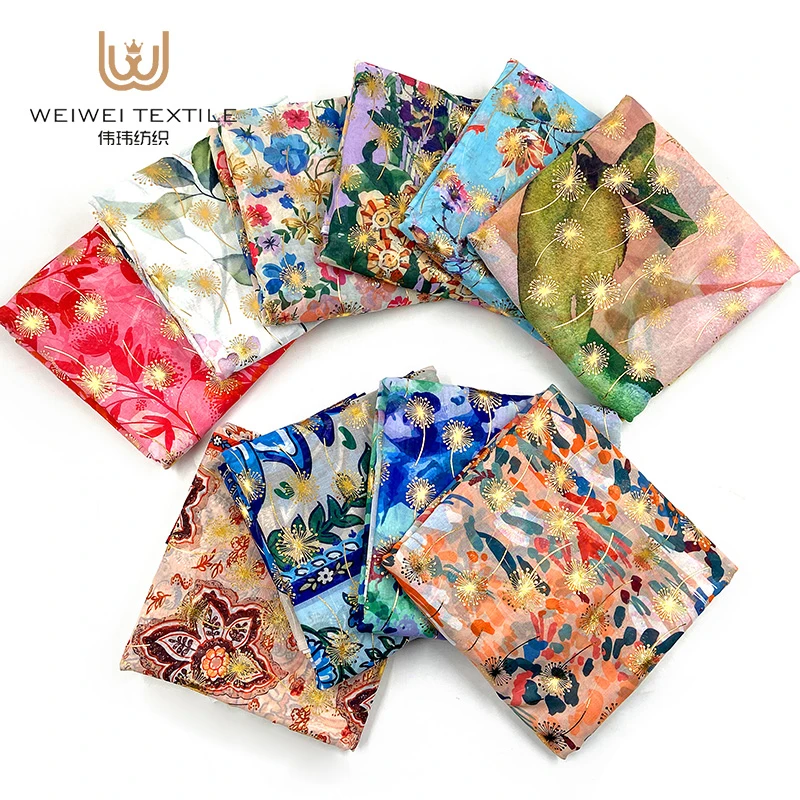
| Color Availability | 20+ solid colors and patterns |
Vendor Comparison: Leading Jersey Scarf Hijab Suppliers
| Brand | Material Type | Price Range (USD) | Sustainability Features | Available Colors |
|---|---|---|---|---|
| WW Scarf | Organic Cotton Jersey Blend | $15 - $25 | GOTS Certified, Low-impact Dyes | 25+ |
| ModestWear Co. | Polyester-Spandex Jersey | $10 - $18 | Recycled Fibers option | 15+ |
| Elegance Hijabs | Cotton Jersey | $20 - $30 | No sustainability claims | 18 |
Final Thoughts: The Jersey Scarf Hijab in Everyday Life
Wrapping up, the jersey scarf hijab offers a perfect blend of comfort, style, and sustainability that resonates across cultures and industries. Whether you’re a fashion enthusiast, an aid worker, or simply someone curious about modest apparel, these scarves represent a subtle yet powerful textile evolution. They show how fabric choices can impact social dignity and environmental care simultaneously.
If you’re ready to explore this versatile accessory, I highly recommend visiting jersey scarf hijab collections online—they’ve got everything from solid basics to artful prints that fit your busy, multifaceted life.
Quick Takeaways:
- Jersey scarves combine stretch and breathability for all-day comfort.
- Sustainability trends are reshaping fabric sourcing and production.
- They provide a practical solution for hot and humid climates.
- Look for eco-friendly certifications to support ethical brands.
References:
-
Xinji Weiwei Textile Factory to Exhibit at the 139th Canton Fair
NewsApr.15,2026
-
Abaya Robe: Tradition, Elegance, and Daily Cultural Expression
NewsApr.15,2026
-
Satin Scarves and Hijabs: A Reflection of Tradition, Elegance, and Daily Practice
NewsApr.15,2026
-
Chiffon Scarf Hijab: A Blend of Tradition, Style, and Everyday Practice
NewsApr.15,2026
-
Exploring Hijab Fashion in Malaysia: Tradition, Style, and Daily Cultural Practice
NewsApr.15,2026
-
The Cultural Significance and Style of Voile Scarves and Shawls in Daily Muslim Wear
NewsApr.15,2026