Your Trusted 24 Hours Service Provider!
Premium Islamic Veils & Custom Hijabs
Discover our range of professional-grade textiles, from breathable voile to luxurious satin, engineered for maximum comfort and style.
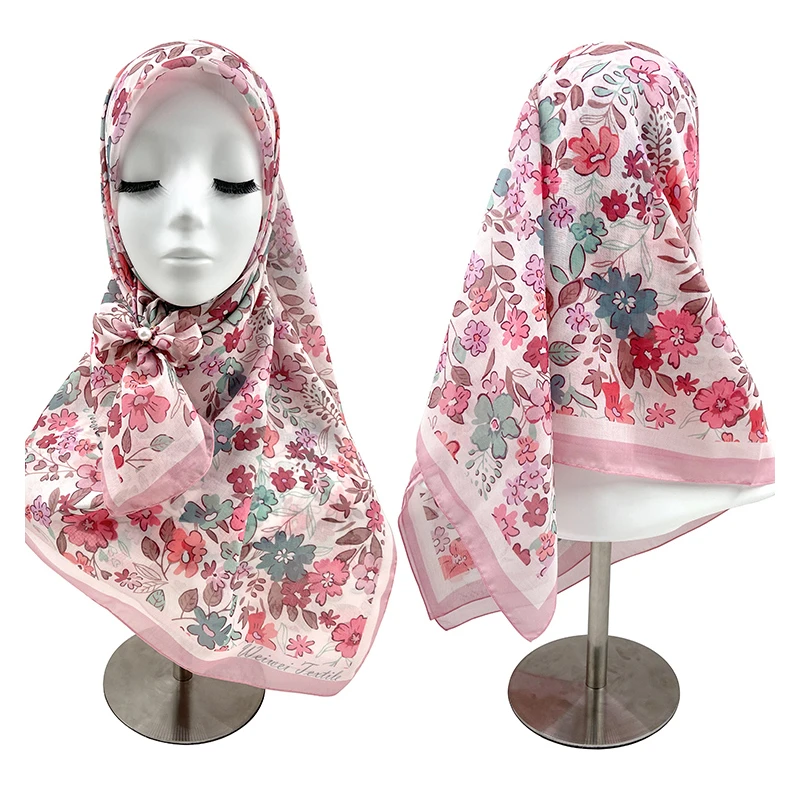
115*115cm Tudung Bawal For Malaysian Women
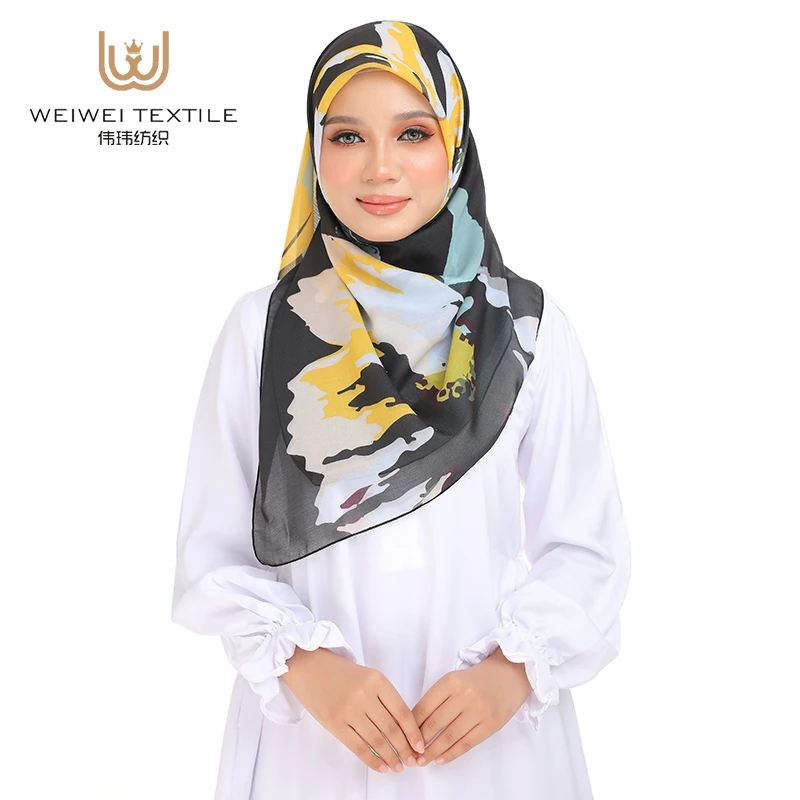
Scarf Weiwei Custom Printed The Newest Designs
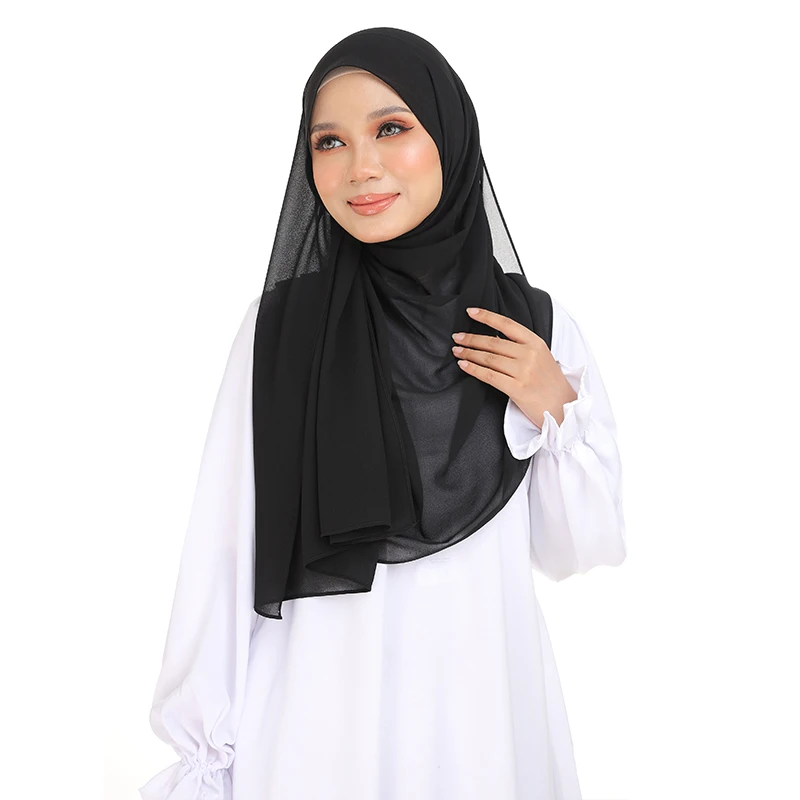
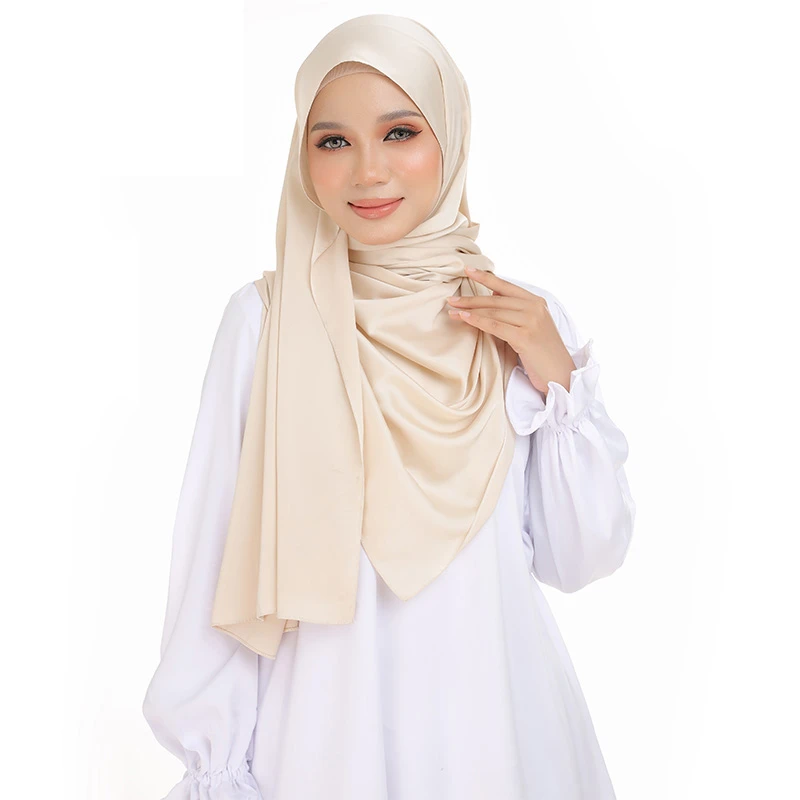
Square Hijab Plain Dyed Chiffon Scarf
Textile Sourcing and Modest Fashion Trends in Myanmar
Analyzing the intersection of cultural requirements and textile availability.
In Myanmar, the demand for modest fashion is driven by a blend of cultural heritage and evolving religious expressions. Retailers and distributors are increasingly seeking fabrics that can withstand the humid tropical climate while maintaining a formal and elegant aesthetic. This creates a significant opportunity for high-breathability materials like voile and chiffon, which are essential for daily wear in the region.
A primary challenge for local businesses is the gap between affordable pricing and consistent quality. Many importers struggle to find manufacturers who can provide affordable silk scarves that maintain a luxury feel without the prohibitive cost. The shift toward "mass-customization" means that buyers are no longer satisfied with generic stock; they require specific colors and patterns that resonate with the local Myanmar palette.
The future of the Myanmar textile market lies in the optimization of the supply chain. By partnering with factories that integrate design, R&D, and production, local distributors can reduce lead times and respond faster to seasonal fashion shifts. There is a growing appetite for customized hijab solutions that cater to different social strata, from high-end luxury events to everyday professional attire.
Evolution of Modest Textile Manufacturing
From traditional weaving to high-capacity automated production lines.
Industry Milestones
Early Stage
Traditional Crafting
Focus on manual weaving and limited color palettes based on local natural dyes and basic textile structures.
Expansion Phase
Industrial Integration
Introduction of printing workshops and specialized processing lines to increase daily output and design variety.
Modern Era
Global Customization
Integration of R&D and design to produce highly customized products like the african scarf and Sudanese Toubs.
Production Trends
- Material Innovation Transitioning toward hybrid fabrics that combine the luxury of silk with the durability of synthetic blends for better wearability.
- Digital Printing Adopting high-precision digital printing to allow for smaller customized batches and more intricate ethnic patterns.
- Supply Chain Agility Reducing time-to-market by integrating direct factory-to-retailer logistics, essential for the competitive Myanmar market.
Strategic Shifts in Global Textile Sourcing
How manufacturing capabilities are evolving to meet diverse regional demands.
Capacity Scaling
The ability to produce 50,000 pieces daily allows brands to scale rapidly from small trials to mass-market dominance without quality loss.
Customized Solutions
Moving beyond standard catalogs to provide bespoke design and fabric selection, ensuring products match specific regional cultural norms.
Quality Control Systems
Implementing rigid inspection protocols across weaving and printing workshops to eliminate defects in high-volume exports.
Diversified Product Mix
Expanding from basic hijabs to include specialized items like african head wraps to capture diverse global markets.
The textile industry is currently witnessing a transition where efficiency is no longer the only metric for success. The ability to integrate a complete production line—from weaving to finished product processing—allows for a level of vertical integration that significantly reduces costs for the end buyer in Myanmar.
Strategic sourcing now emphasizes the "small order customization" model. This allows Myanmar-based boutiques to test new designs without committing to massive inventories, thereby reducing financial risk and accelerating the fashion cycle.
Application Scenarios for Premium Textiles
Tailoring fabric choices to specific cultural and commercial environments.
1
High-End Retail Boutiques
Luxury stores in Yangon requiring premium satin and silk blends for celebratory attire, where the focus is on luster and drape for high-net-worth clients.
2
Daily Modest Wear Distribution
Wholesale distributors focusing on breathable voile hijabs for everyday use, prioritizing comfort and affordability for the general workforce.
3
Cultural Event Planning
Specialized event coordinators sourcing large quantities of coordinated scarves for weddings and religious ceremonies, requiring precise color matching.
4
Ethnic Fashion Fusion
Designers creating fusion wear who utilize african head scarf styles to introduce global artistic prints into local Myanmar fashion.
5
Corporate Uniform Integration
Companies seeking standardized, professional hijab options for staff in the hospitality or healthcare sectors, requiring durable and easy-to-maintain fabrics.
Brand Story
The global growth journey of Xinji Weiwei Textile Factory
2004
Founding & Infrastructure
Established in Shijiazhuang city, Hebei province, laying the foundation with a 10,000 square meter facility.
Development Phase
Production Line Integration
Developed complete production chains including weaving, printing, and finished product processing workshops.
Growth Stage
Product Diversification
Expanded core offerings to include a wide array of hijabs in voile, chiffon, and satin, targeting global markets.
Global Reach
Exhibition Success
Established international presence through multiple successful appearances at the Canton Fair (132nd to 135th).
Current Status
Top Manufacturer Status
Now a leading manufacturer integrating design, R&D, and sales with a daily capacity of 50,000 pieces.
Customizable Textile Solutions for Wholesale
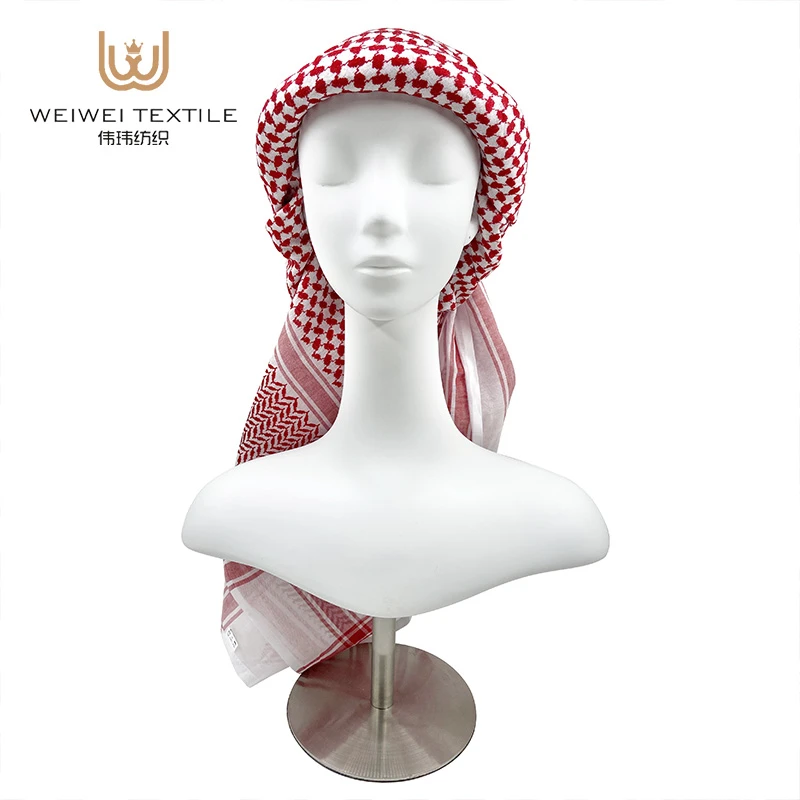
Explore our specialized production capabilities for Sudanese Toubs, custom hijabs, and international head wraps.

Manufacturing & Sourcing FAQ
Professional answers to common procurement and technical questions.
What fabric specifications are available for custom abaya scarves?
We offer a comprehensive range of textiles including high-grade voile, flowing chiffon, and lustrous satin. Each fabric is selected for its durability and feel, ensuring it meets the specific modesty and comfort requirements of the wearer.
Can you handle small customized orders for local Myanmar boutiques?
Yes, our factory is designed to be flexible. We accept small customized orders to help boutique owners test new designs, while maintaining the capacity for large-scale mass production for established brands.
How do you ensure quality consistency across 50,000 pieces daily?
Our facility employs a perfect quality control system that spans every stage of production—from the weaving workshop through the printing and final processing phases—to ensure every piece meets international standards.
Do you produce specialized items like african head wraps?
Yes, we specialize in diverse modest wear, including African head wraps and scarves, as well as Sudanese Toubs, utilizing our advanced printing workshops to achieve authentic cultural patterns.
What is the lead time for mass production of customized hijabs?
Lead times vary based on design complexity and order volume. However, our integrated production line allows us to move rapidly from R&D to delivery, ensuring efficient turnaround for our global partners.
How does partnering with a direct manufacturer improve ROI for retailers?
By removing intermediaries, retailers reduce procurement costs and gain direct control over customization. This results in higher margins and the ability to offer more competitive pricing to the end consumer in Myanmar.
Scale Your Modest Fashion Brand in Myanmar
Partner with a manufacturer that combines massive production capacity with precision customization to deliver unmatched value to your customers.
Request Custom Quote