Sep . 14, 2026 09:56 Back to list
Abaya Muslim Dress: A Timeless Choice for Modesty, Culture and Everyday Wear
For many Muslim women, clothing is more than a matter of appearance. It can reflect personal values, cultural traditions, religious practice, comfort, and individual style. The abaya is one of the most recognizable garments associated with modest Muslim dress. Traditionally designed as a loose, full-length outer garment, the abaya is commonly worn with a head covering such as a hijab. Its styles, colors, fabrics, and details have developed considerably across different regions and communities.
Today, the abaya muslim dress has become both a traditional garment and a modern fashion choice. While classic designs are often simple and flowing, contemporary abayas may feature different colors, fabrics, embroidery, pleats, cuffs, open-front designs, and coordinated accessories. This combination of modesty and fashion makes the abaya suitable for everyday activities, social occasions, travel, religious gatherings, and other settings.
It is also important to recognize that Muslim women do not all dress in exactly the same way. The way an abaya or hijab is worn can vary according to country, culture, family tradition, personal preference, and individual religious practice. An abaya may be an important part of daily dress for some women, while others may choose different forms of modest clothing. This diversity is an essential part of understanding modern Muslim fashion.

Understanding the Role of the Muslim Abaya in Modest Dress
A muslim abaya is generally a long, loose-fitting garment worn over other clothing. Its flowing silhouette provides substantial body coverage while allowing the wearer to move comfortably. In many communities, the abaya is worn outside the home as an outer layer, while a hijab or another head covering may be used separately to cover the hair and neck.
The combination of an abaya and head covering is particularly meaningful for women who choose modest dress as part of their cultural or religious practice. For these women, clothing can provide a way to express identity and personal values while remaining practical for everyday life. Research on Muslim women has also explored how hijab and modest clothing can function as expressions of religious identity and personal choice.
Traditional abayas are strongly associated with the Arabian Peninsula and Gulf region, where black has historically been a common color. However, modern abaya fashion is much more diverse. Depending on the market and designer, women can find abayas in black, navy, beige, brown, gray, olive, pastel shades, and other colors. Some styles remain deliberately simple, while others incorporate decorative stitching, textured fabrics, lace details, or subtle embellishments.
The loose construction is one of the defining characteristics of an abaya. Rather than closely following the body, a well-designed abaya creates a relaxed silhouette. This makes it suitable for women who prefer modest, flowing clothing without giving up an elegant appearance.
For daily wear, fabric selection is also important. Lightweight fabrics can be useful in warm climates, while heavier or layered materials may be more suitable for cooler seasons. Breathability, opacity, drape, durability, and ease of care can all influence the choice of an abaya.
Hijab Abaya Styles for Everyday Muslim Women
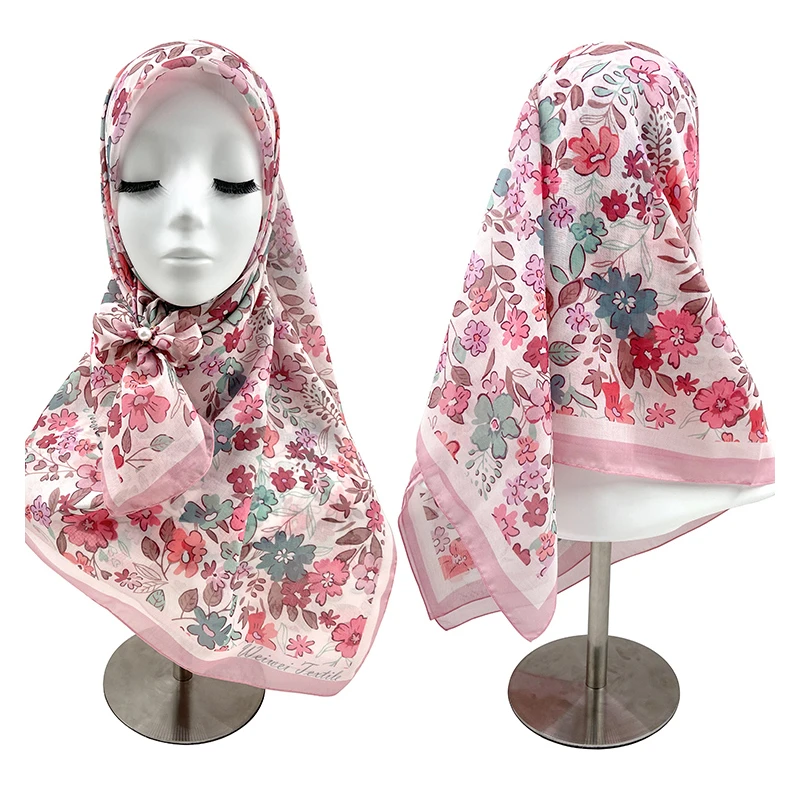
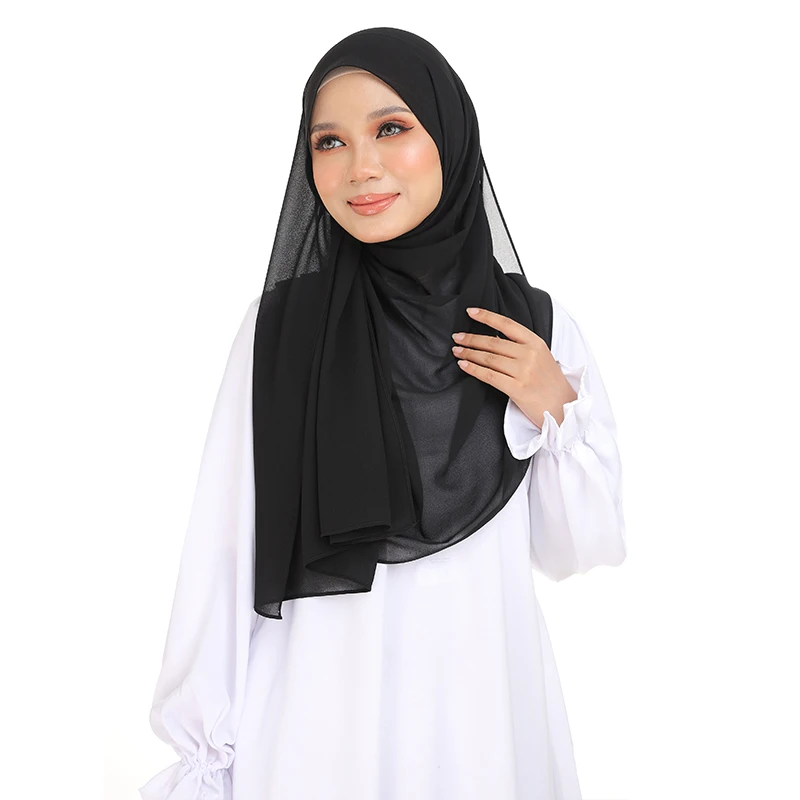
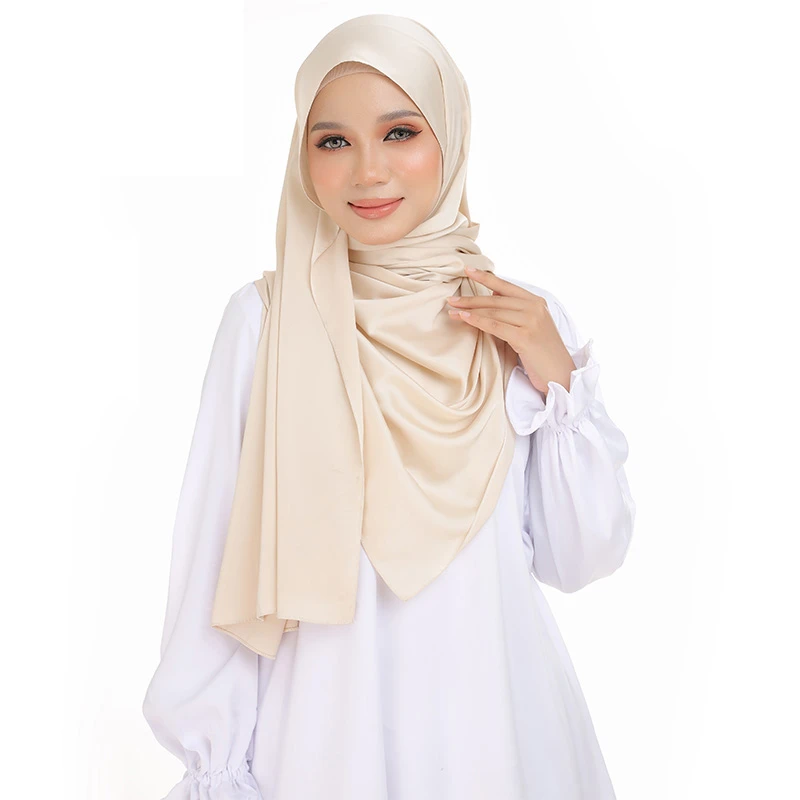
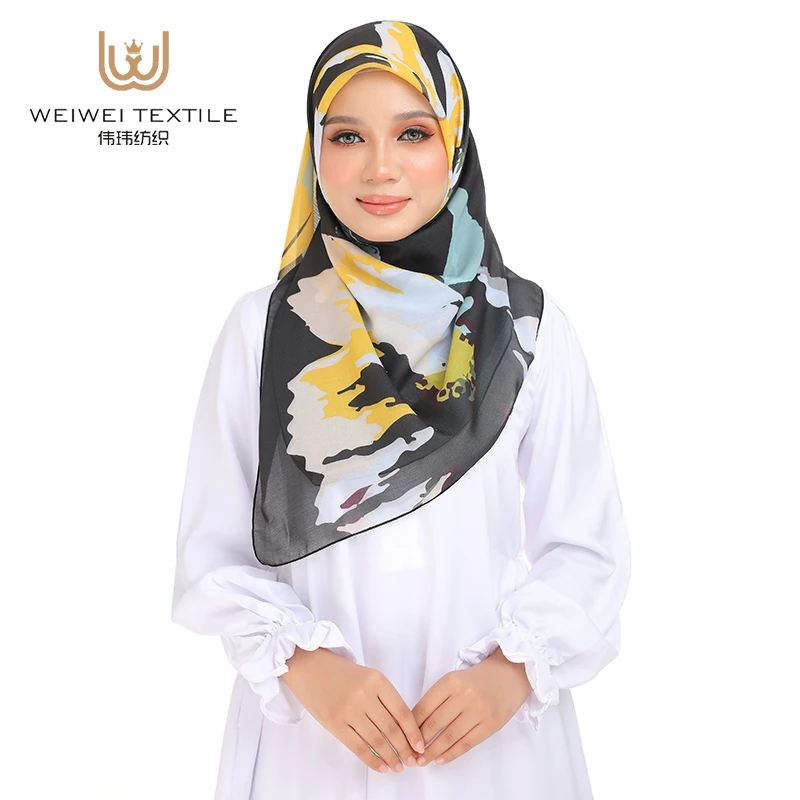
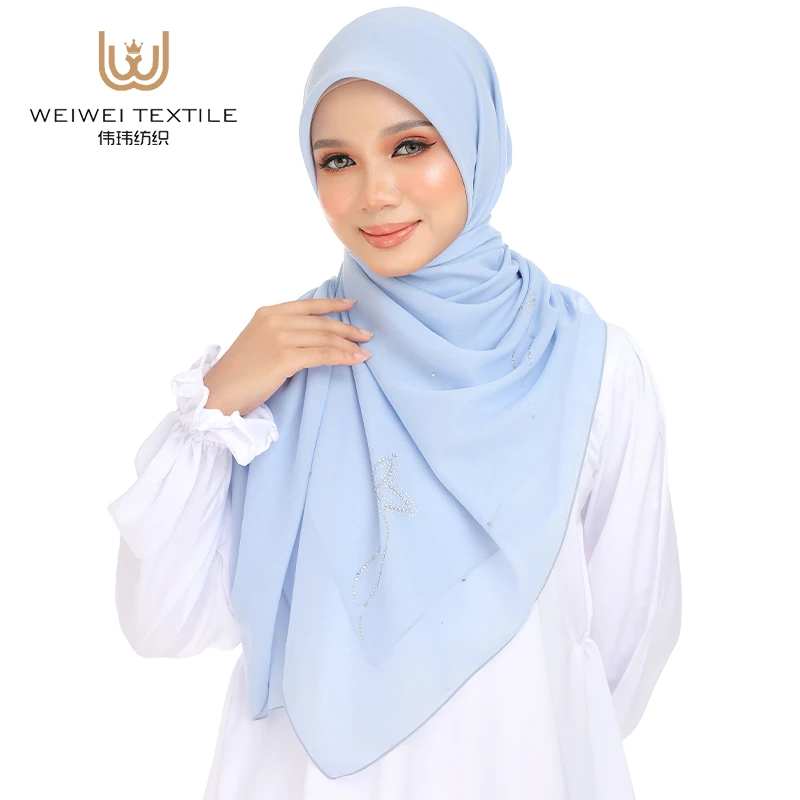
The relationship between a hijab and an abaya is one of the most recognizable combinations in modest fashion. A hijab abaya outfit generally combines a full-length abaya with a headscarf, creating a coordinated look that can provide extensive coverage while allowing considerable flexibility in styling. The headscarf itself can be wrapped in different ways depending on personal preference and local custom.
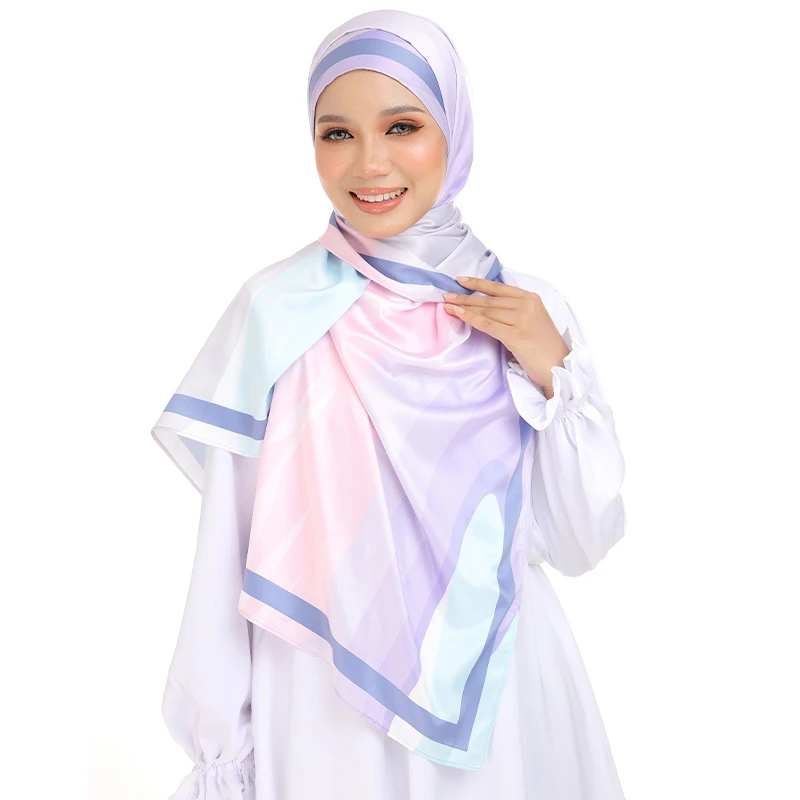
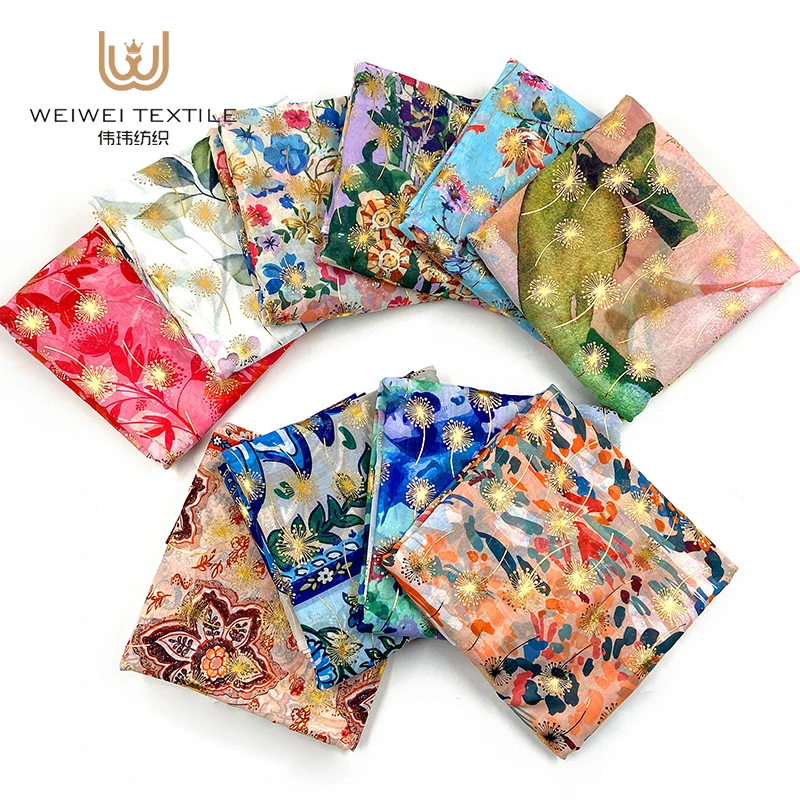
An abaya dress with hijab can be especially practical for everyday activities. A coordinated outfit can reduce the time needed to choose matching clothing, while a simple abaya can be dressed up or down with different hijab colors and accessories. For example, a black abaya can be paired with neutral, pastel, or patterned hijabs, creating different looks without changing the main garment.
Modern abaya muslim styles can also include open-front abayas worn over an inner dress, closed abayas designed as one-piece garments, kimono-inspired silhouettes, belted styles, and loose A-line designs. These variations allow women to select an outfit according to the occasion and their preferred level of coverage.
For working environments, a simple abaya in a neutral color can create a polished appearance. For casual daily activities, lightweight materials and relaxed silhouettes may offer greater comfort. For celebrations or special gatherings, embroidered or embellished designs can provide a more formal appearance while maintaining the flowing character of the garment.
Color coordination is another important part of abaya fashion. A monochromatic combination creates a classic appearance, while contrasting colors can make the outfit more expressive. For instance, a beige abaya with a darker hijab can create a refined look, while a black abaya with a soft-colored hijab offers a more contemporary appearance.
The versatility of the abaya is one reason it continues to be relevant in modern modest fashion. Rather than being limited to one particular design, it can adapt to different climates, occasions, generations, and personal styles.
Choosing an Abaya Dress for Daily Wear and Prayer
When selecting an abaya dress muslim women can consider several practical factors, including coverage, fabric, fit, comfort, maintenance, and styling requirements. Since an abaya may be worn for extended periods, comfort is particularly important. A loose silhouette, smooth fabric, appropriate sleeve design, and sufficient length can make daily movement easier.
For women who prefer to coordinate their clothing with a headscarf, it is useful to consider the relationship between the abaya and hijab colors. Some manufacturers offer matching sets, while others provide individual pieces that allow customers to create their own combinations.
An abaya prayer dress is another style designed around modest coverage. Prayer clothing can be designed as a loose, easy-to-wear garment that provides the coverage required by the wearer's personal religious practice. Some prayer abayas are lightweight and simple, making them convenient to keep at home or carry while traveling. Depending on personal practice and local custom, women may also use other modest garments for prayer.
When choosing an abaya for prayer or everyday wear, fabric opacity is worth considering. A material that is too transparent may not provide the desired level of coverage, especially under bright lighting. Similarly, fabrics that are excessively heavy may become uncomfortable in warm weather. A balance between coverage, breathability, softness, and drape can therefore make a significant difference.
Modern abaya muslim dress designs demonstrate how traditional clothing can continue to evolve. Contemporary designers increasingly combine classic flowing silhouettes with modern tailoring, new fabrics, subtle decoration, and different color palettes. This allows the abaya to remain connected to its cultural and religious roots while responding to the practical needs and aesthetic preferences of today's consumers.
For many women, the appeal of an abaya lies precisely in this balance. It can be modest without being restrictive, elegant without being overly elaborate, and traditional without looking outdated. Whether worn as everyday outerwear, coordinated with a hijab, or selected specifically for prayer and religious occasions, the abaya offers a versatile foundation for modest dressing.
Ultimately, the abaya dress with hijab represents more than a fashion combination. For many Muslim women, it can be part of a daily tradition connected with modesty, cultural identity, faith, and personal choice. At the same time, modern abaya fashion gives women more opportunities to select colors, materials, cuts, and details that suit their individual lifestyles. As modest fashion continues to develop around the world, the abaya remains a distinctive garment that connects tradition with contemporary design.
-
Weiwei Textile Factory's 25th Anniversary!🔥
NewsAug.05,2027
-
Xinji Weiwei Textile Factory to Exhibit at the 139th Canton Fair
NewsApr.15,2026
-
How to Choose Satin and Silk Scarves for Muslim Women's Everyday Wear
NewsSep.24,2026
-
A Guide to Abaya Muslim Clothing and Modest Everyday Dressing
NewsSep.24,2026
-
How to Choose Satin and Silk Scarves for Everyday Muslim Head Covering
NewsSep.24,2026
-
How to Choose the Right Chiffon Hijab for Everyday and Special Occasions
NewsSep.24,2026