Sep . 24, 2026 15:08 Back to list
A Practical Guide to Hijab Styles and Everyday Muslim Head Covering in Malaysia
The hijab is an important part of everyday clothing for many Muslim women around the world. In Malaysia, head coverings can be seen in many different styles, fabrics, colors, and wrapping methods. While personal choices vary from one woman to another, hijab and other forms of modest headwear are commonly incorporated into daily life, work, education, family activities, and special occasions.
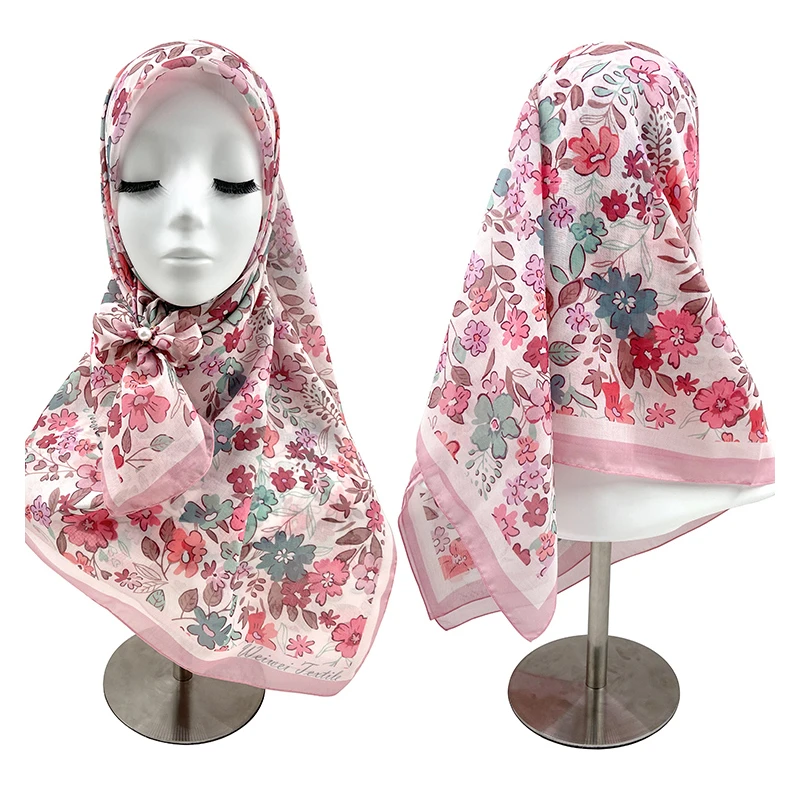
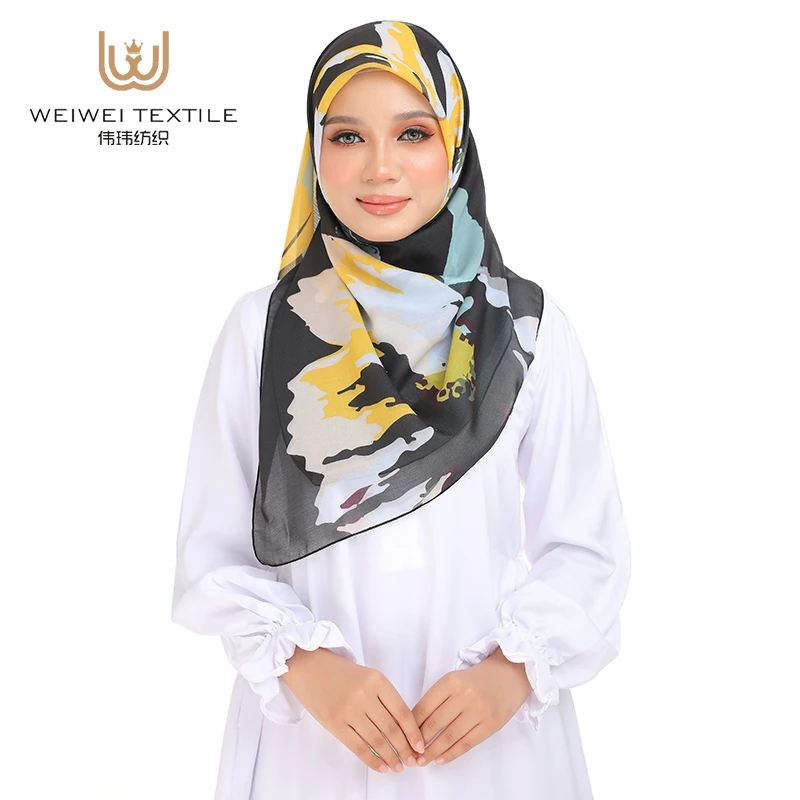
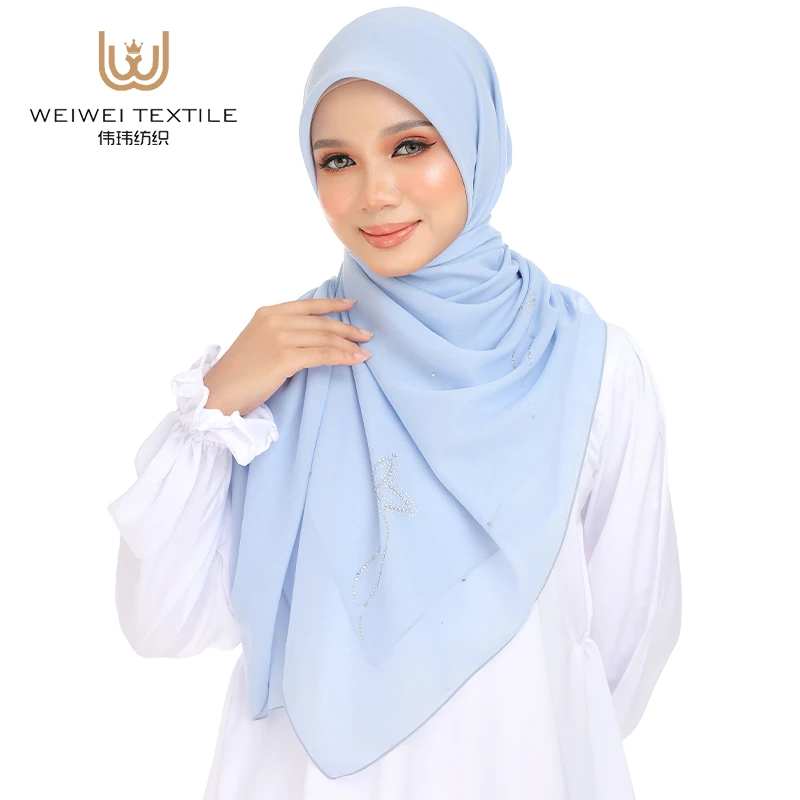
Malaysia has a diverse Muslim community, and local preferences have contributed to a wide range of hijab styles. Some women prefer a simple square scarf that can be wrapped in several ways, while others choose an instant hijab for convenience. Khimar styles provide more coverage, and pashmina scarves offer flexibility for women who enjoy creating different looks.
Understanding these different styles is useful for consumers who are looking for comfortable everyday head coverings, as well as manufacturers and suppliers developing products for the Malaysian Muslim market. The right fabric, size, shape, and design can make a significant difference in comfort and ease of wear.

Understanding Malaysia Hijab Styles and Everyday Head Coverings
The term malaysia hijab can refer to a wide variety of headscarf styles worn by Muslim women in Malaysia. There is no single design that represents every wearer. Personal preference, regional culture, age, occasion, clothing style, and desired level of coverage can all influence the choice of hijab.
For everyday use, comfort is often an important consideration. A hijab may be worn for several hours during work, school, shopping, commuting, or social activities. Lightweight and breathable fabrics can therefore be attractive choices, particularly in Malaysia's warm and humid climate. Fabrics that are easy to arrange and maintain can also be practical for busy lifestyles.
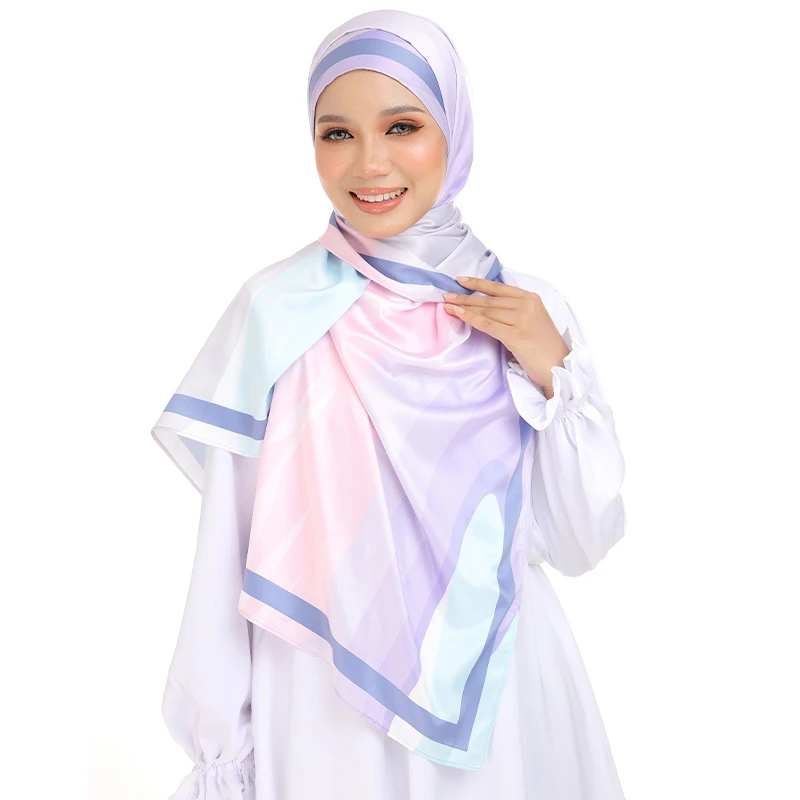
The shape of a scarf can influence how it is worn. Square hijabs are traditionally versatile because they can be folded and arranged into different shapes. Rectangular scarves, including pashmina styles, offer another option for women who prefer longer drapes and more flexibility when wrapping the fabric.
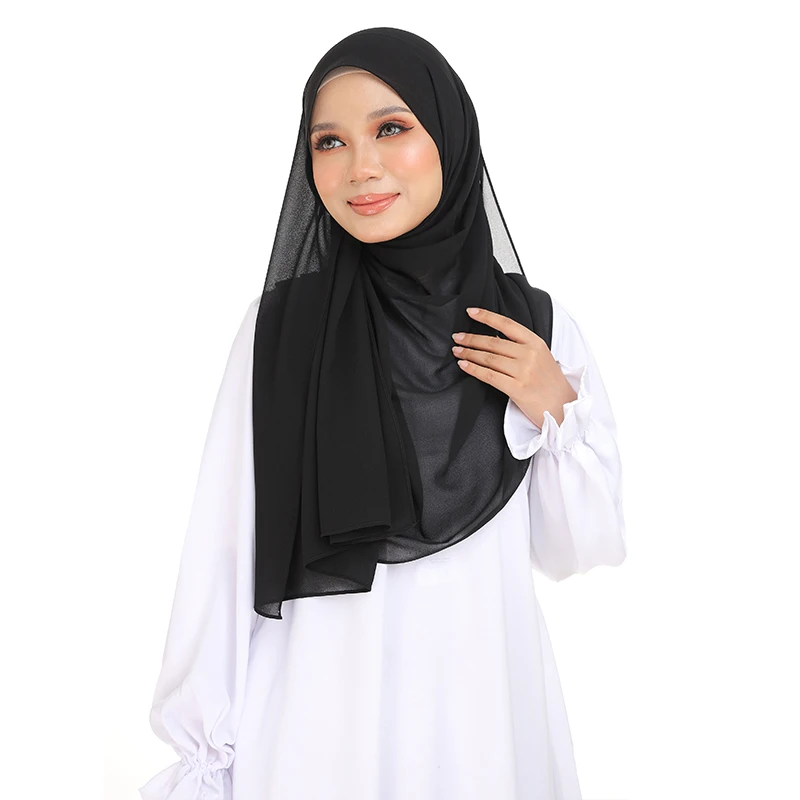
For consumers who want a faster dressing routine, an instant hijab Malaysia style can be particularly convenient. Instant hijabs are generally designed to be worn with minimal adjustment. Depending on the construction, the wearer may simply place the head covering over the head and arrange the front or side sections. This makes the style suitable for daily activities when simplicity and time-saving are important.
Khimar is another form of modest head covering. A khimar Malaysia style may feature a longer and more flowing design that covers the head, neck, shoulders, and sometimes extends further down the body. Different khimar designs can vary considerably in length, fabric, shape, and finishing details.
For product developers serving Muslim consumers, these differences are important. A product should be designed according to the intended use rather than assuming that all customers want the same type of head covering. Offering different lengths, fabrics, colors, and construction methods can provide consumers with more personal choices.
Hijab Wearing Practices in Penang and Pashmina Styling
Local culture can also influence how Muslim women choose and wear their head coverings. Discussions about about hijab Penang may include the everyday experiences, clothing preferences, and local cultural environment surrounding hijab use in Penang. As one of Malaysia's diverse regions, Penang has its own mix of communities, lifestyles, and fashion influences.
For many women, wearing a hijab is not simply about creating a particular fashion appearance. It can be connected with personal values, modesty, family traditions, religious practice, and cultural identity. At the same time, individual approaches differ, and women may select different styles depending on their personal circumstances.
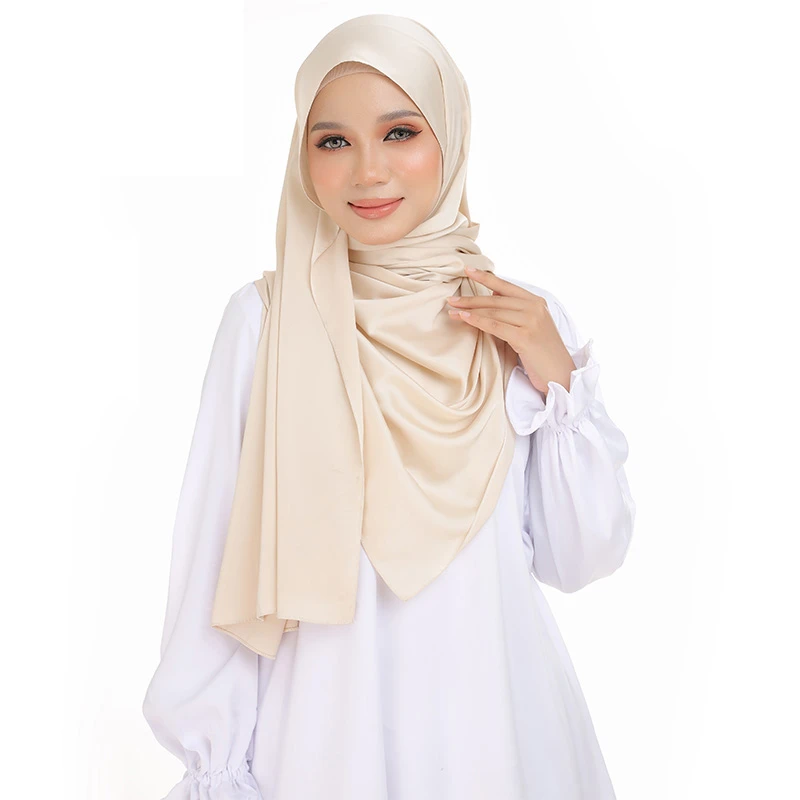
Pashmina scarves have become a flexible option for people who enjoy experimenting with different wrapping methods. The longer rectangular shape allows the scarf to be draped around the neck and shoulders in various ways. Depending on the desired appearance and coverage, the ends can be arranged evenly, asymmetrically, or layered around the head.
The phrase cara memakai pashmina malay is associated with guidance on how to wear pashmina in a Malay or Malaysian context. Tutorials commonly demonstrate basic steps such as positioning the scarf, securing it around the face, arranging the fabric, and creating balanced or layered drapes.
Similarly, cara pakai hijab pashmina Malaysia reflects interest in practical methods for styling a pashmina hijab. Beginners may start with a simple wrapping method before exploring more elaborate styles. The exact method can be adjusted according to face framing, desired coverage, clothing, and personal comfort.
A practical pashmina design should allow the wearer to arrange the fabric without excessive slipping or repeated adjustment. Fabric texture therefore matters. Materials with an appropriate balance between softness and grip can make wrapping easier. Lightweight fabrics can provide comfortable draping, while slightly more structured materials may help maintain a defined shape.
For manufacturers and suppliers, product photography and instructions can also help consumers understand how a scarf is intended to be worn. Clear demonstrations can show the dimensions, fabric behavior, coverage, and styling possibilities without suggesting that there is only one correct way to wear the product.
Choosing Cadar, Hijab, and Other Modest Headwear for Daily Use
Another term consumers may encounter is cadar Malaysia. Cadar generally refers to a form of face veil or covering that provides a different level of coverage from a conventional hijab. Because terminology and wearing practices can vary by community and individual, product descriptions should clearly explain the construction and intended coverage of each item.
For everyday hijab products, fabric selection is one of the most important factors. Malaysia's tropical climate makes breathability and moisture management relevant considerations. A scarf that feels comfortable in warm weather may be more suitable for daily commuting, shopping, outdoor activities, and long working hours.
Softness is also important because the fabric remains in contact with the head, neck, and face for extended periods. A smooth and comfortable material can help create a better wearing experience. At the same time, durability matters for consumers who wash and reuse their scarves frequently.
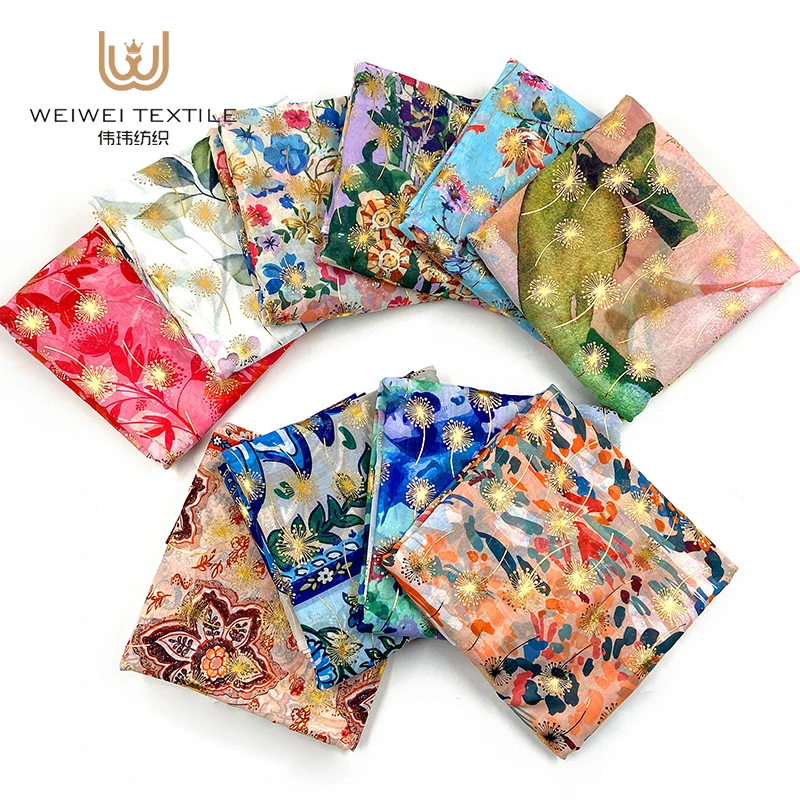
Color is another major consideration. Neutral colors such as black, beige, white, gray, and brown can coordinate with many outfits, while pastel and vibrant shades allow consumers to express their individual preferences. Some buyers may also prefer floral patterns, geometric designs, embroidery, prints, or minimalist solid colors.
Size should be selected according to the intended style. A smaller scarf may be convenient for simple everyday wrapping, while a larger rectangular scarf can provide greater flexibility for layered styling. Longer designs may be preferred by consumers who want additional draping around the shoulders.
Ease of care is particularly valuable for daily-use products. Machine-washable or easy-care fabrics can reduce maintenance requirements, while colorfast materials can help preserve the appearance of the scarf after repeated washing. Manufacturers should provide accurate care instructions so customers can understand how to clean and store their products properly.
For businesses supplying Muslim clothing and accessories in Malaysia, offering a diverse product range can help serve different consumer preferences. Everyday hijabs, instant styles, pashmina scarves, khimar designs, and other modest head coverings can each address different requirements.
Ultimately, hijab is a personal and cultural form of dress, and there is no universal style that suits every Muslim woman. Some consumers prioritize simplicity, while others prefer creative styling. Some look for lightweight fabrics suitable for Malaysia's climate, while others prioritize coverage, texture, color, or design.
By understanding the diversity of Malaysian Muslim consumers and providing thoughtfully designed products, scarf manufacturers and suppliers can develop collections that combine comfort, practicality, modesty, and personal expression. Whether choosing a traditional scarf, an instant design, a pashmina, or a longer khimar, the most suitable product is one that fits the wearer's individual preferences and everyday needs.
-
Weiwei Textile Factory's 25th Anniversary!🔥
NewsAug.05,2027
-
Xinji Weiwei Textile Factory to Exhibit at the 139th Canton Fair
NewsApr.15,2026
-
How to Choose Satin and Silk Scarves for Muslim Women's Everyday Wear
NewsSep.24,2026
-
A Guide to Abaya Muslim Clothing and Modest Everyday Dressing
NewsSep.24,2026
-
How to Choose Satin and Silk Scarves for Everyday Muslim Head Covering
NewsSep.24,2026
-
How to Choose the Right Chiffon Hijab for Everyday and Special Occasions
NewsSep.24,2026