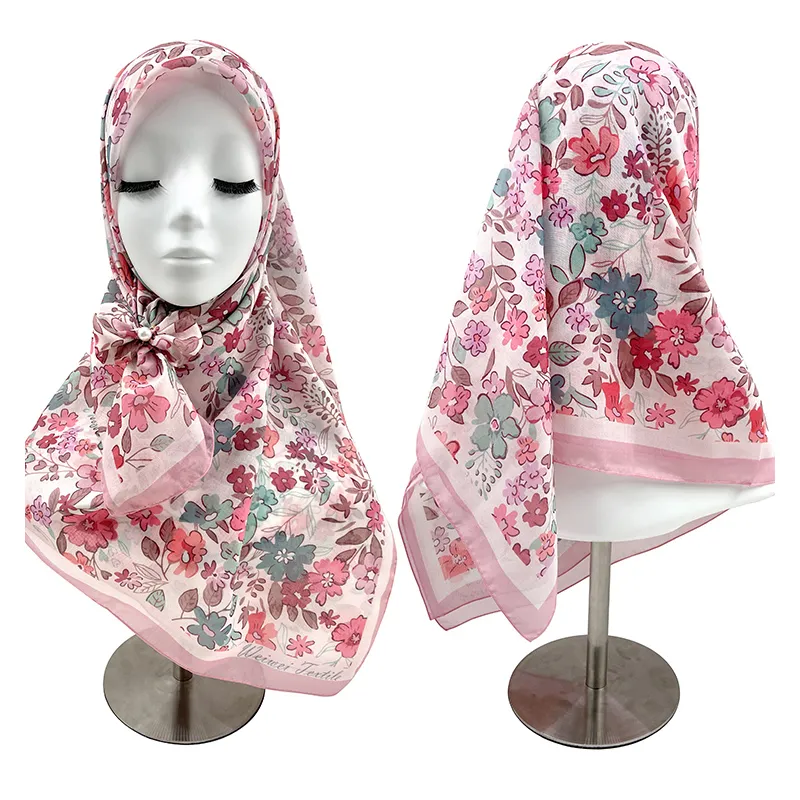
High Quality Custom Printing Scarf and Shemagh Manufacturing
Sourcing high-quality headwear for regional markets requires a delicate balance between cultural authenticity and manufacturing precision. For wholesalers and retailers focusing on the Middle Eastern and African fashion sectors, the ability to secure tailored textile solutions is paramount. Whether it is the intricate jacquard patterns of a traditional Shemagh or the lightweight elegance of a chiffon hijab, the technical execution of the fabric determines the product's marketability.
This guide examines the critical specifications of professional headscarf production, focusing on material compatibility and customization options. By understanding the relationship between weaving methods and final application, procurement managers can better evaluate supplier capabilities to ensure that every piece meets the rigorous standards of professionalism and identity required by their clientele.

Understanding Shemagh Weaving and Material Composition
The Shemagh, often referred to as a Yashmagh, is defined by its specific single-side jacquard weaving method. Unlike simple printed fabrics, jacquard production utilizes advanced looms to integrate the pattern directly into the weave, providing a tactile depth and durability that is essential for daily wear in harsh environments. This structural integrity ensures that the traditional motifs remain crisp over time.
Material selection plays a pivotal role in the scarf's functionality. Depending on the target season and regional climate, manufacturers utilize various yarn blends:
- 100% Cotton: Preferred for maximum breathability and skin comfort in hot, arid climates.
- Polyester-Cotton Blends: Offers a balance of softness and wrinkle resistance, making them ideal for commercial retail.
- Pure Polyester: High durability and vibrant color retention, often used for more affordable market segments.
- Blended Wool: Specifically engineered for winter applications to provide thermal insulation.
The technical versatility of these materials allows for a wide range of adult sizes, typically spanning from 52 to 62 inches, ensuring a personalized fit for different cultural draping styles.

Custom Branding and Identity Integration for B2B Buyers
For corporate clients and wholesalers, a headscarf is more than a garment; it is a vehicle for brand identity. Integrating professional branding requires a combination of precise embroidery and high-fidelity textile printing. Custom logos added to Arabic men's scarves enhance the perceived value and professionalism of the product, allowing retailers to differentiate their offerings in a crowded marketplace.
The process of customization extends beyond simple logo placement. Professional OEM services allow for full control over:
- Pattern Modification: Adjusting traditional jacquard designs to align with modern fashion trends or specific event themes.
- Color Palette Selection: Utilizing a diverse range of dyes to match specific cultural preferences or corporate branding guidelines.
- Fabric Weight: Selecting the GSM (grams per square meter) based on whether the product is intended for summer voile lightness or winter wool warmth.
By utilizing a complete production line—including weaving, printing, and finished product processing—manufacturers can ensure that the brand's vision is maintained from the raw yarn to the final packaged item.
Optimizing Procurement for Global Textile Distribution
Efficient procurement in the textile industry relies on the supplier's ability to scale production without compromising quality. For retailers, the ability to order small customized batches for market testing, while having the capacity for mass production for peak seasons, is a significant operational advantage. This flexibility reduces inventory risk and allows for faster response to fashion trends.
When evaluating a manufacturing partner, buyers should prioritize those with a "complete production line" architecture. This means the factory owns its weaving and printing workshops, reducing the reliance on third-party contractors and minimizing the risk of quality variance. A robust quality control system is essential to ensure that the 140x140cm dimensions and pattern alignment are consistent across thousands of units.
Logistics also dictate the bottom line. The availability of multiple international shipping methods—such as DHL, FedEx, and UPS—ensures that sample orders reach the buyer within a tight lead time, typically around 7 days, facilitating a rapid prototyping phase before committing to bulk orders of 300 pieces or more.
Technical Specifications and Application Matrix
| Material Type | Typical Application | Durability Level | Breathability |
|---|---|---|---|
| Pure Polyester | Budget-friendly Retail | High | Medium |
| Polyester-Cotton | General Commercial Use | Medium-High | High |
| 100% Cotton | Premium Traditional Wear | Medium | Very High |
| Blended Wool | Winter/Cold Climate | High | Low-Medium |
| Chiffon/Satin | Women's Luxury Hijab | Medium | High |
Quality Control in Mass Textile Production
Maintaining consistency in a facility with a daily production capacity of 50,000 pieces requires a systemic approach to quality assurance. In the context of a custom printing scarf, the primary challenges are color migration and pattern misalignment. Advanced production processing equipment is used to lock in dyes and ensure that jacquard patterns are perfectly symmetrical across the fabric width.
The quality control process typically involves several critical checkpoints:
- Yarn Inspection: Ensuring the raw polyester or cotton is free of impurities that could cause weaving defects.
- Loom Calibration: Regular tuning of the improved looms used for single-side jacquard to maintain the precision of the Shemagh pattern.
- Final Finishing Review: Checking the edges and hems of the 140x140cm cuts to ensure clean finishing and no fraying.
For B2B buyers, this level of rigor ensures that the products received in a bulk shipment are identical to the approved sample, protecting the retailer's reputation with the end consumer.
Strategic Trends in Global Headwear Sourcing
The global market for headscarves is shifting toward highly personalized and culturally nuanced products. There is a growing demand for "hybrid" fabrics that combine the luxury feel of satin with the breathability of voile. This trend requires manufacturers to invest in R&D to create new fabric blends that meet modern aesthetic demands while respecting traditional usage.
Furthermore, the integration of digital design allows for a faster transition from concept to product. By collaborating with designers who understand global fashion trends, factories can now produce limited-edition patterns that resonate with younger demographics in the Middle East and Africa. This shift from mass-standardization to mass-customization is the new benchmark for industry leaders.
Procurement managers are now looking beyond price, focusing instead on the "total value" provided by the supplier, including design support, OEM flexibility, and the ability to handle diverse fabric types like chiffon and satin silk under one roof.
Common Procurement Questions for Textile Sourcing
What is the difference between a printed scarf and a jacquard Shemagh?
A printed scarf has the design applied to the surface of the fabric using ink. In contrast, a jacquard Shemagh uses a specialized weaving method where the pattern is woven directly into the fabric structure, resulting in a more durable, textured, and premium product.
Can I request a sample before committing to a bulk order?
Yes, professional manufacturers typically provide free samples for reference to ensure the fabric quality, color, and pattern meet your specific requirements before the mass production phase begins.
What are the typical size options for adult headscarves?
Adult sizes are generally categorized into 52, 55, 58, 60, and 62 inches, allowing buyers to select the size that best fits the regional draping preferences of their target market.
What customization services are available for B2B clients?
Available OEM services include custom size adjustments, style modifications, logo design, and professional embroidery to incorporate corporate branding into the fabric.
Which shipping methods are recommended for fast delivery of samples?
For rapid delivery, international couriers such as UPS, DHL, EMS, FEDEX, and TNT are recommended, typically ensuring sample delivery within approximately 7 days.
What fabrics are most suitable for women's hijabs?
Depending on the desired look and feel, cotton voile is excellent for breathability, chiffon offers a lightweight drape, and satin silk is preferred for luxury and formal occasions.
Industry Technical References
- Global Textile Manufacturing Standards
- International Trade Regulations for Textiles
- ISO Quality Management for Apparel Production
- Cotton Fiber Technical Specifications
Finding a reliable manufacturing partner is the cornerstone of a successful textile business. By focusing on technical weaving capabilities and a proven quality control system, you can ensure your products stand out in the global market.
Related Industry Insights